
Dream Interpretation Mindfulness: Subconscious Messages Self-Discovery
Dream Interpretation Mindfulness: Subconscious Messages Self-Discovery
In the intricate tapestry of human experience, dreams serve as a profound, often enigmatic, mirror to our inner world. They are not merely random nocturnal narratives but rather a rich language spoken by the subconscious mind, offering insights into our deepest fears, desires, and unresolved conflicts. Coupled with the transformative practice of mindfulness, dream interpretation becomes a powerful tool for self-discovery, allowing us to decode these hidden messages and integrate them into our waking consciousness for enhanced personal growth and well-being.
- The Ancient Roots of Dream Interpretation
- Mindfulness: A Gateway to Inner Awareness
- Bridging Dreams and Mindfulness: The Synergistic Approach
- Techniques for Decoding Subconscious Messages
- Integrating Dream Insights into Daily Life
- The Psychological and Spiritual Benefits
- Common Dream Symbols and Their Mindful Interpretation

Exploring the tranquil convergence of conscious awareness and the subconscious dreamscape.
This article delves into the fascinating intersection of dream interpretation and mindfulness, offering a comprehensive guide to understanding your nocturnal experiences and leveraging them for profound self-understanding. We will explore how ancient traditions viewed dreams, the core principles of mindfulness, and practical techniques to bridge these two powerful practices. By learning to decode your subconscious messages, you can unlock a deeper sense of self, foster emotional resilience, and navigate your waking life with greater clarity and purpose.
The Ancient Roots of Dream Interpretation
The practice of interpreting dreams is as old as civilization itself, with evidence spanning across diverse cultures and epochs. Ancient Egyptians, Greeks, and Romans regarded dreams as divine communications, prophecies, or messages from the deceased. Dream temples, such as the Asclepieia in ancient Greece, were dedicated spaces where individuals sought healing and guidance through incubation dreams, believing that deities would manifest in their sleep to offer solutions.
Indigenous cultures worldwide, from Native American tribes to Australian Aboriginal communities, have long incorporated dreams into their spiritual practices and daily decision-making. Shamans and elders often served as dream interpreters, guiding their communities through the symbolic landscapes of the night. These traditions underscore a universal human recognition of dreams as a vital source of wisdom, connecting the individual to the collective unconscious and the spiritual realm.
- Mesopotamia: Dream omens were meticulously recorded and used for political and personal guidance.
- Ancient China: Dreams were seen as journeys of the soul, with specific symbols holding profound philosophical meanings.
- Biblical Traditions: Figures like Joseph and Daniel were renowned for their ability to interpret dreams, often with significant societal impact.
- Freudian and Jungian Psychology: Modern psychology, particularly through the works of Sigmund Freud and Carl Jung, brought scientific rigor to dream analysis, viewing dreams as expressions of the unconscious mind and pathways to individuation.
Mindfulness: A Gateway to Inner Awareness
Mindfulness, rooted in ancient Buddhist traditions, is the practice of intentionally bringing one's attention to the present moment without judgment. It involves observing thoughts, feelings, bodily sensations, and the surrounding environment with an attitude of openness and acceptance. This practice cultivates a heightened state of awareness, reducing stress, improving emotional regulation, and fostering a deeper connection to one's inner landscape.
Regular mindfulness practice trains the mind to be more attentive and less reactive, creating a mental space where introspection can flourish. By developing this capacity for non-judgmental observation, individuals can approach their dreams not as confusing puzzles, but as valuable data points from their subconscious. This foundational skill is crucial for effective dream interpretation, as it allows for a clear and unbiased examination of dream content.
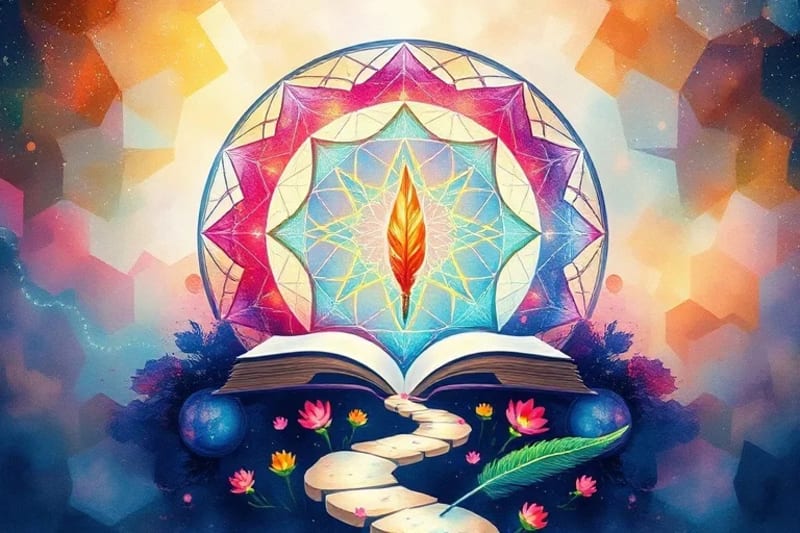
The mind as a garden, where self-discovery blossoms through introspection.
The benefits of mindfulness extend far beyond stress reduction. It enhances cognitive flexibility, improves focus, and cultivates empathy. When applied to the realm of dreams, mindfulness helps us to recall dream details more vividly and to approach their often-bizarre narratives with curiosity rather than confusion. It prepares the mind to receive and process the symbolic language of the subconscious, making the journey of self-discovery more accessible and profound.
Bridging Dreams and Mindfulness: The Synergistic Approach
The synergy between dream interpretation and mindfulness lies in their shared goal: to deepen self-awareness and promote holistic well-being. Mindfulness provides the framework for observing our internal states, while dreams offer the content for that observation. By consciously bringing a mindful attitude to our dream recall and analysis, we can unlock a more comprehensive understanding of our psychological and emotional landscape.
Practicing mindfulness before sleep can enhance dream recall and lucidity, making it easier to remember and engage with dreams. Similarly, reflecting mindfully on dream content during the day can help solidify insights and integrate them into our waking decisions. This creates a continuous loop of awareness, where nocturnal experiences inform conscious choices, and conscious awareness enriches our understanding of our inner world.
Consider the concept of Biofield Manifestation, which suggests that our thoughts and intentions can influence our reality. Dreams, as expressions of our deepest thoughts and desires, can be seen as a form of unconscious manifestation. By mindfully interpreting these dreams, we gain control over these unconscious processes, aligning our inner world with our desired external reality. This holistic approach empowers individuals to actively participate in their personal evolution.
Techniques for Decoding Subconscious Messages
Decoding the intricate language of dreams requires a blend of systematic techniques and intuitive awareness. Here are several effective methods to help you interpret your subconscious messages:
- Dream Journaling: Keep a journal by your bedside and record your dreams immediately upon waking. Include as much detail as possible: emotions, colors, people, objects, and actions. This practice enhances recall and provides a tangible record for analysis.
- Symbolic Association: Identify key symbols, characters, or settings in your dream. For each element, ask yourself: What does this mean to me personally? What feelings or ideas does it evoke? Avoid generic interpretations initially; focus on your unique associations.
- Emotional Resonance: Pay close attention to the emotions experienced in the dream. Fear, joy, sadness, or confusion often point to underlying waking-life issues or desires that your subconscious is trying to bring to your attention.
- Amplification (Jungian Approach): If a symbol feels particularly potent, research its mythological, cultural, or archetypal meanings. This can broaden your understanding and reveal deeper layers of significance.
- Active Imagination: Re-enter the dream in your imagination while awake. Engage with the characters or situations, asking them questions and observing what happens. This can lead to new insights and resolutions.
- Mindful Reflection: After recording and analyzing your dream, sit in mindful meditation. Bring the dream's themes or symbols into your awareness and observe any thoughts, feelings, or bodily sensations that arise without judgment. This allows for deeper integration.
Integrating Dream Insights into Daily Life
The true power of dream interpretation lies not just in understanding, but in application. Integrating dream insights into your daily life transforms passive knowledge into active wisdom, leading to tangible personal growth. This process involves consciously applying the lessons learned from your subconscious to your waking decisions, relationships, and emotional responses.
For instance, if a recurring dream highlights feelings of being trapped, you can mindfully explore areas in your waking life where you feel constrained and take steps to assert your autonomy. If a dream presents a solution to a problem, you can consciously implement that solution. This active engagement with your dream life fosters a dynamic relationship between your conscious and subconscious minds, promoting a more integrated self.
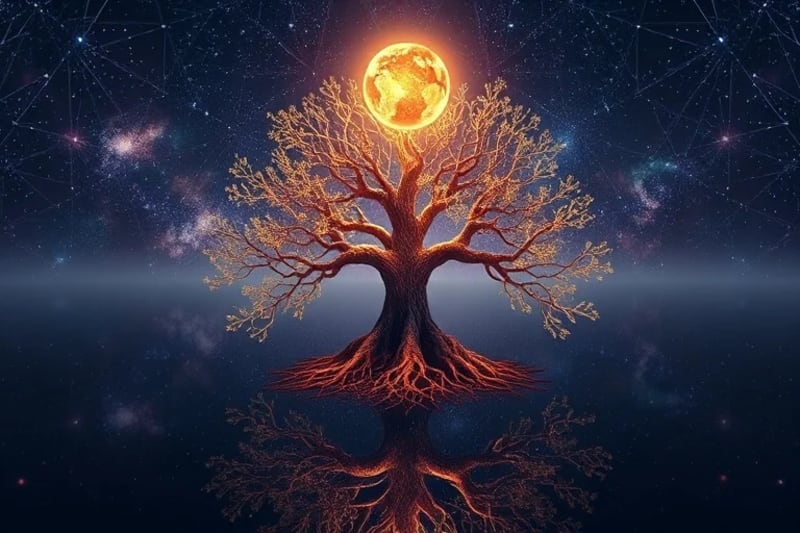
Neural pathways forming a tree, symbolizing the intricate connection between dreams and conscious insight.
Mindfulness can also help you recognize "waking dreams" – moments in your daily life that mirror your nocturnal experiences. By being present and aware, you can catch these echoes and gain immediate insight into unresolved issues or emerging patterns. This continuous feedback loop between dreams and waking life accelerates your journey of self-discovery, making every experience a potential lesson.
Furthermore, understanding Astrological Houses can provide additional context to your dream interpretations. Each house represents different life spheres, and if a dream prominently features themes related to a specific house (e.g., career, relationships, home), it can guide your focus in integrating those insights. This multi-faceted approach ensures a holistic understanding of your inner workings.
The Psychological and Spiritual Benefits
The combined practice of dream interpretation and mindfulness yields a wealth of psychological and spiritual benefits. Psychologically, it fosters emotional intelligence, resilience, and self-compassion. By confronting and understanding the symbolic representations of fears and anxieties in dreams, individuals can process and integrate these emotions in a safe, controlled environment, leading to reduced stress and improved mental health.
Spiritually, this practice deepens one's connection to their inner wisdom and intuition. Dreams often serve as a bridge to higher consciousness, offering guidance and profound spiritual insights. Mindful interpretation allows these insights to permeate the conscious mind, enriching one's spiritual journey and providing a sense of purpose and meaning. It's a powerful way to engage with the esoteric symbolism that often appears in our subconscious narratives.
| Benefit Category | Description | Impact on Self-Discovery |
|---|---|---|
| Emotional Regulation | Understanding dream-induced emotions helps manage waking-life feelings. | Increased self-awareness of emotional triggers and responses. |
| Problem Solving | Dreams can present creative solutions to waking challenges. | Enhanced intuition and decision-making skills. |
| Creativity Boost | Accessing the subconscious mind unlocks new ideas and perspectives. | Stimulated artistic expression and innovative thinking. |
| Spiritual Connection | Dreams often convey messages from a deeper, spiritual self. | Profound sense of purpose and alignment with inner wisdom. |
| Reduced Anxiety | Processing fears in dreams can diminish their power in waking life. | Greater inner peace and mental clarity. |
Common Dream Symbols and Their Mindful Interpretation
While personal associations are paramount, many dream symbols carry universal archetypal meanings that can serve as a starting point for mindful interpretation. Here are a few common symbols and how to approach them:
- Falling: Often symbolizes a loss of control, insecurity, or fear of failure in waking life. Mindfully, consider where you feel unsupported or overwhelmed.
- Chasing: Can represent avoiding an issue or emotion. Who is chasing you, or what are you running from? Mindfulness encourages you to turn and face what you're avoiding.
- Water: Symbolizes emotions, the unconscious mind, or purification. Calm water suggests emotional peace, while turbulent water indicates emotional turmoil. Mindfully observe your emotional state.
- Houses: Represent the self, with different rooms signifying different aspects of your personality or life. Exploring a house in a dream can be an exploration of your inner self.
- Animals: Often represent instincts, desires, or aspects of your personality. The type of animal and its behavior offer clues. Mindfully connect to your primal nature.
- Flying: Typically associated with freedom, transcendence, or overcoming obstacles. It can also signify feeling overwhelmed or out of control if the flight is erratic.
- Teeth Falling Out: A common anxiety dream, often linked to feelings of vulnerability, loss of power, or communication issues. Mindfully assess your sense of security and how you express yourself.
Remember that these are general guidelines. The most accurate interpretation will always stem from your personal experiences, emotions, and current life circumstances. Use mindfulness to tune into your inner wisdom and allow the meaning to unfold organically. This journey of decoding subconscious messages is a continuous process, offering endless opportunities for growth and deeper self-understanding. For further exploration into the symbolic world, consider delving into Esoteric Symbolism and Zodiac Myths, which can enrich your understanding of universal archetypes.
Explore More Insights:
- Chinese Zodiac Feng Shui
- Bio-Acoustic Therapy
- Urban Geomancy Lunar Mansions
- Smudging Rituals
- Biometric Divination
- Aries Decans Deep Dive
- Biofield Manifestation
- Astrological Houses
- Tarot Quantum Mechanics
- Chinese Zodiac 2025
- Twin Flames, Soulmates
- Esoteric Symbolism Zodiac Myths
- Lilith Astrology
- Dog Chinese Zodiac Elements
- Chiron Houses Healing Wounds
- Mental Wellness Organizational Resilience
- Ada Lovelace Computational Music
- Digital Photography History
- Fixed Stars Astrology
- Cymatics Planetary Sounds
- Water Tiger Chinese Horoscope
- Mary's Promises Conversion
- Holy Rosary Joyful Mysteries
- Prophecy Discernment Guide
Source: Hybrid content assisted by AI and human editorial supervision.


Comments
Post a Comment