
Tarot Feng Shui Home Energy Elemental Balance
In the quest for holistic well-being, many individuals explore ancient wisdom traditions to enhance their daily lives. Among these, Tarot and Feng Shui stand out as powerful systems for understanding and influencing energy. While seemingly distinct, these practices share a common goal: to promote balance, harmony, and prosperity.
This article delves into the profound synergy between Tarot and Feng Shui, revealing how their combined application can transform your living space into a sanctuary of positive energy. By integrating the intuitive insights of Tarot with the spatial arrangements of Feng Shui, you can create an environment that truly supports your personal and spiritual growth. We will explore how these ancient tools can be used in tandem to diagnose energetic blockages and implement effective solutions for elemental balance within your home.
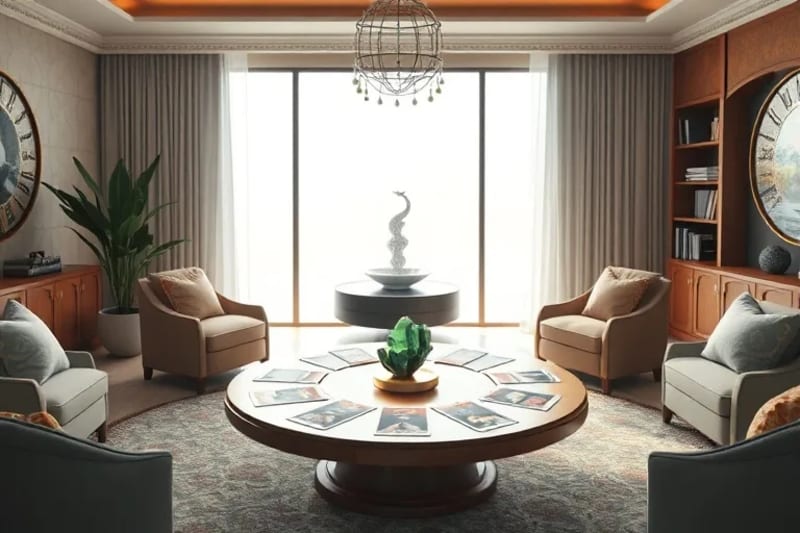
A thoughtfully arranged space reflecting the combined wisdom of Tarot and Feng Shui, fostering positive energy flow.
Understanding Tarot as an Energetic Diagnostic Tool
Tarot is a powerful system of divination that uses a deck of 78 cards, each imbued with rich symbolism and archetypal meaning. It serves not merely as a fortune-telling tool, but as a mirror reflecting our inner landscape and the energetic dynamics at play in our lives. A Tarot reading can illuminate hidden patterns, subconscious blockages, and potential paths forward, offering profound insights into personal situations.
When applied to a living space, Tarot can act as an energetic diagnostic tool. By performing a specific spread focused on the home, one can uncover areas of stagnation, conflict, or imbalance. For instance, a card like the Tower might indicate sudden disruption or a need for radical change in a particular area, while the Ten of Swords could point to an ending or a need to release old, stagnant energies. Understanding these symbolic messages is the first step toward creating a more harmonious environment.
The cards can reveal not only what is happening but also the underlying energetic currents affecting the occupants. They can highlight emotional patterns, relationship dynamics, or even financial concerns that are subtly influenced by the home's energy. This diagnostic capability makes Tarot an invaluable precursor to any Feng Shui adjustments, ensuring that interventions are targeted and effective. It helps to identify what needs to be 'cleared' or 'healed' before physical changes are made, much like the process of Energetic Cord Cutting: Releasing Unhealthy Attachments.
Furthermore, Tarot can help identify areas where specific intentions need to be set. If a reading indicates a lack of abundance, for example, it can guide you to focus your Feng Shui efforts on the wealth corner of your home, reinforcing your intention with conscious action. This intuitive guidance ensures that your efforts are aligned with your highest good and the specific energetic needs of your space.
Core Principles of Feng Shui for Home Harmony
Feng Shui, an ancient Chinese art and science, literally translates to "wind-water." It is the practice of arranging living spaces to optimize the flow of chi (life force energy) and promote harmony, health, and prosperity. Rooted in Taoist philosophy, Feng Shui considers the energetic interactions between humans and their environment. Its principles are deeply intertwined with ancient Chinese cosmology, including concepts like the Chinese Zodiac: Myths, Origins, Cultural Significance, which emphasize the interconnectedness of all things.
The core of Feng Shui revolves around several key concepts:
- Chi (Qi): The universal life force energy that permeates everything. Good Feng Shui aims to cultivate and direct positive chi.
- Yin and Yang: The balance of complementary opposites (e.g., light/dark, active/passive) is crucial for harmony.
- The Five Elements (Wu Xing): Wood, Fire, Earth, Metal, and Water are fundamental energies that interact in productive and destructive cycles. Balancing these elements is central to Feng Shui.
- The Bagua Map: A grid used to map specific areas of a home or room to different aspects of life (e.g., wealth, relationships, health, career).
By understanding these principles, one can make conscious choices about furniture placement, color schemes, materials, and decorative items. The goal is to create an environment where energy flows smoothly, supporting the well-being and aspirations of those who inhabit the space. For example, placing a water feature in the wealth corner (southeast) can enhance prosperity, while ensuring a clear path to the front door invites opportunities.
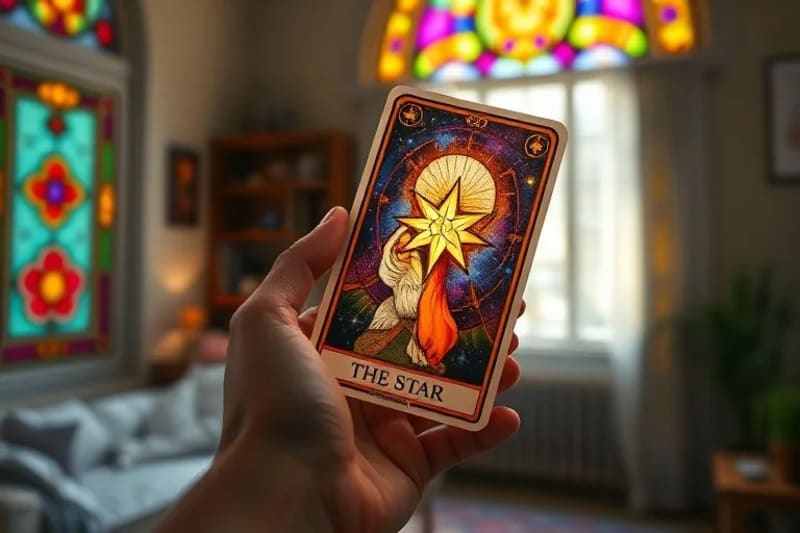
The Star card, symbolizing hope and spiritual guidance, offers insights into healing and balance within the home environment.
The application of Feng Shui extends beyond mere aesthetics; it is about creating a living space that actively supports your life goals. A cluttered space, for instance, can lead to cluttered thoughts and stagnant energy, hindering progress. Conversely, a well-organized and energetically balanced home can foster clarity, peace, and opportunities for growth. This mindful approach to living space design is a powerful tool for personal transformation.
Synergistic Application: Tarot Insights Guiding Feng Shui Adjustments
The true power of combining Tarot and Feng Shui lies in their synergistic application. Tarot provides the "what" and "why" – identifying specific energetic issues and their roots – while Feng Shui offers the "how" – practical methods to address these issues within the physical environment. This integrated approach ensures that your efforts are not just cosmetic but deeply resonant with your energetic needs.
Consider a scenario where a Tarot reading for your home reveals themes of emotional stagnation or difficulty in relationships. Cards like the Four of Cups (apathy) or the Five of Pentacles (isolation) might appear. These insights can then guide your Feng Shui adjustments. You might focus on the relationship corner of your home (southwest on the Bagua map), ensuring it is not cluttered and is adorned with pairs of objects, soft lighting, and colors that promote connection and warmth. Such adjustments can positively impact Lunar Astrology Emotional Well-being Moon Phases Harmony within the household.
Another example might involve a Tarot spread indicating a lack of career progression or financial blockages, perhaps with cards like the Eight of Pentacles reversed or the Page of Swords indicating indecision. Armed with this knowledge, you would then turn to the career sector (north) or wealth sector (southeast) of your home. Feng Shui remedies could include adding water elements (for career flow), vibrant plants (for growth), or decluttering to create clear pathways for new opportunities. This targeted approach is far more effective than generic Feng Shui applications.
The process often involves: first, a Tarot reading to diagnose the energetic state of the home and its occupants; second, interpreting these insights to pinpoint specific areas or aspects of life that need attention; and third, applying targeted Feng Shui principles and adjustments to remedy the identified imbalances. This iterative process allows for continuous refinement and adaptation, ensuring the home remains a vibrant and supportive space. It is a practical way to engage with Quantum Manifestation Psychology: Subconscious Abundance Re-patterning by consciously shaping your environment.
Elemental Correspondence: Tarot Suits and Feng Shui Elements
A powerful layer of integration between Tarot and Feng Shui emerges when we recognize the elemental correspondences. Both systems utilize elemental energies to describe and influence reality. In Tarot, the four suits (Wands, Cups, Swords, Pentacles) are directly linked to the elements of Fire, Water, Air, and Earth, respectively. Feng Shui, on the other hand, works with five elements: Wood, Fire, Earth, Metal, and Water. Understanding these connections allows for a deeper, more nuanced approach to balancing home energy.
Here's a breakdown of how Tarot suits align with Feng Shui elements and what they signify for your home:
| Tarot Suit | Associated Element (Tarot) | Corresponding Feng Shui Element & Meaning | Home Application & Balance |
|---|---|---|---|
| Wands | Fire | Fire: Passion, energy, creativity, enthusiasm, recognition. | Enhance with candles, red accents, triangular shapes. Balance with Earth elements to prevent burnout. |
| Cups | Water | Water: Emotion, intuition, relationships, wisdom, career flow. | Incorporate water features, mirrors, blue/black colors. Balance with Wood elements to support growth. |
| Swords | Air | Metal: Clarity, intellect, communication, organization, precision. (Air in Tarot aligns with Metal's mental aspects in Feng Shui) | Use metal objects, white/grey colors, round shapes. Balance with Water to soften rigidity. |
| Pentacles | Earth | Earth: Stability, abundance, security, health, grounding, physical well-being. | Introduce ceramic items, square shapes, earthy tones. Balance with Metal to enhance productivity. |
| (No direct Tarot suit) | N/A | Wood: Growth, vitality, new beginnings, flexibility, expansion. | Add plants, wooden furniture, green colors, rectangular shapes. Balance with Fire to fuel creativity. |
By cross-referencing Tarot insights with these elemental correspondences, you can fine-tune your Feng Shui adjustments. For example, if a Tarot reading shows a lack of creative energy (Fire/Wands), you might introduce more Fire elements into your workspace or areas associated with creativity on the Bagua map. This precise alignment ensures that your energetic interventions are both intuitive and strategically sound.
An artistic representation of the five Feng Shui elements, illustrating their dynamic balance and interconnectedness within a space.
Cultivating a Sacred Space: Beyond Physical Arrangement
While physical arrangement and elemental balance are crucial, cultivating a sacred space goes beyond mere aesthetics. It involves infusing your home with intention, mindfulness, and personal energy. Both Tarot and Feng Shui emphasize the importance of conscious engagement with your environment. A space truly becomes sacred when it reflects your highest self and supports your spiritual journey.
Regularly clearing clutter, both physical and energetic, is a foundational practice. Just as a Tarot reading helps to clear mental fog, decluttering your home creates space for new energy to enter. Incorporate practices like smudging with sage, using essential oil diffusers, or playing calming music to elevate the vibrational frequency of your home. These actions reinforce the positive changes initiated through Tarot and Feng Shui.
Personal rituals can also transform your home into a sacred haven. This could involve daily meditation in a designated area, lighting candles with specific intentions, or simply taking a moment to appreciate the beauty and peace of your surroundings. The consistent application of these practices, guided by the insights from Tarot, ensures that your home remains a vibrant and supportive sanctuary, reflecting your inner harmony.
Ultimately, the synergy of Tarot and Feng Shui empowers you to become the conscious architect of your energetic environment. By understanding the subtle energies at play and actively shaping your space, you foster a profound connection between your inner and outer worlds. This holistic approach not only enhances your home but also enriches your life, promoting well-being, prosperity, and spiritual growth.
The harmonious interplay between the intuitive guidance of Tarot and the structural wisdom of Feng Shui creates a powerful framework for personal and environmental transformation. This ancient wisdom, when applied thoughtfully, can unlock new potentials for well-being.
By understanding the energetic blueprint revealed by Tarot, individuals can make informed decisions about their living spaces, ensuring that every element contributes to a balanced and supportive atmosphere.
Embracing both Tarot and Feng Shui offers a comprehensive pathway to creating a home that is not just aesthetically pleasing but also energetically aligned with your deepest desires. This journey of intentional design and intuitive insight can lead to profound positive changes in all aspects of your life.
Explore Further: Related Insights & Practices
- ★ Planets 1st House: Advanced Identity Aspects
- ★ Chiron Natal Chart: Healing Wounds & Evolutionary Growth
- ★ Composite Chart: Decoding Relationship Dynamics
- ★ AI Dream Interpretation: Decoding Symbols with Algorithmic Insights
- ★ Psycho-Astrology: Jungian Archetypes & Life Path
- ★ Archetypal Horoscopes: Decoding Collective Unconscious Trends
- ★ Cosmic Omens: Interpreting Synchronicities & Esoteric Symbols
Source: Hybrid content assisted by AI and human editorial supervision.


Comments
Post a Comment