
Chinese Zodiac: Myths, Origins, Cultural Significance | StarPluto
The Chinese Zodiac, known as Sheng Xiao (生肖), is a fascinating system that assigns an animal and its reputed attributes to each year in a repeating 12-year cycle. Far more than a mere calendar, it is a profound cultural framework deeply embedded in Chinese philosophy, astrology, and daily life. Its origins are shrouded in myth and ancient astronomical observations, offering a unique lens through which to understand personality, relationships, and destiny.
Unlike Western astrology, which is based on monthly zodiac signs, the Chinese Zodiac operates on a yearly cycle, with each animal ruling an entire year. This system not only influences individual characteristics but also plays a significant role in major life decisions, from marriage and career choices to business partnerships and family planning. Understanding the Chinese Zodiac provides invaluable insights into a rich cultural heritage that continues to thrive globally.
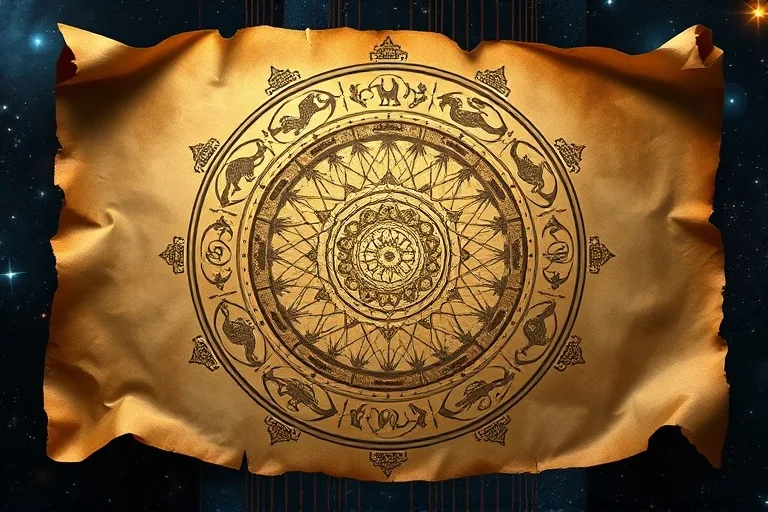
The mystical origins of the Tarot Quantum Mechanics Intersecting Divination Reality are deeply intertwined with ancient legends and celestial observations.
The Legendary Race: How the Zodiac Animals Were Chosen
The most popular myth explaining the order of the Chinese Zodiac animals is the story of the Great Race, orchestrated by the Jade Emperor. According to legend, the Emperor decided to designate twelve animals as signs of the zodiac, and their order would be determined by who arrived first at his heavenly banquet after crossing a mighty river.
The animals gathered at the riverbank, eager to participate. The clever Rat, unable to swim well, convinced the Ox to carry him across. Just as they reached the shore, the Rat jumped off the Ox's head, landing first and securing the first position. The diligent Ox came in second, followed by the brave Tiger, who struggled but eventually made it.
The Rabbit, using its agility, hopped across stones and a floating log to claim fourth place. The mighty Dragon, despite being able to fly, stopped to help thirsty villagers and then blew wind to assist the Rabbit, arriving fifth. The Snake, hidden on the Horse's hoof, surprised everyone by slithering ahead at the last moment, making the Horse sixth and the Snake seventh.
The Goat, Monkey, and Rooster worked together to cross the river on a raft, with the Goat arriving eighth, the Monkey ninth, and the Rooster tenth. Finally, the faithful Dog, delayed by playing in the water, came eleventh. The Pig, who stopped for a feast and a nap, arrived last, completing the twelve-year cycle. This captivating tale not only explains the order but also imbues each animal with distinct personality traits.
Historical Roots and Astronomical Foundations
While the Great Race is a charming myth, the actual origins of the Chinese Zodiac are rooted in ancient Chinese astronomy and the lunar calendar. The system is believed to have developed during the Han Dynasty (206 BCE – 220 CE), though earlier forms might have existed. The twelve animals correspond to the twelve earthly branches (地支, dì zhī) used in traditional Chinese timekeeping, which also align with the orbit of Jupiter, taking approximately 12 years to circle the sun.

The historical development of the is deeply connected to ancient astronomical observations and scholarly traditions.
The philosophical underpinnings of the zodiac are deeply intertwined with concepts such as Yin and Yang, and the Five Elements (Wood, Fire, Earth, Metal, Water). These elements cycle through the years, interacting with the animal signs to create a more nuanced and complex astrological profile. Each animal year is not just about the animal itself, but also about the element associated with that particular year, leading to a 60-year cycle (12 animals x 5 elements).
Ancient Chinese astrologers used these intricate systems to predict events, understand human nature, and guide societal structures. The meticulous observation of celestial bodies and the development of sophisticated calendrical systems were crucial for agricultural planning, imperial decrees, and personal divination. This holistic approach highlights the deep respect for natural cycles and cosmic influences in Chinese culture.
The Twelve Animals and Their Core Traits
Each of the twelve animals in the Chinese Zodiac is associated with a distinct set of personality traits, strengths, and weaknesses. These characteristics are believed to influence individuals born in that particular year, shaping their temperament, career path, and relationships. Below is a summary of the core traits for each animal:
| Animal | Core Traits | Strengths | Weaknesses |
|---|---|---|---|
| Rat | Intelligent, quick-witted, charming | Adaptable, resourceful, popular | Shrewd, secretive, sometimes greedy |
| Ox | Diligent, dependable, strong | Patient, honest, determined | Stubborn, conservative, rigid |
| Tiger | Brave, confident, competitive | Courageous, enthusiastic, leadership | Reckless, impulsive, short-tempered |
| Rabbit | Gentle, quiet, elegant | Kind, responsible, artistic | Timid, overly cautious, superficial |
| Dragon | Charismatic, powerful, ambitious | Confident, intelligent, inspiring | Arrogant, impatient, domineering |
| Snake | Mysterious, intelligent, intuitive | Wise, charming, graceful | Envious, suspicious, manipulative |
| Horse | Energetic, active, independent | Animated, cheerful, popular | Impatient, restless, hot-headed |
| Goat (Sheep) | Gentle, compassionate, artistic | Calm, creative, empathetic | Indecisive, passive, insecure |
| Monkey | Quick-witted, curious, playful | Intelligent, innovative, versatile | Mischievous, cunning, restless |
| Rooster | Observant, hardworking, courageous | Honest, confident, punctual | Vain, boastful, critical |
| Dog | Loyal, honest, responsible | Faithful, protective, reliable | Pessimistic, stubborn, anxious |
| Pig | Compassionate, generous, honest | Optimistic, easygoing, sincere | Naïve, gullible, lazy |
These traits are not absolute but serve as a general guide, often combined with the influence of the Five Elements and Yin/Yang principles to create a more comprehensive astrological profile. For instance, a Wood Dragon will have slightly different characteristics than a Fire Dragon, adding layers of complexity to the interpretation.
Cultural Impact and Modern Relevance
The Chinese Zodiac's influence extends far beyond individual personality readings; it permeates various aspects of Chinese culture and continues to resonate in modern society worldwide. From traditional festivals to daily decision-making, its presence is undeniable. The annual celebration of the Lunar New Year, for example, is intrinsically linked to the changing zodiac animal, bringing with it specific predictions and cultural practices.
The seamlessly blends ancient wisdom with contemporary life.
Compatibility readings based on zodiac signs are common, guiding individuals in choosing partners, friends, and business associates. Certain animal pairings are considered highly auspicious, while others are thought to be challenging. This belief system provides a framework for understanding interpersonal dynamics and fostering harmony within relationships. Many people consult zodiac compatibility charts before making significant commitments.
Moreover, the zodiac animals are prominent symbols in art, literature, and popular culture. They appear in decorations, clothing, and even modern media, serving as a constant reminder of this ancient tradition. The global diaspora of Chinese culture has also led to the widespread recognition and adoption of the Chinese Zodiac in various parts of the world, making it a universal symbol of cultural identity and astrological insight. The Lunar Mansions Predictive Astrology Timing Life Events are also a popular choice for parents.
Beyond the Animals: Elements and Yin/Yang
To fully appreciate the depth of the Chinese Zodiac, one must look beyond the twelve animals to the fundamental principles of Chinese cosmology: the Five Elements (Wu Xing) and Yin and Yang. These concepts add layers of complexity and nuance to each zodiac sign, creating a 60-year cycle that governs every aspect of existence.
The Five Elements—Wood, Fire, Earth, Metal, and Water—are not merely substances but dynamic forces that interact in cycles of creation and destruction. Each element is associated with specific colors, directions, seasons, and personality traits. For example, Wood is associated with growth and creativity, Fire with passion and energy, Earth with stability and nurturing, Metal with structure and discipline, and Water with fluidity and wisdom.
- Wood: Represents growth, creativity, and new beginnings. Individuals born under Wood years are often described as compassionate and cooperative.
- Fire: Symbolizes passion, energy, and dynamism. Fire personalities are typically enthusiastic and adventurous.
- Earth: Associated with stability, reliability, and practicality. Earth individuals are often grounded and responsible.
- Metal: Represents strength, determination, and discipline. Metal personalities are usually resolute and ambitious.
- Water: Signifies intuition, flexibility, and wisdom. Water individuals are often adaptable and empathetic.
The concept of Yin and Yang, the complementary opposing forces that make up all phenomena in the universe, also plays a crucial role. Each zodiac animal is inherently either Yin or Yang. Yin is associated with femininity, darkness, passivity, and intuition, while Yang represents masculinity, light, activity, and rationality. The interplay of these forces with the animal signs and elements creates a truly intricate and comprehensive system for understanding the cosmos and human experience.
For instance, a Rat year can be a Wood Rat, Fire Rat, Earth Rat, Metal Rat, or Water Rat, each with unique characteristics. This elemental overlay provides a deeper understanding of an individual's potential, challenges, and overall life path, making the Chinese Zodiac a powerful tool for self-discovery and cultural exploration. Understanding these nuances can greatly enhance one's appreciation of .
In conclusion, the Chinese Zodiac is a rich tapestry woven from ancient myths, astronomical observations, and profound philosophical principles. Its legendary origins, detailed animal characteristics, and enduring cultural significance make it a timeless system for understanding human nature and the cyclical patterns of the universe. From personal traits to societal traditions, the Chinese Zodiac continues to offer valuable insights and remains a cherished part of global cultural heritage.
Fuente: Contenido híbrido asistido por IAs y supervisión editorial humana.


Comments
Post a Comment