
Biometric Divination Biofeedback Intuition Self-Discovery Physiological
Biometric Divination & Biofeedback Intuition: Self-Discovery Through Physiological Data and Inner Senses
In an era increasingly defined by data and technology, the ancient quest for self-knowledge is undergoing a profound transformation. Biometric divination and biofeedback intuition represent a cutting-edge fusion of modern science and timeless spiritual exploration. This innovative field proposes that by meticulously monitoring our physiological data, we can unlock deeper insights into our inner workings, enhance our intuitive capabilities, and embark on a more informed journey of self-discovery.
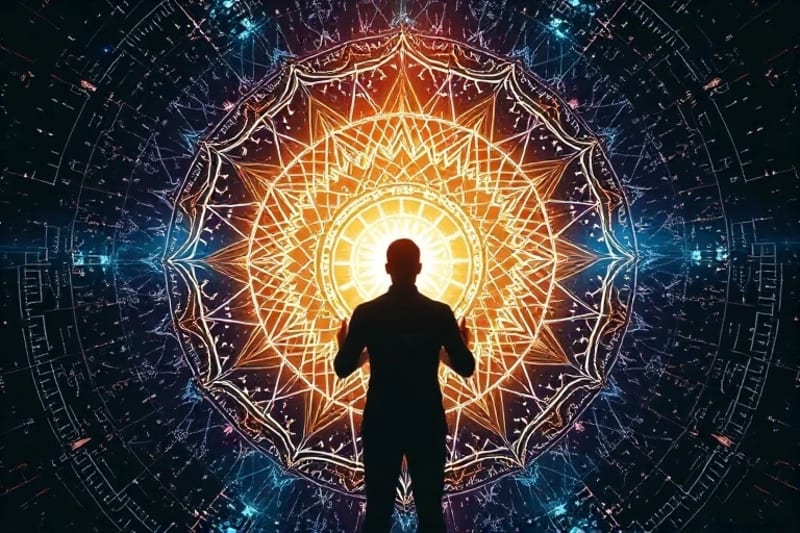
Precursors intellectuales, diagramas fundamentales y representaciones conceptuales que forjaron la visión de la interconexión entre la fisiología y la intuición.
Fuente visual sujeta a disponibilidad del ecosistema: Wikimedia Commons bajo licencia CC BY-SA 4.0 o renderizado conceptual IA.
This interdisciplinary approach recognizes that our bodies are not merely vessels but sophisticated information systems, constantly generating signals that reflect our emotional, mental, and energetic states. By learning to interpret these signals, often imperceptible to the conscious mind, we gain a unique lens through which to understand our true selves and navigate the complexities of life.
The concept is not entirely new; ancient traditions have long emphasized the body-mind connection, using practices like meditation, yoga, and various forms of divination to access deeper wisdom. What sets biometric divination apart is its reliance on quantifiable, real-time physiological data, offering a measurable and often immediate feedback loop that can accelerate personal growth and intuitive development.
Table of Contents
- Understanding Biometric Divination and Biofeedback Intuition
- The Science Behind Inner Sensing: Physiological Data Explained
- Applications for Enhanced Self-Discovery and Personal Growth
- Tools and Technologies: Bridging Ancient Wisdom with Modern Data
- Ethical Considerations and the Path Forward
- Integrating Biometric Divination into Daily Practice
- The Future of Self-Exploration: AI and Beyond
Understanding Biometric Divination and Biofeedback Intuition
At its core, biometric divination involves the interpretation of physiological signals to gain insight into one's inner state, potential future inclinations, or underlying patterns. Unlike traditional divination methods that often rely on external signs or symbolic systems, this approach turns inward, using the body's own language as a guide. It is not about predicting a fixed future but rather about understanding the energetic and emotional currents within that may influence outcomes.
Biofeedback intuition, on the other hand, is the process of using real-time physiological data to train and enhance one's intuitive abilities. By observing how certain internal states (like calmness or focus) correlate with specific biometric readings (e.g., heart rate variability coherence), individuals can learn to consciously cultivate these states. This practice helps to fine-tune the body-mind connection, making it easier to access and trust subtle intuitive nudges.
The synergy between these two concepts creates a powerful framework for personal development. Biometric divination provides the "reading" of the body's current state, while biofeedback intuition offers the "training" to consciously shift and optimize those states. This dynamic interplay allows for a proactive and informed approach to self-exploration, moving beyond passive observation to active engagement with one's inner landscape. For those interested in deeper forms of conscious exploration, understanding these internal signals can be as profound as mastering lucid dreaming techniques.
The Science Behind Inner Sensing: Physiological Data Explained
The scientific foundation of biofeedback is well-established, demonstrating that individuals can learn to control involuntary physiological responses when provided with real-time feedback. When extended to the realm of intuition, this principle suggests that by becoming aware of our body's subtle reactions, we can better understand the genesis of our gut feelings or premonitions. Key physiological metrics include:
- Heart Rate Variability (HRV): This measures the variation in time between heartbeats. High HRV indicates a healthy, adaptable nervous system, often associated with emotional resilience and mental clarity. Low HRV can signal stress or fatigue. In intuitive contexts, a sudden shift in HRV might precede an insightful thought or a strong feeling about a situation.
- Galvanic Skin Response (GSR): Also known as electrodermal activity, GSR measures changes in the electrical conductance of the skin, which are influenced by sweat gland activity. This is directly linked to emotional arousal and sympathetic nervous system activation. A spike in GSR can indicate an emotional response, even if consciously unacknowledged, providing a "divinatory" hint about underlying feelings.
- Electroencephalography (EEG) / Brainwave Patterns: EEG measures electrical activity in the brain. Different brainwave frequencies (alpha, beta, theta, delta) correlate with various states of consciousness, from alert wakefulness to deep meditation. Biofeedback training can help individuals cultivate specific brainwave states associated with creativity, focus, or deep intuitive insight.
- Respiration Rate and Depth: The pattern of our breathing is intimately linked to our emotional state. Slow, deep, diaphragmatic breathing is associated with relaxation and parasympathetic activation, while shallow, rapid breathing often accompanies stress. Consciously regulating breath can influence other physiological metrics and promote states conducive to intuition.
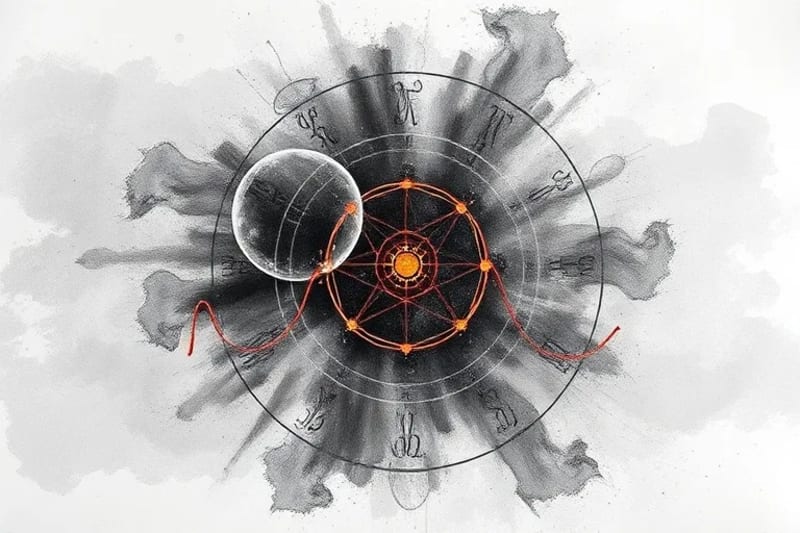
Complex networks and color gradients illustrate the intricate dance of physiological data in real-time.
These physiological responses are not random; they are deeply intertwined with our thoughts, emotions, and subconscious processes. By observing them, we gain objective data that can validate or challenge our subjective perceptions, offering a more holistic understanding of our inner landscape. The integration of these data points allows for a nuanced interpretation, much like how progressed chart astrology offers a dynamic view of personal evolution.
Applications for Enhanced Self-Discovery and Personal Growth
The practical applications of biometric divination and biofeedback intuition are vast and extend across various domains of personal development. They offer tangible pathways to:
- Emotional Regulation and Stress Reduction: By identifying physiological markers of stress or anxiety, individuals can learn to consciously employ relaxation techniques, breathwork, or mindfulness to shift their internal state. The real-time feedback validates their efforts, making the process more effective.
- Enhancing Decision-Making: Intuition often manifests as a "gut feeling." By monitoring biometric responses during decision-making processes, individuals can discern genuine intuitive signals from mere emotional biases. A consistent physiological pattern might indicate a deeper, subconscious knowing.
- Deepening Meditative and Spiritual Practices: Biofeedback devices can help practitioners achieve and sustain desired meditative states by providing feedback on brainwave patterns or HRV coherence. This objective data can guide and deepen spiritual exploration, making practices more effective.
- Unlocking Creativity and Flow States: Certain brainwave states (e.g., alpha and theta waves) are associated with creativity and flow. Biofeedback training can help individuals access these states more readily, fostering innovation and enhanced performance in creative tasks.
- Understanding Energetic States: While not directly measurable by current medical devices, many esoteric traditions speak of subtle energy fields. By correlating biometric data with subjective energetic experiences, individuals can begin to map their personal energetic landscape, gaining insights into their vitality and well-being.
This approach empowers individuals to become active participants in their own well-being, moving beyond theoretical understanding to embodied experience. It fosters a deeper connection with the self, promoting resilience, clarity, and a more profound sense of purpose. The exploration of these inner senses can lead to significant personal transformation, echoing the power of vibrational linguistics in shaping reality.
Tools and Technologies: Bridging Ancient Wisdom with Modern Data
The accessibility of biometric divination and biofeedback intuition has expanded dramatically with advancements in technology. What once required specialized lab equipment is now often available in consumer-grade devices. These tools act as bridges, translating the subtle language of the body into understandable data points.
- Wearable Devices: Smartwatches and fitness trackers often monitor heart rate, HRV, and sleep patterns. While not professional-grade biofeedback devices, they offer a baseline for understanding daily physiological rhythms and identifying general trends.
- Dedicated Biofeedback Devices: These specialized tools provide more precise measurements of GSR, EEG, and other metrics. They often come with accompanying software that guides users through exercises and visualizes their progress in real-time, making the learning process interactive and engaging.
- Mobile Applications: Many apps integrate with wearables or standalone sensors to offer guided meditations, breathing exercises, and real-time feedback on physiological states. These platforms often gamify the process, encouraging consistent practice.
- Neurofeedback Systems: A specific type of biofeedback, neurofeedback focuses on training brainwave patterns. Users receive feedback on their brain activity and learn to regulate it, which can improve focus, reduce anxiety, and enhance cognitive function.
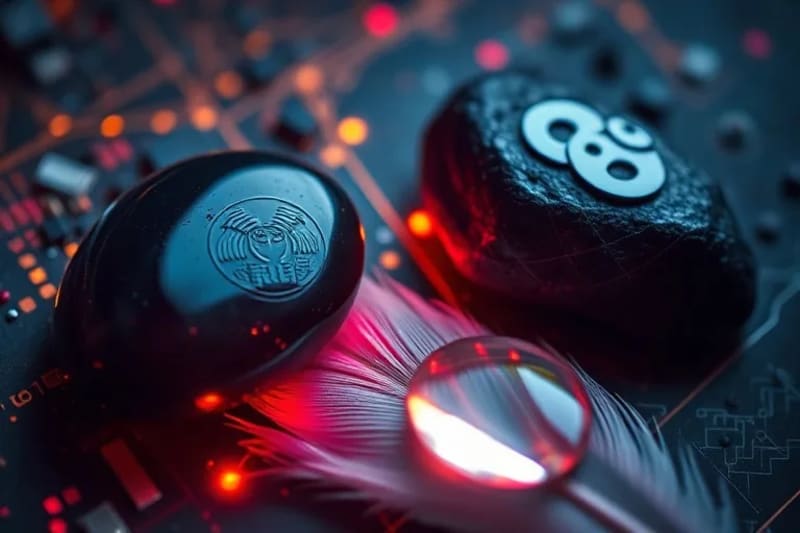
Thought-provoking objects symbolizing the harmony between technological advancement and profound inner wisdom.
The key is not merely to collect data but to interpret it thoughtfully and use the feedback to develop greater self-awareness and control. This technological assistance allows for a personalized approach to self-discovery, where individuals can tailor their practices based on their unique physiological responses and intuitive development goals. This convergence of ancient practices with digital tools is a hallmark of Techno-Shamanism, bridging digital healing with spiritual rituals.
Ethical Considerations and the Path Forward
As with any powerful technology or practice, biometric divination and biofeedback intuition come with ethical considerations that demand careful attention. Data privacy is paramount, as physiological data is highly personal and sensitive. Users must be aware of how their data is collected, stored, and utilized, ensuring that their privacy is protected.
Another critical aspect is the potential for misinterpretation. While biometric data offers objective insights, its "divinatory" aspect relies on subjective interpretation and correlation with inner experiences. It is crucial to approach this practice with a balanced perspective, recognizing that data provides clues, not definitive answers. Over-reliance on technology without developing inner discernment can be counterproductive.
Furthermore, these tools are not substitutes for professional medical or psychological advice. While they can support well-being and self-exploration, they should complement, not replace, traditional healthcare when needed. Responsible practitioners and developers in this field emphasize education, informed consent, and clear boundaries regarding the capabilities and limitations of these technologies.
| Feature | Traditional Divination (e.g., Tarot, Astrology) | Biometric Divination |
|---|---|---|
| Source of Insight | External symbols, cosmic patterns, archetypes | Internal physiological data (HRV, GSR, EEG) |
| Nature of Feedback | Symbolic, narrative, often interpretive | Quantifiable, real-time, objective data |
| Primary Goal | Guidance, understanding patterns, future possibilities | Self-awareness, emotional regulation, intuition enhancement |
| Mechanism of Action | Intuitive interpretation, symbolic association | Biofeedback training, physiological self-regulation |
| Empowerment Level | Often relies on external reader/system | Direct self-observation and self-training |
Integrating Biometric Divination into Daily Practice
To effectively integrate these practices into daily life, consistency and mindful engagement are key. Start by choosing a biometric metric that resonates with your current self-discovery goals. For instance, if stress management is a priority, focus on HRV or GSR. If you aim to enhance focus or creativity, explore EEG biofeedback.
Begin with short, regular sessions, perhaps 10-15 minutes daily. During these sessions, observe your physiological data in real-time while engaging in practices like mindful breathing, guided meditation, or simple self-reflection. Pay attention to how your internal state shifts in response to these practices and how those shifts are reflected in the data. Over time, you will develop a clearer understanding of the correlation between your inner experiences and your physiological responses.
Journaling alongside your biometric sessions can be incredibly beneficial. Document your emotional state, any intuitive insights that arise, and the corresponding data readings. This practice helps to build a personal library of correlations, strengthening your ability to interpret your body's subtle messages without constant reliance on the device. Remember, the goal is not to become dependent on the technology but to use it as a guide to cultivate innate intuitive wisdom.
The Future of Self-Exploration: AI and Beyond
The field of biometric divination and biofeedback intuition is still in its nascent stages, with immense potential for growth and refinement. The integration of artificial intelligence (AI) and machine learning algorithms promises to revolutionize how we interpret and utilize physiological data. AI can identify complex patterns in biometric readings that might be imperceptible to the human eye, offering even more nuanced insights into our inner states.
Imagine personalized AI companions that learn your unique physiological responses and intuitive triggers, offering real-time guidance and tailored practices to optimize your well-being and enhance your intuitive capabilities. This could lead to highly individualized self-discovery journeys, adapting to your evolving needs and goals. As technology advances, the boundaries between the physical and the subtle, the measurable and the intuitive, will continue to blur, opening new frontiers in human potential.
Ultimately, biometric divination and biofeedback intuition offer a compelling vision for the future of self-discovery: one where technology serves as a powerful ally in our quest for deeper understanding, greater emotional mastery, and enhanced intuitive wisdom. By embracing this fusion, we can unlock unprecedented levels of personal growth and navigate the complexities of modern life with greater clarity and purpose.
The integration of technology and inner exploration is not just a trend; it's a paradigm shift in how we approach self-discovery.
By quantifying the subtle, we gain new avenues for understanding the profound.
Explore Further: Related Insights
- Scrying Techniques: Peering into Future Mirrors and Water
Delve into ancient methods of divination and their modern interpretations.
- Astral Projection Techniques: Advanced Methods for Conscious Exploration
Expand your consciousness beyond the physical realm with advanced techniques.
- Cosmic Sociology: Mapping Global Consciousness Trends
Discover how collective consciousness influences societal patterns and future directions.
- Solar Return Chart: Your Annual Astrological Predictions Guide
Gain insights into the themes and energies shaping your year ahead.
Source: Hybrid content assisted by AI and human editorial supervision.


Comments
Post a Comment