
Urban Shamanism: Connecting City Spirits, Ley Lines, Landscapes | StarPluto
In an increasingly urbanized world, the ancient practice of shamanism finds a new home amidst skyscrapers, bustling streets, and concrete jungles. Urban shamanism is a contemporary spiritual path that adapts traditional shamanic principles and practices to the unique energetic landscapes of modern cities. It invites individuals to recognize the spiritual essence within urban environments, connecting with the unseen forces, spirits, and energy patterns that shape our metropolitan lives. Far from being a contradiction, this fusion offers a profound way to foster well-being, ecological awareness, and a deeper sense of belonging in the urban sprawl.
This educational guide delves into the core tenets of urban shamanism, exploring how city dwellers can tap into the spiritual dimensions of their surroundings. We will examine the concept of city spirits, the elusive nature of urban ley lines, and the vibrant energetic landscapes that define our concrete ecosystems. By understanding and engaging with these elements, practitioners can transform their relationship with the city, moving beyond mere coexistence to active co-creation and spiritual harmony.
Table of Contents
- What is Urban Shamanism?
- The Concept of City Spirits and Genius Loci
- Unveiling Urban Ley Lines: Energy Pathways
- Energetic Landscapes in the City
- Practices and Rituals of the Urban Shaman
- Benefits and Challenges of Urban Shamanism
- Integrating Nature in Urban Shamanic Practice
- The Future of Urban Shamanism
What is Urban Shamanism?
Urban shamanism is an evolving spiritual discipline that adapts the core principles of traditional shamanism to the modern urban environment. While classical shamanism often involves deep connection with wilderness, nature spirits, and elemental forces in pristine landscapes, urban shamanism applies this same reverence and methodology to the concrete, steel, and digital networks of cities. It acknowledges that cities, despite their artificial appearance, are dynamic ecosystems with their own unique spiritual energies and entities.
The practice recognizes that human-made structures, historical events, and collective consciousness imbue urban spaces with distinct energetic imprints. An urban shaman seeks to perceive, interact with, and balance these energies, promoting harmony between human inhabitants and the city's spiritual fabric. This can involve working with the spirits of specific buildings, parks, transportation hubs, or even the collective energy of a neighborhood.
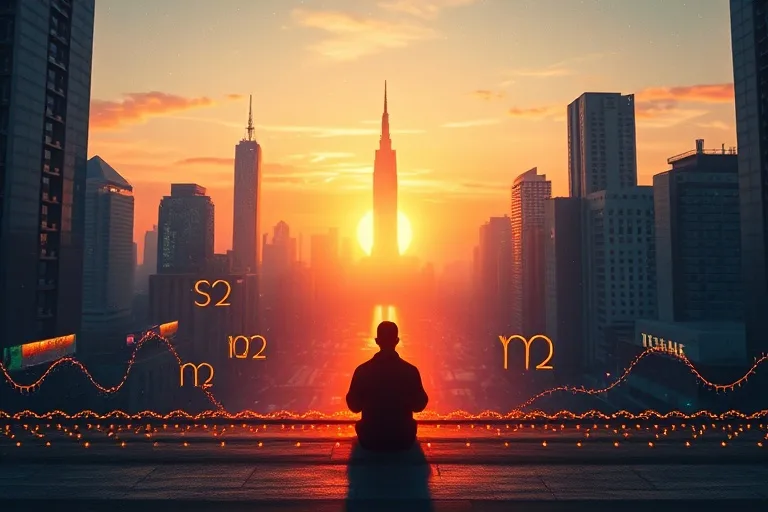
A lone figure meditating amidst a vibrant, futuristic cityscape, symbolizing the deep connection between individuals and the energetic pulse of urban environments.
Key aspects of urban shamanism include:
- Adaptation: Modifying traditional shamanic techniques (e.g., journeying, drumming, ritual) to fit urban contexts.
- Awareness: Cultivating heightened sensitivity to the subtle energies and spirits present in cityscapes.
- Integration: Blending spiritual practice with daily urban life, finding sacredness in the mundane.
- Healing: Addressing energetic imbalances in urban spaces and their inhabitants, contributing to community well-being.
- Ecological Connection: Recognizing and honoring the remnants of natural ecosystems within the city, such as parks, rivers, and urban wildlife.
The Concept of City Spirits and Genius Loci
Central to urban shamanism is the belief in "city spirits" or the genius loci, a Latin term meaning "spirit of the place." This concept, rooted in ancient Roman religion, posits that every distinct place—be it a forest, a river, or a city—possesses its own protective spirit or unique energetic essence. In an urban context, the genius loci can be understood as the collective energetic signature of a specific area, influenced by its history, geology, architecture, and the accumulated human emotions and intentions.
These city spirits are not necessarily anthropomorphic deities but can manifest as subtle feelings, atmospheric qualities, or even symbolic animal guides associated with certain urban landmarks. For example, a bustling market square might have a spirit of commerce and community, while an old, quiet library might hold the spirit of knowledge and contemplation. Recognizing these spirits involves developing an intuitive sensitivity to the unique "feel" of different urban locations.
Practitioners of urban shamanism engage with these spirits through various methods:
- Observation: Paying close attention to the sensory details and emotional resonance of a place.
- Meditation: Sitting quietly in an urban spot to attune to its subtle energies.
- Offerings: Leaving small, respectful offerings (e.g., flowers, water, a piece of art) as a gesture of gratitude and connection.
- Communication: Engaging in inner dialogue or symbolic actions to acknowledge and interact with the spirit of the place.
By honoring the genius loci, urban shamans aim to foster a reciprocal relationship with their environment, seeking guidance, healing, or simply a deeper understanding of the city's living presence. This practice can transform sterile urban spaces into vibrant, meaningful places of spiritual encounter.
Unveiling Urban Ley Lines: Energy Pathways
The concept of ley lines refers to hypothetical alignments of ancient sites, megaliths, and spiritual landmarks that are believed to mark paths of telluric energy across the Earth's surface. While often associated with rural landscapes, urban shamans explore the idea that these energetic pathways also traverse and influence modern cities. These urban ley lines might not always correspond to ancient standing stones but could manifest as alignments of significant buildings, historical avenues, or even underground infrastructure that channels subtle energies.
The interaction of these energy lines is thought to create nodes or vortexes of concentrated energy, which can be perceived as particularly vibrant or charged locations within the city. These might be places where people feel a strong sense of peace, inspiration, or even unease. Urban shamans learn to dowse or intuitively sense these lines and nodes, understanding their flow and influence on the urban fabric and its inhabitants.
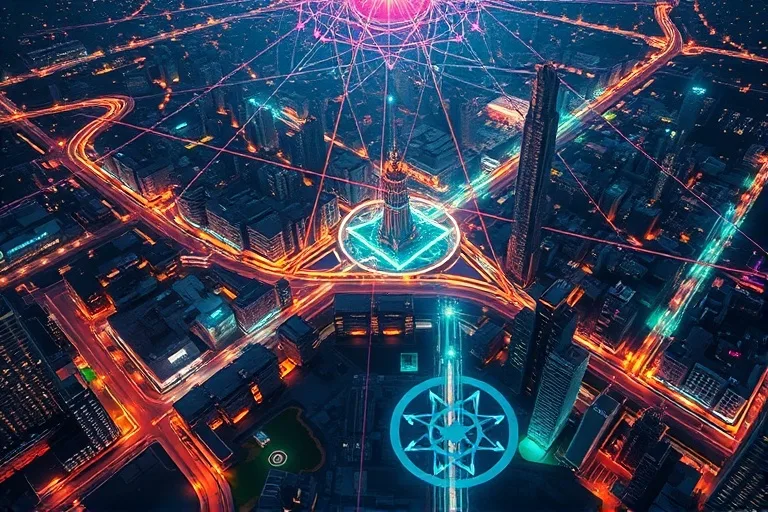
An intricate digital painting illustrating a modern city map interwoven with glowing ley lines and ancient symbols, revealing the hidden energetic grid beneath urban life.
Methods for identifying and working with urban ley lines include:
- Dowsing: Using dowsing rods or pendulums to detect subtle energy flows.
- Intuitive Mapping: Developing an inner map of the city's energetic currents through meditation and sensory exploration.
- Historical Research: Investigating the historical significance and original purpose of urban sites, which often correlates with energetic hotspots.
- Energy Clearing: Performing rituals to clear stagnant or negative energy from specific ley line intersections or pathways.
Understanding urban ley lines can provide insights into the energetic health of a city and guide practitioners in choosing optimal locations for spiritual work, healing, or community gathering. It suggests that even in a built environment, there are natural, unseen currents that can be consciously engaged.
Energetic Landscapes in the City
Beyond specific spirits and ley lines, urban shamanism considers the entire city as a complex "energetic landscape." This landscape is not merely physical but also comprises layers of historical memory, collective human consciousness, technological radiation, and the residual energies of countless interactions. Every building, street, and public space contributes to this intricate web of energy, creating a unique energetic signature for each urban area.
For instance, a bustling financial district might exude an energy of ambition and stress, while a residential neighborhood could feel calmer and more communal. Areas with a history of conflict or suffering might carry heavier, denser energies, whereas newly developed green spaces might feel refreshing and vibrant. Urban shamans learn to read these energetic nuances, much like a traditional shaman reads the signs of the natural world.
Factors influencing the urban energetic landscape include:
- Human Activity: The emotions, thoughts, and intentions of millions of people.
- Architecture and Design: The shapes, materials, and layouts of buildings, which can channel or block energy.
- Technology: Electromagnetic fields from electronics, Wi-Fi, and power grids.
- Natural Elements: Parks, rivers, trees, and geological features that retain their original energetic qualities.
- Historical Events: The energetic residue of significant past occurrences.
By understanding these energetic landscapes, practitioners can navigate the city with greater awareness, choosing environments that support their well-being and avoiding those that drain their energy. They can also engage in practices to cleanse, balance, or enhance the energy of specific urban locations, contributing to a healthier collective environment. This holistic view transforms the city from a mere backdrop to an active participant in one's spiritual journey.
Practices and Rituals of the Urban Shaman
Urban shamanism is not just a philosophy but a practical path involving specific rituals and techniques adapted for city life. These practices help individuals connect with urban energies, clear stagnant vibrations, and cultivate personal and communal well-being. The key is to find ways to integrate spiritual work seamlessly into the rhythm of daily urban existence.
Common practices include:
- Urban Journeying: Similar to traditional shamanic journeying, this involves entering a meditative state to explore the non-ordinary reality of the city. Instead of forests or caves, the urban shaman journeys into the energetic layers of buildings, subway systems, or historical sites to gain insights or perform energetic healing.
- Sound Healing: Using sound (e.g., drumming, chanting, singing bowls) to clear and balance urban energies. This can be done in parks, quiet corners, or even within one's home, focusing on specific intentions for the surrounding area.
- Urban Altars: Creating small, portable altars or sacred spaces in one's home or office that represent the city's elements (e.g., a small stone from a city park, a piece of metal, a drawing of a skyline). These serve as focal points for intention and connection.
- Energetic Cleansing: Employing smudging (using sage or palo santo), salt water, or visualization techniques to purify personal spaces, public areas, or even one's aura after navigating dense urban energies.
- Intention Setting: Consciously directing positive intentions towards specific urban areas, individuals, or the city as a whole. This can be done through walking meditations, prayer, or focused visualization.
- Mindful Walking: Engaging in urban exploration with a heightened sense of awareness, noticing subtle shifts in energy, observing urban wildlife, and appreciating moments of beauty or serenity. This transforms a simple walk into a spiritual pilgrimage.
These practices emphasize that spiritual connection is not limited to remote wilderness but is accessible and vital within the urban environment. They empower individuals to become active participants in the energetic health of their cities.
Benefits and Challenges of Urban Shamanism
Embracing urban shamanism offers numerous benefits for individuals living in metropolitan areas, yet it also comes with unique challenges that practitioners must navigate. Understanding both sides is crucial for a balanced and effective practice.
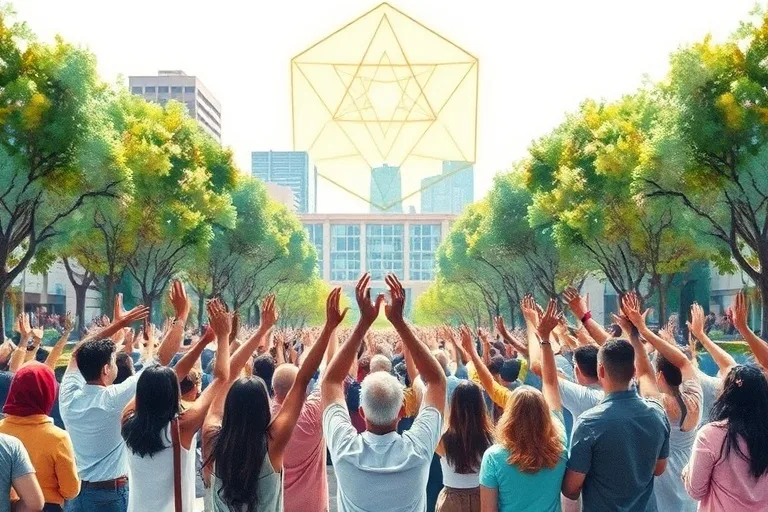
A watercolor illustration depicting a diverse group of urban dwellers participating in a communal ritual within a city park, symbolizing collective energy and spiritual connection.
Benefits:
- Reduced Stress and Anxiety: Connecting with the subtle energies of the city can provide a sense of grounding and peace amidst urban chaos, helping to mitigate stress.
- Enhanced Sense of Belonging: By recognizing the city as a living entity, individuals can develop a deeper connection to their environment, fostering a sense of home and community.
- Increased Ecological Awareness: Urban shamanism encourages practitioners to notice and protect the natural elements within cities, promoting environmental stewardship.
- Personal Empowerment: Engaging with urban energies empowers individuals to actively shape their environment and personal well-being, rather than feeling overwhelmed by urban life.
- Spiritual Growth: It offers a unique path for spiritual development, integrating ancient wisdom with modern living.
- Resilience: Developing energetic sensitivity can help individuals navigate the energetic demands of city life with greater resilience.
Challenges:
- Noise and Distractions: The constant sensory input of a city can make it difficult to enter meditative states or perceive subtle energies.
- Energetic Pollution: Cities often accumulate dense or negative energies from collective stress, conflict, and pollution, requiring consistent energetic cleansing.
- Skepticism and Misunderstanding: The concept of urban shamanism may be met with skepticism from those unfamiliar with spiritual or energetic practices.
- Lack of Natural Spaces: Limited access to extensive natural environments can challenge traditional shamanic connections, requiring creative adaptation.
- Safety Concerns: Performing rituals or meditations in public urban spaces may raise safety or privacy issues.
- Maintaining Focus: The fast pace and demands of urban life can make it difficult to consistently dedicate time to spiritual practice.
Despite these challenges, the benefits often outweigh the difficulties, making urban shamanism a powerful tool for modern spiritual seekers. Regular practice and adaptation are key to overcoming these hurdles.
Integrating Nature in Urban Shamanic Practice
While urban shamanism focuses on the city, it does not abandon the fundamental connection to nature. Instead, it seeks to identify, honor, and integrate the natural elements that persist within urban landscapes. Parks, community gardens, rivers, lakes, and even individual trees or patches of weeds become vital points of connection to the Earth's living systems.
Urban shamans recognize that these natural pockets act as energetic anchors and cleansing agents within the dense urban fabric. They are places where the city's energies can be filtered, renewed, and where practitioners can more easily access a sense of grounding and connection to elemental forces. Engaging with urban nature is a cornerstone of maintaining balance in an urban shamanic practice.
Ways to integrate nature into urban shamanism include:
- Park Meditations: Spending time in city parks, attuning to the energy of trees, soil, and water features.
- Urban Gardening: Cultivating plants, even in small containers, as a direct connection to the Earth's cycles and life force.
- Water Offerings: Making offerings to urban rivers, fountains, or even the tap water, acknowledging the spirit of water.
- Animal Totems: Observing urban wildlife (birds, squirrels, insects) and discerning their symbolic messages or energetic presence.
- Foraging (with caution): Safely and respectfully gathering wild herbs or plants from clean urban areas for ritual or medicinal purposes.
- Connecting with Urban Trees: Developing a relationship with specific trees in one's neighborhood, offering gratitude, and drawing on their grounding energy.
By actively seeking out and revering these natural elements, urban shamans bridge the perceived gap between nature and city, demonstrating that the sacred can be found everywhere, even in the most human-dominated environments. This integration reinforces the understanding that cities are not separate from nature but are complex extensions of it.
The Future of Urban Shamanism
As global populations continue to concentrate in urban centers, the relevance and necessity of urban shamanism are likely to grow. This modern spiritual path offers a vital framework for navigating the complexities of city life with greater awareness, intention, and spiritual depth. It provides tools for individuals to maintain their energetic balance, foster community, and contribute positively to the spiritual health of their environments.
The future of urban shamanism may involve increased collaboration among practitioners, the development of more formalized urban-specific rituals, and a broader integration of these principles into urban planning and community development. Imagine cities designed not just for physical efficiency but also for energetic harmony, where parks are recognized as sacred power spots and public art serves as energetic anchors.
Ultimately, urban shamanism invites us to reconsider our relationship with the places we call home. It challenges the notion that cities are soulless concrete structures and instead reveals them as vibrant, living entities with their own spirits, energies, and wisdom. By embracing this perspective, we can transform our urban experiences, finding sacredness in the everyday and becoming conscious co-creators of a more harmonious and spiritually enriched urban future.
Source: Hybrid content assisted by AI and human editorial supervision.


Comments
Post a Comment