
Shamanic Journeying: Advanced Soul Retrieval, Ancestral Healing | StarPluto
Shamanic journeying, an ancient spiritual practice, offers profound pathways for healing and self-discovery. While introductory journeys focus on connecting with spirit guides and power animals, advanced practices delve into deeper, more complex realms such as soul retrieval and ancestral healing. These sophisticated techniques address the root causes of spiritual, emotional, and even physical ailments, offering a comprehensive approach to restoring wholeness and balance.
This exploration will navigate the intricacies of these advanced shamanic modalities, providing a detailed understanding of their theoretical underpinnings, practical applications, and the transformative potential they hold for individuals seeking profound healing and liberation from inherited patterns. We will examine how these practices move beyond symptomatic relief to address core energetic imbalances and karmic imprints.
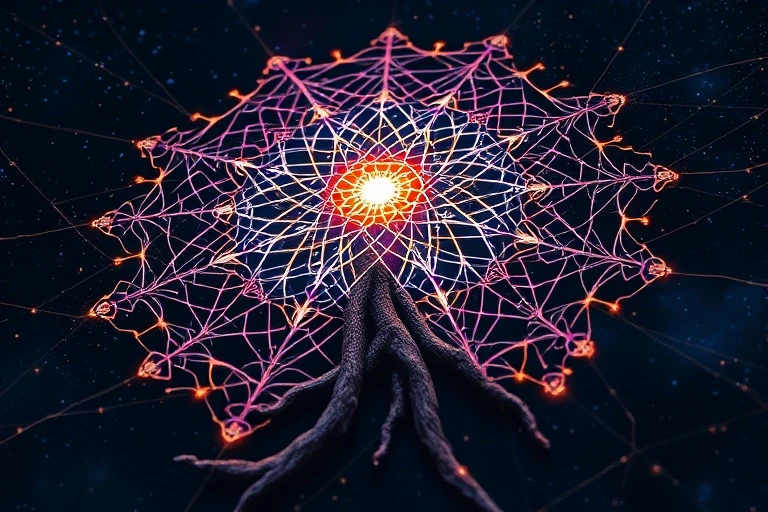
An intricate energy web visually representing the deep connections between ancestral lineage and fragmented soul aspects, central to advanced shamanic healing.
The journey into advanced shamanism requires not only a foundational understanding of altered states of consciousness but also a deep respect for the spiritual realms and the ethical responsibilities involved. Practitioners must cultivate a strong connection with their helping spirits and maintain impeccable energetic hygiene to ensure the safety and efficacy of these powerful healing processes. The focus shifts from personal exploration to serving as a conduit for profound energetic repair.
Understanding the distinctions between soul loss, ancestral trauma, and other spiritual dis-ease is crucial for applying the correct shamanic intervention. This article aims to illuminate these complex areas, offering clarity and depth to both aspiring practitioners and those seeking advanced healing. It emphasizes the importance of discernment and careful preparation in undertaking such transformative work.
Table of Contents
- The Foundations of Advanced Shamanic Journeying
- Advanced Soul Retrieval Techniques
- Ancestral Healing: Unraveling Generational Patterns
- Ethical Considerations and Practitioner Preparation
- Integration and Sustained Spiritual Well-being
- Conclusion: The Path to Wholeness
The Foundations of Advanced Shamanic Journeying
At its core, shamanic journeying involves entering an altered state of consciousness to interact with the spirit world for healing, guidance, and knowledge. This is typically achieved through rhythmic drumming or rattling, which helps the brain shift into theta brainwave states, conducive to visionary experiences. Unlike meditation, which often focuses on inner stillness, shamanic journeying is an active, purposeful exploration.
The shamanic cosmos is generally understood to comprise three main realms: the Lower World, Middle World, and Upper World. Each realm hosts different types of spirits and offers unique opportunities for interaction and healing. Advanced practitioners learn to navigate these realms with precision, understanding the specific energies and purposes associated with each.
- Lower World: Often associated with power animals, nature spirits, and the subconscious mind. It is a primary destination for soul retrieval and connecting with primal energies.
- Middle World: The non-ordinary reality counterpart to our physical world, where spirits of places, plants, and sometimes deceased humans reside. It's used for divination, healing the environment, and understanding current life challenges.
- Upper World: Home to celestial beings, ascended masters, and often used for receiving higher guidance, spiritual insights, and connecting with archetypal energies.
Advanced journeying also emphasizes the development of a strong relationship with one's helping spirits. These allies, which can be power animals, spirit teachers, or ancestral guides, provide protection, wisdom, and assistance during complex healing processes. Without their guidance, attempting advanced techniques can be ineffective or even risky. Their presence ensures the integrity and safety of the shamanic work.
The ability to maintain focus, discern symbolic messages, and interpret the experiences from the non-ordinary reality is paramount. This requires extensive practice and often mentorship from experienced shamans. The journey is not merely about seeing visions but about understanding their significance and translating them into actionable healing for the client. This interpretive skill is honed over years of dedicated practice.
Advanced Soul Retrieval Techniques
Soul retrieval is perhaps one of the most profound shamanic healing modalities, addressing the phenomenon of "soul loss." Soul loss is a spiritual illness where a part of an individual's vital essence or soul fragment separates from the main self due to trauma, shock, abuse, or prolonged periods of stress. This can occur during childhood, accidents, surgeries, or even through unhealthy relationships where one's energy is given away.
Symptoms of soul loss can manifest in various ways, often leading to feelings of incompleteness, chronic depression, apathy, memory gaps, post-traumatic stress disorder (PTSD), difficulty forming lasting relationships, or a persistent sense of being "not quite oneself." It can also lead to addictive behaviors as individuals try to fill the void left by the missing soul parts. Recognizing these symptoms is the first step towards seeking this specialized healing.

An ancient shamanic drum, a sacred tool for journeying, symbolizing the gateway to non-ordinary realities and deep healing.
The soul retrieval process involves the shamanic practitioner journeying into the non-ordinary reality, guided by their helping spirits, to locate and retrieve these lost soul fragments. The practitioner acts as a spiritual detective, tracing the origins of the soul loss and negotiating with the spirits or circumstances that hold the fragment. This often involves revisiting past traumas in a safe, ceremonial context.
Upon finding the soul part, the practitioner gently persuades it to return, often bringing it back with a power animal or spirit guide for protection and integration. The retrieved soul part is then ceremonially blown back into the client's body, usually through the crown chakra or heart center. This act is often accompanied by a feeling of profound relief, warmth, or a sense of coming home for the client.
Integration is a critical phase following soul retrieval. The client receives guidance on how to nurture and integrate the returned soul part into their present life. This may involve journaling, creative expression, spending time in nature, or making conscious lifestyle changes that support the newly restored wholeness. Without proper integration, the soul part may feel disoriented or even leave again. This aftercare is as vital as the retrieval itself.
| Aspect of Soul Retrieval | Description |
|---|---|
| Soul Loss Definition | Separation of a vital essence or soul fragment due to trauma. |
| Common Causes | Trauma, abuse, accidents, shock, unhealthy relationships, prolonged stress. |
| Manifested Symptoms | Feelings of incompleteness, depression, apathy, memory gaps, PTSD, addiction. |
| Shamanic Process | Journeying to locate, retrieve, and ceremonially return lost soul fragments. |
| Post-Retrieval Integration | Nurturing the returned part through conscious practices and lifestyle changes. |
Ancestral Healing: Unraveling Generational Patterns
Ancestral healing is a powerful shamanic practice that addresses the energetic and karmic imprints passed down through family lineages. Just as we inherit physical traits, we also inherit emotional patterns, traumas, beliefs, and even illnesses from our ancestors. These inherited burdens can unconsciously influence our lives, creating recurring challenges, blockages, or unexplained suffering. This concept is increasingly recognized in fields like epigenetics and transgenerational psychology.
The concept of ancestral trauma suggests that unresolved issues from past generations can manifest as anxiety, depression, phobias, financial struggles, relationship problems, or chronic health conditions in current descendants. These patterns are not personal failings but rather echoes of unhealed wounds within the family system. Shamanic ancestral healing seeks to identify, acknowledge, and release these burdens.

Digitally rendered fragmented crystal shards reassembling, symbolizing the delicate and powerful process of soul integration and healing.
Techniques for ancestral healing involve journeying into the ancestral realms to connect with specific ancestors or the collective ancestral field. The practitioner may seek to identify the source of a particular pattern, understand its origins, and facilitate a release or reconciliation. This often involves communicating with benevolent ancestors who can offer guidance and support in healing the lineage. It's a dialogue across time and dimensions.
- Identifying Karmic Bonds: Shamanic journeys can reveal specific vows, curses, or unresolved conflicts that continue to impact the living descendants. The goal is to consciously break these negative energetic ties.
- Releasing Burdens: Through ceremonial acts in the spirit world, burdens, grief, or responsibilities that do not belong to the client can be returned to their rightful place or transformed. This frees the client from carrying unnecessary weight.
- Receiving Ancestral Blessings: Beyond releasing negative patterns, ancestral healing also focuses on retrieving and integrating the strengths, wisdom, and blessings from healthy ancestors. This empowers the client with a deeper sense of belonging and resilience.
- Rituals and Ceremonies: Practitioners often guide clients through rituals in the physical world, such as creating an ancestral altar, offering prayers, or performing specific ceremonies to honor and connect with their ancestors, fostering a sense of peace and gratitude.
The impact of ancestral healing can be profound, leading to a sense of liberation, clarity, and renewed energy. Clients often report feeling lighter, experiencing shifts in long-standing patterns, and a deeper connection to their roots. This healing not only benefits the individual but also has a ripple effect, potentially healing the lineage for future generations. It's an act of profound intergenerational compassion.
Ethical Considerations and Practitioner Preparation
Undertaking advanced shamanic work like soul retrieval and ancestral healing demands a high degree of ethical responsibility and rigorous preparation from the practitioner. These are not practices to be approached lightly, as they involve navigating delicate spiritual territories and impacting an individual's core energetic structure. The well-being and safety of the client are always paramount.
A trained and experienced practitioner will have undergone extensive training, often including years of personal journeying, mentorship, and a deep understanding of shamanic cosmology and ethics. They must possess strong boundaries, clear intentions, and the ability to maintain a sacred and protected space for healing. This includes the ability to discern genuine spiritual guidance from personal projections or lower-level energies.
Client preparation is equally important. Before any advanced healing session, a thorough consultation is necessary to understand the client's history, intentions, and readiness for such deep work. The practitioner must ensure the client understands the process, potential outcomes, and their role in the integration phase. Informed consent is a non-negotiable aspect of ethical shamanic practice.
The ethical framework for shamanic practice emphasizes non-maleficence, client autonomy, and the responsible use of spiritual power. Practitioners are stewards of sacred knowledge and must act with integrity and compassion.
It is crucial that practitioners avoid making definitive medical claims or advising against conventional medical treatment. Shamanic healing is complementary and should be presented as such, supporting holistic well-being rather than replacing medical care.
Furthermore, practitioners must commit to their own ongoing spiritual development and self-care. Engaging in deep healing work for others can be energetically demanding, and maintaining personal balance is essential to prevent burnout and ensure clear channels for spiritual guidance. Supervision and peer support are also valuable resources for maintaining ethical standards and professional growth.
Integration and Sustained Spiritual Well-being
The shamanic journey does not end with the retrieval of a soul part or the release of an ancestral burden; it extends into the crucial phase of integration. This period is vital for solidifying the healing and ensuring that the changes manifest positively in the client's everyday life. Without conscious integration, the profound shifts initiated during the journey may not fully take root or could even lead to temporary disorientation.
For soul retrieval, integration involves actively welcoming the returned soul part and creating a nurturing environment for it. This might include daily practices such as meditation, journaling about childhood memories, engaging in creative activities that the soul part might have enjoyed, or simply setting aside time for quiet reflection. The goal is to re-establish a conscious connection with this newly returned aspect of self, allowing it to feel safe and cherished. This process can be subtle yet deeply transformative.
In ancestral healing, integration often involves making conscious choices that break old family patterns and embracing new, healthier ways of being. This could mean setting stronger boundaries, pursuing passions that previous generations couldn't, or cultivating relationships based on mutual respect rather than inherited dynamics. It also involves honoring the ancestors who have been healed, perhaps through continued rituals or expressions of gratitude. The healing ripple effect extends both backward and forward in time.
Sustained spiritual well-being after advanced shamanic healing requires an ongoing commitment to personal growth and self-awareness. This may involve continuing to work with spirit guides, engaging in regular shamanic journeying for personal guidance, or participating in community rituals. The healing journey is often a lifelong path, and these advanced techniques provide powerful tools for navigating its complexities. They empower individuals to become active participants in their own spiritual evolution.
The transformative potential of advanced shamanic journeying, soul retrieval, and ancestral healing lies in their ability to address deep-seated spiritual wounds that conventional methods may not reach. By restoring lost soul parts and clearing ancestral burdens, individuals can experience a profound sense of wholeness, liberation, and empowerment, paving the way for a more authentic and fulfilling life. This ancient wisdom offers a powerful antidote to modern dis-ease, connecting us to our deepest selves and our collective human story.
Conclusion: The Path to Wholeness
Advanced shamanic journeying, encompassing soul retrieval and ancestral healing, represents a pinnacle of spiritual healing practices. These modalities offer a comprehensive framework for addressing the multifaceted dimensions of human suffering, from individual trauma to inherited generational patterns. By venturing into the non-ordinary realms with skilled guidance, individuals can reclaim lost parts of themselves, release ancient burdens, and integrate profound wisdom that leads to lasting transformation.
The journey towards spiritual wholeness is not merely about alleviating symptoms but about restoring the fundamental energetic integrity of the self and its connection to the vast web of life. Through these powerful shamanic techniques, we are invited to step into a more empowered and authentic existence, free from the echoes of the past and fully present in our inherent spiritual power. This path requires courage, commitment, and a deep reverence for the sacred. It promises not just healing, but a profound re-enchantment with life itself.
Source: Hybrid content assisted by AIs and human editorial supervision.


Comments
Post a Comment