
Psycho-Astrology Jungian Archetypes Shadow Self Wholeness
Psycho-Astrology Jungian Archetypes Shadow Self Wholeness
Psycho-astrology represents a fascinating intersection where the ancient wisdom of astrology meets the profound insights of analytical psychology, particularly the work of Carl Jung. This interdisciplinary field offers a unique lens through which to understand the intricate landscape of the human psyche, moving beyond superficial personality traits to explore deeper, often unconscious, dynamics. At its core, psycho-astrology provides tools for self-discovery, helping individuals navigate the complexities of their inner world, especially concerning the concept of the Shadow Self. By integrating the often-repressed aspects of our personality, we can move towards a state of greater psychological wholeness and authenticity. This article will delve into the principles of psycho-astrology and Jungian archetypes, focusing on how understanding and mastering the Shadow Self can lead to profound personal integration.
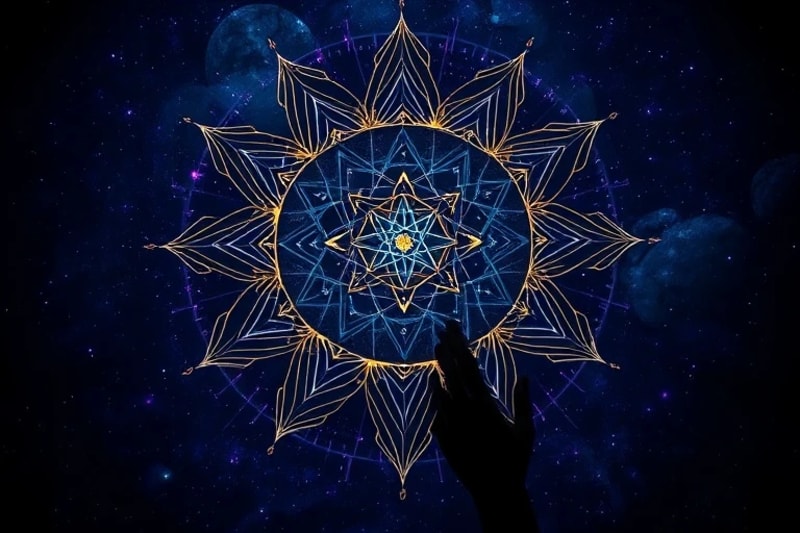
Exploring the intricate dance between conscious awareness and the hidden depths of the unconscious mind.
Table of Contents
- What is Psycho-Astrology?
- Jungian Archetypes: Universal Patterns of the Psyche
- The Shadow Self: Unveiling the Unconscious
- Astrological Correlates of the Shadow
- The Path to Wholeness: Integrating the Shadow
- Practical Techniques for Shadow Work in Psycho-Astrology
- Benefits of Integration
- Conclusion
What is Psycho-Astrology?
Psycho-astrology is not merely about predicting future events; it is a sophisticated system that interprets the natal chart as a symbolic blueprint of an individual's psychological structure. Unlike traditional predictive astrology, psycho-astrology emphasizes the chart's potential to reveal inherent psychological patterns, challenges, and strengths. It views planetary positions, signs, houses, and aspects as symbolic representations of inner drives, complexes, and developmental stages. This approach allows for a deeper understanding of one's motivations, fears, and unconscious desires, providing a framework for personal growth and transformation. It posits that the astrological chart reflects the individual's unique psychological makeup at the moment of birth, offering clues to their life purpose and potential for self-realization.
This blend of ancient wisdom and modern psychology offers a powerful tool for self-exploration. By analyzing the astrological chart through a psychological lens, individuals can uncover hidden talents, confront repressed emotions, and gain clarity on their life's journey. It moves beyond deterministic views, suggesting that while the chart reveals predispositions, conscious awareness and integration are key to mastering one's destiny. For those interested in understanding their yearly cycles, a Solar Return Chart can offer further insights into upcoming themes and challenges, complementing the foundational understanding gained from psycho-astrology.
Jungian Archetypes: Universal Patterns of the Psyche
Carl Jung, the founder of analytical psychology, introduced the concept of archetypes as universal, archaic patterns and images that derive from the collective unconscious. These archetypes are not inherited ideas but rather inherited predispositions to respond to the world in certain ways. They manifest in myths, dreams, art, and personal experiences across cultures and throughout history. Understanding these archetypes helps us recognize the underlying patterns influencing our behavior and perceptions, moving beyond personal experiences to universal human themes.
Jung identified numerous archetypes, each representing a fundamental human experience or role. While many exist, some are particularly relevant to the process of self-discovery and integration:
- The Persona: The social mask we wear, the image we present to the world. It helps us navigate society but can also hide our true self.
- The Anima/Animus: The unconscious feminine side in men (Anima) and the unconscious masculine side in women (Animus). These represent the contrasexual aspects of our psyche, influencing relationships and inner balance.
- The Shadow: The repressed, often negative, aspects of our personality, discussed in detail below.
- The Self: The central archetype, representing the totality of the psyche and the drive towards wholeness and integration. It is the unifying center of consciousness and unconsciousness.
- The Hero: Embodies the journey of overcoming challenges, facing fears, and achieving personal growth.
- The Sage: Represents wisdom, knowledge, and spiritual guidance, often appearing as a mentor figure.
- The Trickster: Disrupts norms and conventions, bringing about change and revealing hidden truths through humor or mischief.
These archetypes provide a framework for interpreting the symbolic language of the psyche, offering profound insights into our inner workings and our connection to the broader human experience. For a deeper dive into how these archetypes integrate with natal chart analysis, exploring Psycho-Astrology: Jungian Archetypes, Natal Chart Integration for Self-Discovery can offer further perspectives.

A visual representation of key Jungian archetypes as symbolic objects, guiding the path to self-understanding.
The Shadow Self: Unveiling the Unconscious
Among Jung's most pivotal concepts is the Shadow Self, which represents the unconscious aspects of the personality that the conscious ego does not identify with. It comprises all the qualities, impulses, and desires that are deemed unacceptable by society or the individual's conscious mind, and are therefore repressed. However, the Shadow is not inherently evil; it contains both negative attributes (such as anger, jealousy, greed) and positive, unexpressed potentials (like creativity, spontaneity, or assertiveness) that have been denied. The Shadow's origins lie in personal experiences of shame, guilt, and societal conditioning, as well as the collective unconscious. When unacknowledged, the Shadow often manifests through projections onto others, self-sabotaging behaviors, or sudden, inexplicable emotional outbursts. Confronting and integrating the Shadow is crucial for psychological maturity and preventing these unconscious forces from controlling one's life.
Recognizing the Shadow's influence is the first step towards its integration. It often appears in our reactions to others, particularly when we feel strong aversion or attraction to certain traits. These reactions can be indicators of our own unacknowledged Shadow aspects. The deeper we delve into understanding these projections, the closer we come to reclaiming these parts of ourselves.
Astrological Correlates of the Shadow
In psycho-astrology, various elements of the natal chart can illuminate the nature and location of an individual's Shadow. Planets like Pluto, often associated with power, transformation, and the underworld, frequently point to deeply buried psychological material and areas of intense, sometimes repressed, energy. Saturn, the planet of discipline, boundaries, and fear, can indicate where an individual feels inadequate or has repressed aspects of their personality due to insecurity or societal pressure. The 12th House, traditionally linked to the unconscious, hidden enemies, and self-undoing, often reveals where the Shadow operates most subtly, influencing dreams, spiritual experiences, and self-sacrificing tendencies.
Challenging aspects (squares, oppositions) involving personal planets can also highlight internal conflicts and areas where integration is needed, pushing individuals to confront their inner demons and unacknowledged potentials. For instance, a challenging aspect to the Moon might indicate repressed emotional needs or a difficult relationship with the mother figure, which forms part of the personal Shadow. Understanding these astrological indicators can provide a roadmap for where to focus one's Shadow work, offering specific themes and energies to explore.
| Astrological Element | Shadow Correlation | Potential Manifestations |
|---|---|---|
| Pluto | Deeply buried psychological material, power dynamics, obsessions. | Control issues, fear of betrayal, intense hidden desires, suppressed creativity. |
| Saturn | Repressed fears, insecurities, feelings of inadequacy, limitations. | Self-doubt, procrastination, rigid self-discipline, unexpressed ambition. |
| 12th House | Unconscious patterns, hidden enemies (self-undoing), spiritual escapism. | Self-sabotage, martyrdom, escapist tendencies, unacknowledged spiritual gifts. |
| Challenging Aspects | Internal conflicts, areas of tension, unintegrated energies between planets. | Emotional outbursts, relationship struggles, difficulty expressing certain traits. |
The Path to Wholeness: Integrating the Shadow
Jung's concept of individuation describes the lifelong psychological process of differentiating the self from the collective and integrating the conscious and unconscious aspects of the personality to achieve psychological wholeness. Shadow integration is a critical component of this journey. It involves several key steps:
- Awareness and Acknowledgment: The first step is to become aware of the Shadow's presence and acknowledge its various manifestations. This can happen through recognizing recurring patterns in relationships, dreams, or emotional reactions.
- Acceptance without Judgment: Instead of condemning these repressed parts, the goal is to accept them as aspects of the self. This does not mean acting out negative impulses but understanding their origin and potential.
- Expression in Constructive Ways: Finding healthy outlets for Shadow energies, such as creative expression, assertiveness, or channeling intense emotions into productive work.
- Distinguishing Projection from Reality: Learning to recognize when one is projecting their own unacknowledged Shadow onto others, and instead, taking responsibility for these internal qualities.
Self-reflection, dream analysis (where the Shadow often appears symbolically), and active imagination are powerful tools in this process. By engaging with the Shadow, individuals reclaim lost parts of themselves, leading to a more complete and authentic self. This journey towards integration is deeply personal and often challenging, requiring courage and self-compassion. It is a continuous process of becoming more conscious and whole.

An abstract representation of the dynamic process of integrating disparate psychological elements into a cohesive whole.
Practical Techniques for Shadow Work in Psycho-Astrology
Psycho-astrology offers specific avenues for engaging in Shadow work, leveraging the insights from your birth chart:
- Natal Chart Analysis: A detailed examination of Pluto, Saturn, the 12th House, and challenging aspects can pinpoint specific areas where the Shadow is active. Understanding the sign and house placement of these planets provides clues to the nature of the repressed material. For example, Pluto in the 7th House might suggest power struggles or control issues projected onto partners.
- Journaling Prompts: Based on challenging astrological aspects or planetary placements, journaling can help uncover hidden feelings and motivations. For example, "What fears do I associate with my Saturn placement?" or "How do I react when others display qualities I dislike?"
- Meditation and Visualization: Guided meditations can help individuals connect with their unconscious, allowing symbolic representations of the Shadow to emerge in a safe space. Visualizing integration can also be a powerful tool.
- Therapeutic Approaches: Working with a Jungian analyst or a psycho-astrology practitioner can provide guidance and support in navigating the often-challenging process of Shadow integration, offering objective insights and techniques. Techniques like Biofield Tuning: Sound Healing Energetic Trauma Release can also complement this work by addressing energetic blockages related to repressed emotions.
- Dream Interpretation: Paying close attention to dream symbols and narratives, especially recurring themes or figures, can offer direct messages from the unconscious about the Shadow. Dreams often provide a direct line to the unconscious, revealing what the conscious mind has suppressed.
By consistently applying these techniques, individuals can gradually bring their Shadow aspects into the light of consciousness, transforming them from disruptive forces into sources of strength and wisdom. This active engagement with the unconscious is vital for profound personal transformation.
Benefits of Integration
Embracing and integrating the Shadow Self through psycho-astrology yields profound benefits for personal development and well-being:
- Increased Self-Awareness and Authenticity: By acknowledging all parts of oneself, individuals gain a more honest and complete understanding of who they are, leading to greater authenticity.
- Reduced Internal Conflict: Integrating repressed aspects diminishes inner turmoil, as opposing forces within the psyche begin to work in harmony rather than against each other.
- Enhanced Creativity and Vitality: The Shadow often holds untapped creative potential and raw life force. Reclaiming these energies can lead to a surge in creativity, passion, and vitality.
- Improved Relationships: When individuals stop projecting their Shadow onto others, their relationships become clearer, more genuine, and less fraught with misunderstanding and conflict. Understanding one's own Ascendant Karmic Role can further enhance self-perception and improve interactions.
- Greater Psychological Resilience: Facing and integrating the Shadow builds inner strength and resilience, equipping individuals to handle life's challenges with greater wisdom and composure. This journey is a continuous process, leading to ongoing self-mastery and a deeper connection to the true Self.
These benefits collectively contribute to a more fulfilling and integrated life, where the individual operates from a place of conscious choice rather than being driven by unconscious impulses. The journey of Shadow integration is a testament to the human capacity for growth and self-transformation.
Conclusion
The journey of mastering the Shadow Self through the lens of psycho-astrology and Jungian archetypes is a transformative quest towards psychological wholeness and integration. By interpreting the natal chart as a map of the psyche and understanding the universal patterns of archetypes, individuals can identify and engage with their repressed unconscious material. This process is not about eliminating the Shadow but about bringing its hidden energies into conscious awareness, accepting them, and integrating them constructively. The profound benefits—from enhanced self-awareness and creativity to improved relationships and resilience—underscore the immense value of this deep psychological work. Ultimately, psycho-astrology offers a powerful framework for self-discovery, guiding us toward a more integrated, authentic, and fulfilling existence.
Explore Further Insights
- Love Horoscope Decan Insights
- Urban Geomancy City Dwellings
- Chinese Zodiac Pet Compatibility
- Cosmic Sociology Global Consciousness
- Biofield Tuning Sound Healing
- Aquarius Zodiac Sign Traits
- Chinese Zodiac Compatibility by Element
- Solar Return Chart Predicting Year Ahead
- Daily Affirmations Boosting Zodiac Strengths
- Western vs. Chinese Zodiac
- Mercury Sign Communication Intellect
- Psycho-Astrology Jungian Archetypes
- Astro-Linguistics Manifestation
- Chrono-Astrology Ancestral Echoes
- Ascendant Karmic Role First Impressions
- Neuroarchitecture Cognitive Well-being
- Digital Preventive Health Advances
- Women Science Technology History
- Astrology Decumbiture Predictions
- Chinese Zodiac Elemental Alchemy
- Balsamic Moon Rituals Liberation
- Divine Mercy Chaplet Healing
- Prophecies Bioethical Challenges Gene Editing
- Saint Jude Thaddeus Impossible Causes
Source: Hybrid content assisted by AI and human editorial supervision.


Comments
Post a Comment