
Urban Geomancy City Dwellings Well-being Cosmic Energies
Urban Geomancy is a fascinating discipline that seeks to harmonize human-made environments, particularly cities and dwellings, with the natural and cosmic energetic flows of the Earth. Far from being a modern invention, its roots lie in ancient traditions like Feng Shui and Vastu Shastra, which recognized the profound impact of spatial arrangement on human well-being and prosperity. In an increasingly dense and artificial urban landscape, the principles of urban geomancy offer a pathway to create spaces that foster health, balance, and a deeper connection to the subtle energies surrounding us.
This introductory exploration delves into the core concepts of urban geomancy, examining how the alignment of city structures, the strategic placement of homes, and the integration of natural elements can transform our living experiences. We will uncover the historical precedents, the fundamental energetic principles, and practical applications for enhancing well-being within the concrete jungles we inhabit. The goal is to understand how we can consciously design and interact with our urban environments to harness beneficial cosmic energies and mitigate detrimental influences, leading to a more harmonious and vibrant existence.
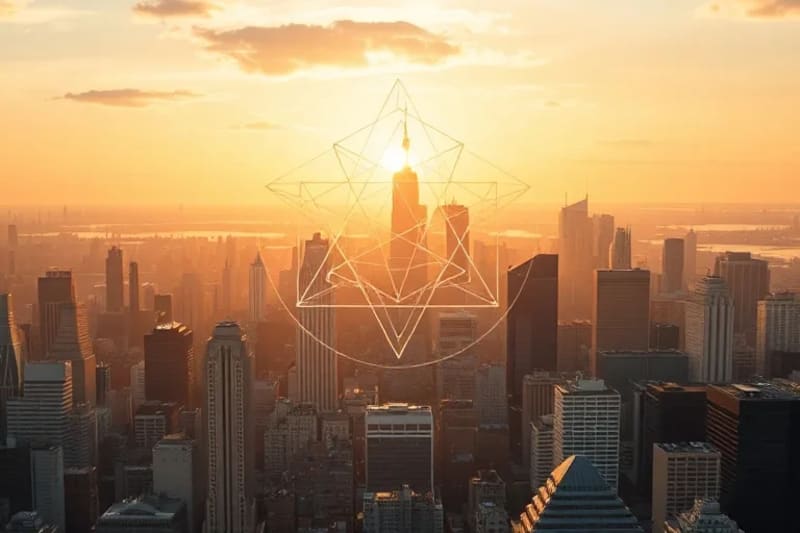
Table of Contents
- Historical Roots and Core Principles of Geomancy
- The Energetic Landscape of Cities: Ley Lines and Chi Flow
- Practical Applications for Urban Dwellings
- Mitigating Urban Stress: EMFs and Geopathic Zones
- Integrating Green Spaces and Water Features
- The Future of Urban Geomancy: Sustainable and Conscious Design
Historical Roots and Core Principles of Geomancy
Geomancy, literally "divination by earth," is an ancient practice found across various cultures, focusing on interpreting the energetic patterns of the land. Its principles suggest that the Earth is alive with subtle energies, and the placement of human structures can either harmonize with or disrupt these flows. Traditional systems like Chinese Feng Shui and Indian Vastu Shastra are prime examples, guiding the construction of buildings, cities, and even tombs to optimize beneficial energy, known as 'Chi' in China or 'Prana' in India.
These ancient practices were not merely superstitions but sophisticated systems of ecological and environmental design, based on centuries of observation. They considered topography, water bodies, cardinal directions, and celestial alignments to create spaces that supported human health, prosperity, and spiritual growth. The underlying belief is that everything is interconnected, and by aligning our physical environments with natural laws, we can enhance our own vitality and well-being. For a deeper dive into the historical origins of similar cosmic understandings, exploring Historical Astrological Systems: Babylonian, Hellenistic Practices can provide valuable context.
The transition of these principles to urban settings involves adapting them to a landscape dominated by concrete, steel, and complex infrastructure. Urban geomancy acknowledges that while natural features might be less prominent, their energetic influence persists, often channeled or obstructed by human construction. The challenge lies in re-establishing a conscious connection with these energies within the modern city, transforming potential energetic blockages into pathways for flow.
The Energetic Landscape of Cities: Ley Lines and Chi Flow
At the heart of geomancy is the concept of an energetic network that permeates the Earth. This network is often described in terms of 'ley lines' – hypothetical alignments of ancient sites, megaliths, and natural features that are believed to carry telluric (earth) energies. In an urban context, these lines might still exist beneath the concrete, influencing the energetic quality of different city zones. Buildings constructed on or across these lines can either tap into or disrupt these powerful currents.
The flow of 'Chi' (life force energy) within cities is also crucial. Just as a river flows, Chi moves through urban spaces, influenced by streets, buildings, and open areas. Narrow alleys, towering skyscrapers, and chaotic traffic can create 'Sha Chi' (negative or stagnant energy), leading to stress, illness, and disharmony. Conversely, well-planned boulevards, open plazas, and strategically placed green spaces can foster 'Sheng Chi' (positive, vibrant energy), promoting health and prosperity.
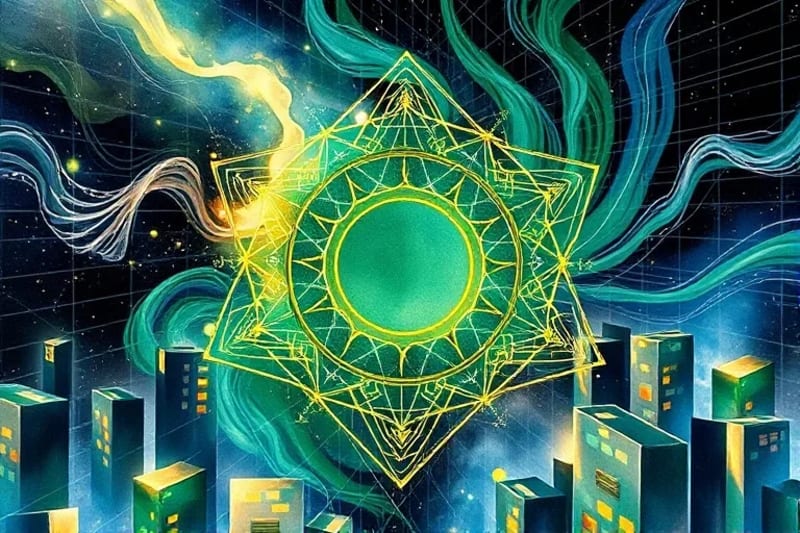
Understanding these energetic dynamics allows urban geomancers to identify areas of high vitality and areas that require energetic remediation. This involves not only observing the physical layout but also sensing the subtle atmosphere and feeling of a place. The goal is to create a symbiotic relationship between the built environment and the natural energetic matrix, ensuring that the city itself becomes a conduit for well-being rather than a source of energetic depletion.
Practical Applications for Urban Dwellings
For individuals living in cities, urban geomancy offers practical strategies to enhance their personal spaces. This goes beyond mere interior design, focusing on how the arrangement of a home or office impacts its energetic quality. Key areas of application include:
- Site Selection and Orientation: Even within a city, choosing a dwelling with good energetic flow is paramount. This involves considering the surrounding buildings, street layout, and proximity to natural elements. The orientation of the building relative to the sun and cardinal directions also plays a significant role in harnessing beneficial energies.
- Building Materials and Design: The materials used in construction can influence energy. Natural materials like wood, stone, and brick are often preferred for their grounding and harmonizing properties, while certain synthetic materials might disrupt energetic flow. The shape and form of buildings also matter; sharp angles can create 'cutting Chi,' while softer, rounded forms promote smoother energy.
- Internal Layout and Furniture Placement: Within a dwelling, the arrangement of rooms, doors, and windows dictates how Chi circulates. Clutter can create stagnation, while clear pathways allow energy to flow freely. Furniture placement, especially beds and desks, is crucial for optimizing personal well-being and productivity. For more detailed guidance, consider exploring Personalized Chinese Feng Shui: Home, Work, Energy.
- Color and Light: Colors have energetic vibrations that can affect mood and well-being. Natural light is vital for healthy Chi, and its strategic use can brighten spaces and uplift spirits. Artificial lighting should mimic natural light cycles as much as possible to support circadian rhythms.
By consciously applying these principles, urban dwellers can transform their living spaces into sanctuaries that support their physical, mental, and emotional health, creating a more harmonious urban existence.
Mitigating Urban Stress: EMFs and Geopathic Zones
Modern cities introduce unique energetic challenges, primarily from electromagnetic fields (EMFs) and geopathic stress zones. EMFs are generated by electronic devices, Wi-Fi, power lines, and cell towers, creating an invisible energetic smog that can disrupt human bio-fields and contribute to various health issues. Geopathic stress, on the other hand, refers to natural earth energies that become distorted or harmful, often due to underground water veins, fault lines, or mineral deposits. These can be exacerbated by urban construction.
Urban geomancy addresses these modern stressors by offering mitigation strategies. For EMFs, this includes strategic placement of devices, shielding techniques, and integrating natural materials that can help absorb or neutralize electromagnetic radiation. For geopathic stress, practitioners use dowsing or other sensing methods to identify problematic zones and recommend remedies such as placing specific crystals, plants, or even making structural adjustments to redirect or harmonize the energy.
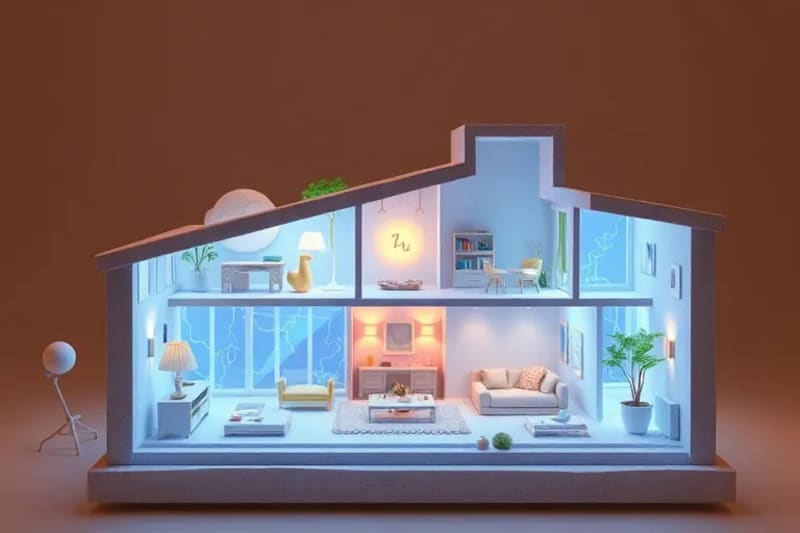
The goal is not to eliminate all urban technology but to create a balanced environment where its benefits can be enjoyed without undue energetic cost. By being mindful of these invisible influences, urban dwellers can proactively protect their energetic well-being and create more resilient living spaces. This approach aligns with the broader concept of Feng Shui Modern Spirituality: Harmonizing Virtual Well-being, which seeks to integrate ancient wisdom with contemporary challenges.
Integrating Green Spaces and Water Features
One of the most powerful ways to enhance urban geomancy is through the thoughtful integration of natural elements. Green spaces, such as parks, gardens, and even rooftop greenery, act as energetic lungs for the city, purifying the air and generating positive Chi. They provide a vital connection to nature, reducing stress and promoting a sense of calm and vitality. The presence of trees, plants, and flowers can significantly uplift the energetic quality of an urban area.
Water features, whether natural rivers, artificial fountains, or ponds, are also potent energetic enhancers. In geomancy, water is associated with wealth, abundance, and emotional flow. Strategically placed water features can attract and circulate beneficial Chi, creating a sense of peace and prosperity. The sound of flowing water can also be incredibly soothing, masking urban noise and contributing to a tranquil atmosphere. Even small indoor fountains can make a difference in personal dwellings.
Urban planners and architects are increasingly recognizing the importance of biophilic design, which seeks to connect building occupants more closely to nature. This aligns perfectly with urban geomancy's principles, emphasizing the need to weave natural elements into the urban fabric, not just for aesthetics but for profound energetic and psychological benefits. Creating accessible green corridors and vibrant public spaces is essential for the collective well-being of city residents.
The Future of Urban Geomancy: Sustainable and Conscious Design
As cities continue to expand and evolve, the principles of urban geomancy become even more critical. The future of urban planning must move beyond mere functionality and aesthetics to embrace a holistic understanding of how built environments interact with human well-being and planetary energies. This calls for a conscious design approach that integrates ancient wisdom with modern technology and ecological science.
Sustainable urban development, with its focus on renewable resources, energy efficiency, and ecological balance, naturally aligns with many geomantic principles. By designing cities that are in harmony with their natural surroundings, minimize their environmental footprint, and foster a sense of community, we can create spaces that are not only sustainable but also energetically vibrant. This involves collaborative efforts between urban planners, architects, landscape designers, and geomancy practitioners.
Ultimately, urban geomancy is about fostering a deeper respect for the Earth and recognizing our interconnectedness with all life. It encourages us to be mindful stewards of our environments, understanding that every structure we build and every space we inhabit has an energetic signature that impacts us. By consciously aligning our city dwellings with enhanced well-being and cosmic energies, we can create urban landscapes that truly nourish the human spirit and support a thriving future for all.
Explore Further: Related Insights
-
Feng Shui Modern Spirituality: Harmonizing Virtual Well-being
Discover how ancient Feng Shui principles adapt to the digital age, creating balanced virtual environments.
-
Historical Astrological Systems: Babylonian, Hellenistic Practices
Delve into the origins of cosmic understanding, exploring the foundational practices that shaped our perception of celestial influences.
-
Personalized Chinese Feng Shui: Home, Work, Energy
Learn to apply tailored Feng Shui principles to your living and working spaces for optimal energy flow and prosperity.
-
Astrology Manifestation: Planetary Transits for Goals
Harness the power of planetary movements to align your intentions and manifest your desires effectively.
Source: Hybrid content assisted by AI and human editorial supervision.


Comments
Post a Comment