
Astro-Archeology Unearthing Ancient Celestial Narratives Significance
Astro-archeology stands as a captivating interdisciplinary field, bridging the ancient past with the vast cosmos. It delves into the intricate ways ancient civilizations observed, understood, and integrated celestial phenomena into their cultures, architecture, and belief systems. Far from being mere stargazers, our ancestors were sophisticated astronomers, meticulously tracking planetary movements, solstices, equinoxes, and stellar alignments, often embedding this knowledge into monumental structures and complex mythologies. This discipline seeks to decipher these celestial narratives, revealing a profound connection between humanity and the universe that has shaped our collective history.
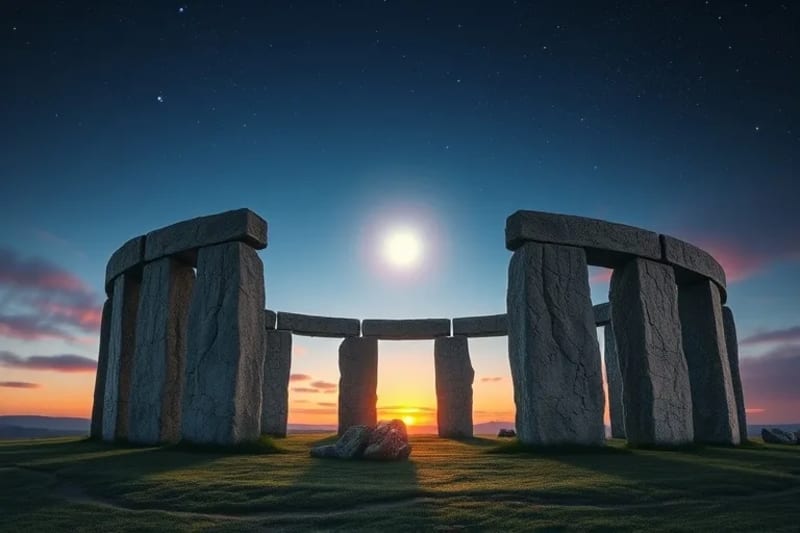
Ancient megalithic structures often reveal sophisticated astronomical alignments, reflecting a deep understanding of celestial cycles.
The study of astro-archeology is not merely about identifying astronomical alignments in ancient ruins. It encompasses a broader understanding of how these observations influenced social structures, religious practices, agricultural calendars, and even political power. By examining sites such as Stonehenge, the pyramids of Egypt, or the Mayan observatories, researchers gain insights into the scientific prowess and spiritual depth of cultures long past. This field offers a unique lens through which to appreciate the intellectual heritage of humanity, reminding us that the quest to understand our place in the cosmos is as old as civilization itself.
Table of Contents
- What is Astro-Archeology?
- Methodologies and Techniques
- Key Sites and Discoveries
- The Modern Significance of Ancient Celestial Narratives
- Challenges and Future Directions
What is Astro-Archeology?
Astro-archeology, also known as archaeoastronomy, is the study of how people in the past "understood the phenomena in the sky, how they used these phenomena, and what role the sky played in their cultures." This definition, proposed by Clive Ruggles, emphasizes the holistic nature of the discipline, moving beyond mere technical alignments to encompass the cultural and symbolic meanings attributed to celestial events.
It explores the astronomical knowledge of prehistoric and ancient cultures through the examination of their material remains, including architecture, artifacts, and written records. Unlike traditional astronomy, which focuses on the physical properties of celestial bodies, astro-archeology interprets the human response to the cosmos, revealing how celestial patterns influenced religious beliefs, social organization, and practical aspects of daily life, such as agriculture and navigation. The field draws upon archaeology, anthropology, history, and astronomy to reconstruct these ancient worldviews.
Methodologies and Techniques
The methodologies employed in astro-archeology are diverse, combining rigorous scientific analysis with careful cultural interpretation. Researchers often begin by identifying potential astronomical alignments in ancient structures or sites. This involves precise measurements of orientations, angles, and sightlines, often using modern surveying equipment and satellite imagery.
- Site Surveys and Measurements: Detailed mapping and measurement of ancient structures to identify orientations towards celestial events like solstices, equinoxes, and heliacal risings/settings of stars.
- Astronomical Calculations: Using historical astronomical data to reconstruct the sky as it would have appeared at the time the ancient sites were constructed. This accounts for precession, changes in the Earth's axial tilt, and other long-term astronomical phenomena.
- Ethnohistorical and Ethnographic Research: Studying historical texts, myths, and contemporary indigenous practices to understand the cultural context and symbolic meanings of celestial observations. This is crucial for interpreting the "why" behind the alignments.
- Statistical Analysis: Employing statistical methods to determine the probability that observed alignments are intentional rather than coincidental, strengthening the evidence for archaeoastronomical significance.
- Digital Reconstruction and Visualization: Using 3D modeling and virtual reality to recreate ancient sites and simulate celestial events from specific viewpoints within them, providing a dynamic understanding of their function.
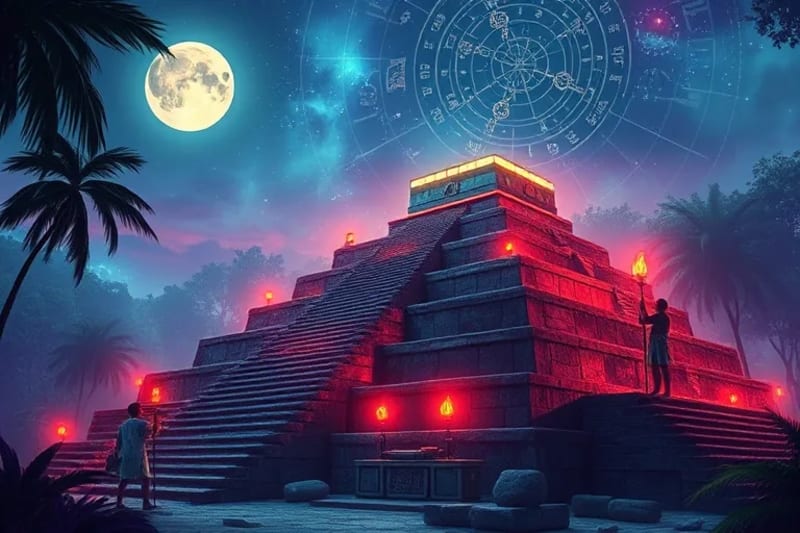
Ancient civilizations meticulously observed celestial phenomena, integrating their knowledge into daily life and monumental architecture.
One of the challenges lies in distinguishing intentional alignments from random chance. Therefore, astro-archeologists often look for multiple lines of evidence, including repetitive patterns across different sites, corroborating mythological accounts, and the presence of specialized astronomical instruments or calendars. Understanding the Hermetic Principles: Seven Universal Laws Explained can also provide a philosophical framework for appreciating the interconnectedness perceived by ancient cultures between the macrocosm and microcosm.
Key Sites and Discoveries
Across the globe, numerous sites bear witness to the astronomical sophistication of ancient peoples. These discoveries not only highlight their technical skills but also their profound spiritual and practical engagement with the cosmos.
| Site/Culture | Location | Key Astronomical Alignment/Feature | Significance |
|---|---|---|---|
| Stonehenge | Wiltshire, England | Summer Solstice sunrise, Winter Solstice sunset | Calendar, ritual site, possibly a celestial observatory. |
| Chichen Itza (El Castillo) | Yucatán, Mexico (Maya) | Equinox serpent shadow effect | Religious and agricultural calendar, connection to Kukulkan deity. |
| Giza Pyramids | Giza, Egypt (Ancient Egypt) | Aligned with cardinal directions; shafts pointing to specific stars (e.g., Orion's Belt, Thuban) | Pharaonic afterlife beliefs, connection to stellar deities. |
| Newgrange | County Meath, Ireland | Winter Solstice sunrise illuminates inner chamber | Passage tomb, ritual site, marking the shortest day of the year. |
| Machu Picchu (Intihuatana) | Cusco Region, Peru (Inca) | Stone pillar casts no shadow at noon on equinoxes | Solar calendar, agricultural timing, religious significance. |
These examples are just a few among countless sites worldwide that demonstrate the universal human impulse to connect with the cosmos. The precision of these alignments often required centuries of observation and accumulated knowledge, passed down through generations. The insights gained from these studies help us to understand not only the technical skills of these cultures but also their worldviews. For instance, the Shadow Self Jungian Archetype Integration Astrology project exemplifies how modern technology can aid in deciphering these complex ancient systems.
The Modern Significance of Ancient Celestial Narratives
The study of astro-archeology extends beyond historical curiosity; it holds significant modern relevance. Firstly, it enriches our understanding of human intellectual development, demonstrating that scientific inquiry and complex thought are not solely modern phenomena. Ancient peoples developed sophisticated astronomical models without telescopes or advanced mathematics, relying instead on keen observation and empirical data accumulated over millennia. This reminds us of the enduring human capacity for innovation and discovery.
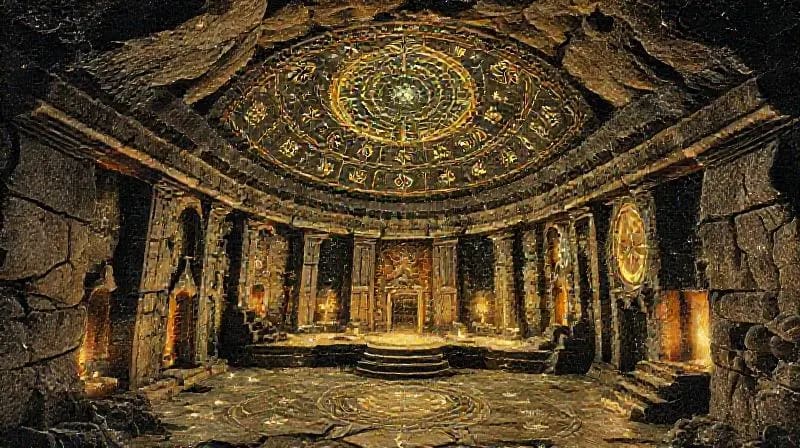
Digital reconstructions reveal the intricate astronomical principles embedded within ancient architectural designs.
Secondly, these ancient celestial narratives offer valuable perspectives on our relationship with the natural world. Many ancient cultures viewed the cosmos as an integral part of their existence, a living entity that influenced earthly events and human destiny. This holistic worldview contrasts sharply with modern tendencies to compartmentalize science and spirituality. Reconnecting with these perspectives can foster a deeper appreciation for environmental cycles and the interconnectedness of all things. It also provides insights into the origins of astrology and its development across various cultures, from the Cosmic Sociology Digital Age: AI Consciousness Global Shifts to Western traditions.
Furthermore, astro-archeology contributes to cultural preservation and indigenous rights. Many archaeoastronomical sites are sacred to descendant communities, and their study can help validate and revitalize traditional knowledge systems. By understanding the astronomical significance of these places, we can better protect them and ensure their cultural heritage is respected and understood. This interdisciplinary approach allows us to map holistic influences, bridging ancient wisdom with contemporary understanding.
Challenges and Future Directions
Despite its profound contributions, astro-archeology faces several challenges. The interpretation of ancient sites can be subjective, and distinguishing intentional alignments from coincidental ones requires careful statistical rigor and multidisciplinary expertise. The destruction of sites due to natural erosion, conflict, or modern development also poses a significant threat to further research. Moreover, deciphering the full cultural and symbolic meaning behind astronomical practices often relies on fragmented evidence, demanding a nuanced and cautious approach.
Future directions in astro-archeology are promising, driven by advancements in technology and a growing global interest in ancient knowledge. The use of remote sensing technologies, such as LiDAR and ground-penetrating radar, can reveal previously undiscovered sites and alignments. Virtual reality and augmented reality offer new ways to experience and analyze ancient sky-watching practices, allowing researchers and the public to "walk through" ancient observatories and witness celestial events as they would have appeared millennia ago. Continued collaboration between archaeologists, astronomers, anthropologists, and indigenous communities will be crucial for unlocking the remaining secrets of ancient celestial narratives and ensuring their ethical study and preservation.
The field of astro-archeology continues to evolve, pushing the boundaries of our understanding of human history and our enduring connection to the cosmos. As we unearth more evidence of ancient celestial wisdom, we gain a deeper appreciation for the ingenuity and spiritual depth of civilizations that looked to the stars for guidance, meaning, and a sense of their place in the universe.
This ongoing journey of discovery not only sheds light on the past but also inspires us to look upwards with renewed wonder, much like our ancestors did.
Explore More Celestial Insights
- Chinese Zodiac Archetypes
- Zodiac Decanates
- Astrological Timing Business
- Chinese Zodiac Baby Names
- Rabbit Horoscope
- Mars Sign Explained
- Mesoamerican Astrology AI
- Chiron Birth Chart
- Digital Feng Shui
- Navigating Astral Planes
- Astro-Botany: Celestial Influences Plant Growth Energetics
- Multiple Retrograde Planets
- Chiron in Houses
Source: Hybrid content assisted by AI and human editorial supervision.


Comments
Post a Comment