
Digital Dream Weaving AI Subconscious Symbolism
Dreams have long been considered a gateway to the subconscious mind, offering cryptic messages and profound insights into our inner workings. From ancient shamans interpreting visions to modern psychoanalysts dissecting narratives, humanity has consistently sought to decipher the nocturnal theater of the mind. However, the complexity and subjective nature of dreams often leave individuals struggling to unlock their deeper meanings.
In an era defined by technological advancement, a new frontier is emerging in dream exploration: Digital Dream Weaving. This innovative approach leverages artificial intelligence (AI) to assist in the intricate process of analyzing dream content, identifying patterns, and interpreting symbolism. It promises a more structured, accessible, and potentially personalized understanding of our nocturnal experiences, bridging the gap between ancient wisdom and cutting-edge technology.
This article delves into the fascinating world of AI-assisted dream exploration, examining how digital tools are transforming our ability to weave coherent narratives from the often-fragmented tapestry of our dreams. We will explore the mechanisms, benefits, ethical considerations, and future potential of this burgeoning field, offering a comprehensive overview for those curious about the intersection of technology, psychology, and esotericism.
Table of Contents
- Historical Context of Dream Interpretation
- The Rise of AI in Dream Analysis
- Mechanisms of Digital Dream Weaving
- Benefits of AI-Assisted Dream Exploration
- Challenges and Ethical Considerations
- Practical Applications and Future Trends
- The Human Element in Digital Dream Weaving
Historical Context of Dream Interpretation
For millennia, dreams have captivated humanity, serving as sources of prophecy, divine messages, psychological insight, and creative inspiration. Ancient civilizations, from the Egyptians and Greeks to indigenous cultures worldwide, developed sophisticated systems for dream interpretation. These methods often involved priests, shamans, or designated dream interpreters who would use symbolic dictionaries, spiritual rituals, and intuitive understanding to decipher dream narratives.
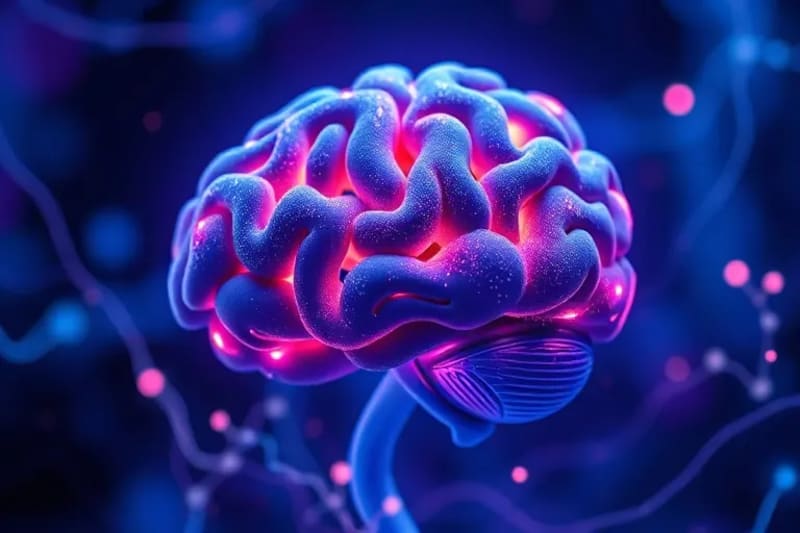
Exploring the intricate interplay between advanced technology and the profound depths of human consciousness, where digital pathways illuminate the symbolic landscapes of our nocturnal visions.
Conceptual render generated by AI, reflecting the article's theme of technological integration with subconscious exploration.
In the modern era, figures like Sigmund Freud and Carl Jung revolutionized dream analysis, shifting the focus from external omens to internal psychological processes. Freud viewed dreams as "the royal road to the unconscious," a disguised fulfillment of repressed wishes. Jung, on the other hand, emphasized the collective unconscious and archetypes, seeing dreams as compensatory mechanisms that help individuals achieve psychological balance and individuation.
Despite these advancements, dream interpretation remains a highly subjective and often challenging endeavor. The sheer volume of dream content, the fluidity of symbols, and the personal context of each dreamer make universal interpretations difficult. This inherent complexity has paved the way for technological solutions, seeking to bring a new level of analytical rigor to this ancient practice.
The Rise of AI in Dream Analysis
The advent of artificial intelligence, particularly in areas like natural language processing (NLP) and machine learning, has opened unprecedented avenues for analyzing complex data sets. Dreams, with their rich narrative structures, recurring themes, and symbolic language, present an ideal domain for AI application. Digital Dream Weaving harnesses these capabilities to process, categorize, and interpret dream reports on a scale previously unimaginable.
AI systems can rapidly sift through vast amounts of textual data from dream journals, identifying patterns, correlations, and anomalies that might escape human observation. This includes tracking the frequency of certain symbols, the emotional tone associated with specific dream elements, and the recurrence of themes across multiple dreams. By doing so, AI acts as a powerful assistant, augmenting human intuition rather than replacing it.
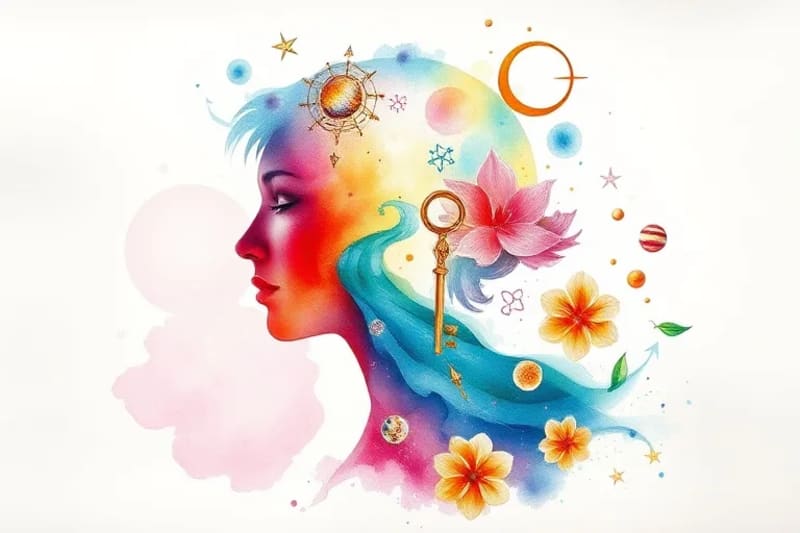
An artistic representation of the mind as a vessel for a flowing stream of symbols, reflecting the dynamic and often enigmatic nature of our inner dream worlds.
The application of AI in this field is still evolving, but its potential is immense. It moves beyond simple keyword matching to contextual understanding, attempting to grasp the nuances of dream narratives. This is particularly relevant when considering the concepts discussed in Jungian Synchronicity Planetary Transits: Collective Unconscious Shifts, where understanding subtle connections and patterns is paramount. AI can help map these personal and collective symbolic landscapes.
Mechanisms of Digital Dream Weaving
Digital Dream Weaving involves several sophisticated AI techniques working in concert:
- Natural Language Processing (NLP): This is the cornerstone. AI models use NLP to parse dream descriptions, identify key entities (people, objects, places), extract verbs and actions, and understand the emotional tone (sentiment analysis) of the dream narrative. Advanced NLP can even detect metaphors and abstract concepts.
- Symbolic Databases and Knowledge Graphs: AI systems are trained on vast databases of dream symbols, mythological archetypes, cultural references, and psychological theories. These are often structured as knowledge graphs, allowing the AI to understand relationships between different symbols and concepts (e.g., water can symbolize emotions, cleansing, or the unconscious).
- Pattern Recognition and Machine Learning: Algorithms identify recurring themes, symbols, or emotional states across an individual's dream reports over time. Machine learning models can learn an individual's unique symbolic language, refining their interpretations as more data is provided. This personalization is crucial for accurate insights.
- Contextual Analysis: Beyond individual symbols, AI attempts to understand the dream's overall context, narrative flow, and how different elements interact. It can cross-reference dream content with real-life events or emotional states reported by the user, if provided.
These mechanisms allow AI to construct a more holistic picture of the dream, moving beyond simplistic "dream dictionaries" to offer nuanced interpretations that consider the dreamer's personal history and current life circumstances. The goal is to provide a comprehensive framework for understanding the messages from the subconscious.
Benefits of AI-Assisted Dream Exploration
The integration of AI into dream analysis offers a multitude of benefits for personal growth and psychological well-being:
- Enhanced Self-Awareness: By providing structured interpretations and highlighting recurring patterns, AI can help individuals gain deeper insights into their hidden fears, desires, conflicts, and aspirations. This can lead to significant breakthroughs in self-understanding.
- Accessibility: Dream interpretation, traditionally requiring professional guidance or extensive self-study, becomes more accessible to a wider audience. AI tools can offer initial analyses, making the practice less intimidating and more engaging.
- Personalized Insights: As AI learns from an individual's input, it can offer increasingly personalized interpretations, recognizing the unique symbolic language of each dreamer. This moves beyond generic meanings to highly relevant personal insights.
- Therapeutic Potential: For individuals undergoing therapy, AI-assisted dream analysis can serve as a valuable adjunct, providing additional data points and perspectives for discussion with a therapist. It can help track emotional progress and identify underlying issues.
- Creative Inspiration: Dreams are a wellspring of creativity. AI can help artists, writers, and innovators extract themes, imagery, and narratives from their dreams, fueling their creative endeavors in novel ways.
These benefits underscore the transformative potential of Digital Dream Weaving, offering a powerful tool for navigating the complex landscape of the subconscious. The insights gained can complement practices such as those explored in Astro-Psychology: Integrating Astrology with Modern Psychotherapy, where understanding personal narratives and psychological archetypes is key.
Challenges and Ethical Considerations
While the potential of AI in dream analysis is vast, several challenges and ethical considerations must be addressed:
- Subjectivity and Nuance: Dreams are inherently subjective. AI, while advanced, may struggle with the subtle nuances, cultural specificities, and highly personal associations that give symbols their true meaning for an individual. Over-reliance on AI could lead to misinterpretations if human context is ignored.
- Privacy and Data Security: Dream journals contain highly sensitive personal information. Ensuring robust data encryption, anonymization, and strict privacy policies is paramount to protect users' most intimate thoughts and feelings.
- Over-Reliance and Loss of Intuition: There is a risk that users might become overly dependent on AI interpretations, potentially diminishing their own intuitive capacity to understand their dreams. The human element of self-reflection and personal insight remains irreplaceable.
- Bias in AI Training Data: If the symbolic databases or training data for AI models contain cultural or psychological biases, these biases could be perpetuated in the interpretations provided to users. Continuous auditing and diversification of data sources are essential.
- Misinformation and Misinterpretation: Inaccurate or poorly contextualized AI interpretations could lead to anxiety, confusion, or even harmful self-diagnoses. AI should always be presented as an assistive tool, not an authoritative oracle.
Addressing these concerns requires a thoughtful, interdisciplinary approach, combining technological innovation with psychological expertise and ethical oversight. Transparency in how AI models work and clear disclaimers about their limitations are crucial.
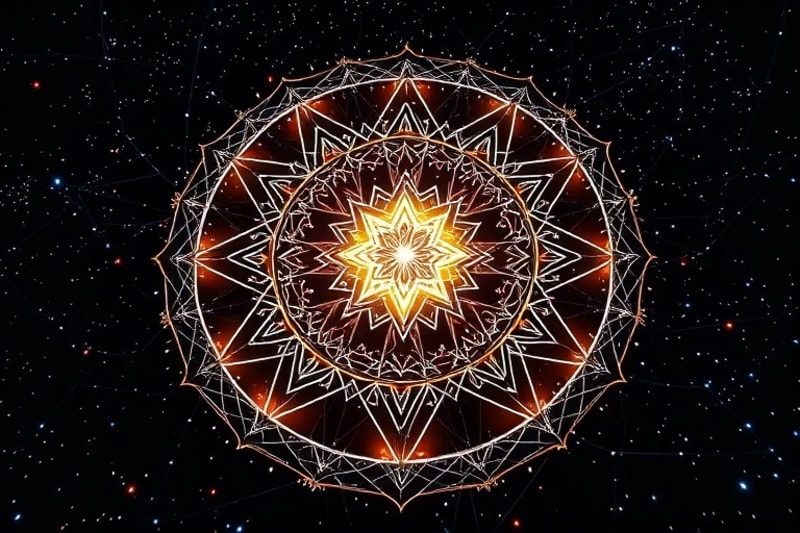
A conceptual visualization of artificial intelligence meticulously processing and connecting fragmented dream data, forming a cohesive narrative of subconscious meaning.
Practical Applications and Future Trends
Currently, Digital Dream Weaving is primarily found in specialized apps and platforms that offer AI-powered dream journaling and interpretation. Users typically input their dream narratives, and the AI provides analyses, identifies recurring symbols, and suggests potential meanings. These tools often include features for tracking dream patterns over time and correlating them with daily moods or events.
Future trends in this field are likely to include:
- Integration with Wearable Tech: Devices that monitor sleep stages could potentially feed data into AI systems, correlating dream content with physiological states (e.g., REM sleep, heart rate variability).
- Advanced Personalization: AI will become even more adept at learning individual symbolic languages, offering hyper-personalized interpretations that evolve with the user's psychological development.
- Interactive Dream Exploration: AI could facilitate interactive dialogues about dreams, asking clarifying questions to help users explore their dream content more deeply, similar to a guided therapeutic session.
- Cross-Cultural Dream Analysis: Developing AI models that can accurately interpret dreams across diverse cultural contexts, acknowledging the different symbolic meanings prevalent in various societies.
- Therapeutic AI Companions: AI could evolve into sophisticated companions that not only interpret dreams but also offer guided exercises or prompts for self-reflection based on dream insights, always under human supervision.
As AI technology continues to advance, the possibilities for understanding our inner worlds will expand exponentially. This evolution aligns with broader trends in digital wellness and personalized mental health support.
The Human Element in Digital Dream Weaving
It is crucial to emphasize that Digital Dream Weaving is not about replacing human intuition or the profound process of self-discovery. Instead, AI serves as a powerful co-pilot, an analytical engine that can process vast amounts of information and highlight patterns that might otherwise remain hidden. The ultimate interpretation and integration of dream insights must always remain with the individual.
The human element provides the essential context, emotional understanding, and personal resonance that AI cannot fully replicate. Dreams are deeply personal narratives, intertwined with our unique life experiences, cultural backgrounds, and emotional landscapes. AI can offer a framework, but the dreamer must ultimately imbue that framework with personal meaning.
Therefore, the most effective approach to Digital Dream Weaving involves a collaborative synergy: AI provides the data-driven analysis and pattern recognition, while the human dreamer brings intuition, self-reflection, and personal context to forge a holistic understanding. This partnership promises a richer, more profound journey into the subconscious, empowering individuals to unlock the wisdom that lies within their dreams.
Explore More Insights
Delve deeper into the fascinating connections between consciousness, technology, and ancient wisdom with our curated selection of articles:
- Cosmic Sociology: Celestial Mechanics, Global Consciousness, Birth Charts
- Moon Spiritual Significance: Western Astrology Insights
- Advanced Astrological Ethics AI Divination Consciousness
Source: Hybrid content assisted by AI and human editorial supervision.


Comments
Post a Comment