
Asteroid Goddesses: Modern Synastry Insights
In the intricate tapestry of astrological analysis, synastry serves as a profound lens through which we can understand the dynamics between two individuals. While traditional synastry primarily focuses on the interplay of the Sun, Moon, and personal planets, the inclusion of asteroid goddesses offers an unparalleled depth, revealing nuanced layers of psychological and emotional connection that often remain hidden. These celestial bodies, though smaller than planets, carry potent archetypal energies derived from their mythological counterparts, enriching our understanding of relationship compatibility and challenges.
The modern astrological landscape has increasingly embraced these minor planets, recognizing their capacity to illuminate specific themes such as nurturing, commitment, wisdom, and sacred devotion within a partnership. By examining the positions of Ceres, Pallas Athena, Juno, and Vesta in a synastry chart, astrologers can uncover subtle yet powerful influences that shape how individuals interact, support, and challenge each other. This article delves into the significant role these asteroid goddesses play in contemporary synastry, offering insights into their individual meanings and their collective impact on relational dynamics.
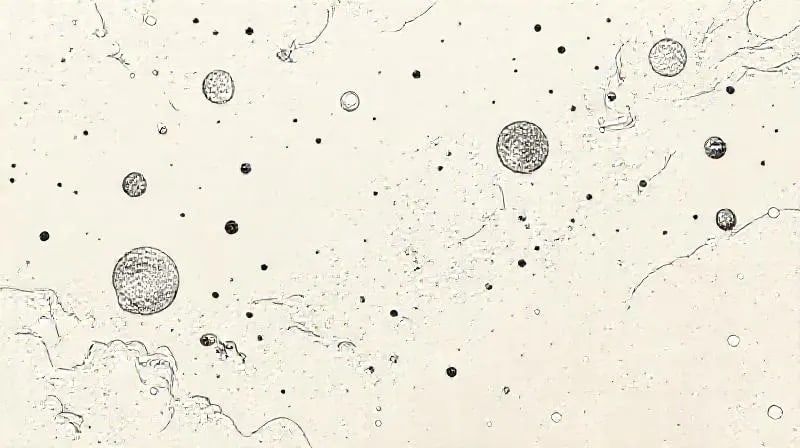
Precursors intellectuales, diagramas fundamentales y representaciones conceptuales que forjaron la visión de los principios astrológicos sobre la interconexión cósmica y las relaciones humanas.
This evocative image, a conceptual AI rendering, blends the cosmic with the mythological, illustrating the profound archetypal energies that celestial bodies bring to our understanding of human connections and the intricate dance of relationships.Table of Contents
- Historical Context and Astrological Integration
- Key Asteroid Goddesses and Their Archetypes in Synastry
- Synastry: The Art of Relationship Astrology
- Integrating Asteroid Goddesses in Synastry Analysis
- Modern Interpretations and Psychological Depth
- Challenges and Nuances in Asteroid Synastry
Historical Context and Astrological Integration
The discovery of asteroids began in the early 19th century, with Ceres being the first to be identified in 1801, followed by Pallas, Juno, and Vesta in quick succession. Initially, these celestial bodies were merely astronomical curiosities. However, as astrological thought evolved, particularly in the mid-20th century with a greater emphasis on psychological astrology, the potential significance of these minor planets began to be explored. Astrologers started correlating their mythological namesakes with specific archetypal energies and psychological functions, finding them to be remarkably insightful.
The integration of asteroid goddesses into astrological practice marked a significant shift, moving beyond the traditional planetary pantheon to embrace a more nuanced and expansive view of human experience. These asteroids, often representing aspects of the feminine divine and specific life lessons, filled gaps in the existing astrological framework. They provided additional layers of meaning, particularly concerning areas like self-worth, relationships, healing, and personal power, which were not always fully articulated by the major planets alone. Their influence is subtle but profound, acting as specific filters or amplifiers of planetary energies.
Key Asteroid Goddesses and Their Archetypes in Synastry
Each of the primary asteroid goddesses embodies a distinct archetypal energy that contributes uniquely to synastry analysis. Understanding these individual roles is crucial for interpreting their combined influence in a relationship chart.

The symbolic representation of Ceres, focusing on themes of nurturing, sustenance, and the cyclical nature of growth and loss.
This detailed oil painting, a conceptual artwork, beautifully captures the essence of Ceres through symbolic objects, reflecting her mythological domain over agriculture, motherhood, and the profound experiences of giving and receiving.Ceres: The Nurturer and Griever
Named after the Roman goddess of agriculture, Ceres represents our capacity to nurture and be nurtured, our relationship with food, family, and the cycles of loss and attachment. In synastry, Ceres highlights how individuals care for each other, where they seek emotional sustenance, and how they cope with separation or grief within the relationship. A harmonious Ceres connection can indicate a deeply supportive and caring bond, while challenging aspects might point to issues around codependency, control, or unfulfilled emotional needs.
Pallas Athena: The Strategist and Warrior
Pallas Athena, the goddess of wisdom, strategy, and justice, symbolizes our intellectual prowess, creative intelligence, and ability to navigate conflict with diplomacy and skill. In synastry, Pallas reveals how partners approach problem-solving, intellectual compatibility, and their shared or differing strategies for achieving goals. Strong Pallas connections can signify a relationship built on mutual respect for intellect and a shared approach to life's challenges, while difficult aspects might suggest intellectual clashes or a struggle for strategic dominance.
Juno: The Partner and Consort
Juno, the queen of the gods and goddess of marriage and partnership, represents commitment, loyalty, and the desire for a significant, binding relationship. In synastry, Juno is paramount for understanding the nature of commitment, expectations within a partnership, and the dynamics of equality and fidelity. Harmonious Juno aspects often indicate a strong desire for marriage or a deep, lasting partnership, while challenging aspects can highlight issues of jealousy, possessiveness, or struggles with commitment and fairness. This asteroid is particularly potent in compatibility readings, revealing unspoken needs for recognition and validation within the union.
Vesta: The Devotee and Sacred Flame
Vesta, the goddess of the hearth and sacred fire, symbolizes focus, devotion, spiritual integrity, and the capacity for sacred sexuality. In synastry, Vesta illuminates where individuals find their sacred space, their devotion to a cause or each other, and how they express their inner purity and spiritual connection. A strong Vesta connection can indicate a relationship with deep spiritual resonance, mutual dedication, and a shared sense of purpose. Challenging aspects might reveal issues around personal boundaries, sacrifice, or a struggle to maintain individual integrity within the partnership.

An abstract composition illustrating the interplay of strategic wisdom and committed partnership, central to the influence of Pallas Athena and Juno.
This sophisticated 3D render, a conceptual art piece, visually interprets the complex dynamics of intellectual strategy and enduring commitment, reflecting the core energies of Pallas Athena and Juno in a relationship context.Synastry: The Art of Relationship Astrology
Synastry is the astrological technique of comparing two birth charts to assess the dynamics of a relationship. It involves overlaying one chart onto another and analyzing the aspects (angles) formed between the planets and points of each person. Traditionally, synastry focuses on how the Sun, Moon, Mercury, Venus, Mars, Jupiter, Saturn, Uranus, Neptune, and Pluto interact, revealing areas of harmony, tension, attraction, and growth.
The core principle of synastry is that each person's chart acts as a unique energetic blueprint. When these blueprints meet, they create a third entity – the relationship itself. Aspects between planets indicate how different parts of each individual's personality and life purpose resonate or clash with the other. For instance, a Venus-Mars aspect might indicate strong physical attraction, while a Moon-Saturn aspect could point to emotional challenges or a sense of responsibility. Understanding these fundamental interactions provides the bedrock upon which the more subtle influences of the asteroid goddesses can be layered.
Integrating Asteroid Goddesses in Synastry Analysis
When integrating asteroid goddesses into synastry, astrologers look for significant aspects between one person's asteroid and another person's planets or points, or between the asteroids themselves. The house placement of these asteroids in the partner's chart is also highly significant, indicating the life area where these archetypal energies will manifest most strongly.
Here are some key considerations for interpreting asteroid goddess aspects:
- Conjunctions: These are the most potent aspects, indicating a direct blending of energies. For example, Person A's Juno conjunct Person B's Venus could signify a strong desire for commitment and partnership that is deeply intertwined with Person B's capacity for love and affection.
- Oppositions: These aspects highlight areas of polarity and potential projection. Person A's Ceres opposite Person B's Moon might suggest a dynamic where nurturing needs or styles are perceived as conflicting, leading to a push-pull in emotional support.
- Squares: Squares denote tension and challenges that require conscious effort to integrate. A Pallas Athena square Mars could indicate strategic clashes or a need to constructively channel intellectual differences into shared action.
- Trines and Sextiles: These harmonious aspects suggest ease and flow. A Vesta trine Sun might indicate a natural alignment in spiritual devotion or a shared sense of purpose that enhances individual identity.
- House Overlays: Where an asteroid falls in a partner's natal chart reveals the life area where its energy will be most expressed. For instance, Person A's Juno in Person B's 7th House (partnership) strongly emphasizes the theme of commitment and marriage in their interaction.
The asteroid goddesses often act as a bridge between the personal planets (Moon, Mercury, Venus, Mars) and the outer planets (Uranus, Neptune, Pluto), adding a layer of psychological depth that traditional synastry might miss. They can explain subtle attractions, unstated needs, or recurring patterns in relationships that are not immediately apparent from the major planetary aspects alone. For a deeper dive into planetary cycles, consider exploring Chrono-Astrology and Personal Time Cycles.
Modern Interpretations and Psychological Depth
In modern astrology, the asteroid goddesses are not merely seen as extensions of planetary archetypes but as distinct voices that articulate specific facets of human experience, particularly those related to the feminine principle, personal empowerment, and psychological integration. Their re-emergence in astrological discourse aligns with a broader societal shift towards recognizing and valuing diverse expressions of identity and relationship structures.
For example, Ceres in synastry can shed light on attachment styles and how early childhood experiences of nurturing (or lack thereof) play out in adult relationships. Pallas Athena can reveal patterns of creative problem-solving and how partners collaborate intellectually, or where they might clash over methods and approaches. Juno speaks directly to our expectations of partnership and what we seek in a committed union, often highlighting both our conscious and unconscious desires for a mate. Vesta, on the other hand, delves into the spiritual and devotional aspects, showing where we find sacred meaning and how we maintain personal integrity within a shared life.
These insights are invaluable for couples seeking to understand their dynamics on a deeper level, moving beyond superficial compatibility to explore core psychological needs and archetypal drives. They provide a framework for discussing sensitive topics and fostering empathy, allowing partners to appreciate the rich complexity of their shared journey. This approach resonates with the exploration of Quantum Leap Consciousness, bridging the tangible and the metaphysical in understanding human connections.
Challenges and Nuances in Asteroid Synastry
While the asteroid goddesses offer profound insights, their interpretation in synastry comes with its own set of challenges and nuances. One common pitfall is over-interpretation or assigning too much weight to minor aspects. It is crucial to remember that the major planets and angles still form the backbone of any synastry analysis, with the asteroids adding layers of detail rather than overriding fundamental themes.
Another consideration is the sheer number of asteroids available. While Ceres, Pallas, Juno, and Vesta are the most commonly used, there are thousands of named asteroids, each with its own mythological association. Astrologers must judiciously select which asteroids to include in their analysis, focusing on those that resonate most strongly with the client's questions or the relationship's known dynamics. The key is to use them to refine and deepen understanding, not to complicate it unnecessarily.
Furthermore, the interpretation of asteroid goddesses is still evolving. While there are established archetypal meanings, individual astrologers may have slightly different interpretations based on their experience and research. This fluidity allows for a more personalized and intuitive approach but also requires a solid grounding in mythological understanding and astrological principles. Just as with spiritual awakening through natal charts, the insights gained are deeply personal and require careful discernment.
In conclusion, the asteroid goddesses represent a vital expansion of modern synastry, offering a richer, more nuanced understanding of relationship dynamics. By integrating Ceres, Pallas Athena, Juno, and Vesta into relationship analysis, astrologers can uncover deeper psychological patterns, emotional needs, and archetypal drives that shape how individuals connect, commit, and evolve together. Their inclusion transforms synastry from a basic compatibility check into a profound tool for self-discovery and relational growth, illuminating the intricate dance between two souls.
Explore More Astrological Insights
- Monkey Zodiac Advanced Career Strategies Success | StarPluto
- Feng Shui Digital Nomads: Harmonizing Virtual Spaces Well-being
- Horse Chinese Zodiac: Elemental Traits Explained | StarPluto
- 2025 Horoscope Forecast: Global Personal Trends & Astrological Insights | StarPluto
- Cosmic Sociology: AI Ethics & Digital Collective Consciousness
- Astro-Archeology Celestial Narratives Ancient Civilizations Esoteric Symbolism
- Urban Geomancy: Aligning City Dwellings Celestial Well-being
- Zodiac Archetypes: Hero's Journey Through Sun Signs
- Akashic Records Natal Chart Synthesis Soul Blueprint
- Algorithmic Enchantment: AI-Generated Sigils, Sacred Art
- Zodiacal Releasing Profections: Hellenistic Timings Modern Life Paths
- Leo: Charisma, Passion and Noble Heart of the Western Zodiac | AstroFuturo
- Dragon Ox Compatibility: Opposites Attract or Clash? | AstroFuturo
- Karmic Eclipses: Transformation, Spiritual Evolution, Predictions
Source: Hybrid content assisted by AI and human editorial supervision.


Comments
Post a Comment