
Techno-Shamanism: Bridging Ancient Rituals Digital Healing
In an increasingly interconnected yet often disconnected world, a fascinating new paradigm is emerging at the intersection of ancient wisdom and cutting-edge technology: Techno-Shamanism. This innovative approach seeks to bridge the profound spiritual practices of traditional shamanism with the vast capabilities of digital tools and modern science. Far from being a mere juxtaposition, techno-shamanism represents a deliberate effort to leverage technology for spiritual growth, healing, and community building in the 21st century.
This article delves into the essence of techno-shamanism, exploring its historical underpinnings, the digital tools it employs, its core principles, and the ethical considerations surrounding its practice. We will examine how this contemporary movement reinterprets ancient rituals, offering new pathways for self-discovery and collective transformation in the digital age.
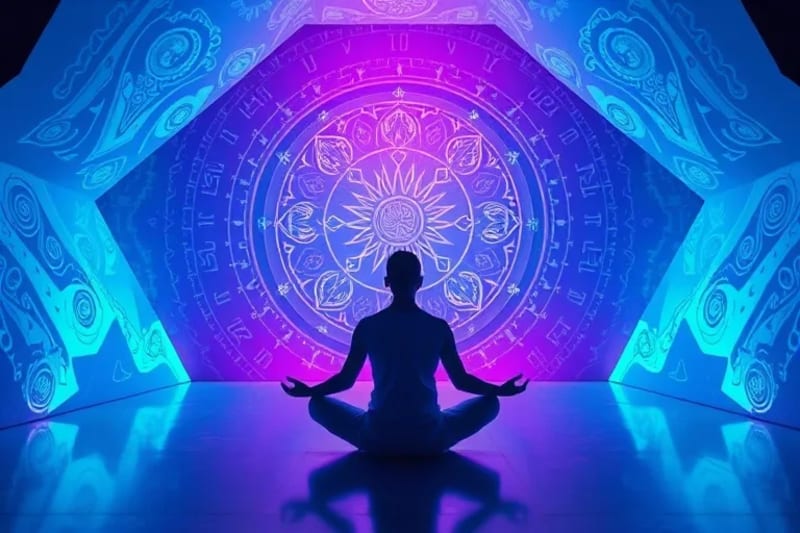
Precursors, conceptual frameworks, and visionary representations that define the fusion of ancient spiritual practices with modern technological innovation.
Fuente visual sujeta a disponibilidad del ecosistema: Wikimedia Commons bajo licencia CC BY-SA 4.0 o renderizado conceptual IA.
Table of Contents
- Introduction to Techno-Shamanism
- Historical Roots and Modern Evolution
- Digital Tools in Shamanic Practice
- Core Principles and Contemporary Applications
- Benefits and Ethical Considerations
- The Future of Techno-Shamanism
Introduction to Techno-Shamanism
Techno-shamanism is a contemporary spiritual movement that integrates traditional shamanic practices with modern technology. It acknowledges the enduring human need for spiritual connection, healing, and meaning-making, while recognizing the transformative potential of digital advancements. This fusion is not about replacing ancient wisdom but rather augmenting it, making it accessible and relevant to the challenges and opportunities of the 21st century.
At its core, techno-shamanism posits that technology, often perceived as a force for distraction or alienation, can also serve as a powerful conduit for spiritual exploration. It reimagines digital interfaces, virtual realities, and biofeedback devices as tools for entering altered states of consciousness, facilitating inner journeys, and fostering communal spiritual experiences. The goal is to harness the precision and reach of technology to deepen spiritual insight and promote holistic well-being.
This emergent field invites practitioners to explore how virtual spaces can become sacred groves, how bio-data can inform personal spiritual practices, and how AI can act as a guide in decoding subconscious symbolism. It's a dynamic and evolving practice that challenges conventional notions of spirituality and technology, opening up new frontiers for personal and collective evolution.
Historical Roots and Modern Evolution
To understand techno-shamanism, one must first appreciate the rich history of traditional shamanism. Shamanism, one of the oldest spiritual practices known to humanity, involves a practitioner (shaman) who acts as a bridge between the human world and the spirit world. Shamans typically enter altered states of consciousness to communicate with spirits, perform healing, retrieve lost souls, and guide their communities.
These practices, found across diverse indigenous cultures worldwide, often involve drumming, chanting, dance, and the use of entheogens to induce trance states. The core functions of a shaman – healing, divination, and community guidance – remain central to the techno-shamanic ethos, albeit recontextualized for a modern, technologically saturated environment. The concept of "spiritual cleanse rituals" for clearing negative energy, for example, finds new expression through digital practices, as explored in articles like Spiritual Cleanse Rituals: Clearing Negative Energy.
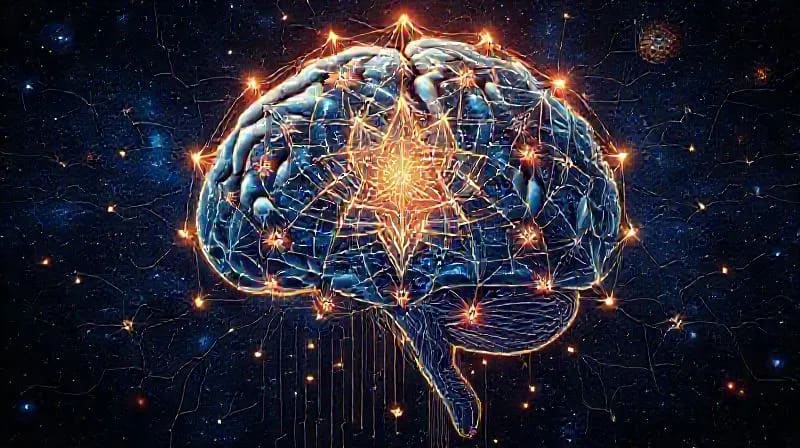
The intricate connection between digital thought patterns and the enduring power of ancestral symbols.
The evolution towards techno-shamanism began with the increasing accessibility of information about shamanic traditions, coupled with rapid technological advancements. Thinkers and practitioners started to ponder how digital tools could replicate or enhance aspects of shamanic journeying, community ritual, and personal transformation. This led to a conceptual shift, where technology is no longer seen as antithetical to spirituality but as a potential ally.
Modern techno-shamanism draws inspiration from various fields, including cybernetics, transhumanism, and consciousness studies. It recognizes that the digital realm, with its capacity for immersive experiences and global connectivity, offers unprecedented opportunities to explore consciousness and build new forms of spiritual community. This approach is particularly appealing to individuals seeking spiritual paths that resonate with their contemporary lifestyles and technological fluency.
Digital Tools in Shamanic Practice
The "techno" in techno-shamanism refers to the intentional and creative use of various digital technologies to facilitate shamanic experiences. These tools are employed not as ends in themselves, but as means to access deeper states of consciousness, enhance sensory perception, and foster spiritual connection.
- Virtual Reality (VR) and Augmented Reality (AR): VR headsets can create immersive virtual environments, allowing practitioners to embark on guided "spiritual journeys" to digital spirit worlds, encounter archetypal figures, or visualize healing processes. AR can overlay digital elements onto the physical world, transforming ordinary spaces into sacred ones.
- Biofeedback and Wearable Technology: Devices that monitor physiological data (heart rate, brainwaves, skin conductance) can provide real-time feedback, helping individuals learn to regulate their own states of consciousness. This can aid in achieving meditative or trance-like states, similar to traditional shamanic drumming. The integration of such technologies for self-discovery is also explored in topics like Biometric Divination Biofeedback Intuition Self-Discovery Digital.
- Artificial Intelligence (AI) and Machine Learning: AI algorithms can be used to analyze patterns in personal data, dreams, or even collective human consciousness to offer insights or guidance. For instance, AI can assist in interpreting complex symbolism in dreams, providing a modern parallel to traditional dream interpretation. This is a burgeoning field, as highlighted in AI Dream Interpretation: Decoding Subconscious Symbolism.
- Digital Sound and Light Therapy: Binaural beats, isochronic tones, and specific light frequencies delivered through digital devices can entrain brainwaves, facilitating relaxation, focus, or altered states conducive to spiritual work.
- Online Communities and Platforms: The internet allows for the formation of global techno-shamanic communities, enabling shared rituals, collective healing intentions, and mentorship across geographical boundaries. These platforms can host virtual ceremonies, workshops, and discussions.
Core Principles and Contemporary Applications
Despite the technological overlay, techno-shamanism remains rooted in fundamental shamanic principles. These include the belief in interconnectedness, the importance of intention, the power of ritual, and the pursuit of healing on multiple levels – physical, emotional, mental, and spiritual.
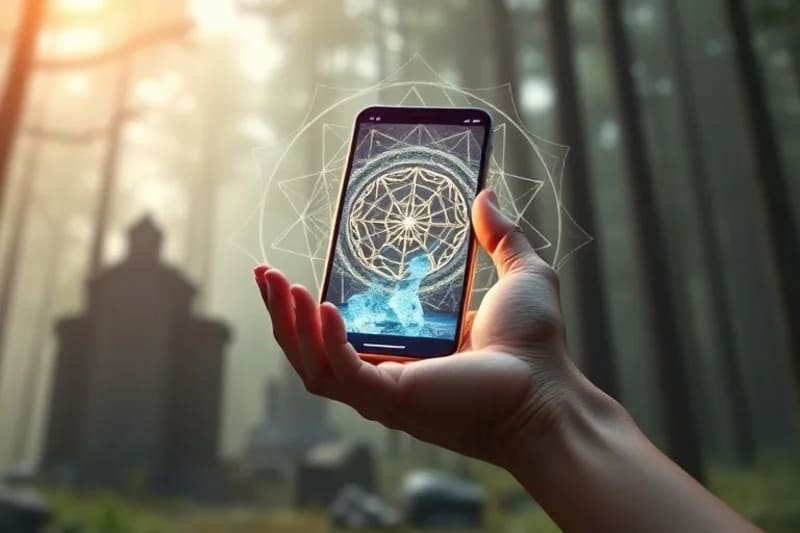
The modern interface as a conduit to activate and interact with ancient spiritual artifacts.
Contemporary Applications:
- Digital Journeying: Using VR to create personalized spirit animal encounters or ancestral journeys, allowing individuals to explore their inner landscapes in a controlled and immersive environment.
- Bio-Spiritual Integration: Combining biofeedback data with meditation or breathwork to optimize states for spiritual insight or healing. For example, using heart rate variability to guide a deep trance state.
- AI-Assisted Divination: While traditional methods like Runes Divination: Interpreting Ancient Nordic Symbols offer profound insights, AI can process vast amounts of symbolic data to provide personalized interpretations or predictive insights, acting as a digital oracle.
- Remote Healing Circles: Facilitating group healing sessions through video conferencing platforms, where participants share intentions, engage in guided meditations, and send energetic support across distances.
- Consciousness Expansion through Digital Art: Creating generative art or soundscapes that respond to bio-data or collective input, designed to induce altered states and foster a sense of unity.
The core idea is to use technology to amplify the shamanic experience, making it more accessible, customizable, and potentially more impactful for individuals who resonate with digital interfaces. It transforms the solitary journey into a potentially shared, digitally-enhanced adventure.
Benefits and Ethical Considerations
Techno-shamanism offers several compelling benefits, particularly in a world grappling with isolation and a search for meaning. However, it also raises important ethical questions that practitioners and participants must address thoughtfully.
Benefits:
- Accessibility: Digital tools can make spiritual practices available to individuals who might not have access to traditional shamanic communities or teachers due to geographical, physical, or financial constraints.
- Personalization: Technology allows for highly customized experiences, tailoring spiritual journeys, soundscapes, and visual stimuli to individual needs and preferences.
- Enhanced Immersion: VR and AR can create deeply immersive environments that facilitate profound altered states and visual experiences, potentially deepening spiritual insights.
- Community Building: Online platforms foster global communities of like-minded individuals, providing support, shared experiences, and a sense of belonging.
- Data-Driven Insight: Biofeedback and AI can offer objective data points that complement subjective spiritual experiences, providing a new layer of understanding about one's inner states.
Ethical Considerations:
- Authenticity and Cultural Appropriation: There is a critical need to approach traditional shamanic practices with respect and avoid superficial appropriation. Techno-shamans must be mindful of the origins of the rituals they adapt and ensure they are not trivializing or commodifying sacred traditions.
- Digital Addiction and Disconnection: While technology can connect, it can also lead to over-reliance and disconnection from the physical world and genuine human interaction. Balancing digital immersion with grounding in nature and real-world relationships is crucial.
- Data Privacy and Security: The use of biofeedback and AI raises concerns about personal data collection, privacy, and how this sensitive information is stored and utilized.
- Commercialization and Gatekeeping: The potential for commercial exploitation of techno-shamanic tools and experiences needs careful monitoring to prevent spiritual practices from becoming purely profit-driven.
- Psychological Safety: Entering altered states, even digitally induced ones, requires careful guidance and preparation. Ensuring the psychological safety of participants, especially those with pre-existing mental health conditions, is paramount.
The Future of Techno-Shamanism
The field of techno-shamanism is still in its nascent stages, yet its potential for growth and evolution is immense. As technology continues to advance, so too will the possibilities for integrating digital tools into spiritual practices. We can anticipate more sophisticated VR environments that adapt in real-time to a user's emotional state, AI guides that offer personalized spiritual mentorship, and biofeedback systems that provide deeper insights into the mind-body connection.
The future may also see a greater emphasis on collective techno-shamanic experiences, where groups of individuals can participate in shared virtual rituals, fostering a sense of global consciousness and interconnectedness. This could lead to new forms of digital activism and collective healing, addressing planetary challenges through shared spiritual intention. The integration of advanced concepts like astro-genomics and epigenetic karmic blueprints, as discussed in Advanced Astro-Genomics Epigenetic Karmic Blueprints DNA, might also find a place in future techno-shamanic practices, offering a scientific lens to spiritual self-discovery.
However, the success and ethical development of techno-shamanism will depend on a conscious commitment to its core values: respect for ancient traditions, a focus on genuine healing and transformation, and a mindful approach to technology. It is a path that requires continuous discernment, ensuring that the pursuit of digital enhancement does not overshadow the profound wisdom of human spirituality.
Ultimately, techno-shamanism invites us to reconsider the boundaries between the sacred and the technological, suggesting that our digital tools, when wielded with intention and wisdom, can become powerful allies in our ongoing quest for meaning, connection, and holistic well-being.
Comparison: Traditional vs. Techno-Shamanism
| Feature | Traditional Shamanism | Techno-Shamanism |
|---|---|---|
| Tools for Altered States | Drumming, chanting, dance, entheogens, nature immersion. | VR/AR, biofeedback, digital sound/light, AI, online platforms. |
| Environment | Natural settings (forests, caves), sacred physical spaces. | Virtual realities, digitally augmented physical spaces, online communities. |
| Community Interaction | Local, in-person rituals and ceremonies, direct mentorship. | Global online communities, virtual rituals, remote mentorship. |
| Healing Modalities | Energy work, plant medicine, soul retrieval, spiritual guidance. | Digital visualizations, biofeedback-guided healing, AI-assisted insights, remote energetic work. |
| Access & Reach | Limited by geography, cultural background, and physical presence. | Potentially global, accessible to diverse populations, customizable. |
| Ethical Concerns | Authenticity of practitioners, misuse of power, cultural sensitivity. | Cultural appropriation, data privacy, digital addiction, commercialization. |
Related Articles
Source: Hybrid content assisted by AI and human editorial supervision.


Comments
Post a Comment