
Urban Geomancy: Aligning City Dwellings for Cosmic Harmony
In an increasingly urbanized world, where concrete jungles dominate landscapes and digital screens often replace natural vistas, the ancient wisdom of geomancy offers a profound pathway to re-establish harmony. Urban geomancy is an evolving discipline that seeks to understand and optimize the energetic relationship between human dwellings, city structures, and the subtle forces of the cosmos. It's a practice rooted in the belief that our built environments profoundly influence our well-being, health, and overall life experience.
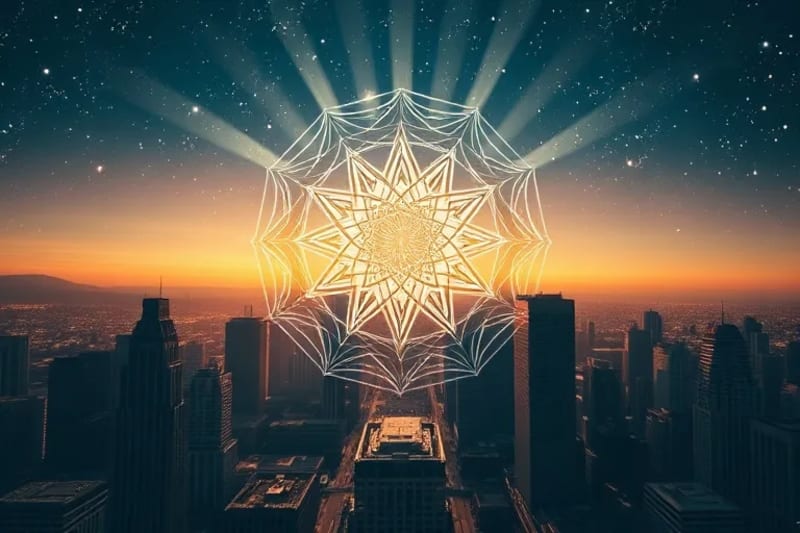
A modern city skyline at dawn, illustrating the subtle connection between urban structures and celestial energies, symbolizing geomantic alignment.
This interdisciplinary approach merges principles from traditional geomancy, such as Feng Shui and Vastu Shastra, with contemporary urban planning, architecture, and environmental psychology. It moves beyond merely aesthetics or functionality, delving into the unseen energetic currents that shape our daily lives. By consciously designing and arranging our urban spaces, we can foster environments that support physical health, mental clarity, emotional balance, and spiritual growth.
As cities expand and become more complex, the need for such holistic approaches grows. Urban geomancy provides a framework to transform potentially stressful and chaotic environments into sanctuaries of peace and productivity, ensuring that our urban existence is not just sustainable, but also deeply nourishing for the human spirit.
Table of Contents
- What is Urban Geomancy?
- Historical Roots and Modern Adaptation
- Core Principles of Urban Geomancy
- Benefits of Geomantic Urban Design
- Applying Geomancy in Modern Urban Spaces
- Practical Steps for Urban Dwellers
- Urban Geomancy vs. Traditional Feng Shui
- The Future of Harmonious City Living
What is Urban Geomancy?
Urban geomancy is the art and science of aligning city dwellings and infrastructure with the Earth's natural energy fields and celestial influences. It is founded on the premise that everything in the universe is interconnected, and these connections manifest as subtle energy flows, often referred to as "Qi" in Eastern traditions or "ley lines" in Western esotericism. In an urban context, this involves understanding how buildings, roads, parks, and waterways interact with these energies and how they, in turn, affect the inhabitants.
Unlike traditional geomancy, which often focuses on individual homes in rural settings, urban geomancy specifically addresses the complexities of dense populations, towering structures, and extensive networks of infrastructure. It considers factors such as the flow of traffic, the electromagnetic fields generated by technology, the impact of artificial lighting, and the collective consciousness of a city. The goal is to create spaces that mitigate negative energetic influences and amplify positive ones, leading to healthier and more vibrant communities.
This practice is not about superstition but about a holistic understanding of environment. It integrates knowledge from various fields, including earth sciences, astronomy, architecture, and psychology, to create a comprehensive framework for urban living. By consciously shaping our surroundings, we can foster a deeper connection to both the Earth and the cosmos, even amidst the hustle and bustle of city life.
Historical Roots and Modern Adaptation
The roots of geomancy stretch back thousands of years, with evidence found in ancient civilizations across the globe. From the alignment of Egyptian pyramids and megalithic structures like Stonehenge to the intricate city planning of the Mayans and the principles of Feng Shui in ancient China, humans have long recognized the importance of site selection and orientation in relation to cosmic and terrestrial forces. These ancient practices were often intertwined with spiritual beliefs, astronomical observations, and an intuitive understanding of natural patterns.
In China, Feng Shui, meaning "wind-water," developed as a sophisticated system for arranging buildings and objects to optimize the flow of Qi. Similarly, India's Vastu Shastra provided guidelines for architectural design based on cosmic energies. These traditions emphasized factors such as cardinal directions, the flow of water, and the presence of mountains or hills, all aimed at creating auspicious living environments. These ancient wisdom traditions offer profound insights into how our astrological houses and physical spaces can be interconnected.
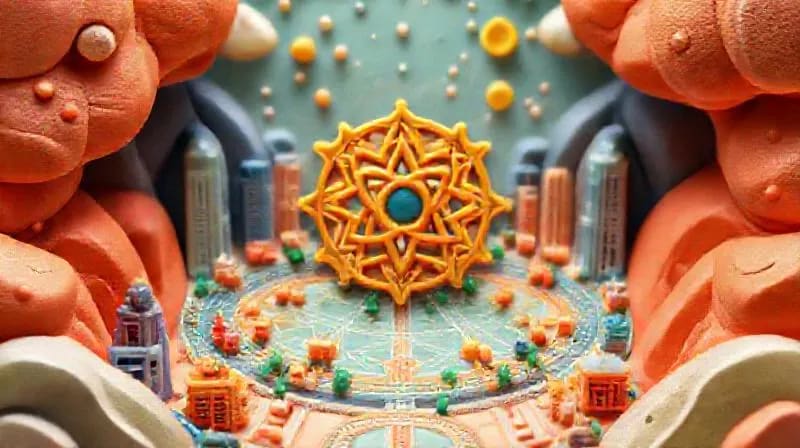
An intricate vector art diagram illustrating the flow of vital energy (Qi) through a modern city grid, connecting buildings and natural elements.
The modern adaptation of geomancy, particularly urban geomancy, recognizes that while the fundamental principles remain timeless, their application must evolve to suit contemporary urban environments. Today, geomancers consider new elements like urban heat islands, noise pollution, artificial light pollution, and the pervasive presence of electromagnetic frequencies (EMFs). The challenge is to integrate ancient wisdom with modern science and technology to create harmonious urban ecosystems. This involves not just individual buildings but also the broader urban fabric, including parks, public spaces, and transportation networks, aiming for a more conscious and balanced approach to city development.
Core Principles of Urban Geomancy
Urban geomancy operates on several core principles that guide the assessment and optimization of energetic flows within a city. Understanding these principles is crucial for anyone looking to apply geomantic wisdom to their urban dwelling or community.
- Qi Flow and Ley Lines: The concept of Qi, or vital life force, is central. In cities, Qi flows through streets, buildings, and open spaces. Urban geomancy seeks to identify areas where Qi is stagnant, chaotic, or blocked, and then implement strategies to enhance its smooth and beneficial circulation. Ley lines, often seen as energetic pathways on Earth, are also considered, though their urban manifestations might be more subtle, influenced by infrastructure.
- Cardinal Directions and Orientation: The orientation of buildings and rooms relative to the cardinal directions (North, South, East, West) is critical. Each direction is associated with specific energies, elements, and influences that can impact various aspects of life. Proper orientation can harness beneficial cosmic energies, while misalignment can lead to imbalances.
- The Five Elements (Wood, Fire, Earth, Metal, Water): Derived from Chinese philosophy, the five elements represent different qualities of energy and are used to analyze and balance spaces. In urban geomancy, these elements are applied to materials, colors, shapes, and even the functions of different city zones to create a harmonious energetic composition.
- Form and Landscape (Urban Topography): While traditional geomancy focuses on natural mountains and rivers, urban geomancy adapts this to the built environment. Skyscrapers can act as "mountains," and roads or waterways as "rivers," influencing the flow of energy. The shape and height of surrounding buildings, as well as the presence of parks or plazas, are all taken into account.
- Electromagnetic Fields (EMFs) and Geopathic Stress: Modern urban environments are saturated with EMFs from electronics, Wi-Fi, and power lines. Geopathic stress, caused by natural underground disturbances, can also impact health. Urban geomancy addresses these modern challenges by identifying sources of harmful radiation and suggesting mitigation strategies to protect inhabitants.
These principles, when applied thoughtfully, can transform a mundane urban space into a vibrant and supportive environment, fostering well-being and productivity for its occupants.
Benefits of Geomantic Urban Design
The conscious application of urban geomancy principles offers a myriad of benefits, extending beyond mere aesthetics to profoundly impact the quality of life for city dwellers. These advantages can be observed on both individual and community levels, fostering a more sustainable and harmonious urban existence.
- Enhanced Well-being and Health: By optimizing energetic flows and mitigating negative environmental stressors, geomantically designed spaces can reduce stress, improve sleep quality, and boost overall physical and mental health. A balanced environment supports the body's natural healing processes and promotes vitality.
- Increased Productivity and Creativity: Harmonious surroundings can foster greater focus, concentration, and creative thinking. When people feel comfortable and energized in their environment, they are naturally more productive and innovative, whether in their homes or workplaces.
- Improved Relationships and Community Cohesion: Spaces designed with geomantic principles can encourage positive social interactions and a stronger sense of community. Public areas that facilitate beneficial energy flow can become vibrant hubs for connection, reducing feelings of isolation often prevalent in large cities.
- Greater Sense of Peace and Calm: Urban life can be overwhelming. Geomancy aims to create pockets of tranquility within the urban sprawl, offering residents places to recharge and find inner peace. This can be achieved through careful planning of green spaces, water features, and mindful architectural choices.
- Sustainable and Resilient Urban Environments: By aligning with natural energies and considering the long-term impact of design choices, urban geomancy contributes to more sustainable development. It encourages the use of natural materials, efficient resource management, and designs that work with, rather than against, the environment.
- Deeper Connection to Nature and Cosmos: Even in dense cities, geomancy helps re-establish a connection to the natural world and celestial rhythms. This can be through incorporating natural elements, designing views that capture natural light, or orienting structures to significant astronomical events, reminding inhabitants of their place within the larger cosmic order. This deep connection can be further explored through practices like biofeedback mindfulness.
Ultimately, the benefits of urban geomancy lead to cities that are not just functional, but truly nurturing, supporting the holistic development of their inhabitants.
Applying Geomancy in Modern Urban Spaces
Applying geomantic principles in modern urban spaces requires a nuanced approach, blending ancient wisdom with contemporary challenges and opportunities. It's not always about grand new constructions but often about subtle adjustments and thoughtful interventions within existing structures and communities.
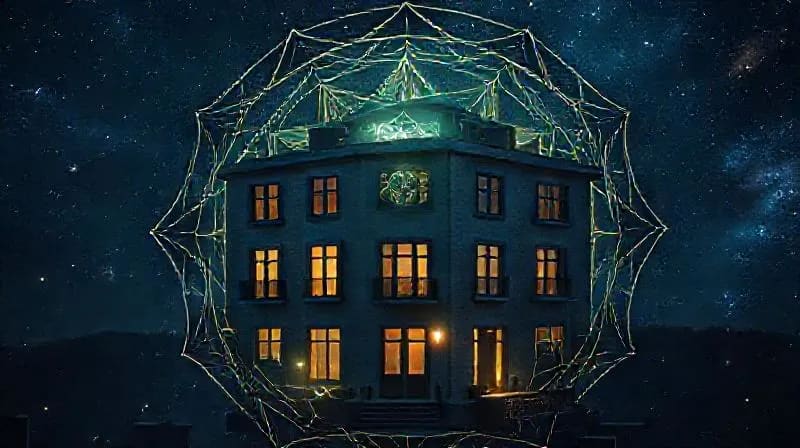
A detailed 3D render of an urban dwelling, showcasing architectural features optimized for geomantic principles, integrating subtle energy points for cosmic harmony.
For urban planners and architects, this means considering geomantic assessments during the initial phases of city development or redevelopment projects. Factors such as the overall layout of streets, the placement of public buildings, the integration of green corridors, and the management of water bodies are crucial. The goal is to design cities that breathe, where energy can flow freely and supportively, rather than being trapped or disrupted.
For existing buildings, geomantic interventions can involve redesigning entrances to optimize Qi flow, strategically placing windows to capture beneficial light and views, or using specific materials and colors to balance elemental energies. Even the choice of artwork or the arrangement of furniture can have an impact. The focus is on creating micro-environments that resonate with cosmic harmony, even within a larger, less optimized urban fabric.
Public spaces, such as parks, plazas, and community centers, are also prime candidates for geomantic application. Designing these areas to encourage positive social interaction, provide respite from urban stress, and connect people with natural elements can transform them into vital community assets. This holistic approach ensures that the urban environment is not just a place to live and work, but a space that actively contributes to the well-being of its inhabitants. Understanding Lunar Mansions in Chinese Astrology can further inform the timing and placement of such geomantic adjustments.
Practical Steps for Urban Dwellers
Even without undertaking major renovations, urban dwellers can implement several practical steps to enhance the geomantic harmony of their personal living spaces. These small changes can collectively make a significant difference in fostering a more supportive and energizing home environment.
- Declutter and Organize: Clutter creates stagnant energy. Regularly decluttering your home, especially entrances and common areas, allows Qi to flow more freely. Organization brings clarity and reduces mental stress.
- Optimize Natural Light and Airflow: Maximize natural light by keeping windows clean and curtains open during the day. Ensure good ventilation to bring fresh Qi into your home. If natural light is limited, use full-spectrum lighting.
- Incorporate Natural Elements: Bring plants into your home to introduce living energy and purify the air. Water features, even small tabletop fountains, can also enhance Qi flow and create a calming atmosphere. Natural materials like wood, stone, and cotton also contribute positively.
- Mindful Furniture Arrangement: Arrange furniture to support easy movement and conversation. Avoid placing large items that block pathways or create oppressive feelings. Ensure your bed offers a commanding view of the door but is not directly in line with it.
- Use Colors and Art Strategically: Colors evoke different energies. Choose colors that support the desired mood for each room (e.g., calming blues for bedrooms, vibrant greens for living areas). Select artwork that inspires and uplifts, avoiding images that depict sadness or aggression.
- Mitigate EMFs: Reduce exposure to electromagnetic fields by turning off Wi-Fi routers at night, keeping electronic devices out of the bedroom, and using wired connections where possible. Consider EMF-shielding solutions for particularly sensitive areas.
- Sound and Scent: Use soothing sounds like chimes or calming music. Incorporate essential oils or natural incense to create pleasant and energetically uplifting scents, avoiding artificial fragrances.
By consciously applying these simple principles, urban residents can transform their dwellings into personal sanctuaries that nurture their well-being and promote cosmic harmony.
Urban Geomancy vs. Traditional Feng Shui
While urban geomancy shares many foundational concepts with traditional Feng Shui, particularly its emphasis on Qi and environmental harmony, there are distinct differences in their scope and application. Understanding these distinctions helps clarify the unique contribution of urban geomancy to modern city living.
| Feature | Urban Geomancy | Traditional Feng Shui |
|---|---|---|
| Primary Focus | Holistic energetic alignment of entire urban environments, including infrastructure, public spaces, and individual dwellings. | Optimization of energy flow (Qi) within individual buildings and their immediate surroundings, often in more natural settings. |
| Environmental Factors | Considers modern urban stressors: EMFs, noise pollution, artificial light, traffic flow, urban heat islands. | Primarily focuses on natural landscape features: mountains, rivers, wind patterns, and their interaction with structures. |
| Scale of Application | Macro (city planning, neighborhoods) and Micro (individual apartments, offices). | Primarily Micro (homes, businesses). |
| Interdisciplinary Nature | Integrates urban planning, architecture, environmental science, psychology, and traditional geomancy. | Rooted in Chinese metaphysics, astronomy, and traditional architecture. |
| Adaptability | Highly adaptable to existing urban structures and modern technological advancements. | Can be adapted, but its core tenets are often best applied to new constructions or less dense environments. |
While Feng Shui remains a powerful tool for optimizing individual spaces, urban geomancy offers a broader, more contemporary lens through which to view and interact with the complex energetic tapestry of our cities. It acknowledges that the urban environment itself is a living, breathing entity, and its health directly impacts the health of its inhabitants.
The Future of Harmonious City Living
As global urbanization continues at an unprecedented pace, the principles of urban geomancy are becoming increasingly relevant. The future of harmonious city living lies in a conscious integration of ancient wisdom with cutting-edge technology and sustainable practices. This means moving beyond purely utilitarian urban design to create cities that are not only functional but also deeply nurturing for the human spirit.
Imagine cities where every building, park, and street is designed with an awareness of its energetic impact. Where public spaces are vibrant hubs of positive Qi, fostering community and well-being. Where homes are sanctuaries that support rest, rejuvenation, and personal growth. This vision of geomantically aligned cities is not a utopian dream but a tangible goal achievable through interdisciplinary collaboration and a renewed respect for the subtle forces that shape our existence.
The integration of urban geomancy into mainstream urban planning and architectural education could lead to a paradigm shift in how we conceive and construct our cities. It offers a powerful framework for creating environments that promote physical health, mental clarity, emotional balance, and spiritual connection, transforming our concrete jungles into true havens of cosmic harmony. By embracing these principles, we can build cities that not only house humanity but also help it thrive in profound and sustainable ways.
The urban environment, though man-made, is not separate from the natural order. Its structures, layouts, and energetic flows are deeply intertwined with the well-being of its inhabitants. Conscious design, informed by geomantic principles, is essential for fostering cities that truly support life.
Related Articles
- Critical Degrees Fixed Stars: Fated Events Astrology | StarPluto
- Saturn Astrology: Discipline, Karma, Structure in Your Chart | StarPluto
- Eclipses Astrology Portals Change Transformation Guide | StarPluto
- Astrology Social Anxiety: Emotional Management Tools | AstroFuturo
- Biohacking Longevity Extremes Genomic Cellular Strategies | Althox
Source: Hybrid content assisted by AI and human editorial supervision.


Comments
Post a Comment