
Feng Shui Digital Nomads: Harmonizing Remote Work Spaces
In an increasingly interconnected world, the rise of digital nomadism has transformed how and where we work. While the freedom to work from anywhere is exhilarating, it also presents unique challenges, particularly in maintaining productivity, focus, and overall well-being. This is where the ancient Chinese art and science of Feng Shui offers invaluable insights. Feng Shui, which literally translates to "wind and water," is a practice of arranging elements in a space to optimize the flow of energy, or Chi, thereby enhancing harmony and prosperity.
For digital nomads, who often find themselves working from temporary setups, co-working spaces, or even bustling cafes, applying Feng Shui principles can seem daunting. However, the core tenets are universally applicable and can be adapted to any environment, regardless of its size or permanence. By understanding and implementing these principles, remote workers can create a sanctuary that supports their professional goals and personal health, turning any location into a productive and inspiring hub. This guide will explore practical Feng Shui tips tailored specifically for the unique lifestyle of digital nomads, helping them harmonize their remote work spaces and foster well-being.
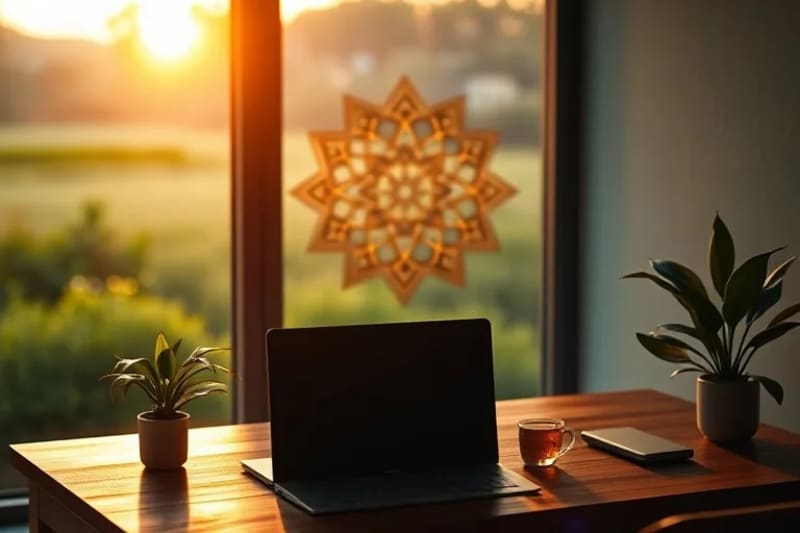 A serene and well-organized remote workspace, designed to foster focus and well-being for the modern digital nomad.
Understanding Feng Shui for the Modern Nomad
Feng Shui is an ancient philosophical system of harmonizing everyone with the surrounding environment. It's about understanding how energy flows and arranging your space to attract positive Chi, which can influence your health, wealth, relationships, and career. For digital nomads, this means creating a work environment that is not only functional but also energetically supportive, no matter where they are in the world.
The core idea is to create balance and flow, avoiding stagnant or chaotic energy that can lead to stress and reduced productivity. This isn't about superstition; it's about optimizing your physical and psychological environment. Just as Western Astrology explores the influence of celestial bodies on human lives, Feng Shui examines the impact of our immediate surroundings. By consciously designing your workspace, you can mitigate the challenges of remote work, such as isolation, lack of routine, and blurred boundaries between work and personal life.
The Foundation: Chi, Yin/Yang, and the Five Elements
At the heart of Feng Shui are three fundamental concepts: Chi, Yin and Yang, and the Five Elements. Understanding these provides the framework for all practical applications.
- Chi (Qi): This is the vital life force or energy that flows through everything. In Feng Shui, the goal is to ensure Chi flows smoothly and gently, rather than rushing or becoming stagnant. A workspace with good Chi feels inviting, inspiring, and productive.
- Yin and Yang: These are opposing yet complementary forces. Yin represents feminine, dark, passive, cool, and receptive qualities, while Yang represents masculine, light, active, warm, and assertive qualities. A balanced environment incorporates both, preventing extremes that can lead to discomfort or imbalance. For a workspace, this means balancing active (Yang) work areas with calm (Yin) resting spots.
- The Five Elements (Wood, Fire, Earth, Metal, Water): These elements represent different types of energy and are used to describe interactions and cycles in nature and within our spaces. Each element is associated with specific colors, shapes, materials, and emotions. For instance, Wood relates to growth and creativity, while Water relates to wisdom and flow. Balancing these elements in your workspace can enhance specific aspects of your work life. This concept is similar to Elemental Synastry, which explores how elemental dynamics influence relationships, but here applied to your environment.
By consciously integrating these principles, digital nomads can create a dynamic and supportive environment, even in transient locations. The goal is to cultivate a space that actively contributes to their creative flow and overall sense of well-being, aligning with universal principles much like those discussed in the Holograma Realidad: Manipulando Ley Atracción Hermetismo Avanzado.
Strategic Placement: Optimizing Your Workspace Location
The location of your workspace, even within a single room, is paramount in Feng Shui. The "commanding position" is crucial: you should be able to see the door without being directly in line with it. This gives you a sense of control and security, preventing you from being surprised by incoming energy or people.
- Avoid Facing a Wall: If possible, don't sit facing a blank wall, as this can symbolize limitations and block creativity. If unavoidable, place an inspiring image or a mirror (carefully positioned not to reflect the door or other distractions) on the wall.
- Back to a Solid Wall: Having a solid wall behind you provides support and stability, metaphorically and literally. Avoid sitting with your back to a window, as this can make you feel exposed and unsupported, leading to anxiety. If a window is behind you, use heavy curtains or a tall plant to create a sense of backing.
- Clear the Path: Ensure the path to your workspace is clear and unobstructed. Clutter can block the flow of Chi and make you feel overwhelmed before you even start working.
- Avoid Beams or Sloped Ceilings: Working directly under a beam or a sloped ceiling can create oppressive energy, leading to headaches or a sense of being weighed down. If you cannot move, use fabric to soften the impact or place a plant beneath it.
Designing Your Desk: Clutter, Direction, and Support
Your desk is the epicenter of your work energy. Its arrangement significantly impacts your focus and productivity. A clean, organized desk promotes clear thinking and efficient work flow.
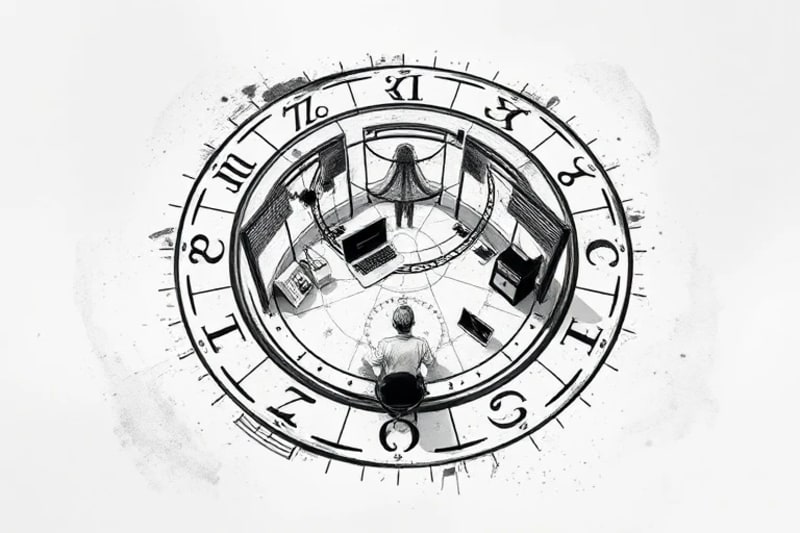
 An artistic representation of harmonious energy flow, illustrating the balanced integration of elements within a productive environment.
Declutter Regularly: Clutter is stagnant energy. Regularly clear your desk of unnecessary items. Only keep what you need for the task at hand. This also applies to digital clutter – organize your files and desktop.
Desk Material and Shape: Wooden desks are generally preferred as they represent the Wood element, promoting growth and creativity. Rectangular desks are stable and practical. Avoid glass desks if possible, as they can make you feel unsupported or like ideas are "slipping through." If you have one, place a solid mat under your keyboard.
The Bagua Map on Your Desk: You can apply a simplified Bagua map to your desk to enhance specific areas:
| Desk Area | Feng Shui Association | Recommended Items |
|---|---|---|
| Top Left | Wealth & Prosperity | Plant, small money tree, object symbolizing abundance |
| Middle Left | Family & Health | Photo of loved ones, healthy plant |
| Bottom Left | Knowledge & Wisdom | Books, reference materials, journal |
| Center | Health & Well-being | Clear and open space for your work |
| Top Right | Relationships & Love | Paired objects, fresh flowers |
| Middle Right | Creativity & Children | Art supplies, inspiring objects, items related to artistic spirit |
| Bottom Right | Helpful People & Travel | Phone, contact list, travel memento |
| Top Center | Fame & Reputation | Awards, business cards, small lamp |
| Bottom Center | Career & Path in Life | Computer, keyboard, mouse (your main work tools) |
Ergonomics and Comfort: Beyond Feng Shui, ensure your chair is comfortable and supportive. Good posture is essential for physical well-being and maintaining energy levels throughout the day.
Color, Light, and Sound: Sensory Harmony
The sensory aspects of your workspace profoundly impact your mood and concentration. Feng Shui emphasizes creating an environment that stimulates positive senses while minimizing distractions.
- Color Psychology: Colors are powerful energy influencers.
- Greens and Blues: Promote calm, growth, and creativity. Excellent for focus.
- Yellows and Oranges: Bring warmth, optimism, and stimulate communication. Use sparingly to avoid overstimulation.
- Whites and Grays: Represent clarity and efficiency. Use as base colors, but balance with warmer tones to avoid sterility.
- Reds: Energizing and passionate, but can be too intense for a workspace. Use as accents for motivation.
- Natural Light: Maximize natural light whenever possible. It boosts mood, energy, and reduces eye strain. Position your desk to receive ample light without direct glare on your screen. If natural light is limited, use full-spectrum bulbs that mimic daylight.
- Artificial Lighting: Ensure adequate task lighting to prevent shadows and strain. A desk lamp with adjustable brightness is ideal. Avoid harsh overhead fluorescent lights.
- Sound Environment: Minimize distracting noises. If you're in a noisy environment, consider noise-canceling headphones. Incorporate calming sounds like soft instrumental music, nature sounds, or a small tabletop water fountain to promote relaxation and focus.
Integrating Nature and Managing Technology
Bringing elements of nature into your workspace and managing the impact of technology are vital for a balanced Feng Shui environment.
 A conceptual 3D render showcasing an impeccably organized and optimized digital nomad workspace, emphasizing functionality and well-being.
Indoor Plants: Plants are living Chi enhancers. They bring the Wood element, symbolizing growth, vitality, and fresh air. Choose low-maintenance plants like snake plants, ZZ plants, or succulents. Avoid spiky plants or those with sharp leaves, as they can create "sha Chi" (negative energy).
Natural Materials: Incorporate wood, stone, or cotton in your decor. A wooden desk, a stone coaster, or a cotton rug can ground your space and connect you to nature.
Views of Nature: If you have a window with a pleasant view, position your desk to enjoy it. Even a small image of a natural landscape can provide a mental break and inspiration.
Managing Technology and EMF: Electronic devices emit electromagnetic frequencies (EMF) which, according to some Feng Shui practitioners, can disrupt Chi.
- Organize Cables: Keep cables tidy and out of sight. Tangled wires create visual clutter and can symbolize confusion or entanglement in your work.
- Minimize Devices: Only keep essential devices on your desk. Turn off or put away devices not in use.
- Crystals: Some believe certain crystals, like black tourmaline or shungite, can help mitigate EMF. Place them near your computer.
- Regular Breaks: Step away from screens regularly to refresh your energy and reduce exposure.
Feng Shui on the Move: Adapting Principles for Temporary Setups
The beauty of digital nomadism is its fluidity, but this also means workspaces are often temporary. The good news is that Feng Shui principles are adaptable. Even small adjustments can make a significant difference.
- Portable Feng Shui Kit: Carry a small kit of essential items: a small plant (like a succulent), a favorite crystal, a calming essential oil, a small mirror, or an inspiring photo. These items can quickly personalize and energize any temporary desk.
- Commanding Position First: Always try to establish the commanding position, even if it means slightly rearranging furniture in a hotel room or choosing a specific spot in a co-working space.
- Declutter Immediately: Upon arrival, clear your immediate work area of any unnecessary items. A clean slate helps establish positive energy.
- Personalize with Intention: Even if you can't redecorate, place a personal item that brings you joy or reminds you of your goals. This creates a personal energetic anchor.
- Sound and Scent: Use headphones for noise control and a small essential oil diffuser (if permitted) for a calming aroma. Lavender or citrus scents can be particularly beneficial.
The key is intention. By consciously choosing to apply Feng Shui principles, you imbue your space with positive energy, regardless of its permanence. This proactive approach helps maintain mental clarity and emotional balance, crucial for the nomadic lifestyle.
The Benefits of a Harmonized Remote Workspace
Implementing Feng Shui in your digital nomad workspace offers a myriad of benefits that extend beyond mere aesthetics. These advantages contribute significantly to both professional success and personal fulfillment.
- Increased Productivity and Focus: A well-organized, energetically balanced space minimizes distractions and promotes concentration, allowing you to accomplish tasks more efficiently.
- Enhanced Creativity: By incorporating elements that stimulate growth (Wood) and inspiration (Water), Feng Shui can unlock new ideas and foster innovative thinking, which is essential for many digital professions.
- Reduced Stress and Anxiety: A harmonious environment provides a sense of calm and security, counteracting the stress often associated with demanding remote work and constant travel.
- Improved Well-being: Better light, air quality (from plants), and a sense of order contribute to better physical and mental health, reducing fatigue and burnout.
- Clearer Boundaries: For digital nomads, the line between work and personal life can blur. A dedicated, energetically distinct workspace, even if temporary, helps establish these crucial boundaries, promoting better work-life balance.
- Greater Sense of Control: In a lifestyle often characterized by change, having control over your immediate environment provides a grounding sense of stability and empowerment.
Ultimately, Feng Shui for digital nomads is about creating intentional spaces that support their dynamic lifestyle. It's a powerful tool for transforming any temporary location into a hub of productivity, creativity, and well-being, ensuring that the freedom of remote work is truly enriching.
Key Takeaways for Digital Nomads:
- Always aim for a "commanding position" where you can see the door.
- Keep your workspace clutter-free to ensure smooth Chi flow.
- Integrate natural elements like plants and natural light.
- Use colors and sounds intentionally to promote focus and calm.
- Even small, portable items can create a personalized and harmonious temporary setup.
Explore More on StarPluto
Dive deeper into understanding cosmic influences and personal growth with our related articles:
- Sagittarius Zodiac: Traits, Compatibility, Life Path
- Ceres in Houses & Aspects: Deeper Meanings of Nurturing & Grief
- North Node Houses: Soul's Purpose, Karmic Lessons
- Spell Casting Basics: Ethics, Intention, Manifestation
- 5th House Astrology Creativity Romance: Birth Chart Guide
- Lunar Nodes Past Life Regression Karmic Unfolding
- Jupiter Retrograde: Growth, Expansion, Philosophical Re-evaluation
- Ceres Aspects: Nurturing Styles, Relationships, Self-Care Analysis
- Planetary Dignities: Electional Astrology Optimal Timing Beyond Rulerships
- Mundane Astrology Planetary Cycles Global Trends Explained
- Techno-Shamanism Digital Tools Modern Spiritual Practices
Source: Hybrid content assisted by AI and human editorial supervision.


Comments
Post a Comment