
Techno-Shamanism Digital Tools Modern Spiritual Practices
Techno-Shamanism: Digital Tools for Modern Spiritual Practices
In an increasingly digital world, the quest for spiritual connection and personal growth has found an unexpected ally: technology. Techno-shamanism represents a fascinating convergence of ancient spiritual practices with modern digital tools, offering new avenues for exploration, healing, and self-discovery. This emerging field reinterprets traditional shamanic principles through a contemporary lens, leveraging the power of technology to facilitate altered states of consciousness, foster community, and provide accessible spiritual guidance.
Far from being a contradiction, the integration of technology into spiritual practices reflects a natural evolution, adapting timeless wisdom to the context of the 21st century. It acknowledges that the tools we use shape our experiences, and when wielded with intention, digital platforms can become conduits for profound spiritual work. This article explores the essence of techno-shamanism, its historical roots, the digital tools it employs, and its potential impact on modern spiritual journeys.
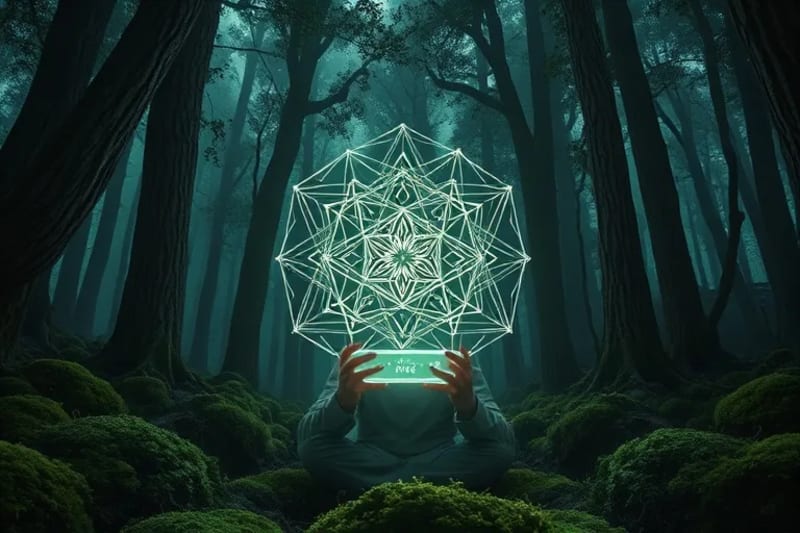
Conceptual representations of the fusion between ancient spiritual wisdom and cutting-edge digital innovation.
Fuente visual sujeta a disponibilidad del ecosistema: Wikimedia Commons bajo licencia CC BY-SA 4.0 o renderizado conceptual IA.
Understanding Techno-Shamanism
Techno-shamanism can be defined as the practice of utilizing technology to facilitate or enhance spiritual experiences, healing, and personal transformation, drawing parallels with the roles and methods of traditional shamans. It's not about replacing ancient practices but rather augmenting them, making them accessible, and adapting them to the modern human experience. This paradigm recognizes that technology, often perceived as a distraction from inner work, can actually serve as a powerful tool for introspection and connection.
At its core, techno-shamanism embraces the idea that the digital realm, much like the spirit world in traditional shamanism, is a space for exploration, communication, and influence. Practitioners might use virtual reality to journey to inner landscapes, biofeedback devices to achieve meditative states, or online communities to share insights and foster collective consciousness. It bridges the gap between the tangible and the intangible, the scientific and the spiritual, creating a holistic approach to well-being.
The Evolution from Ancient Wisdom to Digital Age
Traditional shamanism, found across diverse cultures for millennia, involves a practitioner entering altered states of consciousness to interact with the spirit world, seek guidance, and facilitate healing for their community. These practices often involve rhythmic drumming, chanting, dance, or entheogens. The shaman acts as a bridge between worlds, interpreting messages and bringing back wisdom.
The transition to techno-shamanism isn't as abrupt as it might seem. Throughout history, humans have used the most advanced tools available to them for spiritual purposes, from intricate cave paintings to astronomical observatories. Today, our advanced tools are digital. The internet, virtual reality, and artificial intelligence offer new ways to simulate, enhance, and distribute experiences that mirror traditional shamanic journeys. For instance, the concept of Cosmic Sociology AI Ethics Global Consciousness Digital Age directly relates to creating sacred spaces in the digital realm.
This evolution is driven by a desire to adapt spiritual practices to contemporary lifestyles, addressing modern anxieties and the pervasive influence of technology. It acknowledges that many people spend significant portions of their lives online, and by integrating spiritual work into these digital spaces, it can become more accessible and relevant.
Key Digital Tools for Modern Spiritual Practices
A diverse array of digital tools is being harnessed by techno-shamans to deepen spiritual practices. These tools range from simple mobile applications to complex immersive environments, each offering unique pathways for exploration and growth.
- Meditation Apps and Biofeedback Devices: Applications like Headspace or Calm guide users through meditation, while biofeedback devices (e.g., Muse headband) track brain activity, heart rate, or skin conductance, providing real-time feedback to help users achieve deeper states of relaxation and focus. This immediate data can be incredibly empowering for those learning to regulate their internal states.
- Virtual Reality (VR) and Augmented Reality (AR) for Immersive Experiences: VR headsets transport users to serene virtual landscapes, ancient temples, or abstract realms designed for meditation, visualization, and spiritual journeying. AR overlays digital information onto the real world, potentially enhancing mindfulness in everyday environments or revealing hidden spiritual layers in physical spaces.
- Online Communities and Sacred Spaces: Platforms like Discord, specialized forums, or even social media groups create virtual gathering places where individuals can share experiences, receive support, and participate in collective rituals or discussions. These digital communities can replicate the communal aspect of traditional spiritual practices, fostering a sense of belonging and shared purpose.
- Wearable Technology for Mindfulness and Energy Tracking: Beyond basic fitness trackers, advanced wearables can monitor stress levels, sleep patterns, and even subtle energy shifts, providing data that users can integrate into their spiritual self-awareness. This data can inform practices like Tarot Quantum Mechanics Intersecting Divination Reality by highlighting periods of optimal energetic alignment.
- Artificial Intelligence (AI) and Personalized Spiritual Guidance: AI-powered chatbots or algorithms can offer personalized meditation prompts, interpret dream symbols, or even generate custom spiritual texts based on user input. While not replacing human mentors, AI can provide accessible, on-demand support for spiritual inquiry.
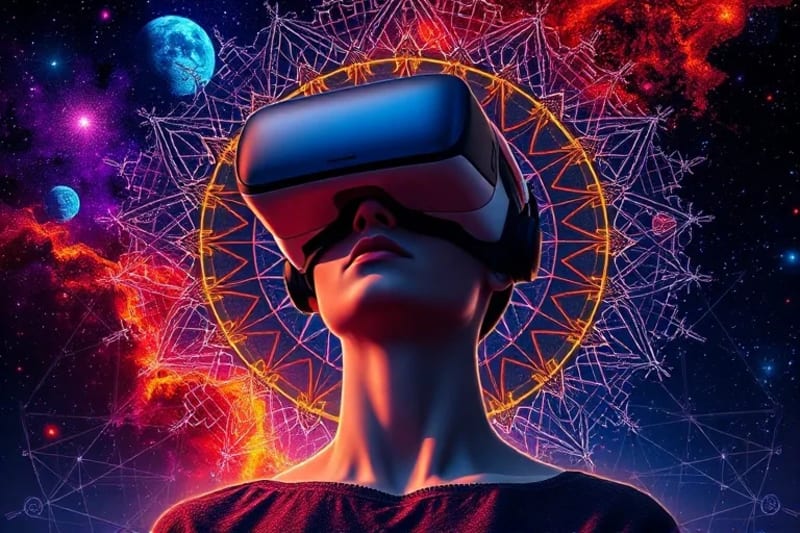
Virtual reality offering immersive experiences for meditation and spiritual exploration.
Benefits of Integrating Technology and Spirituality
The adoption of digital tools within spiritual practices offers several compelling advantages, making spiritual growth more accessible, personalized, and engaging for a wider audience.
- Increased Accessibility: Technology democratizes spiritual practice, making it available to individuals regardless of their geographical location, physical limitations, or access to traditional teachers. A guided meditation app is just a tap away, and virtual retreats can connect participants globally.
- Personalized Experiences: AI and data analytics can tailor spiritual content and guidance to individual needs, preferences, and progress, offering a highly customized path that resonates deeply with the user. This contrasts with one-size-fits-all traditional approaches.
- Enhanced Engagement and Immersion: VR and AR create highly immersive environments that can deepen meditative states, facilitate visualization, and make spiritual concepts more tangible and experiential. This can be particularly impactful for those who struggle with traditional forms of meditation.
- Data-Driven Self-Awareness: Biofeedback and wearable tech provide objective data on physiological responses to spiritual practices, allowing individuals to track their progress, understand their body's reactions, and optimize their techniques for better results.
- Global Community Building: Digital platforms enable the formation of diverse, global spiritual communities, fostering a sense of shared purpose and collective consciousness. This can be particularly important in an era where cosmic sociology and global consciousness are increasingly relevant topics.
Navigating the Challenges and Ethical Considerations
While promising, techno-shamanism also presents a unique set of challenges and ethical dilemmas that require careful consideration to ensure its responsible development and application.
- Authenticity vs. Simulation: A primary concern is whether digitally mediated experiences can truly replicate the depth and transformative power of traditional, unmediated spiritual practices. Is a VR journey as potent as a physical one?
- Commercialization and Commodification: The spiritual market is ripe for commercial exploitation. There's a risk that techno-shamanism could become overly commercialized, reducing profound spiritual concepts to marketable products or services, potentially diluting their true value.
- Data Privacy and Security: As spiritual practices become intertwined with digital tools, personal data – including highly sensitive information about mental and emotional states – is collected. Ensuring the privacy and ethical use of this data is paramount.
- Digital Divide and Accessibility: While technology can increase accessibility for some, it can also create new divides. Those without access to high-speed internet or expensive devices might be excluded from these evolving spiritual practices.
- Dependence on Technology: Over-reliance on digital tools might inadvertently diminish an individual's capacity for unassisted introspection and connection, fostering a dependency rather than true empowerment.
Abstract visualization of energy flows and spiritual data in a digital context.
The Future Landscape of Digital Spirituality
The trajectory of techno-shamanism suggests a future where the boundaries between the physical and digital, and the spiritual and technological, become increasingly blurred. We can anticipate more sophisticated AI companions offering nuanced spiritual coaching, hyper-realistic VR environments for collective rituals, and advanced biofeedback systems that allow for precise control over internal states.
As technology continues to evolve, so too will our understanding of consciousness and our capacity to explore it. The integration of fields like neuroscience, quantum physics, and computer science may unlock even deeper insights into spiritual phenomena, allowing for new forms of healing, self-realization, and communal connection. The key will be to approach these advancements with wisdom, discernment, and a commitment to ethical practice, ensuring that technology serves humanity's highest spiritual aspirations.
Ultimately, techno-shamanism is not just about using gadgets for spiritual ends; it's about a philosophical shift, recognizing the sacred potential within all tools and realms, including the digital. It invites us to consider how we can consciously co-create our reality, both online and offline, to foster well-being and spiritual evolution. This dynamic field will continue to shape how individuals seek meaning and connection in an ever-changing world, potentially even touching upon concepts like fixed stars and soul healing for karmic imbalances through new digital lenses.
Explore More Spiritual Insights
Source: Hybrid content assisted by AI and human editorial supervision.


Comments
Post a Comment