
Chinese Zodiac: AI Predictive Tools, Ancient Oracles, Lunar Astrology
The Chinese Zodiac, a venerable system of astrology rooted in ancient Chinese philosophy and cosmology, has guided individuals for millennia. Its twelve-year cycle, each year governed by a specific animal sign, offers profound insights into personality traits, compatibility, and life's trajectory. Traditionally, these predictions relied on the wisdom of seasoned astrologers and the meticulous study of lunar cycles.
However, in the 21st century, a fascinating convergence is taking place: the integration of artificial intelligence (AI) with these age-old divinatory practices. This fusion promises a new era of predictive tools, offering enhanced accuracy and personalized insights that were once unimaginable. This article explores how AI is transforming Chinese Zodiac predictions, bridging the gap between ancient oracles and modern technology.
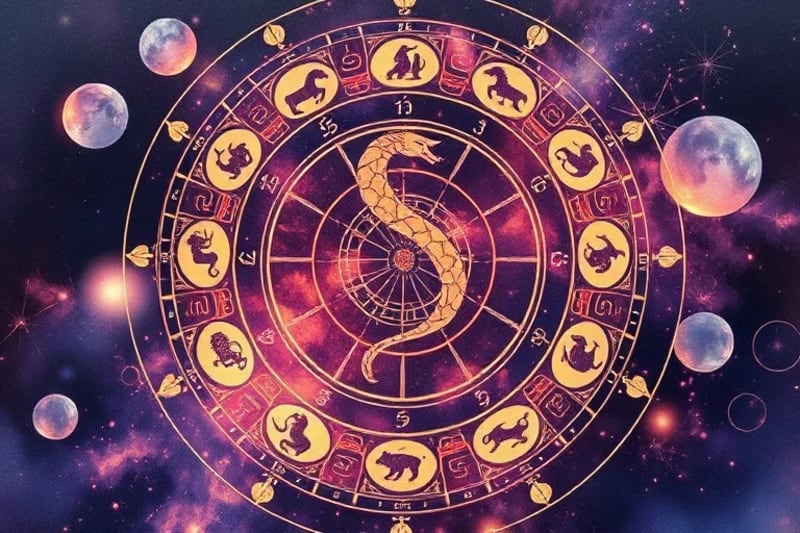
A digital interface blending traditional Chinese Zodiac imagery with futuristic AI visualizations, symbolizing the convergence of ancient wisdom and modern technology.
Table of Contents
- The Enduring Legacy of the Chinese Zodiac
- Understanding Lunar Astrology and Yearly Cycles
- Traditional Chinese Oracle Methods
- The Rise of AI in Zodiac Prediction
- How AI Interprets Astrological Data
- Benefits and Enhanced Accuracy
- Ethical Considerations and Limitations
- Harmonizing Ancient Wisdom with Modern Technology
- The Future of Chinese Zodiac Predictions
The Enduring Legacy of the Chinese Zodiac
The Chinese Zodiac, known as Sheng Xiao, is a repeating cycle of 12 years, with each year represented by an animal and its reputed attributes. This system is not merely a calendar but a profound cultural and philosophical framework that influences personal identity, relationships, and even major life decisions.
The twelve animals—Rat, Ox, Tiger, Rabbit, Dragon, Snake, Horse, Goat, Monkey, Rooster, Dog, and Pig—are believed to bestow specific characteristics upon those born in their respective years. These traits are often combined with one of the five elements (Wood, Fire, Earth, Metal, Water) to create a more nuanced astrological profile, adding layers of complexity to individual interpretations.
Beyond individual personalities, the Zodiac also plays a crucial role in understanding interpersonal dynamics and compatibility. For instance, certain animal signs are traditionally considered more harmonious or challenging when paired, influencing everything from romantic relationships to business partnerships. This ancient wisdom has long been a cornerstone of Chinese cultural understanding.
Understanding Lunar Astrology and Yearly Cycles
Unlike Western astrology, which is based on the solar calendar and the position of celestial bodies in relation to the Earth's orbit around the Sun, Chinese astrology is fundamentally lunar. The Chinese New Year, which marks the beginning of a new Zodiac animal's reign, falls on the second new moon after the winter solstice, typically between late January and mid-February.
This lunar basis means that yearly predictions are deeply intertwined with the moon's cycles and its influence on earthly energies. Each lunar year brings a unique combination of animal sign and element, creating a distinct energetic blueprint that affects global events, personal fortunes, and collective moods. Understanding these cycles is key to traditional forecasting.
The concept of "yearly predictions" in Chinese astrology involves analyzing the interaction between the ruling animal and element of the current year with an individual's birth sign and element. This complex interplay helps predict potential challenges, opportunities, and overall trends for the year ahead, guiding people in making informed decisions.
Traditional Chinese Oracle Methods
Before the advent of modern technology, Chinese Zodiac predictions were derived from a rich tapestry of traditional oracle methods. These practices, often passed down through generations, required deep knowledge, intuition, and a connection to ancient philosophical principles. The I Ching, or Book of Changes, is perhaps one of the most revered.
The I Ching utilizes hexagrams formed by tossing coins or yarrow stalks to provide guidance and insights into complex situations. Its wisdom is not prescriptive but offers a framework for understanding the ebb and flow of change, allowing individuals to align their actions with cosmic forces. This method emphasizes introspection and philosophical contemplation.
Another significant practice is Feng Shui, an ancient art and science of arranging living spaces to achieve harmony with the environment. By understanding the flow of Qi (energy) and its interaction with the five elements, practitioners can optimize their surroundings to enhance health, wealth, and relationships. While not directly predictive of personal fortune, it creates an auspicious environment for it.
Additionally, traditional astrologers would meticulously study an individual's birth chart, often incorporating elements of BaZi (Four Pillars of Destiny), which considers the year, month, day, and hour of birth. This comprehensive approach allowed for highly personalized and detailed interpretations, offering a holistic view of one's destiny and potential. These methods required extensive training and experience.
The Rise of AI in Zodiac Prediction
The digital age has ushered in an unprecedented era of data analysis and computational power, leading to the emergence of AI predictive tools across various domains. The field of Chinese Zodiac is no exception. AI is now being leveraged to process vast amounts of historical astrological data, identify patterns, and generate predictions with remarkable speed and precision.
This integration is not about replacing human astrologers but augmenting their capabilities and making astrological insights more accessible. AI algorithms can analyze millions of data points, including historical events, societal trends, and individual life paths correlated with specific Zodiac signs and elemental combinations. This allows for a more empirical approach to an ancient art.
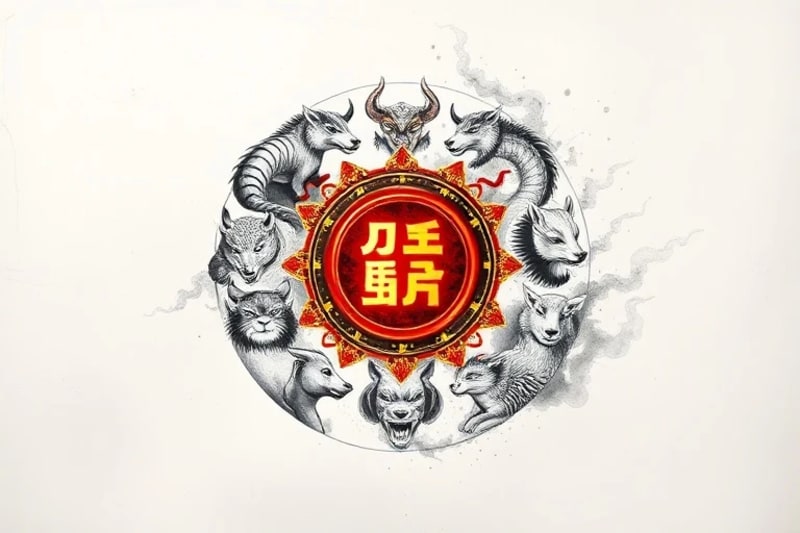
A vibrant vector illustration depicting the twelve Chinese Zodiac animals encircling a glowing AI chip, symbolizing the seamless integration of ancient tradition with modern technology.
The development of sophisticated machine learning models allows AI to learn from past predictions and their outcomes, continuously refining its algorithms. This iterative process means that AI-driven Zodiac tools can potentially become more accurate over time, adapting to new data and evolving patterns. For more on how AI interprets complex data, consider exploring topics like AI Dream Interpretation: Decoding Subconscious Algorithmic Language.
How AI Interprets Astrological Data
At its core, AI interprets astrological data by identifying correlations and patterns that might be too subtle or extensive for human analysis. This involves several key steps, starting with data collection and organization. AI systems ingest vast amounts of information, including birth dates, times, locations, and their corresponding Zodiac signs, elements, and associated life events.
Machine learning algorithms are then employed to analyze this data. For instance, neural networks can be trained to recognize common themes or outcomes associated with specific Zodiac combinations during particular lunar years. This allows the AI to develop a probabilistic model for future events based on historical precedents. The system can identify how different animal signs interact with the energy of a given year.
Furthermore, AI can process complex calculations related to lunar cycles, planetary positions (as sometimes incorporated in Chinese astrology), and elemental interactions much faster than a human. This computational efficiency enables the generation of highly detailed and personalized reports, taking into account numerous variables simultaneously. This level of analysis enhances the depth of yearly predictions.
Benefits and Enhanced Accuracy
The integration of AI into Chinese Zodiac predictions offers several compelling benefits. Firstly, it significantly enhances the speed and accessibility of insights. Users can receive instant, personalized reports without waiting for consultations, making astrological guidance more readily available to a global audience. This democratization of information is a hallmark of the digital age.
Secondly, AI's ability to process and cross-reference massive datasets can lead to a higher degree of accuracy in predictions. By identifying nuanced patterns and correlations that might escape human observation, AI can offer more precise forecasts for yearly trends, compatibility, and individual challenges or opportunities. This data-driven approach complements intuitive astrological interpretations.
Moreover, AI tools can offer an unprecedented level of personalization. Instead of generic yearly forecasts, AI can generate highly tailored reports that consider not only the birth year but also the specific month, day, and even hour, integrating elements of BaZi more comprehensively. This granular analysis provides deeper insights into an individual's unique life path and potential. For instance, AI can provide nuanced advice on maximizing team harmony and success based on Chinese Zodiac signs.
Ethical Considerations and Limitations
While the benefits of AI in Zodiac predictions are considerable, it is crucial to address the ethical considerations and inherent limitations of this technology. One primary concern is the potential for over-reliance on AI-generated forecasts. Astrology, at its heart, is a tool for self-reflection and guidance, not a deterministic prophecy that negates free will. Users must approach AI predictions with a balanced perspective.
Another critical aspect is data privacy and security. AI systems require personal birth data, raising questions about how this sensitive information is stored, processed, and protected. Developers of AI Zodiac tools must adhere to stringent data protection regulations to maintain user trust and prevent misuse of personal information. The ethical implications of AI in various fields are constantly being debated, including in areas like Digital Metaphysics and extended realities.
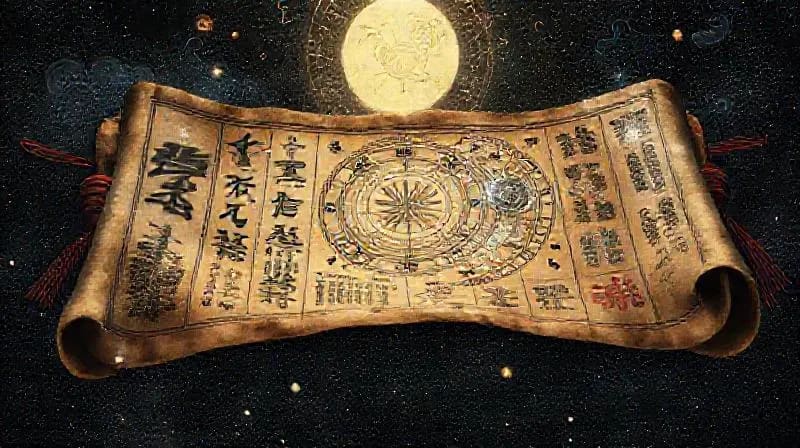
A detailed 3D render of an ancient, unfurling scroll adorned with traditional Chinese characters and astrological charts, emanating holographic projections of modern data visualizations and predictive algorithms.
Furthermore, AI's reliance on historical data means it may struggle with truly novel or unprecedented events. While it can identify patterns, it lacks the intuitive understanding, spiritual insight, and nuanced interpretation that experienced human astrologers bring. The wisdom embedded in ancient oracle methods often transcends mere data points, offering philosophical depth that AI cannot yet replicate.
The "black box" nature of some advanced AI models also presents a challenge. Understanding *why* an AI makes a particular prediction can be difficult, contrasting with the transparent, interpretable reasoning of traditional astrological analysis. This lack of interpretability can sometimes diminish trust and understanding for users seeking deeper insights.
Harmonizing Ancient Wisdom with Modern Technology
The most effective approach to the future of Chinese Zodiac predictions lies in a harmonious integration of ancient wisdom and modern technology. AI should be viewed as a powerful tool that complements, rather than replaces, the profound insights of traditional astrology. It can handle the computational heavy lifting, process vast datasets, and identify complex patterns, freeing human experts to focus on interpretation, context, and spiritual guidance.
This synergy allows for the best of both worlds: the empirical rigor and efficiency of AI combined with the intuitive depth and philosophical understanding of human astrologers. AI can provide the "what" and the "when," while human wisdom can delve into the "why" and the "how to navigate." This collaborative model ensures that the rich cultural heritage of the Chinese Zodiac is preserved and enhanced.
Educational initiatives are also crucial to ensure that users understand the origins and philosophical underpinnings of Chinese astrology, even when using AI tools. By providing context and encouraging critical thinking, we can prevent the reduction of a complex spiritual system to mere algorithms. The goal is to empower individuals with informed guidance, not to foster blind reliance on technology.
The Future of Chinese Zodiac Predictions
The future of Chinese Zodiac predictions is likely to be characterized by increasing sophistication in AI models, leading to even more precise and personalized forecasts. We can anticipate AI tools that not only predict trends but also offer actionable advice tailored to individual circumstances, integrating various astrological disciplines seamlessly.
Further developments may include AI-powered interactive platforms that allow users to explore different scenarios, understand the implications of various choices, and gain a deeper appreciation for the dynamic nature of their astrological influences. This could transform the predictive process into a more engaging and educational experience.
Ultimately, the blend of AI predictive tools and ancient oracles offers a compelling vision for the future of Chinese Zodiac. It represents a bridge between tradition and innovation, providing humanity with powerful new ways to understand themselves, navigate their yearly cycles, and embrace the wisdom of the cosmos in an increasingly complex world. The enduring legacy of lunar astrology will continue to thrive, enriched by the capabilities of modern technology.
Source: Hybrid content assisted by AI and human editorial supervision.


Comments
Post a Comment