
Digital Dream Weaving: AI-Assisted Subconscious Exploration
Dreams have long been considered a gateway to the subconscious mind, offering cryptic messages and profound insights into our deepest fears, desires, and unresolved issues. For centuries, humanity has sought to decipher these nocturnal narratives through various methods, from ancient shamanic practices to modern psychoanalysis. However, the advent of artificial intelligence is now ushering in a new era of dream exploration, transforming the subjective art of interpretation into a more structured and potentially objective science. This revolutionary approach, often termed Digital Dream Weaving, leverages advanced algorithms to assist in unraveling the complex tapestry of our inner worlds.
Digital Dream Weaving represents a fascinating intersection of technology, psychology, and esotericism. It promises to democratize access to self-understanding, offering tools that can help individuals navigate their subconscious landscapes with unprecedented clarity. By analyzing patterns, symbols, and narratives within reported dreams, AI systems can provide interpretations that might otherwise remain hidden, fostering personal growth and psychological well-being. This article delves into the mechanisms, benefits, ethical considerations, and future prospects of this cutting-edge field.
Table of Contents
- Understanding Digital Dream Weaving
- The Science Behind AI Dream Analysis
- Benefits of AI-Assisted Subconscious Exploration
- Practical Applications and Techniques
- Ethical Considerations and Challenges
- The Future of Dream Weaving with AI
Understanding Digital Dream Weaving
Digital Dream Weaving is a conceptual framework that describes the use of artificial intelligence and computational tools to analyze, interpret, and even synthesize dream experiences. It moves beyond traditional dream dictionaries by employing sophisticated algorithms capable of recognizing complex patterns and correlations that might escape human perception. The core idea is to create a digital bridge between our conscious reporting of dreams and the vast, often inscrutable, realm of the subconscious.
Historically, dream interpretation has been a highly subjective endeavor, relying heavily on the interpreter's intuition, theoretical framework (e.g., Freudian, Jungian), and the dreamer's personal associations. While these approaches offer valuable insights, they can also be inconsistent or limited by human biases. Digital Dream Weaving aims to augment these human capabilities, providing an additional layer of analysis that is data-driven and scalable.
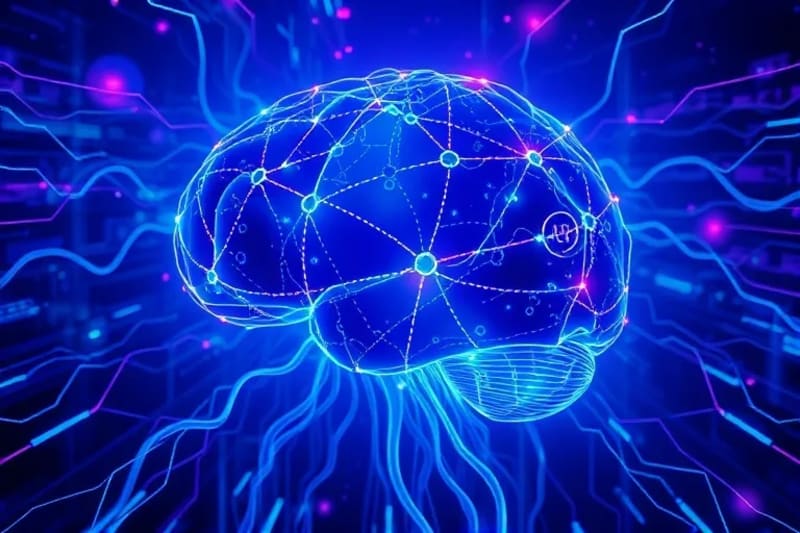
Conceptual representations of AI-driven dream analysis, exploring the intricate connections between technology and the subconscious mind.
Fuente visual sujeta a disponibilidad del ecosistema: Wikimedia Commons bajo licencia CC BY-SA 4.0 o renderizado conceptual IA.
The "weaving" metaphor highlights the intricate process of connecting disparate dream elements—symbols, emotions, narratives, and personal context—into a coherent and meaningful interpretation. AI acts as the weaver, identifying threads and patterns that might otherwise seem random, ultimately presenting a more complete picture of the subconscious landscape. This can be particularly useful for understanding recurring themes or symbols across multiple dreams, which often point to deeper psychological processes or unresolved issues.
The Science Behind AI Dream Analysis
The core of AI-assisted dream analysis lies in natural language processing (NLP) and machine learning algorithms. When a user inputs a dream description, the AI system processes the text, identifying key entities, sentiments, actions, and symbolic representations. It then cross-references this information with vast databases of psychological theories, cultural symbols, mythological archetypes, and even the user's personal history (if provided and consented to).
Here’s a breakdown of the scientific principles involved:
- Natural Language Processing (NLP): This technology allows AI to understand, interpret, and generate human language. In dream analysis, NLP algorithms parse dream narratives, extract keywords, identify emotional tones, and recognize grammatical structures that might indicate underlying psychological states.
- Pattern Recognition: Machine learning models are trained on extensive datasets of dream reports and their interpretations. This training enables them to identify recurring patterns, correlations between specific dream elements and life events, or common symbolic meanings across different individuals.
- Generative AI: Some advanced systems might use generative AI to offer multiple possible interpretations or even suggest follow-up questions to the dreamer, prompting deeper reflection. This can help explore various facets of a dream, much like a human therapist might.
- Contextual Analysis: Beyond mere symbolism, AI can consider the broader context of the dreamer's life, recent events, emotional state, and even their cultural background, leading to more personalized and relevant interpretations. This approach aligns with modern psychological views that emphasize the individual's unique life circumstances.

Abstract representations of the mind's intricate workings, influenced by digital analysis.
The integration of these technologies allows for a multi-layered analysis that can reveal connections not immediately apparent to the conscious mind. For instance, an AI might detect subtle links between a recurring dream symbol and a specific emotional trigger from the dreamer's waking life, providing insights that could aid in psychological healing, much like the process of understanding Chiron Astrology: Healing Soul Wounds. This capability moves beyond simple pattern matching to a more nuanced understanding of the human psyche.
Benefits of AI-Assisted Subconscious Exploration
The potential benefits of Digital Dream Weaving are extensive, impacting personal development, mental health, and even creative endeavors. By providing accessible and objective insights, AI can empower individuals to better understand themselves and their inner workings.
Key advantages include:
- Enhanced Self-Awareness: AI can highlight recurring themes, emotional patterns, and symbolic messages that reveal aspects of the self that are otherwise unconscious. This deeper understanding can lead to significant personal growth and self-discovery.
- Psychological Insight: Dreams often serve as a processing ground for daily experiences, traumas, and anxieties. AI can help identify underlying psychological conflicts, stress factors, or unresolved issues, offering a starting point for therapeutic intervention or self-help strategies.
- Problem-Solving and Creativity: Many breakthroughs in science and art have been attributed to dreams. AI can help individuals extract creative solutions or innovative ideas embedded within their dream narratives, fostering a unique form of inspiration.
- Accessibility and Affordability: Traditional dream analysis by a therapist can be costly and time-consuming. AI tools can offer an affordable and readily available alternative, making self-exploration more accessible to a wider audience.
- Tracking and Longitudinal Analysis: Digital platforms can meticulously record and track dream data over time, allowing for longitudinal analysis of dream patterns. This can reveal how the subconscious evolves in response to life changes, personal development, or even specific interventions.
These insights can be transformative, helping individuals to address internal conflicts, reduce anxiety, and make more informed decisions in their waking lives. The ability to systematically explore the subconscious through AI can also shed light on complex psychological phenomena, much like how Jungian Synchronicity Planetary Transits explores collective unconscious shifts.
Practical Applications and Techniques
Implementing Digital Dream Weaving typically involves a user-friendly interface where individuals can record their dreams. These platforms then employ AI to generate interpretations and insights. Here are some common applications and techniques:
- Dream Journaling Apps: Many apps now integrate AI components. Users type or speak their dream narratives, and the AI provides instant analysis, highlighting potential symbols, emotional states, and connections to waking life.
- Interactive Interpretation: Some platforms offer an interactive experience, where the AI asks follow-up questions to clarify dream elements or explore specific feelings, guiding the user towards deeper understanding.
- Thematic Analysis: AI can identify overarching themes across multiple dreams, helping users recognize persistent patterns in their subconscious. For example, recurring dreams about being chased might indicate feelings of anxiety or avoidance in waking life.
- Symbolic Cross-Referencing: Beyond personal associations, AI can draw upon vast databases of cultural, mythological, and psychological symbolism to offer a broader context for dream elements. This can enrich the interpretation beyond individual experience.
- Dream Synthesis (Experimental): In more advanced or experimental applications, generative AI might even create visual or narrative representations based on dream data, allowing for a different way to interact with and understand the subconscious content.
Abstract patterns of light and shadow, symbolizing the intricate process of digital dream weaving.
These tools can be used as a personal growth aid, a complement to traditional therapy, or even a source of creative inspiration. The ability to quickly process and interpret complex dream narratives makes AI a powerful ally in the quest for self-knowledge. Techniques like Automatic Writing Techniques can also be integrated with AI analysis to further enhance spiritual connection and subconscious exploration.
Ethical Considerations and Challenges
While the potential of Digital Dream Weaving is immense, it also presents several ethical considerations and challenges that must be addressed to ensure responsible development and use. The deeply personal and sensitive nature of dream content necessitates careful thought about privacy and potential misuse.
Key ethical points include:
| Aspect | Description |
|---|---|
| Data Privacy and Security | Dream data is highly personal. Ensuring robust encryption, anonymization, and strict data governance policies is paramount to protect user privacy from breaches or unauthorized access. |
| Misinterpretation and Over-Reliance | AI interpretations should be viewed as tools for reflection, not definitive truths. Over-reliance on AI without critical human assessment could lead to misinterpretations or a diminished capacity for personal intuition. |
| Bias in Algorithms | If AI models are trained on biased datasets, their interpretations could perpetuate cultural, gender, or psychological biases. Developers must actively work to ensure fairness and inclusivity in their algorithms. |
| Emotional Impact | Receiving an AI interpretation of a deeply personal dream could have significant emotional impact. Systems should be designed with safeguards, disclaimers, and recommendations for professional help when sensitive topics arise. |
| Commercial Exploitation | The potential for commercial exploitation of subconscious data, such as targeted advertising based on dream content, raises serious ethical concerns about manipulation and consent. |
Addressing these challenges requires a collaborative effort between AI developers, psychologists, ethicists, and policymakers. Clear guidelines and regulations will be essential to harness the power of Digital Dream Weaving responsibly, ensuring that it serves as a beneficial tool for humanity rather than a source of new vulnerabilities. The ethical implications of such technologies are as complex as understanding the nuances of Minor Astrological Aspects in a birth chart.
The Future of Dream Weaving with AI
The future of Digital Dream Weaving is poised for significant advancements. As AI technology continues to evolve, we can anticipate more sophisticated and nuanced interpretations, potentially leading to breakthroughs in psychology, neuroscience, and even creative arts. The integration of biometric data, for instance, could add another layer of objective information to dream analysis.
Imagine a future where AI not only interprets dreams but also helps individuals practice lucid dreaming more effectively, allowing for conscious exploration of their subconscious worlds. Or perhaps, AI could assist in creating personalized dreamscapes for therapeutic purposes, helping individuals process trauma or foster specific emotional states. The possibilities are vast, extending to areas like enhancing creativity by suggesting new artistic directions based on dream patterns.
Furthermore, Digital Dream Weaving could become an integral part of holistic wellness practices, complementing traditional therapies and spiritual guidance. It could offer a unique pathway to understanding one's life path and purpose, similar to how Numerology Decoding Karmic Debt provides insights into life lessons. The continuous feedback loop between human input and AI analysis will refine these systems, making them increasingly accurate and beneficial.
However, the success of this future depends on maintaining a human-centric approach. AI should serve as an assistant, amplifying human intuition and understanding, rather than replacing it. The ultimate goal remains to empower individuals to gain deeper self-knowledge and navigate their inner worlds with greater clarity and purpose, fostering a more informed and harmonious existence.
Explore More Insights
- Horary Astrology: Answering Life's Specific Questions
- Biometric Divination Biofeedback Intuition Self-Discovery Digital
- Fixed Stars Cosmic Navigators Aligning Destiny Galactic Pathways
- Astro-Economics: Predicting Financial Markets Planetary Cycles
- Chinese Zodiac Baby Names: Elemental & Auspicious Meanings
- Cancer Moon Dignities: Nurturing Emotional Well-being
- Solar Return Chart: Predicting Your Year Ahead
- North Node and South Node Aspects Life Lessons Guide
- Dog Personalities: Chinese Zodiac Traits
- Hermetic Principles Manifestation: Unlocking Divine Laws
- Neuroarquitectura Bienestar Cognitivo Salud Mental Espacios
- Heal the World Michael Jackson: Himno Trascendental
- Propiedad Intelectual Metaverso: Desafíos Legales Soluciones Virtuales
- Sanación Cristales Rejillas Pránicas: Bienestar Energético Holístico
- Meditación Guiada Sanación Energética Planetaria Conexión
- Astro-Gastronomía Consciente: Recetas Intuitivas Armonización Chakras Signos
- Nostradamus Singularidad Tecnológica Predicciones Proféticas IA
- Rosario Divina Misericordia: Historia y Beneficios
- Profecías Akita: Advertencias y Esperanzas Futuras
Source: Hybrid content assisted by AI and human editorial supervision.


Comments
Post a Comment