
Biometric Divination: Biofeedback, Intuition, Self-Discovery
Biometric Divination: Biofeedback, Intuition, and the Future of Self-Discovery
In an era where technology increasingly intertwines with every facet of human experience, the ancient practice of divination is undergoing a profound transformation. Biometric divination emerges as a fascinating frontier, bridging the gap between objective physiological data and subjective intuitive insights. This innovative approach leverages biofeedback technologies to measure subtle bodily responses, interpreting them as potential indicators of inner states, future inclinations, or deeper truths, thereby offering a novel pathway to self-discovery.
Traditionally, divination relied on external signs, symbols, or spiritual guidance. However, biometric divination shifts the focus inward, suggesting that our bodies hold a wealth of information about our subconscious mind, emotional landscape, and even our potential future paths. By monitoring physiological parameters such as heart rate variability, skin conductance, brainwave patterns, and even eye movements, practitioners aim to uncover patterns that resonate with intuitive understanding, providing a data-driven lens through which to explore personal growth and decision-making.
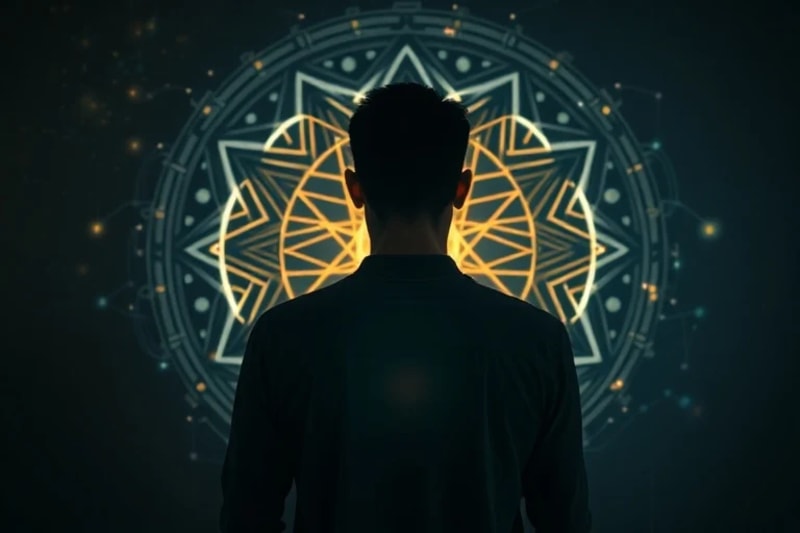 A person engaging with a futuristic biofeedback interface, symbolizing the fusion of technology and inner exploration.
Understanding Biometric Divination
Biometric divination is not about predicting the future in a deterministic sense, but rather about gaining deeper insights into one's own energetic and psychological state. It operates on the premise that our bodies constantly react to internal thoughts, external stimuli, and even subtle energetic shifts. These reactions, often imperceptible to the conscious mind, can be quantified and analyzed using advanced sensors.
The practice involves using specialized equipment to collect real-time physiological data. This data is then interpreted, often with the aid of algorithms or human intuition, to reveal patterns that might correlate with specific questions, intentions, or potential outcomes. For instance, a sudden change in heart rate variability when contemplating a particular decision might be interpreted as a subtle "yes" or "no" from the body's innate wisdom.
This field draws parallels with traditional divinatory systems like Tarot Reading or numerology, which seek to externalize internal states or universal patterns. However, biometric divination grounds these insights in the measurable reality of the human body, offering a unique blend of mysticism and empirical observation. It's a journey into understanding the body as a sophisticated antenna, constantly receiving and transmitting information about our inner and outer worlds.
The Science of Biofeedback in Intuitive Practices
Biofeedback is a therapeutic technique that teaches individuals to control involuntary physiological processes, such as heart rate, muscle tension, and skin temperature, by providing real-time feedback on these parameters. This feedback, typically delivered through visual or auditory cues, allows a person to become more aware of their bodily responses and learn to regulate them. In the context of divination, biofeedback is repurposed not just for control, but for revelation.
Key physiological metrics commonly used in biometric divination include:
- Heart Rate Variability (HRV): Measures the variation in time between heartbeats. High HRV often indicates a healthy, adaptable nervous system, while low HRV can signal stress or emotional imbalance. In divination, patterns in HRV might reflect subconscious responses to questions or scenarios.
- Galvanic Skin Response (GSR) / Skin Conductance: Measures changes in the electrical conductivity of the skin, which is influenced by sweat gland activity. This is a sensitive indicator of emotional arousal and stress. A sudden spike in GSR could signify a strong emotional reaction to a concept or image.
- Electroencephalography (EEG) / Brainwave Patterns: Monitors electrical activity in the brain. Different brainwave frequencies (alpha, beta, theta, delta) are associated with various states of consciousness, from alertness to deep meditation. Analyzing these patterns can reveal shifts in cognitive and intuitive states during a divinatory session. The connection between brain activity and deeper insights is also explored in fields like Music Brain Neuroscience: Learning Emotion Power.
- Electromyography (EMG): Measures muscle electrical activity. Subtle muscle tension can indicate underlying stress or discomfort, even when not consciously perceived.
- Eye Tracking: Analyzing eye movements and pupil dilation can reveal attentional biases and emotional responses to visual stimuli, potentially indicating subconscious preferences or areas of interest.
The scientific basis for biofeedback is well-established in clinical settings for managing conditions like anxiety, chronic pain, and hypertension. Its application in divination, however, ventures into more speculative territory, where the interpretation of data moves beyond purely physiological regulation to encompass symbolic and intuitive meaning.
 Abstract digital art depicting interconnected neural pathways and data streams, illustrating the flow of biofeedback and intuitive insights.
Cultivating Intuition Through Biometric Data
One of the primary goals of biometric divination is to enhance and validate intuitive abilities. Many people experience "gut feelings" or sudden insights, but these are often dismissed due to their subjective nature. By providing objective data that correlates with these internal experiences, biometric tools can help individuals trust and develop their intuition.
Imagine a scenario where you are presented with several career paths. As you mentally explore each option, a biofeedback device monitors your physiological responses. One option might consistently trigger a subtle increase in HRV and a calming brainwave pattern, while another might cause a spike in GSR and irregular heart rhythms. This data, when combined with conscious reflection, can provide a powerful feedback loop, helping to clarify which path truly resonates with your deepest self.
This process is not about replacing intuition with data, but rather about using data to amplify and confirm intuitive signals that might otherwise go unnoticed. It’s a form of bio-assisted introspection, where technology acts as a mirror, reflecting the subtle language of the body. This approach can be particularly valuable for those seeking deeper understanding, similar to how a Spiritual Awakening Natal Chart: Catalyst Points Guide can illuminate personal pathways.
Tools and Technologies for Biometric Self-Discovery
The accessibility of biofeedback technology has expanded significantly beyond clinical settings. Wearable devices, smartphone apps, and specialized sensors are making it possible for individuals to engage in biometric self-discovery from the comfort of their homes. These tools range from simple heart rate monitors to sophisticated EEG headsets.
Common tools include:
- Wearable Sensors: Smartwatches and fitness trackers often include HRV and heart rate monitoring, which can be adapted for personal insight.
- EEG Headsets: Devices like Muse or Emotiv provide real-time brainwave feedback, often used for meditation and focus, but also applicable for observing brain states during intuitive exercises.
- GSR Devices: Standalone sensors that clip onto fingers can provide immediate feedback on skin conductance, indicating emotional arousal.
- Specialized Biofeedback Software: Programs that integrate data from multiple sensors, offering complex analyses and visualizations of physiological responses to various stimuli.
The integration of these technologies with virtual and augmented reality environments is also emerging, creating immersive experiences for self-exploration. This aligns with concepts like Digital Sacred Spaces: Ethical VR & AR Meditation, where technology facilitates deeper meditative and introspective states.
Ethical Considerations and Future Prospects
As with any technology that delves into personal data and subjective experience, biometric divination raises important ethical questions. Privacy concerns, data security, and the potential for misinterpretation are paramount. It is crucial for users and developers to approach these tools with a critical and informed perspective, understanding that data provides insights, not absolute answers.
The future of biometric divination holds immense potential. Advancements in artificial intelligence and machine learning could lead to more sophisticated algorithms capable of identifying subtle, complex patterns in physiological data that correlate with intuitive insights. Imagine an AI companion that learns your unique physiological "signature" for clarity, confusion, or affirmation, guiding you through complex decisions or creative blocks.
Furthermore, the integration of biometric data with other forms of divination, such as Tarot Reading Career Guidance: Unlocking Professional Paths, could create a holistic system for self-understanding. For example, a Tarot spread could be performed while biometric sensors monitor responses to each card, adding a layer of objective physiological feedback to the intuitive interpretation. This hybrid approach could offer a powerful synergy between ancient wisdom and modern science.
 A conceptual 3D render of a luminous human silhouette, surrounded by swirling data and ancient symbols, representing the future of self-discovery.
Integrating Biometric Insights for Personal Growth
The true value of biometric divination lies in its application for personal growth and enhanced self-awareness. By regularly engaging with these tools, individuals can develop a more nuanced understanding of their own internal landscape. This heightened awareness can lead to better decision-making, improved emotional regulation, and a deeper connection to one's authentic self.
Consider the following steps for integrating biometric insights:
| Step | Description | Benefit for Self-Discovery |
|---|---|---|
| 1. Define Your Intention | Clearly articulate the question or area of life you wish to explore (e.g., career choice, relationship dynamics, personal well-being). | Focuses the session, making insights more relevant and actionable. |
| 2. Set Up Biometric Sensors | Attach appropriate sensors (HRV, GSR, EEG) and ensure they are properly calibrated. | Ensures accurate data collection for reliable feedback. |
| 3. Engage with Stimuli | Present yourself with different options, images, or thoughts related to your intention while monitoring your physiological responses. | Reveals subconscious reactions and energetic resonance with various choices. |
| 4. Analyze Data and Reflect | Review the collected data patterns. Note significant shifts or consistent responses. Combine this with your conscious feelings and thoughts. | Provides objective validation or new perspectives on intuitive feelings, fostering trust in inner wisdom. |
| 5. Journal and Integrate | Document your findings, interpretations, and any new insights. Consider how these insights can inform your actions and decisions. | Solidifies learning, promotes conscious integration of subconscious information, and supports ongoing personal evolution. |
By embracing biometric divination, individuals can embark on a unique journey of self-discovery, where the wisdom of the body meets the power of technology, unlocking new dimensions of personal insight and intuitive understanding. It represents a significant step towards a more integrated and data-informed approach to spiritual and personal development.
Source: Hybrid content assisted by AI and human editorial supervision.


Comments
Post a Comment