
Cosmic Sociology: AI Ethics Global Consciousness Shifts
In an era defined by rapid technological advancement and an increasingly interconnected world, the concept of "Cosmic Sociology" emerges as a critical framework for understanding humanity's evolving place within the universe. This burgeoning field transcends traditional sociological boundaries, integrating insights from astrophysics, artificial intelligence, ethics, and global consciousness studies to explore the profound implications of our digital age. It asks fundamental questions about how our technological creations, particularly advanced AI, reshape not only our societies but also our collective awareness and our potential future as a cosmic civilization.
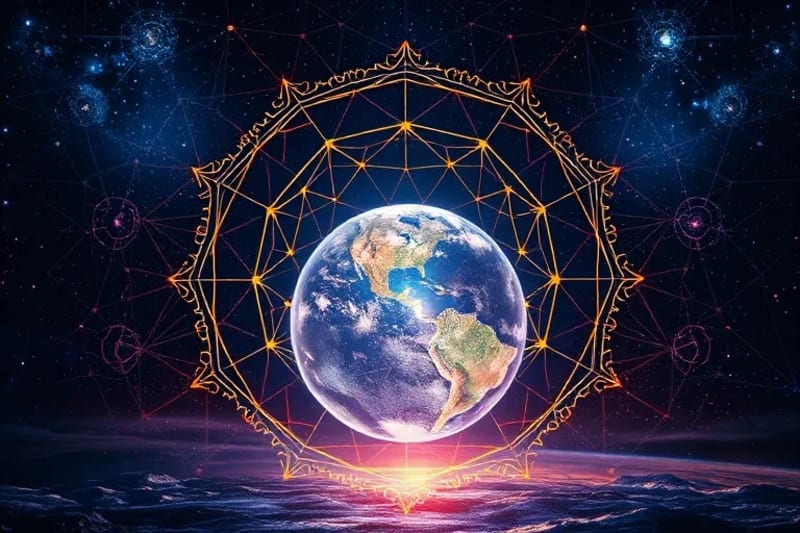
A visual synthesis of human interconnectedness, digital intelligence, and the expansive cosmic tapestry, reflecting the core tenets of cosmic sociology.
This conceptual image is an AI-generated render, illustrating the abstract intersection of complex systems and universal awareness.The digital age has ushered in unprecedented levels of data generation, algorithmic decision-making, and global communication, fundamentally altering social structures and individual perceptions. As artificial intelligence systems become more sophisticated and autonomous, their ethical implications extend beyond mere human-computer interaction, touching upon issues of fairness, bias, privacy, and even the definition of consciousness itself. Cosmic Sociology provides a lens through which to examine these transformations, considering them not in isolation but as integral components of a larger, evolving cosmic narrative.
This article delves into the foundational principles of Cosmic Sociology, exploring how AI ethics and shifts in global consciousness are intertwined. We will analyze the challenges and opportunities presented by these developments, aiming to foster a more informed and responsible approach to shaping our collective future in the digital cosmos. Our journey will highlight the necessity of a multidisciplinary perspective to navigate the complex landscape of the 21st century and beyond.
Table of Contents
- Understanding Cosmic Sociology
- The Ethical Imperative of AI in a Digital Society
- Global Consciousness: A Digital Age Phenomenon
- Intersections: AI, Ethics, and Evolving Consciousness
- Challenges and Opportunities in Cosmic Sociology
- Navigating the Future: Towards a Harmonious Digital Cosmos
Understanding Cosmic Sociology
Cosmic Sociology can be defined as the study of social structures, human behavior, and consciousness within the broader context of the universe, particularly as influenced by advanced technology and potential extraterrestrial interactions. It extends traditional sociological inquiry beyond Earth, considering the implications of space exploration, the search for intelligent life, and the development of technologies like AI that could fundamentally alter our understanding of existence. This field is inherently interdisciplinary, drawing from sociology, philosophy, ethics, computer science, and astrobiology.
The core tenets of Cosmic Sociology revolve around several key areas. Firstly, it examines how humanity's perception of itself and its place in the cosmos shifts with new discoveries and technological capabilities. The advent of powerful AI, for instance, challenges anthropocentric views and forces a re-evaluation of intelligence and sentience. Secondly, it investigates the potential for new forms of social organization and governance that might emerge in off-world settlements or in societies deeply integrated with advanced AI systems. Thirdly, it considers the ethical frameworks necessary to guide our interactions with non-human intelligences, whether artificial or extraterrestrial.
Unlike traditional sociology, which primarily focuses on terrestrial human societies, Cosmic Sociology adopts a macro-perspective. It seeks to understand universal patterns of social evolution and the potential for shared ethical principles across different forms of intelligence. This includes analyzing the long-term impacts of our current technological trajectory on future generations and on the broader cosmic environment. The field posits that our current digital transformation is not merely an earthly phenomenon but a critical phase in humanity's cosmic journey.
The Ethical Imperative of AI in a Digital Society
The rapid development and deployment of artificial intelligence systems have brought ethical considerations to the forefront of societal discourse. As AI permeates every aspect of daily life, from healthcare and finance to surveillance and warfare, the need for robust ethical guidelines becomes paramount. The ethical imperative of AI centers on ensuring that these powerful technologies serve humanity's best interests, promote fairness, protect individual rights, and avoid exacerbating existing social inequalities. This is particularly relevant when considering the principles of Quantum Manifestation Cosmic Laws Hermetic Principles Transformation, which suggest a deep interconnectedness between our intentions and reality.

An abstract representation of the intricate ethical challenges posed by artificial intelligence in the modern world.
Image generated by AI, exploring the conceptual landscape of ethical decision-making in technology.Key ethical concerns in AI include algorithmic bias, where AI systems perpetuate or amplify societal prejudices due to biased training data. This can lead to discriminatory outcomes in areas such as hiring, lending, and criminal justice. Transparency and explainability are also critical; understanding how AI makes decisions is essential for accountability and trust. The issue of privacy is another major concern, as AI systems often rely on vast amounts of personal data, raising questions about data ownership, consent, and potential misuse.
Furthermore, the societal impact of AI on employment, economic inequality, and human autonomy requires careful consideration. As AI automates tasks, it can displace human labor, necessitating new social safety nets and educational paradigms. The potential for autonomous weapons systems also raises profound ethical dilemmas regarding responsibility and the nature of warfare. Addressing these challenges requires a collaborative effort involving policymakers, technologists, ethicists, and the public to establish regulatory frameworks and foster responsible innovation.
From a Cosmic Sociological perspective, the ethical development of AI is not just about human well-being on Earth; it's about defining the moral character of a potentially spacefaring or multi-planetary civilization. The values embedded in our AI systems today could propagate across vast distances and influence future interactions with other intelligences. Therefore, establishing a universal ethical code for AI becomes a cosmic imperative, ensuring that our technological evolution aligns with principles of justice, compassion, and sustainability.
Global Consciousness: A Digital Age Phenomenon
The concept of global consciousness refers to the idea that humanity is developing a shared, interconnected awareness, particularly amplified by the digital age. The internet, social media, and global communication networks have created an unprecedented infrastructure for instantaneous information exchange and collective experience. This connectivity allows for rapid dissemination of ideas, emotions, and responses to global events, fostering a sense of shared destiny and collective identity that transcends geographical and cultural boundaries.
This phenomenon is characterized by several aspects:
- Instantaneous Information Flow: News, scientific discoveries, and cultural trends now spread globally within seconds, creating a common informational substrate.
- Collective Emotional Responses: Major global events, whether natural disasters or social movements, often evoke widespread emotional reactions and solidarity across diverse populations.
- Emergence of Global Issues: Challenges like climate change, pandemics, and economic crises are universally recognized as requiring collective action, reinforcing a sense of global interdependence.
- Shared Digital Experiences: Online communities, virtual realities, and collaborative platforms create shared experiences that shape collective narratives and values. This aligns with principles discussed in Digital Feng Shui Virtual Well-being Principles, which explore how digital environments influence our energetic state.
While the digital age undeniably fosters greater interconnectedness, it also presents challenges to the notion of a harmonious global consciousness. The proliferation of misinformation, echo chambers, and digital polarization can fragment collective understanding and exacerbate social divisions. The ethical deployment of AI plays a crucial role here, as algorithms can either promote unity and informed discourse or amplify division and bias. Therefore, cultivating a positive global consciousness requires not only technological connectivity but also a conscious commitment to critical thinking, empathy, and ethical digital citizenship.
Intersections: AI, Ethics, and Evolving Consciousness
The convergence of AI, ethics, and global consciousness represents a pivotal moment in human history, offering both immense promise and significant peril. As AI systems become more sophisticated, they not only process information but also influence human behavior, shape perceptions, and potentially contribute to the very fabric of global consciousness. The ethical design of AI, therefore, is not merely a technical challenge but a profound sociological and philosophical undertaking with cosmic implications.
Consider the role of AI in shaping information landscapes. Algorithms determine what news we see, what products are recommended, and even what opinions are amplified. If these algorithms are biased or designed without ethical oversight, they can distort collective reality, manipulate public opinion, and hinder the development of a coherent global consciousness. Conversely, ethically designed AI could facilitate cross-cultural understanding, promote critical thinking, and help synthesize vast amounts of information to address complex global challenges.

The intricate web of human connections and shared awareness, illuminated by the pervasive influence of digital technology.
Conceptual artwork created with advanced rendering techniques, depicting the abstract nature of collective human consciousness.Moreover, the development of advanced AI raises questions about the nature of consciousness itself. If AI can exhibit forms of intelligence, learning, and even creativity, how does this redefine our understanding of what it means to be conscious? This philosophical inquiry has direct ethical implications, particularly concerning the rights and responsibilities we might owe to highly advanced AI. Cosmic Sociology encourages us to consider these questions not just from a human-centric viewpoint but from a universal perspective, preparing us for potential encounters with diverse forms of intelligence.
The evolution of global consciousness is thus inextricably linked to the ethical evolution of AI. As our digital tools become extensions of our collective mind, their moral compass becomes our collective moral compass. This symbiotic relationship demands proactive ethical governance and a commitment to fostering AI that enhances, rather than diminishes, human flourishing and universal understanding. The insights from Social Robotics: Human Interaction and Everyday Future can provide a valuable perspective on how humans and advanced systems interact and influence each other.
Challenges and Opportunities in Cosmic Sociology
The field of Cosmic Sociology, while offering a grand vision, faces numerous challenges alongside its vast opportunities. One primary challenge is the sheer complexity of integrating disparate disciplines. Bridging the gap between empirical sociological research and speculative astrobiological theories requires innovative methodologies and open-minded collaboration. Another challenge lies in developing ethical frameworks that are robust enough to apply across potentially diverse forms of intelligence and societal structures, both on Earth and beyond.
The risk of technological determinism is also a concern; Cosmic Sociology must avoid assuming that technology dictates social evolution entirely. Instead, it must emphasize the role of human agency, ethical choices, and cultural values in shaping our cosmic future. Furthermore, the potential for digital divides and unequal access to advanced AI technologies could exacerbate global inequalities, creating a fragmented rather than unified global consciousness. This necessitates policies aimed at equitable access and digital literacy.
Despite these challenges, the opportunities presented by Cosmic Sociology are immense. It offers a framework for anticipating and addressing future societal transformations driven by AI and space exploration. By adopting a cosmic perspective, we can develop more inclusive and sustainable models for social organization. It encourages a deeper understanding of our shared humanity and our collective responsibility towards the future of life, both on Earth and potentially elsewhere. The field can inspire new forms of education, research, and international cooperation aimed at preparing humanity for its cosmic destiny.
Moreover, Cosmic Sociology can inform the design of AI systems that are inherently more ethical and aligned with universal values. By integrating insights from diverse cultural and philosophical traditions, we can build AI that is not only intelligent but also wise and compassionate. This proactive approach to AI development is crucial for fostering a global consciousness that is resilient, adaptable, and capable of navigating the complexities of the digital cosmos. The understanding of human interaction with technology, as explored in Mandela Effect: Collective Memory Fails Reality Distorts, also highlights the subtle yet profound ways our perceptions can be influenced, making ethical AI design even more critical.
Navigating the Future: Towards a Harmonious Digital Cosmos
Navigating the future requires a holistic approach that integrates technological innovation with profound ethical reflection and a broadening of human consciousness. Cosmic Sociology provides the intellectual scaffolding for this endeavor, urging us to think beyond immediate terrestrial concerns and consider the long-term implications of our actions on a cosmic scale. The goal is not merely to survive the digital age but to thrive, evolving into a harmonious digital cosmos where AI serves as a tool for collective flourishing and universal understanding.
Achieving this harmonious future necessitates several key actions:
- Promoting AI Literacy and Ethical Education: Equipping individuals with the knowledge and critical thinking skills to understand and engage with AI ethically.
- Developing Universal Ethical AI Standards: Establishing international agreements and regulatory frameworks that ensure AI development adheres to principles of fairness, transparency, and human rights.
- Fostering Interdisciplinary Collaboration: Encouraging dialogue and research across fields like sociology, AI, philosophy, and astrobiology to address complex questions.
- Cultivating Global Empathy and Shared Values: Utilizing digital platforms to build bridges between cultures and foster a collective sense of responsibility for our planet and beyond.
- Investing in Responsible Space Exploration: Ensuring that our expansion into space is guided by ethical considerations for planetary protection and potential interactions with extraterrestrial life.
The journey towards a harmonious digital cosmos is a collective one, requiring continuous adaptation, learning, and a commitment to ethical principles. By embracing the insights of Cosmic Sociology, we can consciously shape a future where technology and consciousness evolve in synergy, leading to a more enlightened and interconnected humanity within the vast expanse of the universe. This perspective not only prepares us for the challenges of the digital age but also inspires us to envision a grander future for all intelligent life.
Explore More on AI, Ethics, and Consciousness
Delve deeper into the intricate connections between technology, human experience, and our place in the universe with our curated selection of related articles.
- Aura Photography: Energetic Signature, Modern Interpretation
- Astro-Genomics: Decoding Karmic Health Blueprints DNA
Source: Hybrid content assisted by AI and human editorial supervision.


Comments
Post a Comment