
AI Dream Interpretation Ethics: Subconscious Algorithms
The realm of dreams, long considered a private sanctuary of the subconscious, is increasingly becoming a frontier for technological exploration. With the rapid advancements in artificial intelligence (AI), the prospect of algorithmic dream interpretation is no longer confined to science fiction. This emerging field promises to unlock deeper insights into our minds, offering personalized analyses of our nocturnal narratives. However, as AI delves into such intimate aspects of human experience, a complex web of ethical considerations arises, demanding careful navigation.
This article explores the burgeoning landscape of AI-powered dream interpretation, examining its potential benefits alongside the critical ethical challenges it presents. From the fundamental mechanisms of how AI processes dream data to the profound implications for privacy, autonomy, and the very definition of self-understanding, we delve into the intricate balance between innovation and responsibility.
Table of Contents
- Understanding AI-Powered Dream Interpretation
- The Promise of Algorithmic Insight
- Ethical Quandaries: Privacy and Data Security
- Bias, Misinterpretation, and Algorithmic Authority
- Autonomy and the Indispensable Human Element
- Regulatory Frameworks and the Future of Dream Tech
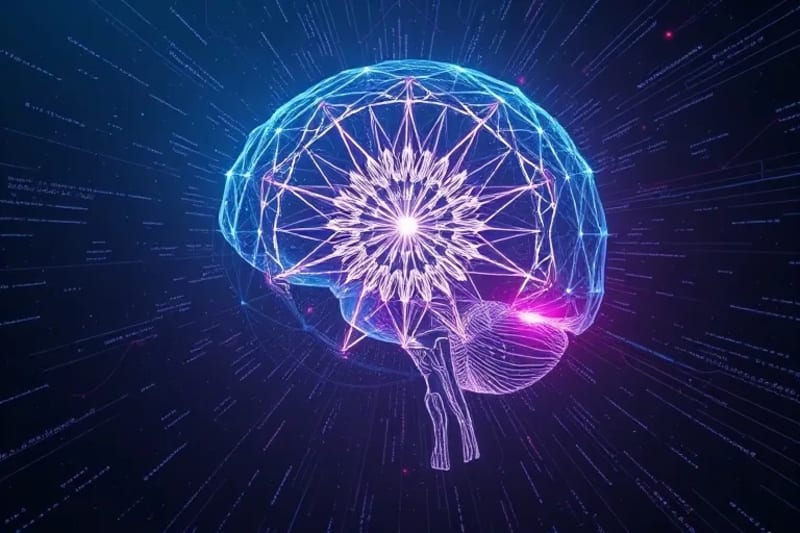
A conceptual interplay between the human mind and digital algorithms, illustrating the complex process of AI-powered dream analysis.
This image is an AI-generated conceptual render, designed to visually represent the intricate connection between consciousness and artificial intelligence in deciphering dreamscapes.Understanding AI-Powered Dream Interpretation
AI-powered dream interpretation systems typically leverage advanced machine learning algorithms, including natural language processing (NLP) and deep learning, to analyze textual descriptions of dreams. Users input their dream narratives, which the AI then processes to identify patterns, symbols, and recurring themes. These systems are trained on vast datasets of dream reports, psychological theories, and symbolic dictionaries, enabling them to draw connections and offer interpretations.
The core idea is to move beyond generic dream dictionaries by providing personalized insights based on an individual's unique dream history and reported emotional states. Some sophisticated models might even integrate biometric data or daily activity logs to contextualize dream content further. This approach aims to mimic the analytical process of a human dream therapist, albeit at a much larger scale and speed.
However, it's crucial to understand that AI does not "understand" dreams in the human sense. Instead, it identifies statistical correlations and patterns within the data it has been trained on. Its interpretations are probabilistic, based on what it has learned about how certain symbols or narratives typically relate to psychological states or life events. This distinction is fundamental when evaluating the ethical implications of such technology.
The Promise of Algorithmic Insight
The potential benefits of AI-powered dream interpretation are compelling. For many, access to traditional dream therapy is limited by cost, availability, or social stigma. AI tools could offer an accessible, anonymous, and affordable alternative for self-exploration and mental well-being support. They could help individuals identify stress triggers, emotional patterns, or even creative impulses that manifest in their dreams.
Furthermore, these systems could contribute to psychological research by analyzing dream data at an unprecedented scale. Researchers could uncover new correlations between dream content and various psychological conditions, potentially leading to earlier diagnoses or more targeted therapeutic interventions. The ability to track dream themes over time could also provide valuable longitudinal data for personal growth and therapeutic progress.
The personalized nature of AI analysis, which can adapt to an individual's unique symbolic language, offers a significant advantage over generalized interpretations. This could empower users to gain a deeper understanding of their subconscious processes, fostering self-awareness and emotional intelligence. For more on how digital tools can aid in personal growth, consider exploring the concepts of Techno-Shamanism and Digital Healing.
Ethical Quandaries: Privacy and Data Security
The most immediate and profound ethical concern revolves around privacy and data security. Dream narratives are intensely personal and often contain highly sensitive information about fears, desires, traumas, and relationships. Handing this data over to an AI system raises critical questions about how it will be stored, processed, and protected.
The delicate balance of securing highly personal dream data in the digital age.
Who owns this dream data? Can it be anonymized effectively? What happens if this data is breached, sold, or used for purposes beyond dream interpretation, such as targeted advertising, insurance risk assessment, or even legal proceedings? The intimate nature of dream content makes these questions particularly urgent. Robust encryption, strict data governance policies, and transparent user agreements are paramount.
Users must have clear control over their data, including the right to access, modify, and delete their dream records. The potential for companies to profit from such sensitive information without explicit and informed consent is a significant ethical red flag. Discussions around Neuro-rights and Mental Privacy in the age of AI become highly relevant here, as dream interpretation touches upon the very core of mental autonomy.
The long-term storage of such deeply personal information also poses risks. Even with current security measures, future advancements in AI or decryption techniques could potentially compromise data that is considered secure today. This necessitates a forward-thinking approach to data protection, anticipating future vulnerabilities.
Bias, Misinterpretation, and Algorithmic Authority
Another critical ethical challenge lies in the potential for algorithmic bias and misinterpretation. AI systems are only as unbiased as the data they are trained on. If the training data primarily reflects certain cultural perspectives, psychological theories, or demographic groups, the AI's interpretations may be skewed or irrelevant to users from different backgrounds.
Dreams are highly subjective and culturally nuanced. A symbol that holds one meaning in one culture might have a completely different connotation in another. An AI trained predominantly on Western psychological frameworks might misinterpret dreams from individuals with non-Western cultural backgrounds, leading to inaccurate or even harmful advice. This highlights the importance of diverse and inclusive training datasets.
Furthermore, the authority attributed to AI interpretations can be problematic. Users might place undue trust in an algorithm, accepting its interpretations as absolute truth, even when they are statistically derived and lack true "understanding." This could lead to self-fulfilling prophecies, anxiety, or a distorted self-perception if the AI's analysis is flawed or culturally inappropriate.
The risk of misinterpretation is particularly high when dealing with complex psychological states or traumatic dream content. An AI might lack the empathy, nuance, and contextual understanding necessary to handle such delicate matters, potentially causing distress rather than relief. The ethical imperative here is to design AI systems that acknowledge their limitations and encourage critical engagement rather than blind acceptance.
Autonomy and the Indispensable Human Element
The rise of AI dream interpretation also prompts questions about human autonomy and the role of human therapists. While AI offers accessibility, it cannot replicate the therapeutic relationship, empathy, and intuitive understanding that a human therapist provides. The act of sharing a dream with another human, and collaboratively exploring its meaning, is itself a powerful part of the healing process.

The convergence of ancient interpretive wisdom and modern algorithmic analysis in understanding the subconscious.
Relying solely on AI for dream interpretation might diminish an individual's capacity for self-reflection and personal meaning-making. Dreams are not just data points; they are deeply personal narratives that resonate with an individual's lived experience. The process of interpreting them is often one of active engagement, not passive reception of an algorithmic output. This is a concept explored in various forms of esoteric symbolism and its decoding, as discussed in Esoteric Symbolism in Modern Art.
AI tools should ideally function as complements to human insight, not replacements. They can provide initial analyses, highlight patterns, or suggest avenues for further exploration, but the ultimate interpretation and integration of dream insights should remain within the individual's control, perhaps guided by a human expert. This collaborative model preserves human autonomy and ensures a more holistic approach to mental well-being.
The ethical framework must emphasize that AI interpretations are suggestions, not definitive truths. Users should be encouraged to critically evaluate the AI's output against their own feelings and experiences, fostering a sense of empowerment rather than dependence.
Regulatory Frameworks and the Future of Dream Tech
As AI-powered dream interpretation tools become more sophisticated and widespread, the need for robust regulatory frameworks will become increasingly urgent. These regulations should address data privacy, algorithmic transparency, accountability for misinterpretations, and guidelines for responsible development and deployment. International cooperation will be essential, given the global nature of digital services.
Key areas for regulation include:
- Data Governance: Strict rules on data collection, storage, anonymization, and deletion, ensuring user consent is explicit and revocable.
- Algorithmic Transparency: Requirements for developers to explain how their AI models arrive at interpretations, including the data sources and psychological theories used.
- Accountability: Clear mechanisms for addressing harm caused by biased or incorrect interpretations, and defining liability.
- Ethical Design: Guidelines promoting user autonomy, critical engagement, and discouraging over-reliance on AI.
- Interoperability: Standards that allow users to transfer their dream data between different platforms, promoting competition and user control.
The future of AI-powered dream interpretation lies in a balanced approach that harnesses technological innovation while safeguarding human values. This means prioritizing ethical considerations from the design phase, fostering interdisciplinary collaboration between AI developers, psychologists, ethicists, and legal experts. The goal should be to create tools that augment human self-understanding, rather than diminish it, ensuring that the subconscious remains a realm of personal exploration and growth.
The development of such sensitive technologies must be guided by a commitment to ethical principles, ensuring that the pursuit of knowledge does not come at the cost of individual well-being or privacy. As we continue to explore the intricate connections between technology and consciousness, the ethical implications of AI in areas like dream interpretation will remain a crucial dialogue.
Explore More Insights
Dive deeper into related topics that bridge ancient wisdom with modern understanding and technology:
- Emerald Tablet Hermetic Principles Quantum Manifestation Reality Shaping
- Lunar Mansions: Advanced Predictive Astrology Esoteric Symbolism
- Vibrational Linguistics: Words, Power, Transformation
- Neuroarchitecture Mental Health: Designing Cognitive Spaces
- Karmic Evolutionary Tarot: Ancestral Patterns Soul Path
Source: Hybrid content assisted by AI and human editorial supervision.


Comments
Post a Comment