
Herbal Magic: Plants for Protection, Love, and Prosperity | StarPluto
Herbal magic, a practice as old as humanity itself, delves into the intrinsic properties of plants beyond their physical form, tapping into their energetic and symbolic essences. This ancient art, rooted in diverse cultural traditions worldwide, recognizes plants not merely as sources of sustenance or medicine, but as potent allies in spiritual and magical work. From the protective wards of a humble garlic clove to the alluring scent of a rose, herbs have been woven into the fabric of human belief systems to influence outcomes related to safety, affection, and material well-being.
The use of plants in magic is a testament to humanity's deep connection with nature and an intuitive understanding of the subtle energies that permeate the world. This practice is often intertwined with folk medicine, spirituality, and religious rituals, creating a rich tapestry of traditions that continue to thrive in various forms today. Understanding herbal magic involves learning about the specific correspondences of different plants and how to respectfully engage with their power.
This exploration will guide you through the historical context, the specific plants associated with protection, love, and prosperity, and the foundational principles for incorporating them into your spiritual practice. Whether you are a curious beginner or seeking to deepen your knowledge, the world of herbal magic offers a profound journey into the wisdom of the plant kingdom.

The Ancient Roots of Herbal Magic
The history of herbal magic is as old as human civilization, with evidence of plant-based rituals dating back to prehistoric times. Early humans observed the effects of plants on their bodies and minds, recognizing their healing, intoxicating, and sometimes deadly properties. This empirical knowledge, combined with animistic and spiritual beliefs, led to the attribution of magical powers to various botanicals.
Across ancient Egypt, Mesopotamia, Greece, and Rome, plants were integral to religious ceremonies, healing rituals, and protective charms. Priests, priestesses, shamans, and folk healers often possessed extensive knowledge of herbs, using them to communicate with deities, ward off evil spirits, attract blessings, and divine the future. This deep understanding was passed down through generations, often orally, forming the foundation of many contemporary magical traditions.
In medieval Europe, herbal magic flourished despite the rise of organized religion, often blending with Christian folklore and pagan practices. Wise women and cunning folk continued to use herbs for healing and enchantment, sometimes at great personal risk. Similarly, in African diaspora traditions like Voodoo and Hoodoo, plants play a central role, imbued with the spirits of ancestors and deities, used for a wide array of magical purposes.
Indigenous cultures worldwide, from the Native American tribes to the Amazonian shamans, have always held plants in high reverence, considering them sentient beings with spirits and profound wisdom. Their herbal magic is deeply connected to ecological understanding, sustainable harvesting, and a reciprocal relationship with the natural world. This global heritage underscores the universal human inclination to seek connection and influence through the power of plants.
Plants for Protection: Creating Energetic Shields
Protection is one of the most fundamental uses of herbal magic, aimed at warding off negative energies, evil spirits, and ill intentions. Many cultures believe that certain plants possess vibrational frequencies or spiritual guardians that can create a shield around a person, home, or space. These herbs are often used in sachets, incense, baths, or placed strategically around a property.
- Garlic (Guided Meditation Interdimensional Travel Consciousness): Renowned for its potent protective qualities, garlic has been used for centuries to repel evil, vampires, and negative entities. It can be hung in homes, carried, or used in protective spells.
- Rosemary (Emerald Tablet Hermetic Principles Manifestation Transformation): This fragrant herb is a versatile protector, offering purification, banishing negative energy, and enhancing memory. It can be burned as incense, added to baths, or placed under pillows for protection during sleep.
- Black Pepper (Piper nigrum): Often used in banishing spells, black pepper can help drive away unwanted influences and protect against psychic attacks. It is typically sprinkled around a space or added to protective powders.
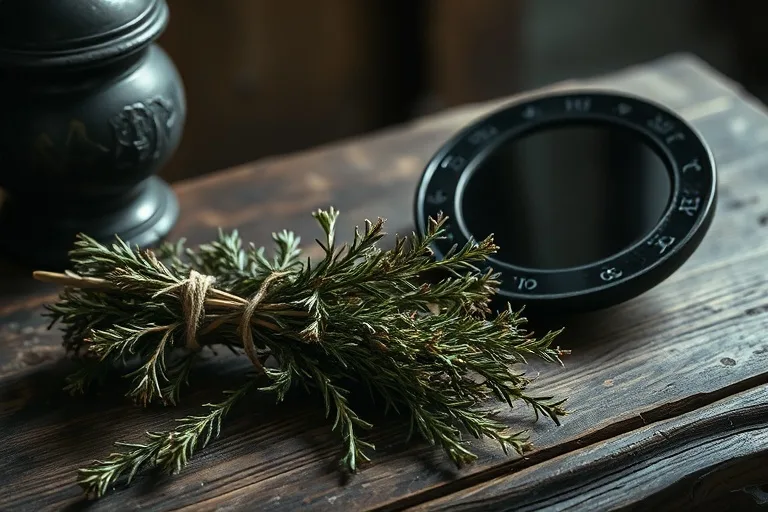
When working with protective herbs, intention is paramount. Clearly define what you wish to protect yourself or your space from, and visualize the plant's energy forming an impenetrable barrier. Regular cleansing and re-application of protective measures are often recommended to maintain their efficacy. These practices serve as a potent reminder of our ability to influence our energetic environment.
Herbs for Love and Attraction: Cultivating Affection and Harmony
The pursuit of love, passion, and harmonious relationships has long been a central theme in herbal magic. Plants associated with love are believed to attract affection, enhance romance, heal emotional wounds, and foster understanding between individuals. These herbs are often used in love sachets, potions, incenses, or placed in areas where love is desired.
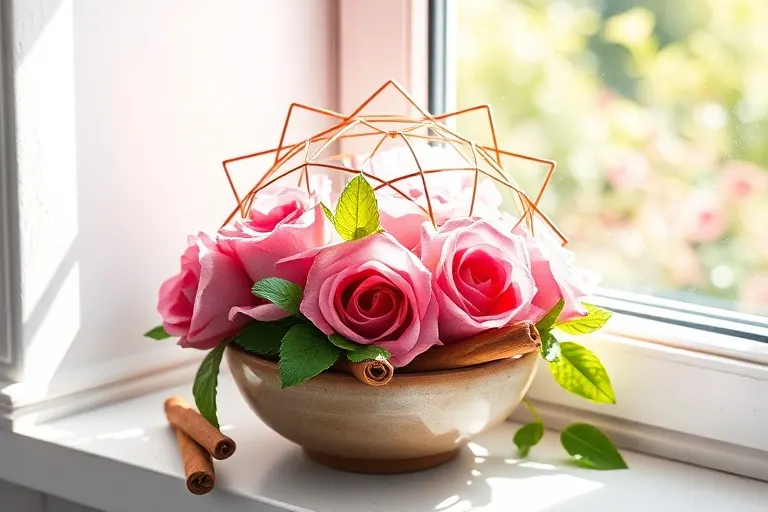
- Rose (Chrono-Astrology Ancestral Echoes Navigating Personal Time Cycles): The quintessential flower of love, the rose embodies passion, romance, and beauty. Its petals are used in love spells, baths, and charms to attract new love or deepen existing relationships.
- Cinnamon (Tarot Quantum Mechanics Intersecting Divination Reality): A warming and stimulating spice, cinnamon is associated with passion, lust, and attraction. It also draws in good fortune and success. Use it in sachets, incense, or sprinkle it to spice up your love life.
When working with herbs for love, it's crucial to focus on attracting healthy, consensual relationships and fostering self-love. Avoid any practices that seek to manipulate another person's free will. The goal is to open yourself to love and create an inviting energetic environment for it to flourish naturally. Remember that true love magic begins with self-respect and clear intentions.
Botanical Allies for Prosperity and Abundance
Beyond protection and love, herbal magic offers powerful tools for attracting prosperity, wealth, and abundance in all its forms. These plants are believed to draw in positive opportunities, financial stability, and overall good fortune. They are often incorporated into charms, sachets, baths, or placed in business settings or wallets.
- Bay Leaf (Herbal Magic: Plants for Spellwork & Spiritual Healing | StarPluto): A powerful herb for granting wishes, success, and protection. Writing a wish on a bay leaf and burning it is a common practice for manifesting desires, including financial ones.
When invoking prosperity through herbal magic, it's important to define what abundance means to you. Is it financial wealth, career success, creative opportunities, or a general sense of well-being? Focus your intention clearly and combine your herbal work with practical steps towards your goals. Remember that magic often works by opening doors and creating opportunities, which still require your action to manifest fully.
How to Work with Magical Herbs: Practical Applications
Engaging with herbal magic involves more than just knowing which plant does what; it requires understanding how to prepare and apply them effectively. The method chosen often depends on the specific intention and the tradition being followed. Here are some common ways to incorporate magical herbs into your practice:
- Sachets and Charms: Small cloth bags filled with dried herbs, crystals, and other symbolic items, carried on the person, placed under a pillow, or hung in a specific location (e.g., a protective sachet by the front door, a love sachet in a bedroom).
- Infusions and Teas: Herbal teas can be consumed for internal magical work (e.g., chamomile for peace) or used as washes for cleansing spaces or anointing objects.
- Baths and Washes: Adding herbs to bathwater for purification, attraction, or healing. Floor washes made with herbal infusions are used to cleanse and bless homes or businesses.
- Burning (Incense/Smudging): Dried herbs or resins can be burned to release their energetic properties into the air. This is common for purification (e.g., rosemary, juniper), attracting specific energies (e.g., jasmine for love), or for ritual offerings. Ensure proper ventilation and fire safety.
- Oils and Tinctures: Herbs can be infused into carrier oils to create anointing oils for candles, tools, or the body. Tinctures (alcohol-based extracts) can be used similarly or consumed in small doses (with caution and proper research).
- Placement and Growing: Simply placing fresh or dried herbs in specific locations, or growing them in your garden, can imbue an area with their magical properties. For example, growing basil near your entrance for prosperity.
Before working with any herb, it is vital to research its properties, both magical and practical. Some herbs can be toxic if ingested or cause skin irritation. Always prioritize safety and consult reliable sources. Setting a clear intention before you begin any magical work is crucial. Focus your will and visualize the desired outcome as you prepare and use your chosen herbs.
Ethical Considerations and Respectful Practice in Herbal Magic
As with any spiritual practice, ethical considerations are paramount in herbal magic. Respect for the plants, the traditions from which these practices originate, and the free will of others should always guide your actions. Approaching herbal magic with integrity ensures that your work is beneficial and aligned with positive intentions.
One crucial aspect is sourcing your herbs responsibly. Whenever possible, grow your own or purchase from sustainable and ethical suppliers. If wildcrafting, learn proper techniques to avoid over-harvesting and damaging ecosystems. Always ask permission from the plant and offer gratitude for its gifts. This fosters a reciprocal relationship with nature, acknowledging the plant as a living entity.
The practice of herbal magic, while deeply personal, often draws from ancient cultural wisdom. It is imperative to approach traditions that are not your own with respect and humility. Avoid cultural appropriation by understanding the origins of practices and refraining from adopting them without proper knowledge or respect for their cultural context.
Focus on personal growth and positive intent. Herbal magic should be used to enhance your life, foster well-being, and attract positive experiences, not to control or harm others. The principle of "do no harm" is a cornerstone of ethical magical practice.
Educate yourself continuously. Read books, consult experienced practitioners, and engage with communities that value ethical and respectful magical work. The journey of herbal magic is one of continuous learning and deepening connection with the natural world. By adhering to these ethical guidelines, you ensure that your practice is not only effective but also harmonious and beneficial for all involved.
Conclusion: Embracing the Enduring Power of Plant Wisdom
Herbal magic, with its rich history and diverse applications, continues to offer a profound path for those seeking to connect with the natural world and influence their lives through intention and plant energy. From ancient protective wards to modern prosperity charms, the wisdom of plants remains a potent force, accessible to anyone willing to learn and engage respectfully.
By understanding the specific properties of herbs for protection, love, and prosperity, and by applying them with clear intention and ethical practice, you can weave a deeper connection to nature's cycles and unlock a powerful dimension of personal empowerment. Embrace this ancient art not just as a collection of spells, but as a holistic way of living in harmony with the earth and its abundant gifts, fostering a life filled with purpose, balance, and well-being.
Source: Hybrid content assisted by AIs and human editorial supervision.


Comments
Post a Comment