
Psycho Astrology Jungian Archetypes Shadow Wholeness Self-Discovery
Psycho-Astrology represents a profound convergence of two ancient yet ever-evolving disciplines: psychology and astrology. This interdisciplinary field delves into the intricate relationship between the human psyche and the cosmic tapestry, offering a unique framework for self-discovery and personal growth. By integrating the depth psychology of Carl Jung with the symbolic language of the birth chart, individuals can gain unparalleled insights into their core motivations, hidden potentials, and the unconscious forces shaping their lives.
At its heart, psycho-astrology seeks to understand the 'why' behind our experiences, moving beyond mere prediction to explore the archetypal patterns embedded within our astrological blueprint. This approach provides a holistic perspective, recognizing that our outer circumstances often mirror our inner psychological landscape. It's a journey not just of knowing oneself, but of integrating all facets of one's being into a coherent and authentic whole.
 Precursors intellectuales, diagramas fundamentales y representaciones conceptuales que forjaron la visión de Carl Jung sobre la integración de la psique.
Fuente visual sujeta a disponibilidad del ecosistema: Wikimedia Commons bajo licencia CC BY-SA 4.0 o renderizado conceptual IA.
This article will explore the fundamental concepts of Jungian psychology, such as archetypes and the shadow self, and demonstrate how they manifest within the astrological birth chart. We will delve into the process of individuation, Jung's lifelong journey towards psychological wholeness, and how astrological analysis can serve as a powerful tool in navigating this transformative path. Understanding these dynamics is crucial for anyone seeking deeper self-awareness and a more integrated existence.
Table of Contents
- Understanding Psycho-Astrology: A Synthesis of Disciplines
- Jungian Archetypes and the Astrological Blueprint
- Unveiling the Shadow Self in the Natal Chart
- The Path to Wholeness: Individuation through Astro-Psychology
- Practical Integration: Applying Psycho-Astrology for Self-Discovery
- Conclusion: Charting the Depths of the Psyche
Understanding Psycho-Astrology: A Synthesis of Disciplines
Psycho-astrology is not merely a blend of two fields but a sophisticated synthesis that enriches both. Carl Jung, the founder of analytical psychology, recognized the symbolic resonance between astrological patterns and the dynamics of the human psyche. He viewed astrology as a symbolic representation of the collective unconscious, a repository of universal patterns and images that he termed archetypes. This perspective elevates astrology from a predictive tool to a diagnostic and therapeutic instrument, capable of revealing deep psychological structures.
The core premise is that the birth chart, a snapshot of the cosmos at the moment of our first breath, serves as a symbolic map of our innate psychological landscape. Each planet, sign, house, and aspect within the chart corresponds to specific psychological functions, drives, and complexes. By interpreting these symbols through a Jungian lens, we can uncover the archetypal energies at play within an individual, understand their inner conflicts, and identify pathways for growth and integration. This approach moves beyond deterministic interpretations, empowering individuals to consciously engage with their destiny rather than passively experiencing it.
Jungian Archetypes and the Astrological Blueprint
Jungian archetypes are universal, archaic patterns and images that derive from the collective unconscious and are the psychic counterpart of instinct. They are not inherited ideas, but rather inherited predispositions to respond to the world in certain ways. Key archetypes include the Persona (the mask we present to the world), the Anima/Animus (the unconscious feminine/masculine within), the Great Mother, the Wise Old Man, the Hero, and crucially, the Shadow. In psycho-astrology, these archetypes find direct correlation within the birth chart.
For instance, the Sun sign often relates to the Hero archetype, representing our conscious ego and life's purpose. The Moon sign can symbolize the Great Mother or the child archetype, reflecting our emotional needs and security patterns. Venus and Mars embody aspects of the Anima and Animus, revealing how we relate to love, desire, and assertion. Challenging planetary aspects or placements in certain houses might indicate areas where these archetypal energies are repressed, underdeveloped, or in conflict, leading to psychological complexes. Understanding these connections allows for a deeper, more nuanced interpretation of the astrological chart, moving beyond superficial traits to core psychological drivers. This deep dive into the natal chart can often reveal healing deep wounds that are archetypally rooted.
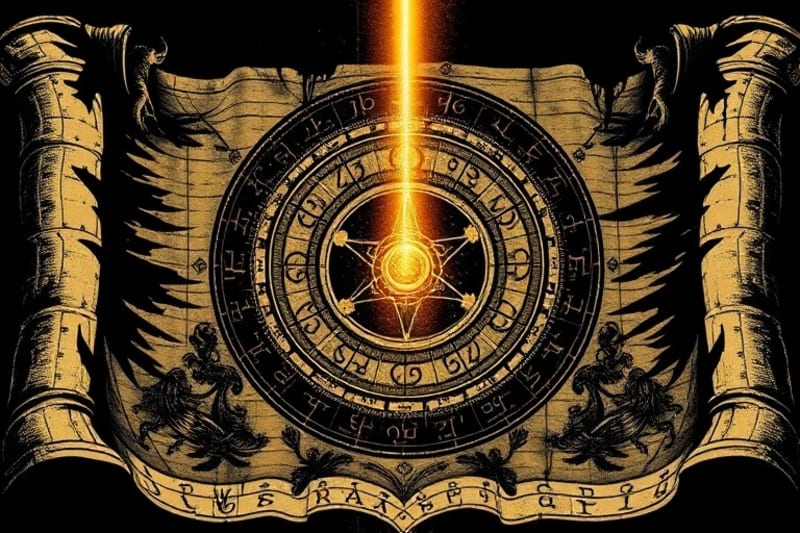 A surreal digital painting depicting the complex interplay of the birth chart and the unconscious shadow.
Unveiling the Shadow Self in the Natal Chart
The Shadow, according to Jung, encompasses everything that we have repressed or disowned about ourselves, both negative and positive qualities. It is the 'dark side' of our personality that we often project onto others. In psycho-astrology, the Shadow Self is often revealed through specific astrological configurations. Planets in the 12th house, for example, can symbolize unconscious patterns and hidden aspects of the self that are difficult to access consciously. Challenging aspects (squares, oppositions) involving personal planets (Sun, Moon, Mercury, Venus, Mars) and outer planets (Uranus, Neptune, Pluto) can highlight areas where shadow material is actively being projected or creating inner conflict.
Pluto, the planet of transformation and regeneration, is particularly significant in understanding the Shadow. Its placement and aspects in the birth chart can point to areas of power dynamics, unconscious compulsions, and deep-seated fears that reside in the shadow. Similarly, Saturn's challenging aspects might indicate areas of self-criticism, inadequacy, or fear that have been internalized and pushed into the unconscious. Recognizing these astrological indicators is the first step towards integrating the Shadow, a crucial process for psychological growth. This transformative power of Pluto in astrology is central to understanding the deepest layers of the psyche.
Integrating the Shadow does not mean becoming 'evil' or indulging in negative behaviors; rather, it means acknowledging and understanding these disowned parts of ourselves. By bringing unconscious material into conscious awareness, we can reclaim projected energy, reduce inner conflict, and achieve a more authentic and integrated self. The birth chart acts as a guide, illuminating where this shadow work is most potent and necessary.
The Path to Wholeness: Individuation through Astro-Psychology
Jung's concept of individuation is the lifelong psychological process of differentiating the self from both the personal and collective unconscious, leading to the development of individual personality. It is the process of becoming a 'whole' person, integrating all aspects of the psyche, including the Shadow. Psycho-astrology offers a powerful roadmap for this journey. By identifying the archetypal patterns and shadow material in the birth chart, individuals can consciously engage with their inner world, rather than being driven by unconscious forces.
The process of individuation often involves confronting and integrating the Shadow, balancing the Anima/Animus, and developing a stronger, more authentic ego. Astrological transits and progressions can highlight specific periods in life when these archetypal energies are activated, providing opportune moments for psychological work and growth. For example, a challenging Pluto transit might necessitate a confrontation with one's own power dynamics or hidden fears, pushing for profound transformation. Similarly, understanding fixed stars and soul healing can provide additional layers of insight into karmic patterns influencing the individuation process.
The ultimate goal is to achieve psychological wholeness, a state where the conscious and unconscious aspects of the self are harmoniously integrated. This leads to greater self-acceptance, authenticity, and a deeper connection to one's true purpose. The birth chart serves as a constant reference point, offering symbolic guidance throughout this complex and rewarding journey.
 An abstract geometric artwork symbolizing the harmonious integration of psychological and astrological elements into a complete self.
Practical Integration: Applying Psycho-Astrology for Self-Discovery
Applying psycho-astrology in practice involves a multi-faceted approach. It typically begins with a thorough analysis of the natal chart, focusing on key planetary placements, aspects, and house rulerships that correlate with Jungian archetypes and potential shadow material. This analysis is not about fortune-telling but about psychological mapping, identifying areas of strength, vulnerability, and unconscious dynamics.
Therapists and counselors trained in psycho-astrology use the birth chart as a diagnostic tool to help clients understand their core issues, recurring patterns, and inner conflicts. For individuals, it can serve as a powerful self-reflection tool, guiding journaling, meditation, and active imagination exercises. For example, understanding a challenging Moon-Saturn aspect might lead to exploring early childhood experiences related to emotional repression or feelings of inadequacy, facilitating conscious integration.
Furthermore, psycho-astrology aids in understanding interpersonal dynamics. Synastry (chart comparison) can reveal how archetypal projections operate in relationships, helping individuals navigate conflicts and foster deeper connections by recognizing their own shadow projections onto others. This integration of psychological depth with astrological insight provides a robust framework for profound and lasting self-discovery, moving beyond superficial understanding to genuine transformation.
Conclusion: Charting the Depths of the Psyche
Psycho-astrology offers a sophisticated and deeply insightful pathway to self-discovery, integrating the timeless wisdom of astrology with the profound psychological theories of Carl Jung. By exploring Jungian archetypes, confronting the Shadow Self, and embarking on the journey of individuation through the lens of the birth chart, individuals can unlock their full potential and achieve a state of psychological wholeness. This approach provides not just answers, but a framework for asking deeper questions about who we are and why we are here.
The birth chart is more than a cosmic fingerprint; it is a symbolic map of the soul, rich with archetypal narratives waiting to be understood and integrated. Embracing psycho-astrology means committing to a lifelong process of self-exploration, where every planetary placement and aspect becomes a clue to unlocking greater self-awareness and living a more authentic, integrated life. It is a testament to the enduring power of ancient wisdom meeting modern psychological insight, guiding us towards a more conscious and fulfilling existence.
Explore Further Insights
Source: Hybrid content assisted by AI and human editorial supervision.


Comments
Post a Comment