
Techno-Shamanism Digital Tools Modern Healing Rituals
Techno-Shamanism: Bridging Ancient Rituals with Digital Tools for Modern Healing
In an increasingly digital world, the quest for spiritual connection and holistic well-being often leads individuals to explore innovative paths. One such emerging field is techno-shamanism, a fascinating synthesis that marries ancient shamanic practices with contemporary digital tools and technologies. This approach seeks to leverage the power of modern innovation to enhance traditional healing rituals, mindfulness practices, and personal transformation journeys, making them accessible and relevant in the 21st century.
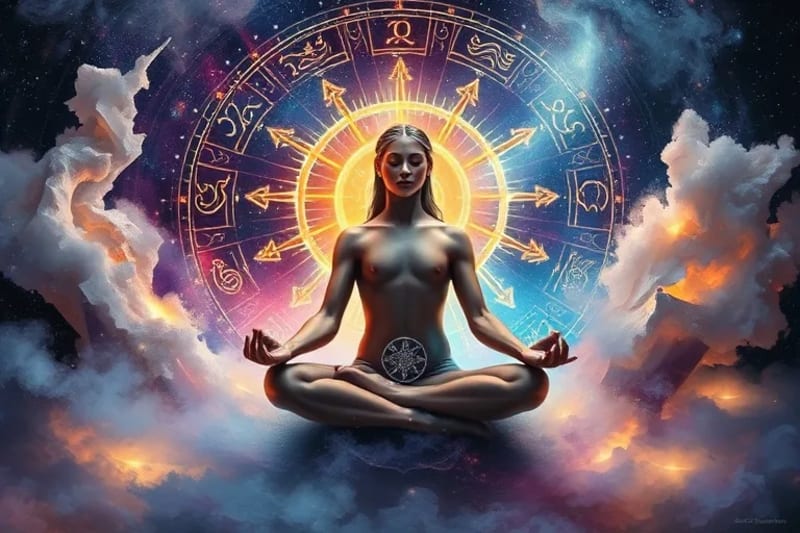
A serene meditative figure integrating holographic projections and ancient symbols, symbolizing the fusion of technology and spirituality in modern healing.
Techno-shamanism is not about replacing the profound wisdom of indigenous cultures but rather about finding new modalities to express and experience these timeless truths. It acknowledges that while the tools may evolve, the fundamental human need for connection, healing, and understanding remains constant. By integrating digital platforms, virtual reality, biofeedback, and other technological advancements, practitioners aim to create immersive and personalized spiritual experiences that resonate with contemporary individuals.
This article delves into the core principles of techno-shamanism, exploring its historical underpinnings, the digital tools it employs, its practical applications in modern healing, and the ethical considerations that guide its development. We will also look at the potential future trajectories of this intriguing blend of ancient wisdom and cutting-edge technology.
Table of Contents
- What is Techno-Shamanism?
- Historical Roots of Shamanism
- The Digital Transformation: Tools and Platforms
- Applications in Modern Healing
- Ethical Considerations and Best Practices
- The Future of Techno-Shamanism
- Conclusion
What is Techno-Shamanism?
Techno-shamanism can be defined as the intentional integration of digital technologies and scientific understanding with traditional shamanic principles and practices. It is a contemporary spiritual movement that seeks to harness the immersive and transformative potential of technology to facilitate altered states of consciousness, promote healing, and foster deeper self-awareness. This fusion aims to create new pathways for spiritual exploration that are relevant to the modern human experience.
At its core, techno-shamanism recognizes the shaman's role as a bridge between worlds – the visible and invisible, the mundane and the sacred. In this modern context, technology becomes an extension of this bridging capability, offering new ways to access inner landscapes, connect with archetypal energies, and engage in symbolic rituals. It moves beyond the purely physical realm, utilizing digital interfaces to explore consciousness and energetic fields, much like bio-energetic art channels positive energy for healing spaces.
Key characteristics of techno-shamanism include:
- Integration of Technology: Utilizing virtual reality (VR), augmented reality (AR), biofeedback devices, sound frequencies, and digital art to create immersive experiences.
- Focus on Consciousness: Exploring altered states of consciousness for healing, insight, and spiritual growth, often without the use of psychoactive substances.
- Personalized Experiences: Tailoring digital environments and tools to individual needs and intentions, providing a unique journey for each participant.
- Community and Connection: Facilitating shared virtual spaces for collective rituals and group healing, fostering a sense of belonging in the digital age.
- Ethical Awareness: Emphasizing respect for indigenous traditions, intellectual property, and the responsible use of technology for well-being.
Historical Roots of Shamanism
To understand techno-shamanism, it is essential to appreciate the rich history of shamanism itself. Shamanism is an ancient spiritual practice found in diverse cultures across the globe, dating back tens of thousands of years. The term "shaman" originates from the Evenki language of Siberia and refers to a person who acts as an intermediary between the human and spirit worlds. Shamans are traditionally healers, diviners, and spiritual guides who enter altered states of consciousness to communicate with spirits, retrieve lost souls, and bring balance to individuals and communities.
Traditional shamanic practices often involve:
- Ritual and Ceremony: Structured activities designed to invoke spiritual presence and facilitate transformation.
- Drumming and Chanting: Rhythmic sounds used to induce trance states and shift consciousness.
- Vision Quests: Solitary journeys into nature to seek guidance and spiritual insight.
- Plant Medicine: The ceremonial use of sacred plants to facilitate healing and spiritual experiences.
- Animal Guides and Spirit Allies: Connection with spiritual entities for protection and wisdom.
The core function of a shaman has always been to address imbalances – whether physical, emotional, or spiritual – and to restore harmony. This ancient wisdom, focused on holistic well-being and interconnectedness, forms the philosophical bedrock upon which techno-shamanism builds. The modern adaptation seeks to achieve similar outcomes using contemporary tools, recognizing the profound impact of symbolic actions and focused intention, much like Psychomagia rituals unblock karmic transformation.
The Digital Transformation: Tools and Platforms
The "techno" aspect of techno-shamanism encompasses a wide array of digital tools and platforms designed to enhance, simulate, or facilitate shamanic experiences. These technologies allow for unprecedented levels of immersion, customization, and accessibility, opening up new frontiers for spiritual exploration and healing.
Intricate vector art depicting the seamless integration of digital circuitry with ancient tribal motifs.
Some of the most prominent digital tools include:
- Virtual Reality (VR) and Augmented Reality (AR): These technologies create immersive environments that can simulate spiritual journeys, sacred landscapes, or encounters with archetypal figures. VR can transport users to virtual forests, ancient temples, or cosmic realms, while AR overlays digital elements onto the real world, enhancing everyday reality with spiritual symbolism.
- Biofeedback and Neurofeedback Devices: These tools monitor physiological responses (e.g., heart rate, brainwave activity) and provide real-time feedback, allowing individuals to learn to regulate their own states of consciousness. This can aid in achieving deep meditative states or managing stress, similar to how early diagnosis of neurodegenerative diseases uses advanced monitoring.
- Binaural Beats and Isochronic Tones: Specific sound frequencies delivered through headphones can entrain brainwaves to induce various states of consciousness, from deep relaxation to heightened awareness, mimicking the effects of shamanic drumming.
- Digital Art and Generative AI: AI-powered art generation can create dynamic, evolving visual landscapes that respond to user input or biometric data, providing personalized visual aids for meditation and visualization.
- Online Communities and Platforms: Digital spaces facilitate global communities for sharing experiences, participating in guided meditations, and engaging in collective rituals, transcending geographical boundaries.
These tools are not merely distractions; they are designed to be intentional facilitators of inner work, providing structured and safe environments for exploration that might otherwise be difficult to access in modern urban settings. They offer a controlled way to engage with the symbolic and energetic aspects of shamanism.
Applications in Modern Healing
The applications of techno-shamanism in modern healing are diverse and continually expanding. By combining ancient wisdom with technological innovation, practitioners are addressing a range of contemporary challenges, from stress and anxiety to the search for meaning and purpose. The goal is to provide accessible and effective methods for personal growth and holistic well-being.
Key areas of application include:
- Stress Reduction and Mindfulness: VR environments can create calming, natural settings for guided meditations, helping users achieve deep relaxation and enhance mindfulness. Biofeedback can teach individuals to consciously control their stress responses.
- Trauma Processing and Emotional Release: Immersive digital narratives can provide safe, symbolic spaces for individuals to confront and process past traumas, allowing for emotional release and integration.
- Personal Growth and Self-Discovery: Virtual vision quests or guided journeys can help individuals connect with their inner wisdom, explore archetypal patterns, and gain insights into their life path, much like understanding planetary archetypes unlocks inner gods and goddesses.
- Pain Management: VR has shown promise in distracting patients from pain and reducing their perception of discomfort, offering a non-pharmacological adjunct to pain management strategies.
- Addiction Recovery: Digital tools can provide supportive environments for visualization, relapse prevention strategies, and connecting with virtual support groups.
- Community Building: Online platforms foster global communities where individuals can share their spiritual journeys, participate in collective rituals, and find support, combating feelings of isolation.
The efficacy of these applications often lies in their ability to engage multiple senses and bypass the analytical mind, allowing for a more direct and experiential engagement with spiritual concepts. This experiential learning can be deeply transformative, fostering new perspectives and coping mechanisms.
A 3D render of a glowing crystal orb intertwined with data streams and ancient runes, symbolizing conceptual healing and transformative energies.
Ethical Considerations and Best Practices
As with any emerging field that blends ancient traditions with modern technology, techno-shamanism presents several ethical considerations that must be carefully navigated. Responsible practice is paramount to ensure that these powerful tools are used for genuine healing and growth, rather than exploitation or cultural appropriation.
Key ethical guidelines include:
- Respect for Indigenous Traditions: Acknowledging the origins of shamanic practices and avoiding the commodification or trivialization of sacred rituals. This means engaging in respectful dialogue, seeking permission where appropriate, and crediting sources.
- Informed Consent and Safety: Ensuring participants fully understand the nature of the experience, potential psychological effects, and safety protocols, especially with immersive technologies.
- Data Privacy and Security: Protecting personal and biometric data collected through biofeedback or other digital tools.
- Accessibility and Equity: Striving to make techno-shamanic tools and experiences accessible to diverse populations, bridging digital divides rather than exacerbating them.
- Professional Training and Competence: Practitioners should possess a deep understanding of both shamanic principles and the technologies they employ, ensuring they can guide participants safely and effectively.
- Avoiding Dogmatism and Cult-like Structures: Promoting critical thinking and individual agency, rather than fostering dependence or unquestioning belief in a particular system or leader.
The responsible development of techno-shamanism requires ongoing dialogue between technologists, spiritual practitioners, ethicists, and indigenous communities. It is a path that demands humility, integrity, and a genuine commitment to well-being.
The Future of Techno-Shamanism
The future of techno-shamanism is poised for significant growth and innovation as technology continues to advance and societal interest in holistic well-being intensifies. We can anticipate more sophisticated and personalized experiences, deeper integration with scientific research, and wider acceptance within mainstream wellness paradigms.
Potential future developments include:
- Advanced AI Integration: AI could personalize spiritual journeys even further, adapting in real-time to a user's emotional state, physiological data, and stated intentions, creating truly dynamic and responsive experiences.
- Haptic Feedback and Olfactory Experiences: The integration of haptic suits and scent dispensers could add tactile and olfactory dimensions to virtual shamanic journeys, making them even more immersive and realistic.
- Neuro-Hacking for Consciousness: More advanced neurofeedback and brain-computer interfaces (BCIs) might allow for precise manipulation of brain states to facilitate specific spiritual experiences or therapeutic outcomes, though this area would require rigorous ethical oversight.
- Global Virtual Retreats: The ability to host large-scale, interactive virtual retreats could connect millions of people worldwide in collective spiritual practices, fostering a new sense of global community.
- Integration with Healthcare: As evidence mounts for the therapeutic benefits, techno-shamanic tools may become integrated into conventional healthcare settings, offering complementary therapies for mental health, chronic pain, and rehabilitation.
The evolution of techno-shamanism reflects a broader human impulse to innovate and adapt, using the best available tools to address fundamental spiritual needs. It represents a fascinating frontier where science, spirituality, and technology converge to redefine what healing and self-discovery can mean in the digital age.
Conclusion
Techno-shamanism stands as a testament to humanity's enduring quest for meaning and healing, demonstrating how ancient wisdom can find new expression through modern technology. By carefully blending the profound insights of shamanic traditions with the immersive capabilities of digital tools, this field offers innovative pathways for personal transformation, stress reduction, and spiritual connection. While ethical considerations remain paramount, the potential for techno-shamanism to enhance well-being and foster a deeper understanding of consciousness in our rapidly evolving world is immense. It invites us to explore the sacred in new dimensions, proving that the spirit of inquiry and healing transcends time and technology.
Explore Further: Related Insights
Advanced Predictive Astrology: Mastering Critical Degrees
Planetary Dignities: Aspects Strengthening Natal Potential
I Ching: Ancient Wisdom for Modern Decisions
Eco-Conscious Manifestation Harmonizing Desires Planetary Well-being
Source: Hybrid content assisted by AI and human editorial supervision.


Comments
Post a Comment