
Urban Geomancy City Dwellings Well-being Alignment Principles
In an increasingly urbanized world, the concept of well-being extends beyond personal habits to encompass the very spaces we inhabit. Urban geomancy emerges as a powerful discipline, seeking to harmonize city dwellings with natural energy flows to foster enhanced vitality and peace. This ancient wisdom, adapted for contemporary metropolises, offers a unique perspective on how our built environment profoundly influences our physical, mental, and spiritual health.
By understanding and applying the principles of urban geomancy, architects, urban planners, and individuals can transform concrete jungles into vibrant ecosystems that support human flourishing. It's a holistic approach that acknowledges the subtle energies of the land and integrates them into design, creating spaces that feel inherently right and supportive.
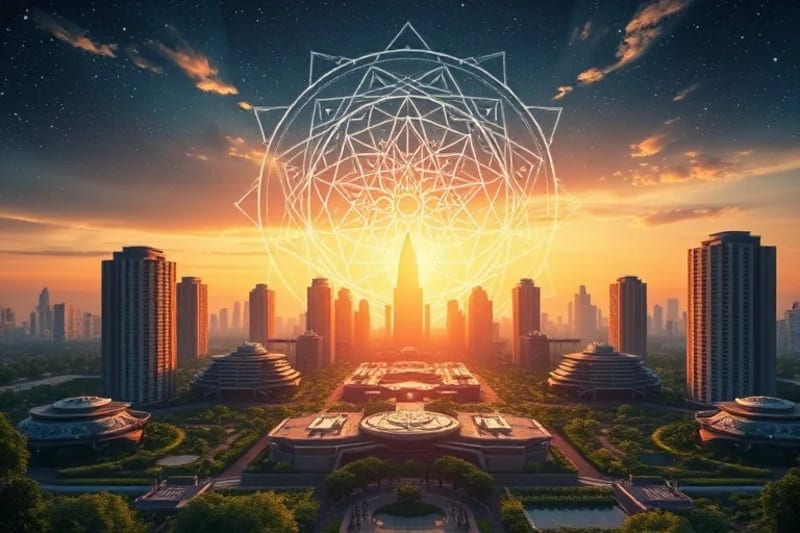 Conceptual visualization of urban geomancy principles, integrating natural elements and energy flows into futuristic cityscapes for enhanced well-being.
Table of Contents
- What is Urban Geomancy?
- Historical Roots and Modern Adaptation
- Core Principles of Urban Geomancy
- Practical Applications in City Design
- Enhancing Well-being: The Benefits
- Challenges and Future Directions
- Conclusion: Harmonizing Urban Living
What is Urban Geomancy?
Urban geomancy is the practice of understanding and working with the Earth's subtle energies within an urban context to create spaces that promote health, prosperity, and harmony. It’s an interdisciplinary field that draws from ancient traditions like Feng Shui and Vastu Shastra, combining them with modern environmental psychology, sustainable design, and urban planning principles.
At its core, geomancy posits that the land itself possesses an energetic blueprint, often referred to as 'telluric currents' or 'ley lines'. These energies can be either beneficial or detrimental, and their interaction with human-made structures significantly impacts the inhabitants. Urban geomancy aims to identify these energy patterns and design urban environments that amplify positive influences while mitigating negative ones.
This involves a meticulous analysis of various factors, from the topography of a city block to the orientation of individual buildings and the placement of interior elements. The goal is to foster a symbiotic relationship between humans and their urban habitat, ensuring that the built environment supports, rather than detracts from, overall well-being. It’s about creating a living city that breathes with its inhabitants.
Historical Roots and Modern Adaptation
The roots of geomancy stretch back thousands of years, with civilizations across the globe developing sophisticated systems for aligning their settlements with natural forces. Ancient Chinese Feng Shui, meaning "wind and water," is perhaps the most well-known, focusing on the flow of 'Qi' (life force energy) in the environment. Similarly, India's Vastu Shastra provides guidelines for architectural design and construction to ensure harmony with cosmic energies.
These traditional practices were often applied to rural landscapes, villages, and individual homes. However, the rapid growth of cities in the last few centuries presented new challenges. Modern urban geomancy adapts these ancient principles to the unique complexities of metropolitan areas, where natural landscapes are often obscured by concrete and steel, and energy flows are influenced by infrastructure and dense populations.
The adaptation involves reinterpreting concepts such as "mountains" and "rivers" as tall buildings and traffic arteries, and understanding how electromagnetic fields (EMFs) and pollution impact urban energy. It also incorporates contemporary knowledge of environmental science and human psychology to create more resilient and health-promoting urban spaces. The essence remains the same: to create a harmonious interaction between humans and their surroundings.
Core Principles of Urban Geomancy
Urban geomancy operates on several fundamental principles that guide the assessment and design of city environments. These principles are not rigid rules but flexible guidelines for creating energetic balance.
- Energy Flow (Qi/Prana): Central to geomancy is the concept of vital life force energy. In urban settings, this translates to understanding how energy moves through streets, parks, and buildings. Blockages or excessive speeds of energy can lead to stagnation or turbulence, impacting inhabitants.
- Cardinal Directions and Orientation: The orientation of buildings and rooms relative to the compass points is crucial. Different directions are associated with specific energies and influences, affecting light, air circulation, and even psychological states.
- Five Elements (Wood, Fire, Earth, Metal, Water): Derived from Feng Shui, this framework helps balance different aspects of an environment. For instance, incorporating water features can enhance wealth and tranquility, while wood elements promote growth and vitality.
- Form and Landscape: The shape of buildings, the contours of the land, and the presence of natural or artificial features (e.g., rivers, roads, parks) are analyzed for their energetic impact. Sharp angles or oppressive structures can create negative energy, while gentle curves and open spaces foster calm.
- Biophilic Design: Integrating natural elements and processes into urban design is a key aspect. This includes green roofs, vertical gardens, urban forests, and accessible parks, which connect city dwellers with nature and enhance their well-being. This concept is closely related to Biophilic Manifestation: Nature's Blueprint for Intentions, emphasizing the power of natural integration.
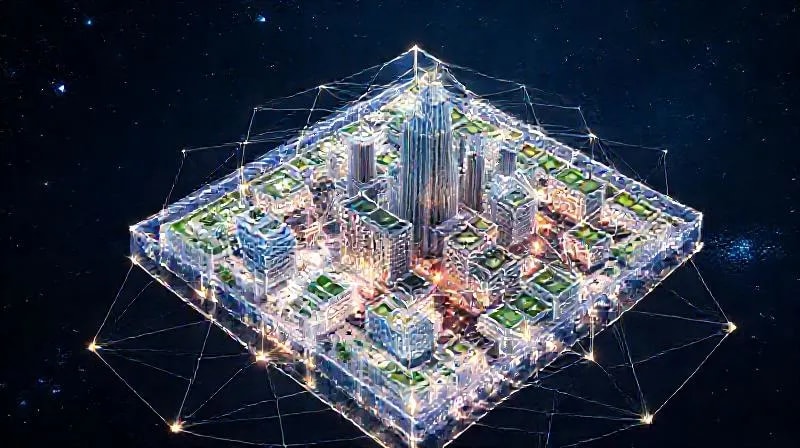 A 3D render illustrating the subtle energy flows and their interaction with urban structures and natural elements within a city block.
Practical Applications in City Design
Implementing urban geomancy involves a range of practical applications, from large-scale urban planning to the design of individual living spaces. These applications aim to optimize the energetic environment for human benefit.
Site Selection and Planning: Before construction, geomancers assess potential sites for their underlying energy patterns. This includes identifying areas with beneficial telluric currents and avoiding those with geopathic stress zones, which can negatively impact health. The layout of streets, parks, and public buildings is then designed to facilitate positive energy flow and create harmonious zones.
Building Design and Layout: The orientation of buildings is critical. For example, aligning a building to capture optimal sunlight and natural ventilation can enhance the flow of positive energy. The internal layout, including the placement of entrances, windows, and core functions, is also considered to ensure that energy circulates freely and supports the intended purpose of each space.
Interior Arrangement: Within individual dwellings, urban geomancy guides the arrangement of furniture, choice of colors, and selection of materials. For instance, placing a bed in a "commanding position" or using specific color palettes to balance elements can significantly impact sleep quality and mood. Understanding Chakra Balancing: Beginner's Guide to Energy Centers can also inform interior design choices, aligning personal energy with environmental energy.
Incorporating Natural Elements: Green spaces, water features, and natural materials are vital for harmonizing urban environments. Parks, urban farms, and even small balcony gardens can act as energetic anchors, drawing in and circulating positive energy. Water features, such as fountains or reflective pools, are often used to symbolize prosperity and calm.
Mitigating Negative Influences: Urban environments are rife with potential energetic disruptions, including electromagnetic fields (EMFs) from electronic devices and power lines, noise pollution, and chemical pollutants. Geomantic practices include strategies to shield against or neutralize these negative influences, such as strategic planting, use of specific materials, or even the placement of crystals.
Enhancing Well-being: The Benefits
The conscious application of urban geomancy principles yields a multitude of benefits for individuals and communities. These advantages extend beyond mere aesthetics, tapping into deeper layers of human experience and interaction with the environment.
- Improved Physical Health: By optimizing energy flow and mitigating geopathic stress, geomantically aligned spaces can reduce instances of illness, improve sleep quality, and boost overall vitality. Access to natural light and fresh air also plays a significant role.
- Enhanced Mental Clarity and Focus: Harmonious environments reduce stress and anxiety, fostering a sense of calm that supports cognitive function. This can lead to increased productivity in workplaces and better learning outcomes in educational settings.
- Greater Emotional Balance: Spaces designed with geomantic principles often evoke feelings of peace, security, and contentment. This emotional stability is crucial for navigating the challenges of urban life and building stronger community bonds.
- Increased Prosperity and Abundance: In many geomantic traditions, positive energy flow is directly linked to prosperity. By creating environments that attract and circulate beneficial Qi, urban geomancy aims to support financial well-being and opportunities for growth.
- Stronger Connection to Nature: Despite being in a city, geomancy emphasizes integrating natural elements, allowing residents to maintain a vital connection to the Earth. This connection is fundamental for human well-being and spiritual grounding.
The benefits are not just theoretical; studies in environmental psychology increasingly support the idea that our surroundings profoundly impact our health and happiness. By intentionally shaping our urban spaces, we can consciously participate in a process of Metaphysics Manifestation: Quantum Principles Co-creation, designing our reality through our environment.
 A conceptual still-life depicting the tools and elements used in geomantic practice, symbolizing precision, natural integration, and thoughtful design.
Challenges and Future Directions
While the promise of urban geomancy is compelling, its implementation in existing cities presents significant challenges. The dense, often haphazard development of urban areas means that many structures are not optimally aligned with energetic principles. Retrofitting entire districts or even individual buildings can be complex and costly.
Another challenge lies in the subjective nature of energy perception. While some geomantic principles are quantifiable (e.g., sunlight exposure, air quality), the detection of subtle energy fields often relies on intuitive understanding and specialized dowsing techniques, which are not universally accepted by mainstream science. Bridging this gap requires rigorous research and interdisciplinary collaboration.
However, the future of urban geomancy looks promising, especially with the growing emphasis on sustainable development and smart cities. Integrating geomantic principles into the initial stages of urban planning for new developments can lead to inherently more harmonious and resilient communities. Technologies like AI and advanced sensing could potentially help map and analyze subtle energy patterns, offering new tools for geomancers.
Furthermore, the increasing awareness of the importance of mental health and environmental well-being is driving demand for more thoughtful and human-centric urban design. Urban geomancy offers a valuable framework for meeting these needs, creating cities that are not just functional but also deeply nurturing.
Conclusion: Harmonizing Urban Living
Urban geomancy represents a profound shift in how we perceive and interact with our built environment. It moves beyond purely functional or aesthetic considerations to embrace the energetic dimension of space, recognizing its critical impact on human well-being. By consciously aligning city dwellings with natural energy flows, we can transform our urban landscapes into vibrant, supportive ecosystems.
From the grand scale of city planning to the intimate details of interior design, geomantic principles offer a roadmap for creating spaces that foster health, harmony, and prosperity. As cities continue to grow and evolve, the wisdom of urban geomancy will become increasingly indispensable in our quest to build environments that truly nourish the human spirit and ensure a sustainable future for all.
The integration of ancient geomantic wisdom with modern urban planning is not merely an architectural trend but a fundamental shift towards holistic urban development, acknowledging the intrinsic connection between environment and human vitality. This approach is gaining traction globally as cities strive for greater sustainability and inhabitant well-being.
Future urban policies may increasingly incorporate principles of energetic alignment, leading to regulations that guide building orientation, green space allocation, and material selection to optimize the energetic quality of urban environments.
Explore More on StarPluto
Algorithmic Enchantment: AI-Generated Sigils, Sacred Art
Decans & Duads: Unveiling Zodiac's Hidden Layers
Aquarius Stellium: Unpacking Genius, Rebellion, Future Vision
Source: Hybrid content assisted by AI and human editorial supervision.


Comments
Post a Comment