
Chakra Balancing: Beginner's Guide to Energy Centers | StarPluto
In the intricate tapestry of holistic well-being, the concept of chakras stands as a foundational pillar, particularly within ancient Eastern traditions like Hinduism and Buddhism. These energy centers, often described as spinning wheels of light, are believed to govern various physical, emotional, mental, and spiritual aspects of our lives. Understanding and balancing these vital hubs is not merely a spiritual pursuit but a profound journey towards self-awareness and comprehensive health.
For beginners, the world of chakras can seem complex, yet its principles are remarkably accessible. This guide aims to demystify the seven primary chakras, offering a clear, educational pathway to understanding their functions, recognizing signs of imbalance, and implementing practical techniques for their harmonization. Embracing chakra balancing can lead to enhanced vitality, emotional stability, and a deeper connection to one's inner self.
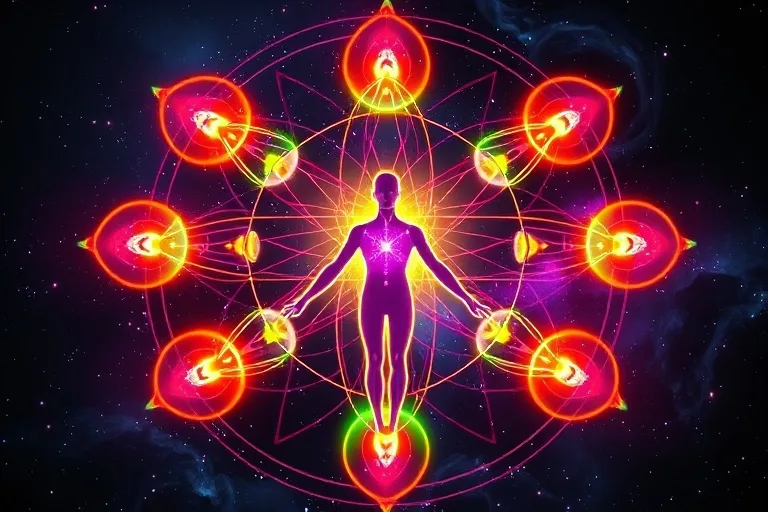
The term "chakra" originates from the Sanskrit word meaning "wheel" or "disk," aptly describing their energetic nature. These invisible, rotating energy points are not physical entities but rather junctions of energy channels (nadis) that distribute life force energy, known as Prana, throughout the body. When these wheels spin freely and harmoniously, energy flows unimpeded, promoting optimal well-being. Conversely, blockages or overactivity can manifest as various challenges in our physical and emotional landscapes.
Table of Contents
- Understanding the Seven Main Chakras
- Signs of Chakra Imbalance
- Benefits of Chakra Balancing
- Practical Methods for Balancing Chakras
- Getting Started: A Beginner's Approach
- Frequently Asked Questions About Chakra Balancing
Understanding the Seven Main Chakras
While various chakra systems exist, the most commonly recognized in Western esotericism and holistic practices involves seven primary chakras aligned along the spine, from its base to the crown of the head. Each chakra corresponds to specific psychological traits, physical organs, colors, elements, and sounds, forming a comprehensive map of our energetic anatomy.
- Root Chakra (Muladhara): Located at the base of the spine, this chakra is associated with our sense of security, stability, and grounding. Its color is red, and its element is Earth. It governs our basic needs, survival instincts, and connection to the material world.
- Sacral Chakra (Svadhisthana): Situated just below the navel, the sacral chakra is the center of creativity, emotions, sexuality, and pleasure. Its color is orange, and its element is Water. It influences our relationships, adaptability, and capacity for joy.
- Solar Plexus Chakra (Manipura): Found in the upper abdomen, the solar plexus chakra is linked to personal power, self-esteem, willpower, and digestion. Its color is yellow, and its element is Fire. It dictates our confidence, assertiveness, and ability to manifest.
- Heart Chakra (Anahata): Located at the center of the chest, the heart chakra is the bridge between the lower and upper chakras, governing love, compassion, empathy, and forgiveness. Its color is green (or pink), and its element is Air. It influences our ability to give and receive love unconditionally.
- Throat Chakra (Vishuddha): Positioned at the throat, this chakra is responsible for communication, self-expression, and truth. Its color is blue, and its element is Ether (or Sound). It impacts our ability to speak our truth and listen effectively.
- Third Eye Chakra (Ajna): Situated between the eyebrows, the third eye chakra is the center of intuition, insight, wisdom, and imagination. Its color is indigo, and its element is Light. It governs our perception, psychic abilities, and spiritual awareness.
- Crown Chakra (Sahasrara): Located at the very top of the head, the crown chakra represents our connection to the divine, universal consciousness, and spiritual enlightenment. Its color is violet (or white), and its element is Thought (or Cosmic Energy). It influences our sense of purpose and spiritual awakening.
Each chakra plays a crucial role in maintaining our overall energetic balance. When one chakra is out of alignment, it can affect the others, creating a ripple effect throughout our entire system. Therefore, a holistic approach to balancing involves understanding the interplay between these energy centers and addressing any imbalances that arise.
Signs of Chakra Imbalance
Recognizing the symptoms of an imbalanced chakra is the first step towards healing. These signs can manifest on physical, emotional, and mental levels, often providing clear indicators of where our energy needs attention. It's important to remember that these are general guidelines, and individual experiences may vary.
| Chakra | Physical Symptoms of Imbalance | Emotional/Mental Symptoms of Imbalance |
|---|---|---|
| Root (Muladhara) | Lower back pain, sciatica, colon issues, bladder problems, foot and leg pain. | Anxiety, fear, insecurity, feeling ungrounded, financial worries, lack of trust. |
| Sacral (Svadhisthana) | Urinary tract infections, kidney issues, reproductive problems, lower back pain, hip issues. | Emotional instability, lack of creativity, guilt, shame, relationship problems, addiction. |
| Solar Plexus (Manipura) | Digestive problems, ulcers, diabetes, chronic fatigue, liver issues. | Low self-esteem, lack of confidence, feeling powerless, anger, control issues. |
| Heart (Anahata) | Heart problems, lung issues, asthma, upper back and shoulder problems, immune system dysfunction. | Loneliness, grief, jealousy, inability to forgive, fear of intimacy, lack of empathy. |
| Throat (Vishuddha) | Sore throat, thyroid issues, neck and shoulder stiffness, dental problems, ear infections. | Difficulty expressing thoughts, fear of speaking, shyness, gossiping, dishonesty. |
| Third Eye (Ajna) | Headaches, migraines, vision problems, sinus issues, nightmares. | Lack of intuition, confusion, poor decision-making, delusion, attachment to illusion. |
| Crown (Sahasrara) | Neurological disorders, chronic exhaustion, sensitivity to light/sound, mental fog. | Lack of purpose, spiritual cynicism, feeling disconnected, depression, rigid beliefs. |
Observing these symptoms in ourselves or others can provide valuable clues about which chakras might require balancing. It's often a combination of factors that contribute to an imbalance, and addressing them holistically is key to restoring harmony.
Benefits of Chakra Balancing
Engaging in regular chakra balancing practices can yield a multitude of benefits, transforming various aspects of life. These advantages extend beyond mere symptom relief, fostering a deeper sense of peace, vitality, and spiritual growth. The consistent effort to maintain energetic equilibrium can lead to profound and lasting positive changes.
- Improved Physical Health: By ensuring optimal energy flow to associated organs and systems, chakra balancing can alleviate chronic physical ailments and boost the body's natural healing capabilities.
- Enhanced Emotional Stability: A balanced emotional body leads to reduced stress, anxiety, and depression. Individuals often experience greater resilience, emotional clarity, and a more positive outlook on life.
- Increased Mental Clarity and Focus: When the upper chakras are clear, mental fog dissipates, leading to improved concentration, better decision-making, and enhanced cognitive functions.
- Greater Self-Awareness and Intuition: Balancing encourages introspection and a deeper understanding of one's inner workings, strengthening intuition and spiritual connection.
- Stronger Relationships: By fostering open communication, empathy, and unconditional love, balanced chakras can significantly improve personal and professional relationships.
- Boosted Creativity and Expression: Unblocking the sacral and throat chakras can unleash a surge of creative energy and empower authentic self-expression in all forms.
These benefits underscore the holistic nature of chakra work, demonstrating its capacity to influence every facet of our existence. It's a journey of continuous refinement, leading to a more harmonious and fulfilling life.
Practical Methods for Balancing Chakras
There are numerous accessible techniques that beginners can employ to balance their chakras. The key is consistency and finding practices that resonate with you. Experimentation is encouraged, as different methods may work better for different individuals or for specific chakras.
- Meditation: Chakra meditation involves focusing your awareness on each chakra, visualizing its associated color, and imagining energy flowing freely. Guided meditations are excellent for beginners.
- Yoga: Specific yoga poses (asanas) are designed to stimulate and open particular chakras. For example, grounding poses like Mountain Pose for the Root Chakra or heart-opening poses for the Heart Chakra.
- Affirmations: Repeating positive statements related to each chakra's qualities can help reprogram subconscious beliefs and promote balance. For the Root Chakra, an affirmation might be, "I am safe and secure."
- Crystals: Crystals carry unique energetic properties that can influence chakras. Placing a crystal of the corresponding color on or near a chakra during meditation can be beneficial. For instance, red jasper for the Root Chakra or amethyst for the Crown Chakra. You can explore more about Crystal Healing Basics on our blog.
- Aromatherapy: Essential oils are potent tools for influencing mood and energy. Diffusing or applying diluted oils associated with each chakra can aid in balancing. Cedarwood for the Root Chakra, sandalwood for the Sacral, and lavender for the Crown are common choices.
- Sound Healing: Specific musical notes, chanting (mantras), or the use of singing bowls tuned to the frequency of each chakra can help clear blockages and restore vibrational harmony.
- Diet and Nutrition: Consuming foods that correspond to the color and element of each chakra can support its health. Red fruits and root vegetables for the Root Chakra, orange foods for the Sacral, and green leafy vegetables for the Heart Chakra.
- Nature Connection: Spending time outdoors, especially barefoot on the earth, can help ground the Root Chakra. Connecting with water bodies can benefit the Sacral Chakra, and observing the vastness of the sky can stimulate the Third Eye and Crown Chakras.

Getting Started: A Beginner's Approach
Embarking on your chakra balancing journey doesn't require extensive knowledge or expensive tools. Start with simple, consistent practices and gradually expand as you become more attuned to your energy. Here's a step-by-step guide for beginners:
- Educate Yourself: Begin by learning about each chakra, its location, associations, and common signs of imbalance. This guide is a great starting point.
- Self-Assessment: Reflect on your current physical, emotional, and mental state. Which symptoms resonate most with you? This can help identify which chakras might need the most attention.
- Start Small: Choose one or two simple techniques to begin with. For example, a daily 5-10 minute guided chakra meditation or incorporating chakra-specific affirmations into your routine.
- Focus on the Root Chakra First: Many practitioners recommend starting with the Root Chakra, as it provides a stable foundation for the entire system. Grounding exercises, spending time in nature, and focusing on feelings of security can be very beneficial.
- Consistency is Key: Regular, even short, practice is more effective than sporadic long sessions. Make chakra balancing a part of your daily self-care routine.
- Listen to Your Body: Pay attention to how you feel during and after practices. Your body will provide feedback on what works best for you. Some days you might feel drawn to a particular chakra or technique.
- Be Patient and Kind to Yourself: Chakra balancing is a gradual process. There's no need for perfection. Embrace the journey of self-discovery and celebrate small shifts and improvements.
As you progress, you might find yourself naturally drawn to more advanced techniques or a deeper exploration of specific chakras. The journey of chakra balancing is deeply personal and evolves with your spiritual growth. Remember that practices like Aura Reading can also complement your understanding of energetic bodies.
Frequently Asked Questions About Chakra Balancing
To further clarify common queries, here are some frequently asked questions regarding chakra balancing:
Q: How long does it take to balance chakras?A: The time it takes to balance chakras varies greatly among individuals. It's not a one-time fix but an ongoing practice. Some people feel shifts immediately, while for others, it can take weeks or months of consistent effort to notice significant changes. Patience and persistence are key.
Q: Can chakra balancing be harmful?A: Generally, gentle chakra balancing practices like meditation, yoga, and affirmations are safe and beneficial. However, if you have severe physical or mental health conditions, it's always advisable to consult with a healthcare professional before starting any new holistic practice. Over-stimulation of certain chakras without proper grounding can sometimes lead to temporary feelings of discomfort or heightened emotions, but these are usually mild and short-lived.
Q: Do I need a guru or expert to balance my chakras?A: While a knowledgeable teacher or energy healer can provide valuable guidance and deeper insights, you absolutely do not need one to begin balancing your chakras. Many effective techniques can be learned and practiced independently. Resources like books, online guides, and guided meditations are readily available for self-study. However, for more profound blockages or if you feel stuck, seeking professional help can be very beneficial.
Q: How do I know if my chakras are balanced?A: You'll often notice a general sense of well-being, increased vitality, emotional peace, and mental clarity. Specific indicators include feeling grounded (Root), creative and joyful (Sacral), confident (Solar Plexus), loving and compassionate (Heart), expressive (Throat), intuitive (Third Eye), and connected (Crown). Conversely, a return of imbalance symptoms suggests further attention is needed.
Q: Can food affect my chakras?A: Yes, food can definitely affect your chakras. Consuming nourishing, whole foods, especially those corresponding to the colors of the chakras, is believed to support their energy. For example, red foods (beets, berries) for the Root Chakra, orange foods (carrots, oranges) for the Sacral, and green foods (leafy greens) for the Heart Chakra. Conversely, processed foods, excessive sugar, and stimulants can disrupt energetic balance.
Chakra balancing is a journey of self-discovery and empowerment. By integrating these practices into your daily life, you can cultivate a deeper connection to your inner wisdom and foster a state of holistic well-being. Embrace the process with an open heart and mind, and observe the transformative power of balanced energy.
Fuente: Contenido híbrido asistido por IAs y supervisión editorial humana.


Comments
Post a Comment