
Medical Astrology: Your Health Blueprint Unveiled | StarPluto
Medical Astrology is an ancient, yet increasingly relevant, branch of astrology that explores the intricate connections between celestial bodies and human health. It posits that an individual's birth chart, a snapshot of the heavens at the moment of their birth, can reveal their inherent physiological strengths, weaknesses, and predispositions to certain ailments. This holistic perspective offers a unique lens through which to understand one's personal health blueprint, moving beyond symptomatic treatment to address root causes and promote preventive well-being.
Far from being a diagnostic tool in the conventional sense, medical astrology serves as a guide, highlighting areas of the body and types of conditions that may require extra attention throughout life. It encourages a proactive approach to health, empowering individuals to make informed lifestyle choices that align with their astrological constitution. By understanding these cosmic influences, one can better navigate their health journey, fostering balance and vitality.
Table of Contents
- Introduction to Medical Astrology
- Foundational Principles of Medical Astrology
- Zodiac Signs and Their Associated Body Parts
- Planets and Their Health Influence
- Astrological Houses and Wellness
- Aspects and Health Patterns
- The Sixth House: Daily Health and Routines
- Practical Applications for Preventive Health
- Limitations and Ethical Considerations
- Conclusion: A Holistic View of Health
Introduction to Medical Astrology
The roots of medical astrology stretch back to ancient civilizations, where the practice of medicine was inextricably linked with celestial observations. Cultures from Mesopotamia to Egypt, Greece, and India utilized astrological principles to understand disease, diagnose conditions, and even time medical treatments. Hippocrates, often called the "Father of Medicine," famously stated that "a physician without knowledge of astrology has no right to call himself a physician."
This historical continuum highlights a time when the human body was seen as a microcosm reflecting the macrocosm of the universe. Disease was not merely a physical malfunction but an imbalance within this cosmic harmony. Modern medical astrology aims to revive this holistic perspective, integrating ancient wisdom with contemporary understanding of health and wellness.
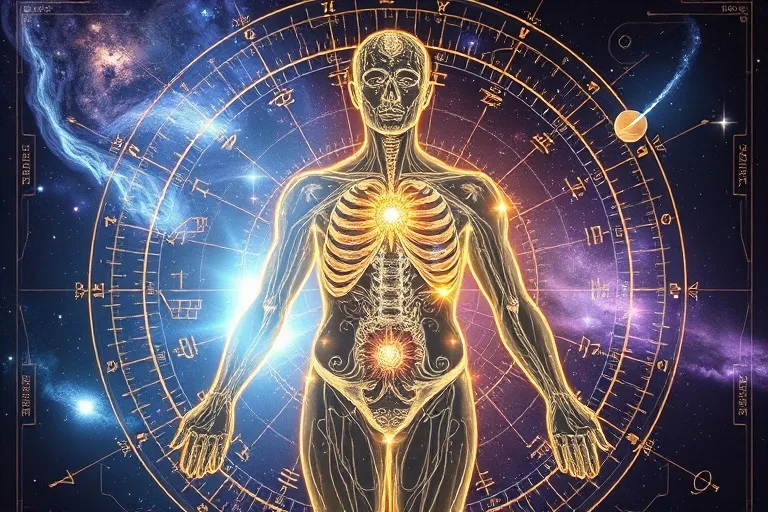
Medical Astrology: Unveiling the cosmic blueprint of human health through celestial influences.
Foundational Principles of Medical Astrology
At its core, medical astrology operates on the principle of correspondence: "as above, so below." Each component of the birth chart—the zodiac signs, planets, and houses—is associated with specific parts of the body, physiological functions, and psychological tendencies that can manifest as physical health. The strength or challenge of these astrological placements can indicate areas of vitality or vulnerability.
Understanding these correspondences allows practitioners to identify potential constitutional weaknesses or strengths. For instance, a strong Venus might indicate robust kidney health, while a challenging Mars could point to inflammatory conditions or issues with the muscular system. The elemental balance in a chart (Fire, Earth, Air, Water) also plays a crucial role in determining an individual's energetic constitution and susceptibility to specific types of imbalances.
Zodiac Signs and Their Associated Body Parts
Each of the twelve zodiac signs governs specific anatomical regions and physiological systems. This ancient mapping provides a framework for understanding localized predispositions. When a sign is prominent in a birth chart (e.g., as the Sun sign, Ascendant, or housing several planets), the associated body parts may be either particularly strong or susceptible to stress.
- Aries (Head, Brain, Face): Headaches, migraines, fevers, facial injuries.
- Taurus (Neck, Throat, Thyroid, Cerebellum): Sore throats, stiff necks, thyroid imbalances, tonsillitis.
- Gemini (Lungs, Hands, Arms, Nervous System): Respiratory issues, bronchitis, asthma, nerve disorders, carpal tunnel.
- Cancer (Stomach, Breasts, Esophagus, Pancreas): Digestive problems, ulcers, breast issues, emotional eating.
- Leo (Heart, Spine, Upper Back): Heart conditions, back pain, circulatory issues.
- Virgo (Intestines, Spleen, Nervous System): Digestive disorders, IBS, anxiety, malabsorption.
- Libra (Kidneys, Adrenals, Lower Back, Skin): Kidney stones, lower back pain, skin conditions, hormonal imbalances.
- Scorpio (Reproductive Organs, Bladder, Rectum): UTIs, reproductive issues, hemorrhoids, prostate problems.
- Sagittarius (Thighs, Hips, Liver, Sciatic Nerve): Sciatica, liver issues, hip pain, accidents involving the thighs.
- Capricorn (Bones, Joints, Knees, Skin, Teeth): Arthritis, knee problems, dental issues, skin conditions, fractures.
- Aquarius (Ankles, Calves, Circulatory System): Ankle sprains, varicose veins, circulatory problems.
- Pisces (Feet, Lymphatic System, Pineal Gland): Foot problems, edema, lymphatic congestion, sensitivity to drugs.
This foundational knowledge helps in pinpointing areas that might benefit from targeted care, whether through diet, exercise, or specific therapies. For further exploration of zodiac signs, consider reading about Pisces Zodiac Sign: Traits, Compatibility, Life Path or Aries Zodiac Sign: Traits, Compatibility, and Life Path.
Planets and Their Health Influence
Beyond the zodiac signs, each planet in our solar system holds sway over specific organs, bodily functions, and types of conditions. The condition of a planet in a birth chart—its sign, house placement, and aspects to other planets—provides critical insights into one's health tendencies. A well-placed and aspected planet generally indicates strength in its associated areas, while a challenged planet might suggest vulnerability.

Exploring ancient wisdom: Tools and texts used in medical astrology for health insights.
- Sun (Heart, Spine, Vitality): Overall vitality, heart health, circulation. Weakness may indicate low energy or heart issues.
- Moon (Stomach, Breasts, Fluids, Lymphatic System): Digestion, fluid balance, emotional health, lymphatic issues.
- Mercury (Nervous System, Lungs, Hands, Brain): Communication, nerve function, respiratory health, mental clarity. Stress can manifest as anxiety or lung problems.
- Venus (Kidneys, Throat, Glands, Skin, Reproductive System): Kidney function, hormonal balance, skin health, pleasure. Imbalances can lead to kidney issues or skin conditions.
- Mars (Muscles, Blood, Adrenals, Head): Energy, inflammation, fevers, acute conditions, muscular strength. Challenging Mars can indicate accidents, infections, or inflammatory diseases.
- Jupiter (Liver, Thighs, Arterial Blood, Growth): Liver function, metabolic processes, growth, abundance. Excesses or blockages can lead to liver issues, obesity, or gout.
- Saturn (Bones, Teeth, Skin, Joints, Spleen, Gallbladder): Structure, chronic conditions, limitations, aging. Can indicate arthritis, dental problems, or skin issues.
- Uranus (Nervous System, Ankles, Spasms, Sudden Illnesses): Sudden onset conditions, nervous disorders, cramps, accidents.
- Neptune (Pineal Gland, Lymphatic System, Feet, Immune System, Toxins): Sensitivity, mysterious illnesses, immune deficiencies, drug reactions, addictions. Learn more about Tarot Quantum Mechanics Intersecting Divination Reality.
- Pluto (Reproductive Organs, Elimination System, Cellular Regeneration, Chronic Degenerative Diseases): Transformation, deep-seated issues, cellular health, regeneration. Can point to chronic or degenerative diseases.
The interplay of these planetary energies in a natal chart provides a nuanced understanding of an individual's health predispositions. For a deeper dive into planetary influences, explore or .
Astrological Houses and Wellness
The twelve astrological houses represent different areas of life, and several of them are directly linked to health and well-being. The planets and signs placed within these houses, as well as their ruling planets, offer further insights into health matters.
| House | Health Association | Key Insights |
|---|---|---|
| 1st House (Ascendant) | Physical body, constitution, vitality, appearance | Overall health, physical strengths/weaknesses, how one presents health issues. |
| 6th House | Daily health, illness, chronic conditions, routines, hygiene, service | Specific ailments, how one manages health, response to treatment, work-related stress. |
| 8th House | Surgery, regeneration, death, chronic degenerative diseases, psychological issues | Transformative health crises, inherited conditions, deep psychological roots of illness. |
| 12th House | Hospitals, institutions, hidden illnesses, self-undoing, subconscious patterns | Confinement due to illness, mental health issues, mysterious ailments, chronic fatigue. |
| 2nd House | Resources, self-worth, diet, nutrition | Eating habits, nutritional deficiencies, impact of self-esteem on health. |
| 4th House (IC) | Foundations, family health history, early conditioning, emotional security | Genetic predispositions, impact of home environment and emotional roots on health. Learn about . |
| 10th House (MC) | Career, public image, long-term goals, stress from public life | Stress-related illnesses from career, public health concerns, overall life direction impacting health. Explore . |
The interaction between these houses, their ruling planets, and any planets residing within them paints a comprehensive picture of an individual's health landscape. For instance, a challenging planet in the 1st house might indicate a constitution prone to certain physical vulnerabilities, while a well-aspected 6th house could suggest resilience and good daily health habits.
Aspects and Health Patterns
Astrological aspects—the angular relationships between planets in a birth chart—are crucial for understanding dynamic health patterns. Harmonious aspects (trines, sextiles) can indicate natural resilience, ease of recovery, or innate healing abilities. Challenging aspects (squares, oppositions, conjunctions with malefic planets) often point to areas of tension, stress, or chronic imbalance that require conscious effort to manage.
For example, a square between Mars and Saturn might indicate issues with inflammation and structural integrity, such as chronic joint pain or slow-healing injuries. A trine between the Sun and Jupiter, however, could suggest robust vitality and a strong immune system. Understanding these intricate connections helps in identifying not just potential problems but also inherent strengths and pathways to healing.

The intertwined patterns of cosmic energy and genetic code, revealing a personal health blueprint.
The Moon's nodes, particularly the North Node and South Node, can also offer insights into karmic health patterns and areas of growth or release related to well-being. These points indicate a path of evolution that often involves overcoming past life tendencies that might manifest as current health challenges. Explore more about Karmic Astrology: North Node and South Node Explained.
The Sixth House: Daily Health and Routines
While the entire chart contributes to the health blueprint, the Sixth House holds particular significance in medical astrology. This house governs daily routines, work environment, service, and, most importantly, health and illness. It reflects our relationship with our physical body on a day-to-day basis, including diet, exercise, and hygiene.
Planets placed in the Sixth House, as well as the sign on its cusp, indicate the nature of one's daily health experiences and potential vulnerabilities. For example, a fiery planet like Mars in the Sixth House might suggest a tendency towards acute infections or inflammatory conditions due to overwork or stress. Conversely, a harmonious planet like Venus could indicate a natural inclination towards healthy routines and a pleasant work environment that supports well-being.
The ruler of the Sixth House, and its placement in the chart, further elaborates on how health issues might manifest and what aspects of life influence one's physical state. Analyzing this house provides practical guidance for maintaining health through conscious daily choices and understanding the impact of one's work life on their physical constitution.
Practical Applications for Preventive Health
Medical astrology is not about predicting illness with certainty, but rather about identifying predispositions and guiding individuals towards preventive measures. By understanding their unique health blueprint, individuals can tailor their lifestyle to support their specific needs. This might include dietary adjustments, specific types of exercise, stress management techniques, and even choosing environments that are more conducive to their well-being.
- Dietary Guidance: For example, a strong Cancer influence might suggest a need for easily digestible foods and avoiding excessive dairy, while a prominent Capricorn could benefit from mineral-rich diets to support bones and teeth.
- Exercise Regimen: Aries might thrive on high-intensity workouts, whereas Pisces could benefit from gentle practices like yoga or swimming.
- Stress Management: Understanding planetary challenges can help in selecting appropriate relaxation techniques, such as meditation for a busy Mercury or grounding exercises for an overactive Mars.
- Environmental Choices: Knowing one's elemental balance can guide decisions about living in certain climates or engaging in specific outdoor activities.
This personalized approach to health moves beyond generic advice, offering a deeply individualized pathway to vitality. It empowers individuals to become active participants in their own health management, fostering a deeper connection between mind, body, and spirit. For a broader understanding of astrological influences, consider exploring Western Astrology: The Stars' Influence on Human Lives.
Limitations and Ethical Considerations
It is crucial to approach medical astrology with a clear understanding of its limitations. It is a complementary system, not a substitute for conventional medical diagnosis or treatment. Astrological insights should be used to inform and empower, not to instill fear or replace professional medical advice. A qualified medical astrologer will always emphasize consultation with licensed healthcare providers for any health concerns.
Disclaimer: Medical astrology is an interpretive system based on ancient traditions and correspondences. It is intended for educational and self-exploratory purposes only and should not be used to diagnose, treat, cure, or prevent any disease. Always consult with a qualified medical professional for any health concerns or before making any decisions related to your health and well-being.
Ethical practice in medical astrology involves respecting individual autonomy, providing information responsibly, and avoiding definitive predictions that could cause anxiety or deter individuals from seeking appropriate medical care. Its value lies in offering a deeper, symbolic understanding of health patterns and encouraging a more mindful approach to personal well-being.
Conclusion: A Holistic View of Health
Medical astrology provides a profound framework for understanding the intricate relationship between the cosmos and our physical bodies. By examining the unique configuration of zodiac signs, planets, and houses in a birth chart, individuals can gain invaluable insights into their inherent health blueprint, identifying areas of strength and potential vulnerability. This knowledge empowers a proactive and personalized approach to health, emphasizing prevention and holistic well-being.
While it serves as a powerful complementary tool, it is essential to integrate astrological wisdom with conventional medical practices. The journey of health is multifaceted, and by embracing both ancient wisdom and modern science, we can cultivate a more balanced, resilient, and vibrant life. Medical astrology invites us to see ourselves as integral parts of the universe, with our well-being reflecting the harmony of the celestial dance.
Fuente: Contenido híbrido asistido por IAs y supervisión editorial humana.


Comments
Post a Comment