
Jungian Psycho-Astrology Shadow Integration Archetypal Self Wholeness
Jungian psycho-astrology offers a profound framework for understanding the human psyche, blending the symbolic language of astrology with the depth psychology of Carl Jung. This interdisciplinary approach provides a unique lens through which individuals can explore their inner world, identify unconscious patterns, and embark on a transformative journey toward wholeness. It posits that the birth chart is not merely a predictive tool but a symbolic map of the individual's psychological landscape, reflecting archetypal energies and developmental tasks.
The synergy between Jung's theories and astrological principles allows for a richer, more nuanced interpretation of personal experience. By examining planetary placements, aspects, and house positions, psycho-astrologers can illuminate the underlying psychological dynamics that shape an individual's personality, relationships, and life path. This exploration often uncovers the presence of the "shadow," a crucial concept in Jungian psychology that represents the repressed, unacknowledged aspects of the self.
Table of Contents
- Introduction to Jungian Psycho-Astrology
- Core Jungian Concepts and Their Astrological Parallels
- Understanding and Integrating the Astrological Shadow
Healing the Archetypal Self for Wholeness
- Practical Applications in Personal Growth
- Conclusion: The Path to Individuation
Introduction to Jungian Psycho-Astrology
At its heart, Jungian psycho-astrology is a journey into self-discovery, offering tools to decode the intricate messages embedded within our personal narratives. It recognizes that life's challenges and triumphs are often reflections of inner psychological states seeking integration and balance. Carl Jung, the founder of analytical psychology, believed in the existence of a "collective unconscious," a reservoir of universal experiences and images shared by all humanity, which he termed "archetypes."
Astrology, with its ancient roots and symbolic language, provides a precise map for these archetypal energies as they manifest in an individual's life. Each planet, sign, and house in a natal chart corresponds to specific psychological functions, drives, and areas of life experience. When these two disciplines converge, they create a powerful methodology for personal growth and healing, allowing individuals to consciously engage with their unconscious contents.
 Conceptual representations, archetypal symbols, and psychological diagrams illustrating the integration of Jungian psycho-astrology and the shadow self.
Visual source subject to ecosystem availability: Wikimedia Commons under CC BY-SA 4.0 license or conceptual AI rendering.
Core Jungian Concepts and Their Astrological Parallels
To fully grasp Jungian psycho-astrology, it is essential to understand the foundational concepts of Jungian psychology. These concepts provide the theoretical backbone for interpreting astrological symbolism in a psychologically meaningful way. The birth chart acts as a blueprint, revealing how these universal archetypes are uniquely configured within an individual.
Jung's work introduced several key components of the psyche, each with direct astrological correlations. For instance, the "Persona" – the mask we present to the world – can be seen through the Ascendant and its ruling planet, indicating how we initially engage with society. The "Anima" (the unconscious feminine in men) and "Animus" (the unconscious masculine in women) often manifest through Venus/Moon and Mars/Sun placements, respectively, influencing our relationships and inner balance. The "Self," the totality of the psyche, is often represented by the Sun, Ascendant, and the overall integration of the chart.
| Jungian Concept | Description | Astrological Parallels |
|---|---|---|
| Archetypes | Universal, archaic patterns and images that derive from the collective unconscious and are the psychic counterpart of instinct. | Planets (e.g., Mars as the Warrior, Venus as the Lover), Zodiac Signs (e.g., Leo as the King/Queen), Houses (e.g., 10th House as the Achievement archetype). |
| Collective Unconscious | A shared reservoir of human experience and knowledge, inherited rather than personally acquired. | Outer planets (Uranus, Neptune, Pluto) and their transits, which represent generational themes and collective shifts. |
| Persona | The social mask an individual wears, comprising the aspects of the self presented to the public. | Ascendant (Rising Sign), its ruler, and planets in the 1st House. |
| Anima/Animus | The unconscious feminine image in a man (Anima) and the unconscious masculine image in a woman (Animus), influencing relationships and inner life. | Moon/Venus for Anima, Sun/Mars for Animus, and their aspects. Synastry charts often highlight these dynamics, as explored in topics like Lilith Synastry: Decoding Power, Desires, Shadow Integration. |
| Shadow | The unconscious, repressed aspects of the self, both negative and positive, that are not acknowledged by the ego. | Pluto, the 8th House, difficult aspects involving personal planets, and planetary placements in signs opposite to the Sun or Ascendant. |
| The Self | The totality of the psyche, both conscious and unconscious, representing the striving for wholeness and individuation. | The Sun, Ascendant, and the integration of the entire birth chart. |
Understanding and Integrating the Astrological Shadow
The concept of the "shadow" is perhaps one of Jung's most impactful contributions, and its exploration is central to psycho-astrology. The shadow encompasses all the parts of ourselves that we have disowned, denied, or repressed because they were deemed unacceptable by our upbringing or society. These can be negative traits like anger, jealousy, or selfishness, but also positive qualities like creativity, power, or joy that we fear to express.
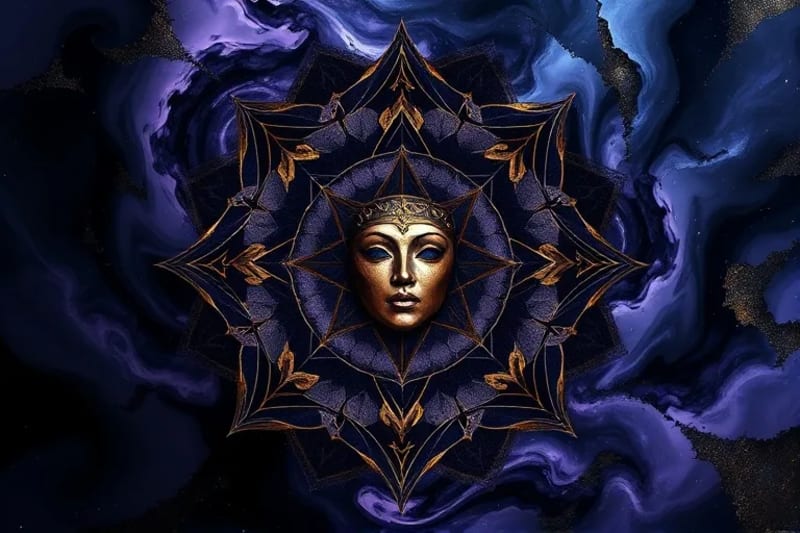 A symbolic representation of the shadow, depicting the interplay of hidden depths and emerging consciousness within the psyche.
In astrology, the shadow often reveals itself through challenging planetary aspects, difficult house placements, or the influence of certain outer planets. Pluto, for instance, is often associated with the deepest, most primal aspects of the shadow, representing power dynamics, transformation, and hidden compulsions. Planets in the 8th House, traditionally linked to death, rebirth, and shared resources, can also point to areas where unconscious material resides, demanding integration. Understanding these astrological indicators can provide a roadmap to where our personal shadow might be most active.
The process of shadow integration is not about eliminating these disowned parts but rather about acknowledging, accepting, and ultimately assimilating them into conscious awareness. This involves confronting what we project onto others, recognizing our own "dark" impulses, and reclaiming the vital energy that was suppressed. For example, a strong Mars in a challenging aspect might indicate repressed aggression or assertiveness, which, once acknowledged, can be channeled into constructive action rather than destructive outbursts. Similarly, a deep dive into Lunar Phases Natal Chart: Emotional Rhythms Cycles Guide can reveal emotional patterns that contribute to shadow formation.
Integrating the shadow leads to a more authentic and complete sense of self. It reduces the need for projection, diminishes internal conflict, and frees up psychic energy that was previously used to keep these aspects hidden. This journey requires courage and self-compassion, as it often means facing uncomfortable truths about oneself. However, the rewards—increased self-awareness, greater empathy for others, and a profound sense of inner peace—are immeasurable.
Healing the Archetypal Self for Wholeness
The ultimate goal of Jungian psycho-astrology is to facilitate the process of "individuation," which Jung defined as the psychological process by which an individual becomes a whole, indivisible being. This involves integrating all aspects of the psyche—conscious and unconscious, light and shadow—into a cohesive "Self." The birth chart serves as a guide to this unique journey, highlighting the specific archetypal energies and developmental tasks an individual is meant to master.
Healing the archetypal self implies recognizing and honoring the fundamental patterns that govern our existence. For instance, understanding the archetype of the "Hero" through a prominent Mars or Sun placement can help an individual embrace their courage and drive, while acknowledging its shadow side (e.g., recklessness). The "Wise Old Man/Woman" archetype, often linked to Saturn or Jupiter, can guide us towards wisdom and maturity, but its shadow might manifest as rigid dogma or cynicism.
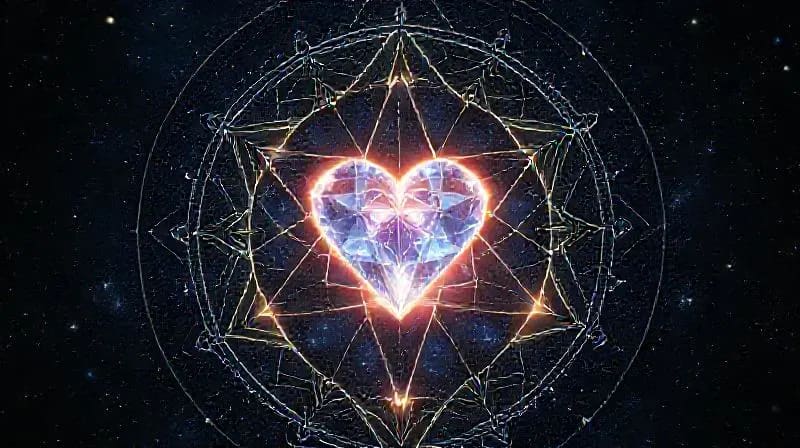 A conceptual render depicting the integrated Self as a luminous core connected by a network of archetypal and planetary energies.
Wholeness is not about perfection, but about embracing the full spectrum of human experience. It means accepting our flaws alongside our strengths, our vulnerabilities alongside our resilience. When we heal the archetypal self, we align with our deepest purpose and express our authentic nature more fully. This process often involves engaging with dreams, active imagination, and symbolic rituals, all of which provide direct access to the unconscious.
The journey towards wholeness is lifelong, marked by continuous cycles of awareness, challenge, and integration. It is a dynamic process, much like the ever-changing celestial movements that influence our lives. Different astrological systems, such as those discussed in Vedic Western Astrology Differences: Key Insights Explained, offer varied perspectives on these universal patterns, yet the core quest for self-realization remains constant.
Practical Applications in Personal Growth
Applying Jungian psycho-astrology in practice involves several key steps. First, a thorough analysis of the natal chart is undertaken, not just for predictive purposes, but to identify core psychological patterns, dominant archetypes, and areas where the shadow might be operating. This diagnostic phase helps individuals gain insight into their inherent strengths, challenges, and unconscious motivations.
Secondly, the process moves into active engagement with these insights. This can involve journaling about dream symbols, exploring personal myths, or engaging in creative expression that allows unconscious material to surface. Understanding planetary transits and progressions can also provide timely opportunities for shadow work and archetypal integration. For example, a Pluto transit might signal a period of intense transformation, forcing a confrontation with repressed power dynamics or fears.
Therapeutically, psycho-astrology can be used to:
- Identify Core Complexes: Pinpoint recurring patterns of behavior or emotional reactions linked to specific planetary configurations.
- Understand Relationship Dynamics: Explore synastry charts to reveal archetypal projections and shadow aspects at play in interpersonal connections.
- Empower Self-Acceptance: Reframe perceived weaknesses in the chart as unintegrated strengths or developmental tasks.
- Navigate Life Transitions: Use transits and progressions to anticipate periods of growth, challenge, and opportunity for psychological integration.
- Foster Creativity and Purpose: Connect with archetypal energies to unlock innate talents and align with one's authentic life path.
The integration of the shadow and the healing of the archetypal self are not passive processes. They demand conscious effort, introspection, and a willingness to explore the depths of one's own being. This active engagement can lead to profound shifts in perspective, enabling individuals to live more authentically and purposefully. Engaging with such deep psychological work can sometimes feel like an Astral Projection: Safe Exploration Beyond Body, a journey into unseen realms of self.
Conclusion: The Path to Individuation
Jungian psycho-astrology provides a rich and comprehensive framework for personal development, offering a bridge between the cosmic and the psychological. By interpreting the birth chart through the lens of Jungian archetypes and psychological processes, individuals gain invaluable insights into their unique journey of individuation. The integration of the shadow, a central tenet of this approach, is not merely an intellectual exercise but a transformative act that leads to greater self-awareness, emotional balance, and authentic expression.
Embracing the archetypal self and consciously working with the shadow aspects revealed by the astrological chart empowers individuals to move beyond limiting patterns and embrace their full potential. This path towards wholeness is a continuous process of becoming, where every challenge becomes an opportunity for deeper integration and every insight brings us closer to our authentic, integrated Self. It is a journey of healing, growth, and ultimately, profound self-realization.
Source: Hybrid content assisted by AI and human editorial supervision.


Comments
Post a Comment