
Planetary Dignities Electional Astrology Mastering Timing
Planetary Dignities and Electional Astrology: Mastering Timing for Optimal Outcomes
In the intricate tapestry of astrological practice, understanding planetary dignities and applying the principles of electional astrology are paramount for those seeking to align their actions with cosmic rhythms. This sophisticated branch of astrology moves beyond mere prediction, offering a profound methodology for selecting the most auspicious moments to initiate ventures, ensuring a higher probability of success and favorable outcomes. By delving into the inherent strengths and weaknesses of planets within specific zodiacal signs, and then meticulously choosing a time when these cosmic influences are most supportive, individuals can consciously co-create their reality, leveraging the universe's energetic currents.
The concept of planetary dignities provides a foundational understanding of how planets express their energies. Just as a person might perform better in their home environment compared to a foreign land, planets exhibit varying degrees of strength and effectiveness depending on the zodiac sign they occupy. Electional astrology then takes this knowledge and applies it practically, guiding practitioners to pinpoint precise moments when celestial configurations are most harmonious for a particular goal. This article will explore these fundamental concepts, providing a comprehensive guide to mastering astrological timing for optimal results in any endeavor.
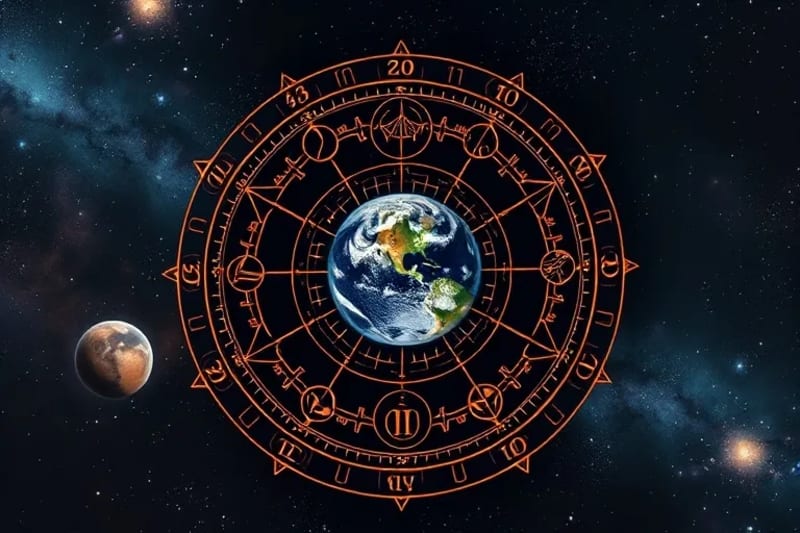 Precursors intellectuales, diagramas fundamentales y representaciones conceptuales que forjaron la visión de la astrología eleccional sobre el timing cósmico.
Fuente visual sujeta a disponibilidad del ecosistema: Wikimedia Commons bajo licencia CC BY-SA 4.0 o renderizado conceptual IA.
Table of Contents
- Understanding Planetary Dignities
- Types of Essential Dignities
- The Role of Planetary Condition
- Introduction to Electional Astrology
- Key Principles of Electional Chart Selection
- Practical Application: Steps to Elect a Chart
- Challenges and Nuances
Understanding Planetary Dignities
Planetary dignities refer to the strength and effectiveness of a planet based on its placement in a particular zodiac sign. This concept is fundamental to traditional astrology and provides a nuanced understanding of how a planet's energy will manifest. A planet that is "dignified" is considered to be in a strong position, able to express its nature clearly and powerfully, while a planet in "debility" is weakened or hindered, struggling to manifest its full potential.
There are two main categories of dignities: essential dignities and accidental dignities. Essential dignities relate to a planet's intrinsic strength based on its zodiacal placement, reflecting its fundamental nature. Accidental dignities, on the other hand, relate to a planet's strength based on its house placement and aspects within a specific chart, indicating how well it can act in a given situation. For electional astrology, both are crucial, but essential dignities often lay the groundwork for a planet's fundamental capacity.
Types of Essential Dignities
The primary essential dignities and debilities are rulership (domicile), exaltation, detriment, and fall. Each describes a unique relationship between a planet and a sign, indicating whether the planet is comfortable and powerful, or uncomfortable and weak.
- Rulership (Domicile): A planet is in its rulership when it occupies the sign it governs. Here, the planet is at its strongest, most comfortable, and most capable of expressing its true nature. For example, Mars rules Aries and Scorpio, so Mars in Aries is very potent and direct.
- Exaltation: A planet is exalted in a sign where it is particularly honored and operates with great effectiveness, even if it doesn't rule the sign. It's like a guest of honor who is given special privileges. The Sun is exalted in Aries, where its energy is pioneering and assertive.
- Detriment: A planet is in its detriment when it is in the sign opposite to its rulership. Here, the planet is in a challenging position, as the sign's energy is antithetical to its own. Mars in Libra (opposite Aries) might struggle with direct action, favoring diplomacy over confrontation.
- Fall: A planet is in its fall when it is in the sign opposite to its exaltation. This is considered the weakest essential dignity, where the planet is at its most uncomfortable and least effective, struggling to manifest its positive qualities. The Sun in Libra (opposite Aries) might find its individual will diluted by the need for partnership.
Beyond these major dignities, there are minor ones like Triplicity, Term, and Face, which add further layers of nuance to a planet's condition. While less potent than rulership or exaltation, they contribute to the overall assessment of a planet's strength. Understanding these nuances allows for a more precise evaluation of a planet's capacity to deliver on its promises within an electional chart.
| Planet | Rulership | Exaltation | Detriment | Fall |
|---|---|---|---|---|
| Sun | Leo | Aries | Aquarius | Libra |
| Moon | Cancer | Taurus | Capricorn | Scorpio |
| Mercury | Gemini, Virgo | Virgo | Sagittarius, Pisces | Pisces |
| Venus | Taurus, Libra | Pisces | Scorpio, Aries | Virgo |
| Mars | Aries, Scorpio | Capricorn | Libra, Taurus | Cancer |
| Jupiter | Sagittarius, Pisces | Cancer | Gemini, Virgo | Capricorn |
| Saturn | Capricorn, Aquarius | Libra | Cancer, Leo | Aries |
The Role of Planetary Condition
Beyond essential dignities, the overall condition of a planet in an electional chart significantly impacts its ability to support the desired outcome. These "accidental dignities" or debilities include factors like retrograde motion, combustion, and the nature of its aspects to other planets. A planet might be essentially dignified but accidentally debilitated, complicating its influence.
 A collection of astrological tools, including a tarot card, an ancient text, and a crystal ball, symbolizing the various methods used to gain cosmic insights and master timing.
- Retrograde Motion: When a planet appears to move backward from Earth's perspective, its energy is often internalized, delayed, or subject to re-evaluation. While not always negative, it can indicate a need for review or a less direct path to success, which might be undesirable for new beginnings.
- Combustion and Cazimi: A planet is "combust" when it is too close to the Sun (within 8.5 degrees), and its energy is said to be burnt up or obscured. This is generally considered a significant debility. However, if a planet is exactly conjunct the Sun (within 17 minutes of arc), it is "Cazimi" or "in the heart of the Sun," a highly powerful and fortunate position where its energies are amplified.
- Planetary Aspects: The angles planets form with each other (conjunctions, oppositions, squares, trines, sextiles) reveal how their energies interact. Harmonious aspects (trines, sextiles) facilitate flow and support, while challenging aspects (squares, oppositions) can indicate obstacles or necessary effort. For electional charts, harmonious aspects to the relevant planets and the Ascendant ruler are highly sought after.
- Mutual Reception: This occurs when two planets are in each other's signs of rulership or exaltation (e.g., Mars in Taurus and Venus in Aries). This creates a supportive connection, allowing the planets to "help" each other, strengthening their overall influence. This can be a powerful accidental dignity to look for.
The interplay of these conditions paints a complete picture of a planet's functional strength. A planet in its rulership but retrograde might still be strong, but its expression could be delayed or require a different approach. Conversely, a planet in detriment but with strong trines to benefics might still offer some support. For more on how cosmic energies influence our being, consider exploring Cosmic Consciousness Celestial Mechanics Quantum Astrology Mapping.
Introduction to Electional Astrology
Electional astrology is the art and science of choosing the most propitious moment to begin an undertaking. Unlike natal astrology, which interprets a chart cast for the moment of birth, electional astrology proactively selects a moment in time to "birth" an event, imbuing it with the most favorable astrological influences possible. This practice is rooted in the belief that the moment an event begins imprints its energetic signature upon it, influencing its trajectory and ultimate outcome.
Historically, electional astrology has been employed for centuries across various cultures, from ancient Mesopotamia and Egypt to medieval Europe and India. Kings would elect times for coronations, farmers for planting crops, and merchants for starting new trade routes. The goal has always been to harness the supportive forces of the cosmos and mitigate potential challenges, thereby increasing the likelihood of success. This ancient wisdom remains highly relevant in the modern age, offering a powerful tool for strategic planning and conscious decision-making.
Key Principles of Electional Chart Selection
Selecting an electional chart involves a meticulous process of evaluating multiple astrological factors. The aim is to create a chart where the planets relevant to the endeavor are strong, well-aspected, and positioned favorably. Here are some core principles:
 An abstract visualization of interconnected cosmic energies, symbolizing the intricate dance of planetary influences that electional astrology seeks to harmonize for optimal timing.
- Ascendant and its Ruler: The Ascendant (rising sign) represents the beginning of the undertaking itself. Its ruler should be strong, well-dignified, and ideally making harmonious aspects to the planets relevant to the matter. Avoid an Ascendant ruler in detriment or fall, or heavily afflicted by malefics (Mars, Saturn).
- The Moon's Condition: The Moon is critical in electional astrology as it represents the flow of events and the general atmosphere of the undertaking.
- It should be well-dignified (e.g., in Cancer or Taurus).
- It should be making harmonious aspects (trines, sextiles) to the relevant planets.
- Avoid the "void-of-course" Moon, which occurs when the Moon makes no major aspects before changing signs. This often signifies that an endeavor will come to nothing or not proceed as planned.
- Prefer a waxing Moon for growth and new beginnings, and a waning Moon for releasing or concluding matters. For more on lunar cycles, explore Moon Manifestation Rituals: Lunar Cycle Intentions.
- Lord of the Hour: In horary and electional astrology, the "Lord of the Hour" (planetary ruler of the current hour) can add an extra layer of auspiciousness if it is strong and relevant to the undertaking.
- Planets Relevant to the Matter: Identify the planets associated with your specific goal. For example, for a business launch, look for a strong Jupiter (expansion, luck), Mercury (communication, commerce), and Venus (finances, partnerships). Ensure these planets are dignified, direct, and well-aspected.
- Avoiding Malefics and Debilities: Minimize the influence of planets in detriment or fall, especially Mars (conflict) and Saturn (delays, obstacles), when they are relevant to the matter. Avoid having the ruler of the Ascendant or the Moon afflicted by squares or oppositions from malefics.
- Fixed Stars: Some practitioners also consider the influence of auspicious fixed stars conjunct key points in the electional chart, adding another layer of cosmic blessing.
Practical Application: Steps to Elect a Chart
The process of electing a chart requires patience, precision, and a solid understanding of astrological principles. Here’s a step-by-step guide:
- Clearly Define Your Goal: What exactly are you trying to achieve? The more specific your intention, the easier it is to identify the relevant astrological factors. For example, "starting a new website" is clearer than "success."
- Identify Relevant Planets and Houses:
- For Marriage: Focus on Venus (love, partnership), Jupiter (blessings), and the 7th House (marriage, partnerships).
- For Business Launch: Look at Mercury (commerce, communication), Jupiter (growth, profit), and the 2nd (finances), 10th (career, public image), and 11th (gains, networks) Houses.
- For Travel: Consider Mercury (short trips), Jupiter (long journeys), and the 3rd (short trips) and 9th (long journeys) Houses.
- Determine the Moon's Phase and Aspects: As mentioned, a waxing Moon is generally preferred for new beginnings. Ensure the Moon is not void-of-course and makes supportive aspects to the relevant planets and the Ascendant ruler. Its condition is paramount.
- Check for Planetary Dignities and Debilities: Ensure the planets most crucial to your endeavor are in strong essential dignities (rulership, exaltation) and avoid those in detriment or fall. Also, check for accidental dignities like mutual reception.
- Select a Strong Ascendant: Choose an Ascendant sign whose ruler is well-placed and dignified. The Ascendant itself should ideally be free from malefic planets.
- Avoid Malefic Afflictions: Steer clear of charts where the Ascendant ruler or the Moon are heavily afflicted by squares or oppositions from Mars or Saturn, especially if these malefics are in angular houses (1st, 4th, 7th, 10th).
- Consider the Natal Chart: While electional astrology focuses on the event's chart, a skilled practitioner will also consider the natal chart of the individual initiating the event. The electional chart should ideally resonate harmoniously with the natal chart, especially concerning the relevant houses and planets. This is akin to understanding Planetary Transits Personal Growth Cosmic Transformation, but applied to an event.
Challenges and Nuances
While electional astrology offers a powerful strategic advantage, it is rarely about finding a "perfect" moment. The celestial dance is complex, and often compromises must be made. The astrologer's skill lies in prioritizing the most critical factors for the specific goal and finding the best possible chart given the constraints of time and location.
For instance, it might be impossible to find a chart where every single planet is dignified and perfectly aspected. In such cases, the focus shifts to ensuring the ruler of the Ascendant and the planets most directly related to the endeavor are as strong and well-supported as possible. The Moon's condition, especially avoiding void-of-course, is almost always a top priority. Furthermore, the concept of free will always plays a role; electional astrology provides the most fertile ground, but human effort and intention are still essential for success. This interplay between cosmic influence and individual agency is also explored in Viaje Héroe Zodiacal: Arquetipos Junguianos Sombra Natal, highlighting the journey of self-discovery within cosmic frameworks.
Conclusion
Planetary dignities and electional astrology offer a sophisticated and empowering approach to navigating life's important decisions. By understanding the inherent strengths and weaknesses of planets and then consciously selecting moments when cosmic energies are most aligned with our intentions, we can significantly enhance the potential for positive outcomes. This ancient practice transforms passive observation of fate into active participation in shaping our destiny, providing a powerful tool for anyone seeking to master the art of timing and achieve optimal results in their endeavors.
Source: Hybrid content assisted by AI and human editorial supervision.


Comments
Post a Comment