
Feng Shui Digital Nomads: Harmonizing Spaces Productivity Well-being
The rise of digital nomadism has redefined the concept of the workspace. No longer confined to a traditional office, professionals now navigate a dynamic landscape where their "office" can be a beachside villa, a bustling co-working space, or a cozy cafe. While this lifestyle offers unparalleled freedom, it also presents unique challenges in maintaining productivity, focus, and overall well-being. This is where the ancient Chinese art of Feng Shui, traditionally used to harmonize physical environments, finds a powerful and relevant application for the modern digital nomad, extending its principles to both tangible and virtual spaces.
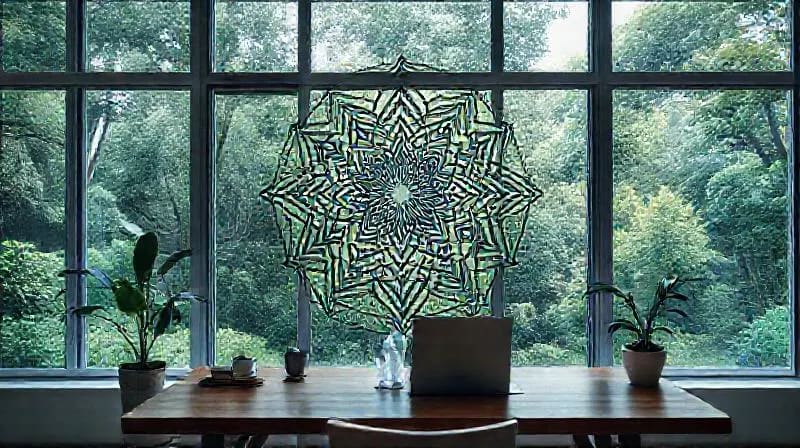
Precursors intellectuales, diagramas fundamentales y representaciones conceptuales que forjaron la visión de los Nómadas Digitales sobre la armonía laboral.
Fuente visual sujeta a disponibilidad del ecosistema: Wikimedia Commons bajo licencia CC BY-SA 4.0 o renderizado conceptual IA.Feng Shui, which literally translates to "wind-water," is a philosophical system of harmonizing everyone with their surrounding environment. It posits that energy, or "Qi," flows through spaces and can profoundly impact health, wealth, and happiness. For digital nomads, whose environments are constantly shifting, understanding and applying these principles can create a sense of stability and intentionality, transforming transient locations into sanctuaries of productivity and peace. This guide explores how to integrate Feng Shui into the nomadic lifestyle, ensuring both physical and virtual spaces contribute positively to one's professional and personal journey.
Table of Contents
- The Essence of Feng Shui for the Modern Nomad
- Optimizing Your Physical Workspace
- Harmonizing Your Virtual Environment (Digital Feng Shui)
- Integrating Travel and Mobility with Feng Shui Principles
- The Impact on Productivity and Well-being
The Essence of Feng Shui for the Modern Nomad
At its core, Feng Shui is about creating balance and promoting the free flow of positive energy (Qi). Key concepts include Yin and Yang, representing complementary forces, and the Five Elements (Wood, Fire, Earth, Metal, Water), which describe the interactions and transformations of energy. For digital nomads, these principles are not just about arranging furniture; they are about cultivating an intentional relationship with their ever-changing surroundings, both tangible and intangible.
The relevance of Feng Shui for digital nomads stems from their unique lifestyle. Constant movement, diverse cultural contexts, and the blurring lines between work and personal life can lead to feelings of instability or overwhelm. By consciously applying Feng Shui, nomads can create pockets of calm and focus, ensuring that wherever they set up their laptop, they can tap into an environment that supports their goals. This adaptability is crucial for sustained productivity and mental clarity, allowing them to thrive amidst change.
Optimizing Your Physical Workspace (Home Office, Co-working, Temporary Stays)
Whether you're in a rented apartment, a hotel room, or a co-working space, your physical environment significantly influences your mood and efficiency. Applying Feng Shui principles can transform any temporary setup into a productive haven. The goal is to create a space that feels supportive, secure, and inspiring, regardless of its permanence.
A visual exploration of dynamic energy flow within collaborative work environments.
One of the most fundamental principles is the Command Position. This refers to placing your desk in a way that allows you to see the door without being directly in line with it. This position provides a sense of security and control, reducing anxiety and enhancing focus. If a direct command position isn't possible, a mirror can be strategically placed to reflect the door, achieving a similar effect. Avoiding a desk that faces a wall directly is also important, as it can symbolize blocked opportunities and limited perspective.
Decluttering is paramount in Feng Shui. A cluttered space leads to a cluttered mind, hindering creativity and productivity. For digital nomads, this means being mindful of what they bring into their temporary spaces and regularly organizing their belongings. Clear surfaces allow for a clearer flow of Qi and mental space. Even in a small apartment, intentional organization can make a huge difference, promoting a sense of order and calm that supports deep work.
Incorporating Natural Elements is another powerful technique. Plants, especially those with rounded leaves, bring vital energy and purify the air. Natural light is essential; position your workspace to maximize daylight exposure. If natural light is scarce, use full-spectrum lighting. Water features, even a small desk fountain or an image of water, can symbolize wealth and flow, though care should be taken to ensure they don't create dampness or stagnation. These elements connect us to nature, providing a grounding effect that is particularly beneficial for those constantly on the move.
Color Psychology also plays a role. Colors can evoke specific emotions and energies. For a workspace, greens and blues can promote calm and creativity, while earthy tones like browns and yellows can provide stability and grounding. Avoid overly stimulating reds or harsh whites, which can lead to restlessness or mental fatigue. Even small accents like a pen holder or a mouse pad in a specific color can subtly influence your energetic state.
Finally, prioritize Ergonomics and Comfort. While not strictly a Feng Shui principle, a comfortable and supportive chair, proper desk height, and a well-arranged setup are crucial for physical well-being, which in turn supports mental clarity and positive energy. An uncomfortable body leads to a distracted mind, disrupting the harmonious flow of Qi. Investing in portable ergonomic accessories can be a game-changer for a digital nomad, ensuring comfort regardless of location.
| Feng Shui Element | Associated Energy & Qualities | Application for Digital Nomads |
|---|---|---|
| Wood | Growth, creativity, new beginnings, vitality. | Small plants, wooden desk accessories, green colors. |
| Fire | Passion, inspiration, recognition, energy. | Strategic use of red accents, good lighting, candles (safely). |
| Earth | Stability, grounding, nourishment, security. | Earthy tones, ceramic pots, sturdy furniture, images of landscapes. |
| Metal | Focus, clarity, organization, precision. | Metallic desk organizers, white/gray colors, decluttering. |
| Water | Flow, wisdom, intuition, connection, wealth. | Blue/black colors, small water features, reflective surfaces, images of water. |
Harmonizing Your Virtual Environment (Digital Feng Shui)
In the digital age, our virtual spaces are as integral to our work as our physical ones. Digital nomads spend countless hours interacting with screens, making "Digital Feng Shui" an emerging and critical concept. Just as clutter in a physical room can impede energy flow, a disorganized digital space can create mental chaos, reduce efficiency, and increase stress. The principles remain the same: promote clarity, organization, and a harmonious flow of information.
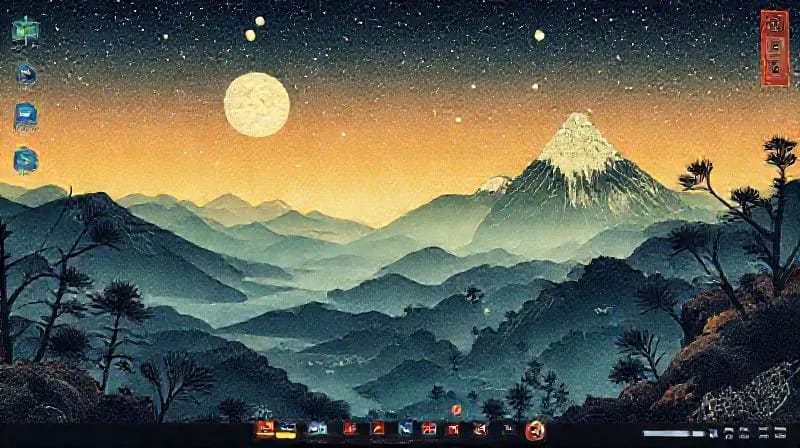
Conceptual visualization of digital organization and seamless workflow for the modern professional.
Digital Decluttering is the virtual equivalent of tidying your desk. This involves regularly organizing your desktop, files, and folders. A clean, intuitive file structure saves time and reduces mental load. Delete unnecessary files, archive old projects, and use consistent naming conventions. Consider using cloud storage solutions that automatically organize and back up your data, ensuring a sense of digital order even when on the move. This practice aligns with the Feng Shui principle of removing obstacles to energy flow, allowing for smoother digital operations.
Managing Notifications and Distractions is crucial for maintaining focus in the digital realm. Constant pings from emails, social media, and messaging apps fragment attention and disrupt concentration. Implement strategies like turning off non-essential notifications, scheduling specific times for checking emails, and using "do not disturb" modes. This creates a digital boundary, protecting your mental space from external intrusions and allowing for deeper, more focused work sessions. This mindful approach to technology use is essential for digital well-being.
The Color Schemes and Layouts of your digital tools and operating system can also impact your energy. Choose calming backgrounds for your desktop, and opt for productivity apps with clean, intuitive interfaces. Overly busy or clashing color schemes can be visually jarring and mentally exhausting. Many operating systems and applications offer customization options that allow you to create a visually harmonious digital environment that supports focus and reduces eye strain. This attention to visual aesthetics in the digital space mirrors the careful selection of colors and decor in physical Feng Shui.
Finally, practice Mindful Technology Use. This includes scheduling regular breaks away from screens, incorporating digital detox periods, and being intentional about how and when you engage with technology. Just as a physical space needs periods of rest and rejuvenation, so too does our digital interaction. This practice helps prevent burnout and maintains a healthy balance between our online and offline lives, fostering overall well-being. For more insights into how technology can intersect with ancient practices, consider exploring Techno-Shamanism: Digital Tools and Ancient Rituals.
- Organize Your Desktop: Keep only essential icons visible. Use folders for categorization.
- Manage Downloads: Process or delete downloaded files regularly to avoid accumulation.
- Email Inbox Zero: Strive to keep your email inbox clean by archiving, deleting, or acting on messages promptly.
- Cloud-Based Solutions: Utilize cloud services for document storage and collaboration to reduce local clutter.
- Digital Detox: Schedule specific times to disconnect from all devices, especially before bed.
- Mindful App Usage: Delete unused apps and organize frequently used ones for easy access.
- Password Management: Use a secure password manager to reduce mental clutter and enhance security.
Integrating Travel and Mobility with Feng Shui Principles
The very nature of digital nomadism involves constant movement, presenting a unique challenge for applying static Feng Shui principles. However, the core philosophy of adapting to and harmonizing with one's environment becomes even more pertinent. It's not about redesigning every temporary space, but about cultivating a mindful approach to your surroundings and carrying positive energy with you.
Embracing a Minimalist Approach to packing is a practical application of Feng Shui. "Packing light, living right" means carrying only what is essential and meaningful. This reduces physical and mental burden, allowing for greater flexibility and a clearer mind. Each item you carry should serve a purpose or bring joy, avoiding unnecessary clutter that can accumulate in temporary living situations. This aligns with the Feng Shui emphasis on decluttering and creating space for positive energy.
When arriving at new accommodations, practice Adapting to New Spaces with quick Feng Shui fixes. Even small adjustments can make a big difference. For instance, if your bed is not in a command position, try to adjust it or use a mirror. Open windows to let in fresh air, bring in a small plant or a meaningful object from home, and clear any immediate clutter. These actions help to personalize the space and imbue it with your own positive energy, making it feel more like a supportive home base, however temporary. Understanding how planetary cycles influence personal growth can further enhance this adaptability, as discussed in North Node Transits and Planetary Aspects.
Energy Cleansing Rituals can be particularly beneficial for digital nomads moving between different environments. Upon entering a new space, you might light a candle (safely), diffuse essential oils, or simply open windows and visualize clearing stagnant energy. Smudging with palo santo or sage, if culturally appropriate and permissible, can also help clear residual energies. These small rituals help to reset the energetic tone of a space, making it more conducive to work and rest. This practice acknowledges the subtle energetic imprints left by previous occupants and helps to create a fresh start.
Finally, Connecting with Local Energies involves being sensitive to the cultural and natural environment of your current location. Learn about local customs, respect the land, and engage with the community. This holistic approach extends Feng Shui beyond your immediate workspace to your broader environment, fostering a deeper sense of belonging and harmony. This not only enriches your travel experience but also aligns your personal energy with the positive vibrations of your surroundings, enhancing overall well-being and productivity.
The Impact on Productivity and Well-being
Implementing Feng Shui principles, both physically and digitally, has a profound impact on a digital nomad's productivity and overall well-being. By creating harmonious and supportive environments, individuals can experience a reduction in stress, an improvement in focus, and an enhancement in their creative problem-solving abilities. The constant movement inherent in the nomadic lifestyle can be mentally taxing, and Feng Shui offers a framework for creating stability amidst this flux.
A well-arranged physical workspace, free from clutter and imbued with natural elements, promotes a sense of calm and order. This mental clarity translates directly into increased productivity, as fewer distractions and a more organized environment allow for deeper concentration. Similarly, a decluttered and intuitively organized digital space reduces cognitive load, making it easier to find information, manage tasks, and maintain a smooth workflow. This synergy between physical and virtual harmony is critical for the efficiency of a digital nomad.
Beyond productivity, Feng Shui significantly contributes to holistic well-being. By fostering positive energy flow, it can alleviate feelings of anxiety and overwhelm, common challenges for those constantly adapting to new locations and work setups. The intentional creation of supportive spaces encourages self-care and mindfulness, leading to a better work-life balance. This is particularly vital for digital nomads, where the boundaries between personal and professional life often blur. A balanced environment supports a balanced mind and body, ensuring sustained health and happiness on the road.
Ultimately, Feng Shui for digital nomads is about empowerment. It provides tools to consciously shape one's environment, rather than being passively influenced by it. This proactive approach to creating harmonious spaces, whether a temporary Airbnb or a virtual desktop, ensures that every location becomes a foundation for success and personal growth. By integrating these ancient wisdoms with modern nomadic living, individuals can unlock their full potential, maintaining high levels of productivity and profound well-being wherever their journey takes them.
The principles of Feng Shui, though ancient, offer timeless wisdom for contemporary challenges. For digital nomads, this means transforming every temporary space into a source of strength and inspiration. By applying these guidelines, you can ensure that your environment actively supports your professional goals and personal peace.
Related Searches & Further Reading
- Ecological Divination: Tarot, Runes, Oracles for Earth Healing
- Aspectos Kármicos Carta Natal: Lecciones Vidas Pasadas Destino Presente
- Sabian Symbols: Deeper Meaning in Chart Degree Placements
- Rooster Chinese Zodiac: Precision, Perfectionism, and Leadership
- 3rd House Astrology: Communication, Learning, Siblings
Source: Hybrid content assisted by AI and human editorial supervision.


Comments
Post a Comment