
Psycho-Astrology Jungian Archetypes Shadow Self Wholeness
Psycho-astrology represents a fascinating convergence of ancient wisdom and modern psychological insight, offering a unique lens through which to understand the complexities of the human psyche. By integrating astrological principles with the profound theories of Carl Jung, particularly his concepts of archetypes and the shadow self, individuals can embark on a transformative journey of self-discovery and personal integration. This interdisciplinary approach moves beyond mere prediction, delving into the symbolic language of the cosmos to illuminate our inner landscape.
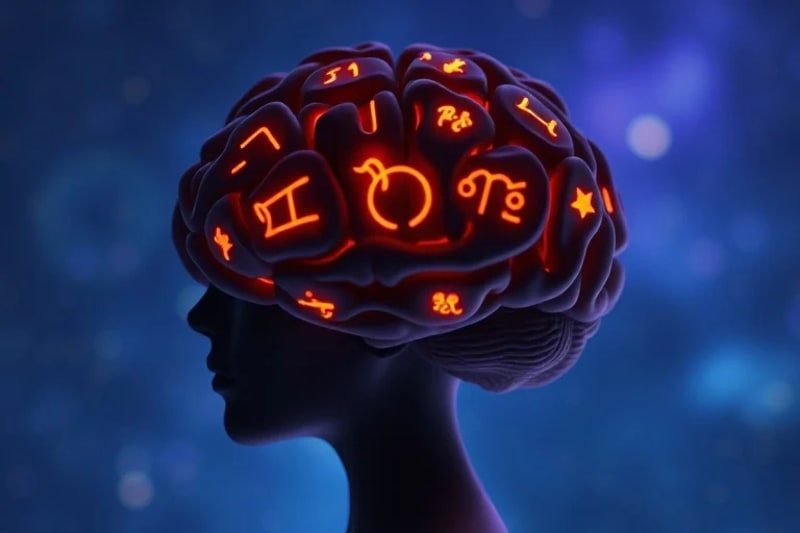
Conceptual representations of the cosmic mind, archetypal patterns, and the intricate dance between conscious and unconscious forces that shape individual experience.
Visual source subject to ecosystem availability: Wikimedia Commons under license CC BY-SA 4.0 or conceptual AI rendering.The birth chart, a snapshot of the heavens at the moment of our first breath, serves as a symbolic map of our inherent psychological predispositions and potential. When viewed through a Jungian framework, each planetary placement, house, and aspect can be seen as an activation or expression of specific archetypal energies within us. Understanding these cosmic influences allows for a deeper comprehension of our conscious motivations, unconscious drives, and the often-hidden aspects of our personality that comprise the shadow self.
Table of Contents
- What is Psycho-Astrology?
- Jungian Archetypes: A Cosmic Mirror
- The Shadow Self in Your Birth Chart
- Integrating the Shadow for Wholeness
- Astrological Transits and Archetypal Activation
- Practical Steps for Self-Discovery
What is Psycho-Astrology?
Psycho-astrology is an interpretive discipline that merges the symbolic language of astrology with the depth psychology of Carl Jung. It posits that the astrological birth chart is not merely a predictive tool, but a profound psychological blueprint, revealing the individual's inner dynamics, complexes, and potential for growth. This field emphasizes self-awareness and personal evolution, rather than deterministic fate.
Unlike traditional astrology which might focus on life events, psycho-astrology explores the 'why' behind our behaviors and emotional patterns. It helps individuals understand their inherent strengths, vulnerabilities, and the unconscious forces that drive their choices. By examining the chart, one can identify areas of psychological tension, hidden talents, and the path towards greater self-realization.
Jungian Archetypes: A Cosmic Mirror
Carl Jung introduced the concept of archetypes as universal, archaic patterns and images that derive from the collective unconscious and are the psychic counterpart of instinct. These archetypes manifest in our dreams, myths, religions, and personal experiences, shaping our perceptions and behaviors. In psycho-astrology, the planets, signs, and houses are seen as embodying these archetypal energies.
For instance, the Sun might represent the Hero archetype, striving for individuality and purpose, while the Moon could symbolize the Great Mother, nurturing and protective. Mars embodies the Warrior, driving assertion and passion, as explored in the context of Mars Astrology: Drive, Passion, and Assertion. Each astrological component reflects a facet of the universal human experience, providing a rich tapestry for psychological interpretation.
Understanding which archetypes are strongly emphasized or challenged in a birth chart can provide profound insights into one's core identity and developmental tasks. This cosmic mirror reflects not just our personal story, but the universal patterns that connect us all.
The Shadow Self in Your Birth Chart
Perhaps one of Jung's most impactful concepts is the shadow self – the unconscious aspect of the personality that the conscious ego does not identify with. It contains repressed ideas, weaknesses, desires, instincts, and shortcomings. In astrology, the shadow often manifests through challenging planetary aspects, difficult house placements, or suppressed energies associated with certain signs.
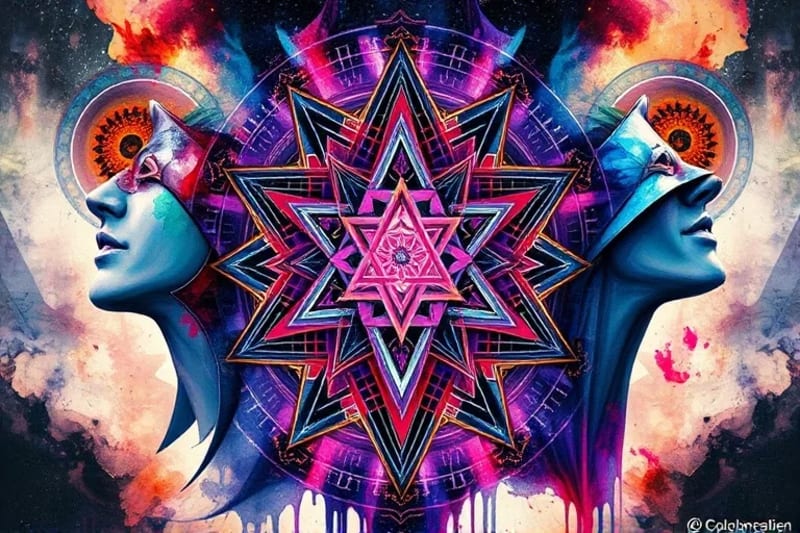
Symbolic masks and veiled figures representing the hidden aspects of the psyche and the complexities of the shadow self.
For example, a strong Pluto or an afflicted 8th house might indicate a powerful but often repressed shadow related to power, control, or transformation. Similarly, certain challenging aspects to the Moon or Venus could point to unacknowledged emotional needs or relationship patterns. The shadow isn't inherently evil; it simply holds the parts of ourselves we've disowned, often out of fear or societal conditioning.
Identifying these shadow aspects in the birth chart is the first step towards integration. It allows us to pinpoint where our unconscious biases, projections, and self-sabotaging behaviors might originate. Understanding the karmic path, particularly through the North Node & South Node: Karmic Path in Houses, can further illuminate the lessons embedded within our shadow experiences.
Integrating the Shadow for Wholeness
The goal of working with the shadow is not to eliminate it, but to integrate it into the conscious personality, leading to a more complete and authentic self. This process, known as individuation in Jungian terms, is essential for psychological wholeness. In psycho-astrology, integration involves consciously acknowledging and working with the energies represented by challenging chart placements.
For instance, if your chart shows a tendency towards excessive self-criticism (a shadow aspect), the integration might involve consciously embracing self-compassion and recognizing your inherent worth. This doesn't mean ignoring flaws, but rather understanding them as part of the human experience and channeling their energy constructively. The journey toward wholeness is a continuous process of self-acceptance and growth.
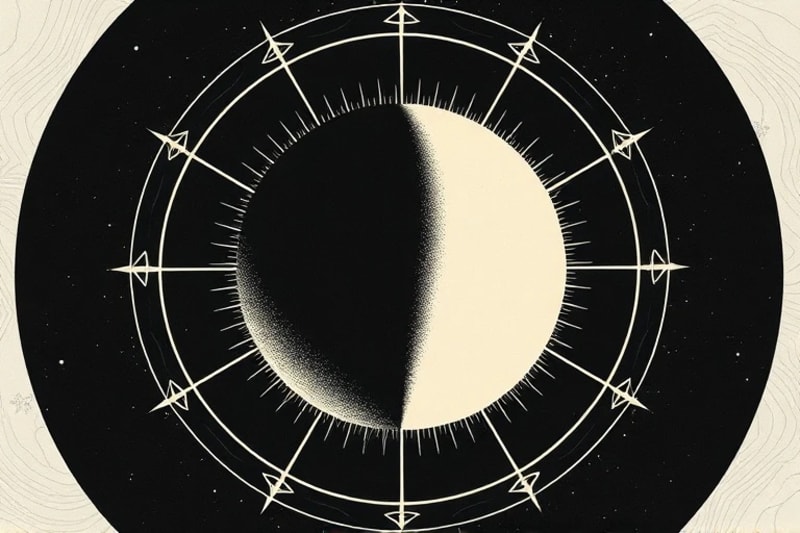
A conceptual rendering of light and shadow merging, symbolizing the integration of conscious and unconscious elements for psychological wholeness.
This integration often involves confronting uncomfortable truths about ourselves, but the rewards are immense: increased authenticity, stronger personal boundaries, and a deeper connection to our true potential. It's about transforming perceived weaknesses into sources of wisdom and strength.
Astrological Transits and Archetypal Activation
Astrological transits, which describe the current positions of planets in relation to our birth chart, often act as triggers for archetypal activation and shadow integration. When a transiting planet forms a challenging aspect to a natal planet, it can bring unconscious material to the surface, demanding our attention and integration. These periods are not punitive, but rather opportunities for profound growth.
For example, a Pluto transit to a personal planet might bring up deep-seated fears or power struggles, forcing us to confront our shadow aspects related to control and transformation. Similarly, a Saturn transit could highlight areas where we need to take responsibility and build structure, revealing unconscious patterns of avoidance. These cosmic rhythms can be powerful catalysts for personal evolution, aligning with the principles of Guided Meditation Mindfulness: Aligning Inner Harmony Moon Phases to navigate challenging periods.
By understanding the archetypal energies at play during specific transits, individuals can consciously engage with these challenges, rather than being overwhelmed by them. This proactive approach transforms potential crises into opportunities for profound self-mastery.
Practical Steps for Self-Discovery
Embarking on the journey of psycho-astrological self-discovery requires both introspection and practical application. Here are some steps to begin mastering your shadow self and moving towards wholeness:
- Birth Chart Analysis: Obtain an accurate birth chart reading from a psycho-astrologer who can interpret your chart through a Jungian lens, identifying key archetypes and shadow indicators.
- Journaling: Regularly journal about your dreams, recurring patterns, and strong emotional reactions. These can be direct messages from your unconscious and shadow.
- Active Imagination: Engage in Jungian active imagination exercises, allowing archetypal figures or shadow aspects to emerge and interact with your conscious mind.
- Shadow Work: Identify qualities in others that trigger strong positive or negative reactions in you. These are often projections of your own unacknowledged shadow or potential.
- Mindfulness and Meditation: Practices like mindfulness can help you observe your thoughts and emotions without judgment, creating space to acknowledge and integrate shadow material.
- Therapy or Coaching: Working with a therapist or coach experienced in Jungian psychology or psycho-astrology can provide invaluable guidance and support in navigating complex inner landscapes.
This journey is not always easy, but it is deeply rewarding. By consciously engaging with the symbolic language of astrology and the profound insights of Jungian psychology, you can unlock a deeper understanding of yourself, integrate your shadow, and move towards a more authentic and whole existence. Embracing this path leads to greater self-acceptance, resilience, and a profound sense of purpose.
Explore Further: Related Insights
- Fixed Stars Astrology: Beyond Destiny, Influencing Personality
- Chinese Zodiac Compatibility by Element: A Nuanced Matchmaking Analysis
- Biohacking Hormonal Longevity: Personalized Genomic Cellular Strategies
- Astrological Bio-hacking: Optimizing Body and Mind Performance
- Astrology Mental Wellness: Cosmic Connection Human Psyche
Source: Hybrid content assisted by AI and human editorial supervision.


Comments
Post a Comment