
AI Dream Interpretation Decoding Subconscious Symbolism Algorithmic
Dreams have captivated humanity for millennia, serving as a mysterious conduit to the subconscious mind. From ancient civilizations seeking divine messages to modern psychology exploring repressed desires, the interpretation of dreams has always been a profound quest for self-understanding. However, traditional methods often rely on subjective analysis, cultural context, and the interpreter's personal biases, leading to varied and sometimes inconsistent conclusions.
In the 21st century, a revolutionary approach is emerging: AI-assisted dream interpretation. This innovative field combines the timeless art of dream analysis with the cutting-edge power of artificial intelligence and machine learning. By leveraging advanced algorithms, AI can process vast amounts of data, identify complex patterns, and offer interpretations with an unprecedented level of precision and objectivity, opening new avenues for psychological insight and personal development.
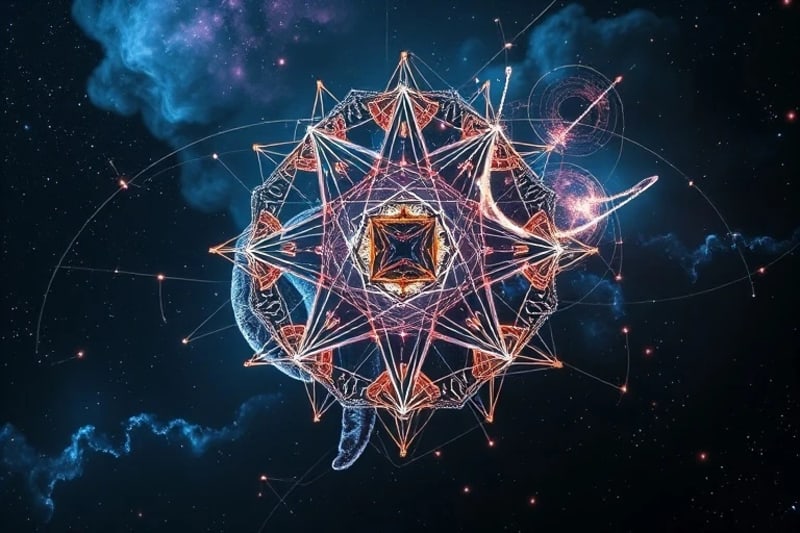
Precursors intellectuales, diagramas fundamentales y representaciones conceptuales que forjaron la visión de la interpretación de sueños asistida por IA sobre el subconsciente.
Fuente visual sujeta a disponibilidad del ecosistema: Wikimedia Commons bajo licencia CC BY-SA 4.0 o renderizado conceptual IA.This article delves into the fascinating realm of AI-assisted dream interpretation, exploring its methodologies, benefits, ethical considerations, and the transformative potential it holds for decoding the intricate language of our subconscious. We will examine how algorithmic precision can move beyond traditional subjective readings to provide more nuanced and personalized insights into our inner worlds.
Table of Contents
- The Ancient Art Meets Modern Science: A New Era of Dream Analysis
- How AI Deciphers Dream Symbolism: Mechanisms and Methodologies
- The Algorithmic Precision: Beyond Traditional Interpretation
- Benefits and Applications of AI-Assisted Dream Analysis
- Ethical Considerations and Future Prospects
- Challenges and Limitations in AI Dream Interpretation
The Ancient Art Meets Modern Science: A New Era of Dream Analysis
The practice of interpreting dreams dates back to ancient civilizations, where dreams were often considered divine communications or omens. Egyptians, Greeks, and Romans all had elaborate systems for understanding dream symbolism, often involving priests or specialized interpreters. These early approaches laid the groundwork for the idea that dreams carry significant meaning, reflecting aspects of waking life or foretelling future events.
In more recent history, figures like Sigmund Freud and Carl Jung revolutionized dream analysis, bringing it into the realm of psychology. Freud viewed dreams as "the royal road to the unconscious," a means to uncover repressed desires and conflicts. Jung, on the other hand, introduced concepts like the collective unconscious and archetypes, suggesting that dreams tap into universal symbols and patterns shared by all humanity.
Despite their profound contributions, traditional psychoanalytic and Jungian approaches are inherently subjective. Interpretations often depend on the analyst's school of thought, personal experiences, and the unique dynamic with the dreamer. This subjectivity, while offering rich personal insights, can also lead to inconsistencies and a lack of verifiable data, making it challenging to establish universal principles or conduct large-scale research.
The advent of artificial intelligence offers a paradigm shift. AI can process and analyze dream narratives with a level of objectivity and scale previously unimaginable. By identifying recurring themes, emotional tones, and symbolic connections across vast datasets of reported dreams, AI can help to mitigate human bias and uncover patterns that might be imperceptible to a human interpreter, ushering in a new era of data-driven dream analysis.
How AI Deciphers Dream Symbolism: Mechanisms and Methodologies
AI-assisted dream interpretation relies on sophisticated computational techniques to analyze the complex narratives and imagery of dreams. At its core, this process involves machine learning, natural language processing (NLP), and neural networks, which are trained on extensive datasets to recognize and interpret symbolic meanings.
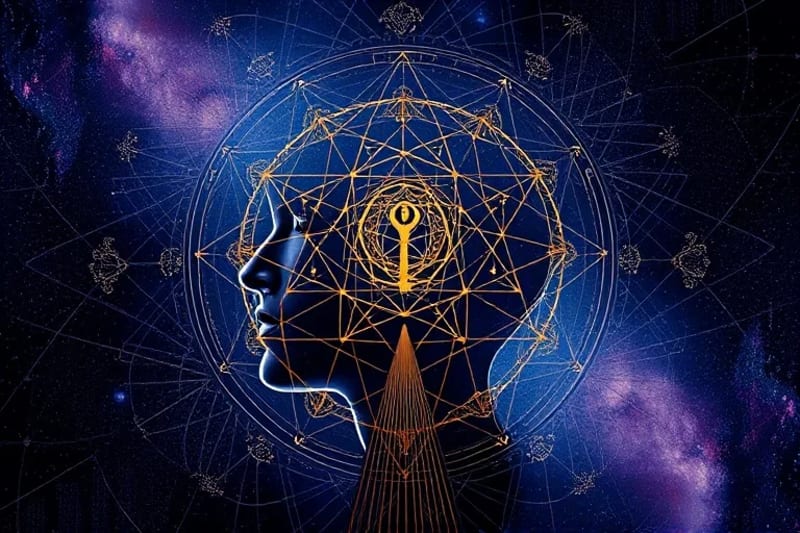
AI algorithms analyze dream narratives, identifying symbols and patterns to reveal subconscious meanings.
The initial step involves data collection, typically from anonymized dream journals, psychological profiles, and comprehensive cultural databases of symbols. This diverse input allows the AI to build a rich understanding of how different symbols are perceived and interpreted across various contexts. For instance, a "snake" might represent danger in one culture but wisdom or healing in another. The AI learns to navigate these nuances.
Once trained, the AI employs NLP to break down dream narratives into their constituent elements: objects, actions, emotions, and settings. It then uses pattern recognition algorithms to identify recurring symbols, themes, and emotional states within an individual's dreams over time, as well as across a broader population. This allows for the detection of subtle connections that might be missed by human observers.
Consider the common dream of "falling." An AI system can analyze not just the act of falling, but also the context—where the fall occurs, the emotions experienced (fear, exhilaration, indifference), and other accompanying symbols. By cross-referencing this information with its vast database, the AI can suggest potential interpretations, such as feelings of insecurity, loss of control, or even a desire for release, tailored to the individual's reported experiences and psychological profile.
Furthermore, advanced AI models can incorporate physiological data, if available, such as heart rate or brain activity during REM sleep, to enrich their interpretations. This multi-modal approach allows for a more holistic and scientifically grounded analysis of dream content, moving beyond mere symbolic dictionaries to a deeper understanding of the dream's emotional and psychological underpinnings.
The Algorithmic Precision: Beyond Traditional Interpretation
The primary advantage of AI in dream interpretation lies in its algorithmic precision. Unlike human interpreters, AI systems can quantify dream elements, assign probabilities to interpretations, and process an immense volume of data without fatigue or emotional bias. This capability allows for a level of detail and accuracy that traditional methods often struggle to achieve.
AI can cross-reference an individual's dream reports with global psychological research, cultural mythologies, and even personal historical data to provide highly personalized insights. For example, if a person consistently dreams of water, the AI can analyze the specific type of water (calm, turbulent, clear, murky), its context, and the dreamer's emotional response, then correlate these with known psychological associations and the individual's waking life events.
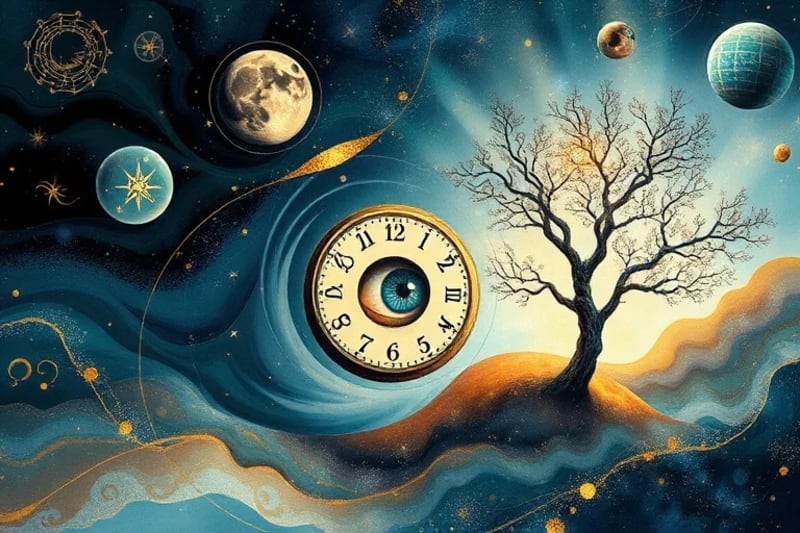
The abstract and fragmented nature of dreams is meticulously analyzed by AI to uncover hidden meanings.
This algorithmic approach moves beyond a simple dream dictionary lookup. Instead, it creates a dynamic, evolving model of the dreamer's subconscious, identifying trends and shifts over time. This can be particularly useful in understanding complex psychological states or tracking progress in therapeutic interventions. AI acts as a powerful complementary tool, providing data-driven perspectives that can enrich the dialogue between a dreamer and their human therapist.
The ability of AI to identify subtle patterns in vast datasets is also crucial for understanding broader psychological phenomena. Just as Cosmic Sociology maps global consciousness trends, AI dream analysis can potentially uncover universal dream archetypes or culturally specific symbolic shifts that reflect collective societal anxieties or aspirations. This opens up new avenues for sociological and anthropological research into the human psyche.
Benefits and Applications of AI-Assisted Dream Analysis
The integration of AI into dream interpretation offers a wide array of benefits and practical applications across various domains, from mental health to personal development and academic research. These advantages stem from AI's capacity for objective, scalable, and personalized analysis.
- Enhanced Mental Health Support: AI can serve as an early warning system for psychological distress. By analyzing recurring negative themes, intense emotions, or disturbing imagery in dreams, AI could flag potential signs of stress, anxiety, depression, or even trauma. This allows individuals and mental health professionals to address issues proactively.
- Facilitating Self-Discovery and Personal Growth: Dreams are often a reflection of our inner world, aspirations, and unresolved conflicts. AI can help individuals gain deeper insights into their motivations, fears, and desires, fostering greater self-awareness and guiding personal growth journeys.
- Boosting Creativity and Problem-Solving: Many historical figures, from scientists to artists, have reported breakthroughs inspired by their dreams. AI can help individuals identify symbolic solutions or creative impulses embedded in their dream narratives, translating subconscious insights into conscious innovation.
- Supporting Academic and Psychological Research: The ability to analyze vast datasets of dreams provides an invaluable resource for researchers. AI can help identify universal dream patterns, cultural variations, and the psychological impact of major life events or societal changes on the collective unconscious.
- Personalized Interpretations: Unlike generic dream dictionaries, AI can learn from an individual's unique life experiences, cultural background, and emotional responses to provide interpretations that are highly relevant and resonant. This personalization enhances the utility and impact of dream analysis.
Moreover, understanding the rhythms of our inner world, much like comprehending how moon phases influence emotional cycles, can empower individuals to better manage their emotional states and manifest their intentions. AI-assisted dream analysis adds another layer of scientific rigor to this ancient pursuit of self-knowledge.
Ethical Considerations and Future Prospects
While the potential of AI-assisted dream interpretation is vast, it also raises important ethical considerations that must be addressed for its responsible development and deployment. The deeply personal and sensitive nature of dream content necessitates careful attention to privacy, data security, and the potential for misinterpretation.
Key Ethical Concerns:
- Data Privacy and Security: Dream journals contain highly intimate information. Robust encryption, anonymization techniques, and strict data governance protocols are essential to protect user privacy and prevent unauthorized access or misuse of personal data.
- Potential for Misinterpretation: While AI offers precision, dreams are inherently complex and often metaphorical. An over-reliance on algorithmic interpretations without human context or critical thinking could lead to misunderstandings or misguided actions.
- Bias in Algorithms: If the training data for AI models contains biases (e.g., predominantly Western interpretations, or data from specific demographics), the AI's interpretations could perpetuate or even amplify these biases, leading to inaccurate or culturally insensitive analyses.
- Impact on Human Intuition: There's a concern that excessive reliance on AI might diminish human capacity for self-reflection and intuitive understanding of one's own dreams, potentially undermining a vital aspect of psychological growth.
Looking ahead, the future of AI-assisted dream interpretation is likely to involve increasingly sophisticated models that integrate with other technologies. This could include biofeedback devices that monitor sleep stages and physiological responses, advanced neural interfaces that capture dream imagery more directly, and even personalized therapeutic interventions suggested by AI based on dream analysis. The synergy between ancient wisdom, such as that found in Hellenistic Astrology's ancient techniques, and future tech promises a holistic approach to understanding the human condition.
Challenges and Limitations in AI Dream Interpretation
Despite its promising capabilities, AI-assisted dream interpretation faces several significant challenges and inherent limitations that must be acknowledged and addressed. These pertain to the fundamental nature of dreams, the complexities of human consciousness, and the current state of AI technology.
One of the primary challenges is the profound subjectivity of human experience. Dreams are deeply personal, often drawing from unique memories, emotions, and cultural backgrounds that are difficult for an algorithm to fully grasp without extensive, individualized data. What one person perceives as a threat, another might see as an opportunity, even if the symbol is identical.
Furthermore, there is no universally accepted "dream dictionary" or standardized framework for interpretation. While some symbols have common associations, their meaning can shift dramatically based on context, personal history, and even the dreamer's current emotional state. This lack of a fixed interpretive schema makes it challenging to train AI models that can consistently provide accurate and universally applicable insights.
The "black box" problem of many advanced AI models also presents a limitation. It can be difficult to understand precisely how an AI arrives at a particular interpretation, making it challenging to verify its reasoning or correct potential errors. This opacity can hinder trust and prevent users from fully engaging with the insights provided.
Ultimately, human oversight and validation remain crucial. AI should be viewed as a powerful tool to augment, rather than replace, human intuition and therapeutic expertise. The nuanced understanding of human emotions, the ability to build rapport, and the capacity for empathetic listening are qualities that AI cannot replicate. Just as sacred geometry reveals universal patterns for personal growth, AI can illuminate patterns, but the ultimate integration and meaning-making still reside within the individual's conscious mind and their interactions with human guides.
The journey into the subconscious through AI is still in its nascent stages, promising profound discoveries while requiring careful navigation of its complexities and limitations. As AI technology continues to evolve, so too will our capacity to unravel the enigmatic tapestry of our dreams, bringing us closer to understanding the depths of the human psyche.
Explore Further: Related Insights
Cosmic Sociology & AI
: Discover how AI maps global consciousness, a parallel to decoding individual subconscious patterns.
Ancient Wisdom & Modern Tech
: Explore historical interpretive systems, contrasting them with AI's modern approach.
Emotional Cycles & Self-Discovery
: Understand how emotional rhythms influence our inner world, including dreams.
Universal Patterns & Growth
: Connect the dots between universal patterns and individual development, a concept relevant to dream symbolism.
Communication & Intellect
Mercury in Houses: Communication, Learning, Intellect: Explore how communication and intellect, key to dream interpretation, are influenced by astrological placements.
Elemental Physiognomy
Chinese Face Reading: Elemental Physiognomy Personality Insights: Delve into ancient methods of personality assessment, offering a contrast to modern AI analysis.
Source: Hybrid content assisted by AI and human editorial supervision.


Comments
Post a Comment