
Psycho-Astrology: Jungian Psychology Natal Chart Integration
Psycho-astrology represents a fascinating and profound convergence of two powerful systems for understanding the human psyche: Jungian analytical psychology and natal astrology. This interdisciplinary approach moves beyond mere predictive astrology, delving into the symbolic language of the birth chart to reveal the deep-seated psychological patterns, archetypes, and developmental potentials within an individual. It offers a unique lens through which to explore the unconscious motivations, inherent talents, and challenges that shape our life's journey, fostering a path towards self-awareness and individuation.
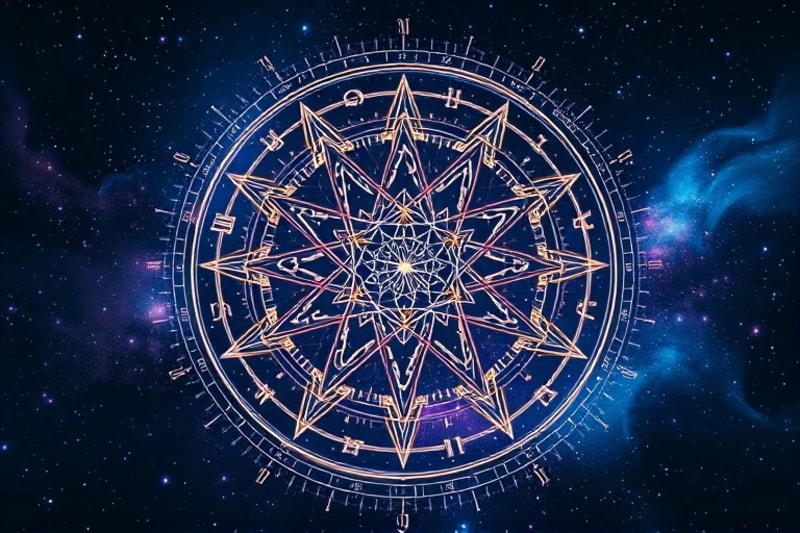
Precursors intellectuales, diagramas fundamentales y representaciones conceptuales que forjaron la visión de Carl Jung sobre la psique humana y su relación con los patrones arquetípicos universales.
Fuente visual sujeta a disponibilidad del ecosistema: Wikimedia Commons bajo licencia CC BY-SA 4.0 o renderizado conceptual IA.At its core, psycho-astrology posits that the natal chart is not merely a map of planetary positions at the moment of birth, but a symbolic blueprint of the individual's psychological structure. Carl Jung's concepts of the collective unconscious, archetypes, the shadow, anima/animus, and the process of individuation find striking parallels and profound applications within astrological interpretation. By integrating these psychological frameworks, astrologers can offer deeper, more nuanced insights into personality, life purpose, and the dynamic interplay between conscious and unconscious forces.
This approach moves beyond simplistic categorizations, encouraging a holistic view of the individual. It helps clients understand their inherent psychological dynamics, empowering them to navigate life's challenges with greater self-awareness and intentionality. The goal is not to predict fate, but to illuminate the underlying psychological currents that influence behavior and experience, thereby facilitating personal growth and integration.
Table of Contents
Understanding Psycho-Astrology: A New Frontier
Jungian Archetypes in the Natal Chart
The Shadow and Astrological Aspects
The Anima/Animus and Planetary Placements
Individuation: The Astrological Journey
Practical Applications: Self-Discovery Through the Stars
Challenges and Criticisms
Understanding Psycho-Astrology: A New Frontier
Psycho-astrology, as a distinct field, emerged from the recognition that astrology's symbolic framework could provide profound insights into the human psyche, complementing and enriching psychological theories. While traditional astrology often focuses on external events and personality traits, psycho-astrology delves into the inner world, exploring the developmental journey of the soul. It views the natal chart as a dynamic map of potential, rather than a fixed destiny, emphasizing free will and conscious choice in shaping one's life.
The synergy between Jungian psychology and astrology is particularly strong due to their shared emphasis on symbolism, mythology, and the unconscious. Jung himself was fascinated by astrology, recognizing its ancient wisdom and its capacity to mirror psychological processes. He saw astrological patterns as symbolic representations of the archetypal forces at play within the collective unconscious, influencing individual experience.
This integration allows for a more comprehensive understanding of complex psychological dynamics. For instance, challenging planetary aspects in a natal chart are not merely "bad luck" but are interpreted as opportunities for growth, integration of fragmented parts of the self, and resolution of inner conflicts. This perspective aligns perfectly with Jung's concept of individuation, the lifelong process of integrating the conscious and unconscious to achieve a more complete and harmonious self.
Jungian Archetypes in the Natal Chart
One of the most powerful connections between Jungian psychology and astrology lies in the concept of archetypes. Jung defined archetypes as universal, archaic patterns and images that derive from the collective unconscious and are the psychic counterpart of instinct. In psycho-astrology, these archetypes are seen as embodied by the planets, signs, and houses in a natal chart, providing a rich tapestry of symbolic meaning.
For example, the Sun in a natal chart often represents the Hero archetype, symbolizing the individual's conscious ego, will, and quest for identity. The Moon, conversely, can represent the Great Mother or Nurturer archetype, reflecting our emotional needs, security, and unconscious patterns inherited from early caregivers. Mars might embody the Warrior or Aggressor, while Venus represents the Lover or Artist. These planetary archetypes are further colored by the zodiac signs they occupy and the houses they rule, creating unique expressions within each individual.

An open book of astrological symbols next to a carved figure, representing the profound wisdom found in integrating ancient knowledge with psychological archetypes.
The interplay of these archetypal energies within the chart reveals an individual's innate psychological predispositions. Understanding which archetypes are strongly emphasized or challenged can provide profound insights into one's life purpose and recurring patterns. This is particularly relevant when considering karmic astrology, where certain archetypal patterns might represent unresolved themes from past experiences, influencing current life lessons and growth opportunities.
Here is a simplified table illustrating some common Jungian archetypes and their astrological correlations:
The Shadow and Astrological Aspects
One of Jung's most compelling concepts is the Shadow, which comprises the unconscious aspects of the personality that the conscious ego does not identify with. It contains repressed desires, weaknesses, instincts, and socially unacceptable traits. In psycho-astrology, the Shadow is often revealed through challenging planetary aspects, difficult house placements, or the influence of outer planets like Pluto and Neptune.
For instance, a prominent Pluto in a natal chart, especially in challenging aspects to personal planets, can signify a powerful, often unconscious, drive for control, transformation, or a deep engagement with power dynamics. This can manifest as an individual's personal Shadow, containing intense desires or fears that have been suppressed. Similarly, planets in the 12th house, traditionally associated with hidden matters, self-undoing, and the unconscious, can point to areas where the Shadow operates most strongly.
Swirling cosmic dust and glimmers of light, an abstract representation of the hidden depths and transformative power of the psychological shadow in the human psyche.
Working with the astrological Shadow involves acknowledging and integrating these disowned parts of oneself. This process is crucial for psychological wholeness and prevents the Shadow from being projected onto others or acting out in destructive ways. Understanding the specific planetary energies and houses involved can provide a roadmap for this integration. For example, if the Shadow is linked to Mars, the individual might need to learn to assert themselves constructively rather than passively or aggressively.
The concept of the Shadow also ties into the idea of Archetypal Horoscopes: Decoding Collective Unconscious Trends Guidance, where individuals often attract partners or situations that mirror their unintegrated Shadow aspects, providing opportunities for confrontation and growth. Through conscious effort and self-reflection, these challenging astrological configurations can become catalysts for profound personal transformation.
The Anima/Animus and Planetary Placements
Jung's concepts of the Anima (the unconscious feminine aspect in a man) and the Animus (the unconscious masculine aspect in a woman) are also highly relevant in psycho-astrology. These archetypes represent the contra-sexual soul-image within each individual, influencing attraction, relationships, and the integration of one's inner masculine and feminine qualities.
In a man's chart, the Anima might be symbolized by Venus or the Moon, and their sign, house, and aspects can describe the qualities he projects onto women or seeks in a partner. For example, a Venus in Pisces Anima might lead to an attraction to sensitive, artistic, or elusive women, or a man's own unconscious feminine side might express itself through compassion and creativity. In a woman's chart, the Animus might be represented by Mars or the Sun, indicating the qualities she projects onto men or her own inner drive and assertiveness.
Understanding the astrological expressions of the Anima and Animus can shed light on relationship patterns, projections, and the integration of one's complete identity. When these archetypes are unconscious, they can lead to difficulties in relationships, as individuals project their inner images onto others, leading to disillusionment. Consciously integrating the Anima/Animus involves recognizing and developing these inner qualities within oneself, leading to more balanced and authentic relationships.
The houses where these planets reside can also offer clues. For instance, Venus in the 7th house (relationships) might indicate an Anima that is strongly expressed in partnerships, while Mars in the 10th house (career) could point to an Animus that drives professional ambition. This integration is a vital part of the individuation process, allowing for a more complete and self-possessed sense of self, moving beyond societal gender roles to embrace one's full psychological spectrum.
Individuation: The Astrological Journey
Individuation, for Jung, is the psychological process by which an individual becomes a whole, indivisible being, differentiating from the collective and integrating their conscious and unconscious aspects. In psycho-astrology, the natal chart serves as a map for this lifelong journey. The entire chart, with its complex interplay of planets, signs, houses, and aspects, outlines the unique path an individual must take to realize their full potential.
Key astrological indicators for the individuation process include the Ascendant (rising sign), which represents the mask we present to the world and our initial approach to life, and the Midheaven (MC), which signifies our public persona and life's calling. The nodal axis (North and South Nodes) also plays a crucial role, indicating the evolutionary path of the soul – moving from past patterns (South Node) towards future growth and purpose (North Node). This journey often involves confronting and integrating the Shadow, as well as finding balance between the Anima and Animus.
Transits and progressions in astrology often mark significant phases in the individuation process, bringing unconscious material to the surface and challenging individuals to adapt and grow. For example, a Saturn return might signify a period of maturity and responsibility, while a Uranus transit can bring sudden changes and a push for authenticity. These astrological cycles mirror the psychological crises and transformations that are integral to becoming a more integrated self. Understanding these cycles can be immensely helpful in navigating periods of personal upheaval, offering a framework for growth rather than mere endurance.
The concept of individuation also resonates with the idea of finding one's unique destiny as indicated by fixed stars or other esoteric points in the chart. It's about aligning with one's authentic self, rather than conforming to external expectations. This journey is deeply personal and unique to each individual, just as every natal chart is unique.
Practical Applications: Self-Discovery Through the Stars
The practical applications of psycho-astrology are vast and varied, offering a powerful tool for self-discovery, personal development, and therapeutic insight. By combining the symbolic richness of the natal chart with Jungian psychological principles, individuals can gain a deeper understanding of their inner workings and life patterns.
Some key applications include:
- Enhanced Self-Awareness: Identifying core archetypes, unconscious motivations, and repressed aspects of the self (Shadow) through chart analysis. This can help individuals understand why they react in certain ways or are drawn to particular experiences.
- Relationship Dynamics: Gaining insight into projections and attractions by analyzing the Anima/Animus in charts, leading to healthier and more conscious relationships. Understanding one's own inner feminine and masculine can transform how one relates to others.
- Career and Life Purpose: Uncovering innate talents, vocational potentials, and the evolutionary path (North Node) to align with a more fulfilling life purpose. This can guide individuals towards careers that resonate with their true calling.
- Navigating Crises: Interpreting challenging transits and progressions as opportunities for psychological growth and integration, rather than solely as periods of difficulty. This reframes crises as catalysts for individuation.
- Therapeutic Tool: For therapists and counselors, psycho-astrology can provide a symbolic framework to quickly grasp a client's core psychological issues and developmental tasks, complementing traditional therapeutic approaches. It offers a unique diagnostic lens into the psyche.
This approach empowers individuals to take an active role in their psychological development. It provides a language to articulate complex inner experiences and a framework for conscious engagement with one's personal mythology. For those interested in deeper self-exploration, understanding the interplay of planetary energies and psychological archetypes can be a transformative experience, leading to greater authenticity and inner peace. It's a journey of uncovering and integrating all parts of the self, much like the process described in Astrología Védica Rituales Manifestación: Equilibrio Propósito Alma, where understanding underlying structures leads to greater energetic integrity.
Challenges and Criticisms
While psycho-astrology offers profound insights, it is not without its challenges and criticisms. One primary concern is the potential for misinterpretation or oversimplification of complex psychological and astrological concepts. Both Jungian psychology and natal astrology are intricate systems that require extensive study and nuanced understanding. A superficial application can lead to inaccurate readings or a reductionist view of the individual.
Another criticism stems from the scientific community, which generally views astrology as a pseudoscience due to the lack of empirical evidence supporting its claims. While psycho-astrology emphasizes symbolism and psychological interpretation rather than literal prediction, it still operates within an astrological framework that is often dismissed by mainstream science. This can make it challenging for the field to gain wider acceptance in academic or clinical psychological settings.
Furthermore, there's a risk of determinism, where individuals might feel constrained by their chart's interpretations, rather than empowered by them. A skilled psycho-astrologer must emphasize free will and the dynamic nature of the psyche, guiding clients to use their chart as a tool for self-awareness and conscious choice, not as an unchangeable fate. The focus should always be on personal growth and integration, rather than fatalistic pronouncements.
Despite these challenges, the growing interest in holistic approaches to well-being and the exploration of consciousness continues to fuel the development of psycho-astrology. As more practitioners combine rigorous psychological training with deep astrological knowledge, the field continues to evolve, offering valuable tools for those on a path of profound self-discovery. It serves as a reminder that the quest for self-understanding is a multifaceted journey, often requiring the integration of diverse wisdom traditions.
The integration of Jungian psychology with natal astrology provides a rich, symbolic language for exploring the depths of the human psyche.
This approach moves beyond mere prediction, focusing on self-awareness, personal growth, and the journey of individuation.
In conclusion, psycho-astrology offers a compelling framework for understanding the intricate relationship between the cosmos and the human soul. By leveraging Jung's profound insights into archetypes, the Shadow, Anima/Animus, and the process of individuation, alongside the symbolic map of the natal chart, individuals can embark on a transformative journey of self-discovery. This interdisciplinary field empowers us to recognize our inherent potentials, integrate our unconscious aspects, and consciously shape our path towards psychological wholeness and authenticity.
Explore Further: Related Topics
Source: Hybrid content assisted by AI and human editorial supervision.


Comments
Post a Comment