
Algorithmic Omens: Ethical AI Divination in Mundane Astrology
The convergence of artificial intelligence (AI) with ancient divinatory practices, particularly mundane astrology, presents a fascinating yet complex landscape. As AI algorithms become increasingly sophisticated, their capacity to process vast datasets and identify patterns extends to areas traditionally reserved for human intuition and symbolic interpretation. This evolution gives rise to "algorithmic omens," where AI systems generate predictions or insights based on astrological configurations and historical data, prompting a critical examination of the ethical implications involved.
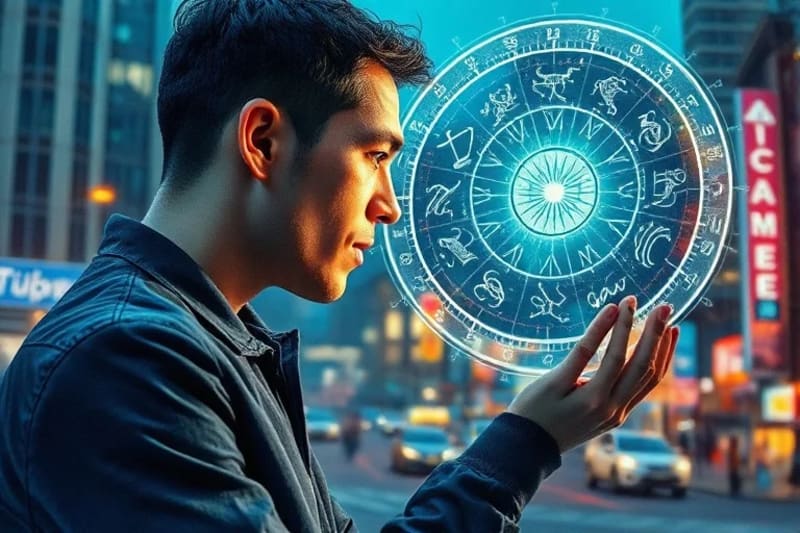
The intricate dance between ancient astrological wisdom and cutting-edge artificial intelligence, as digital omens emerge from cosmic patterns.
This conceptual render, generated by AI, explores the synthesis of human astrological interpretation with advanced computational analysis, offering a glimpse into future divinatory practices.Mundane astrology, which focuses on geopolitical events, economic trends, and societal shifts, is particularly ripe for AI integration due to its reliance on observable historical correlations. However, the introduction of AI into this domain is not without its challenges. It compels us to confront profound questions about the nature of prediction, the role of human agency, and the potential for bias in systems designed to interpret the cosmos.
This article delves into the ethical considerations surrounding AI-driven divination in mundane astrology, exploring the mechanisms of algorithmic omens, their inherent biases, and the critical need for transparency and human oversight. We aim to navigate this emerging frontier with a focus on responsible innovation and the preservation of astrological integrity.
Table of Contents
- The Convergence of AI and Mundane Astrology
- The Rise of Algorithmic Divination
- Ethical Imperatives in AI-Driven Astrology
- Bias and Data Integrity
- Transparency and Explainability (XAI)
- Autonomy and Free Will
- Accuracy vs. Interpretation
- Societal Impact and Misuse
- Towards a Responsible Future
- Navigating the Future of Algorithmic Omens
The Convergence of AI and Mundane Astrology
Mundane astrology, a branch of astrology concerned with world affairs, nations, and collective human experience, has historically relied on the meticulous observation of planetary cycles and their correlation with significant earthly events. From economic booms and busts to political upheavals and natural disasters, astrologers have sought to discern cosmic influences on our shared reality. The sheer volume and complexity of data points—planetary positions, aspects, ingresses, eclipses, and their historical manifestations—make it an ideal candidate for computational analysis.
AI, with its unparalleled capacity for pattern recognition and predictive modeling, offers a powerful tool to augment traditional astrological methods. Machine learning algorithms can sift through centuries of astronomical data, historical records, and even real-time socio-economic indicators to identify correlations that might be imperceptible to the human mind. This capability promises to enhance the precision and scope of mundane astrological predictions, moving beyond anecdotal evidence to statistically significant patterns.
The Rise of Algorithmic Divination
The process of algorithmic divination in mundane astrology typically involves several stages. First, vast datasets comprising astronomical ephemerides, historical event logs (e.g., stock market crashes, wars, technological breakthroughs), and geographical data are compiled. These datasets are then fed into machine learning models, such as neural networks or regression algorithms, which are trained to identify relationships between specific astrological configurations and subsequent earthly events.
For instance, an AI might be trained to recognize patterns in the transits of outer planets (Uranus, Neptune, Pluto) in relation to major technological shifts or global economic crises. It could analyze the ingress of Jupiter into specific signs or houses and correlate it with periods of prosperity or expansion in certain regions. The output of these algorithms can range from statistical probabilities of future events to generated narratives describing potential scenarios based on current astrological indicators. This advanced analysis can complement traditional methods, offering new perspectives on planetary transits and their influence, as detailed in articles discussing Guided Meditation Planetary Transits Inner Harmony Cosmic Cycles.
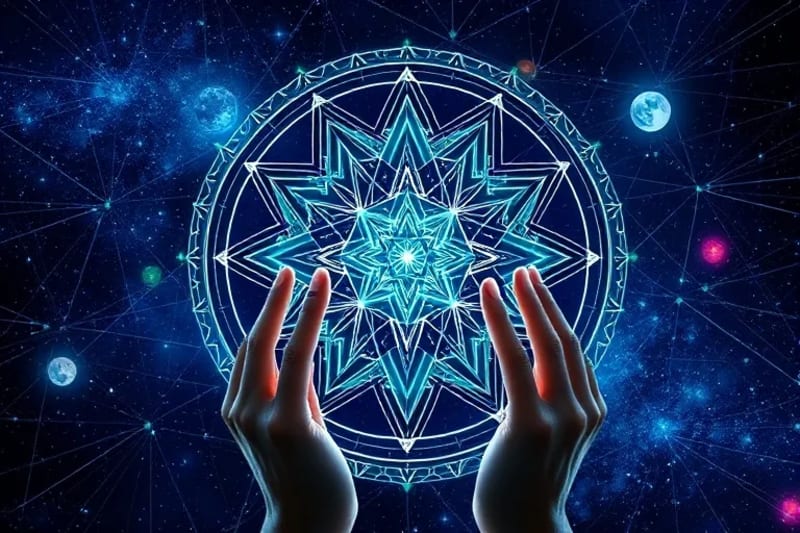
Visualizing the intricate network of data streams converging with cosmic elements, illustrating AI's role in processing astrological information.
The predictive power of these systems lies in their ability to detect subtle, multi-layered correlations that human analysis might overlook. However, it is crucial to understand that AI operates on statistical probabilities and pattern matching, not on intuitive understanding or symbolic wisdom. This distinction forms the bedrock of many ethical concerns.
Ethical Imperatives in AI-Driven Astrology
As AI increasingly permeates fields like mundane astrology, a robust ethical framework becomes indispensable. The potential for both immense benefit and significant harm necessitates a proactive approach to developing guidelines and safeguards. The core ethical imperatives revolve around ensuring fairness, transparency, accountability, and respect for human autonomy.
Bias and Data Integrity
One of the most critical ethical concerns in AI-driven divination is the potential for bias. AI systems are only as unbiased as the data they are trained on. If historical event data reflects societal biases, colonial perspectives, or incomplete records, the AI will inevitably learn and perpetuate these biases in its predictions. For example, if historical economic data disproportionately focuses on Western markets, AI predictions about global economic trends might inadvertently marginalize or misrepresent non-Western economies.
Data integrity is paramount. Inaccurate, incomplete, or selectively curated historical data can lead to skewed astrological interpretations and erroneous predictions. Ensuring diverse, representative, and verified datasets is a foundational step in mitigating algorithmic bias. This extends to the very definition of "events" and how they are categorized, as different cultural contexts might interpret similar occurrences very differently.
Transparency and Explainability (XAI)
The "black box" problem is a significant hurdle in AI ethics. Many advanced AI models, particularly deep neural networks, can produce highly accurate predictions without providing clear, human-understandable explanations for how they arrived at those conclusions. In a field like astrology, where interpretation and symbolic meaning are central, a mere prediction without context or rationale is insufficient.
Explainable AI (XAI) is crucial here. Astrologers and users need to understand not just *what* an AI predicts, but *why*. Which astrological factors were weighted most heavily? What historical correlations did the algorithm identify? Without transparency, trust erodes, and the insights offered by AI become less valuable. This is especially relevant when discussing complex concepts like Destiny Free Will Astrology Chart Influence Guide, where understanding the underlying mechanisms is key.
Autonomy and Free Will
The philosophical debate between destiny and free will takes on a new dimension with AI-driven predictions. If an algorithm can predict a future event with high accuracy, how does this impact collective human agency? The very act of knowing a prediction can influence behavior, potentially leading to self-fulfilling prophecies or, conversely, efforts to avert the predicted outcome. This dynamic raises questions about the ethical responsibility of those who deploy and disseminate algorithmic omens.
It is essential to frame AI predictions as probabilities and potential trends, rather than immutable decrees. Emphasizing that human action and collective consciousness can influence outcomes is vital to preserving autonomy. The goal should be to empower individuals and societies with informed foresight, not to trap them in a predetermined algorithmic future. This delicate balance is also explored in the context of Modern Spirituality AI Ethics Divination Tools Future Readings.
Accuracy vs. Interpretation
While AI excels at identifying statistical correlations and patterns, it lacks the capacity for symbolic interpretation and nuanced understanding that is central to traditional astrology. An algorithm might accurately predict a period of economic instability based on specific planetary alignments, but it cannot explain the *meaning* of that instability in a broader spiritual or evolutionary context. It cannot discern the subtle interplay of archetypal forces or the psychological undercurrents that human astrologers perceive.
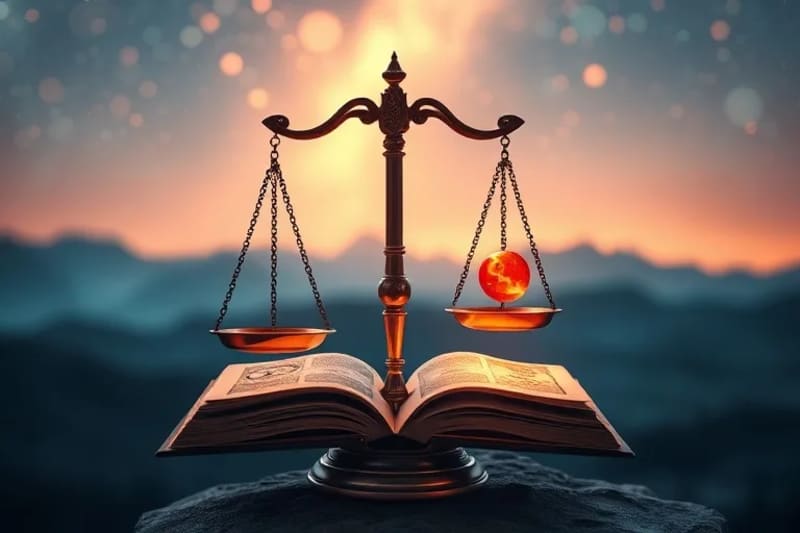
A conceptual representation of the ethical dilemma: balancing ancient wisdom and human intuition with the raw predictive power of artificial intelligence.
This highlights the indispensable role of the human astrologer. AI should be viewed as a powerful analytical assistant, not a replacement for human wisdom. The astrologer's role evolves from primary calculator and pattern-spotter to interpreter, contextualizer, and ethical guide, translating algorithmic omens into meaningful human insights. This symbiotic relationship ensures that the depth and richness of astrological tradition are not lost in the pursuit of computational efficiency.
Societal Impact and Misuse
The widespread adoption of AI-driven astrological predictions carries significant societal implications. There is a risk of manipulation, where powerful entities could use algorithmic omens to influence public opinion, financial markets, or political outcomes. Fear-mongering based on misinterpreted or sensationalized predictions could lead to widespread panic or irrational decision-making.
Moreover, the commercialization of AI divination tools without proper ethical oversight could lead to exploitation. Users might become overly reliant on algorithmic predictions, neglecting their own intuition or critical thinking skills. The absence of clear regulatory frameworks and industry standards leaves this nascent field vulnerable to misuse and the erosion of public trust.
Consider the potential for self-fulfilling prophecies. If an AI predicts a recession, and enough people believe it, their collective actions (e.g., pulling investments, reducing spending) could inadvertently trigger the very event predicted. This feedback loop underscores the profound responsibility associated with generating and disseminating such powerful insights.
Towards a Responsible Future
To navigate the ethical landscape of algorithmic omens responsibly, a multi-faceted approach is required:
- Develop Ethical Guidelines: Establish industry-specific ethical codes for AI in astrology, focusing on data privacy, bias mitigation, transparency, and responsible communication of predictions.
- Interdisciplinary Collaboration: Foster dialogue and collaboration between AI ethicists, astrologers, data scientists, and philosophers to co-create robust frameworks.
- Prioritize Explainable AI (XAI): Invest in research and development of AI models that can provide clear, interpretable reasons for their predictions, allowing human astrologers to validate and contextualize the insights.
- User Education: Educate users about the capabilities and limitations of AI-driven divination, emphasizing that predictions are probabilistic and human agency remains paramount.
- Continuous Auditing: Implement regular audits of AI models and datasets to identify and rectify biases, ensuring ongoing fairness and accuracy.
- Focus on Augmentation, Not Replacement: Position AI as a tool to enhance human astrological practice, providing deeper insights and analytical power, rather than replacing the intuitive and symbolic aspects of astrology.
The integration of AI into mundane astrology holds immense promise for uncovering new patterns and deepening our understanding of cosmic influences on world events. However, this promise can only be fully realized if accompanied by a strong commitment to ethical principles and human-centered design. By embracing transparency, mitigating bias, and respecting human autonomy, we can harness the power of algorithmic omens for collective good.
Navigating the Future of Algorithmic Omens
The future of AI-driven divination in mundane astrology is not about replacing the astrologer with a machine, but rather about forging a powerful synergy. AI can process the immense complexity of celestial mechanics and historical data, while human astrologers provide the crucial layer of symbolic interpretation, ethical consideration, and empathetic guidance. This collaborative model ensures that the insights derived from algorithmic omens are not just accurate, but also meaningful and responsibly applied.
As we continue to explore the vast potential of AI, particularly in esoteric fields, our commitment to ethical development must remain unwavering. The journey into algorithmic omens is a journey into understanding not just the cosmos, but also ourselves and the tools we create to interpret our place within it. It's a testament to the ongoing evolution of our relationship with both technology and spirituality, much like the intricate studies of Celestial Mechanics Ancient Civilizations Lost Knowledge.
Explore More Insights
Profections Lord Year Mastering Hellenistic Predictive Astrology
Bio-Acoustic Therapy Cellular Regeneration Frequencies Resonance
Tarot Reading Career Guidance: Professional Paths Deck Insights
Augmented Reality for Ecosystem Conservation: Monitoring and Education
Ciberastrología Predictiva Tránsitos Planetarios Realidad Virtual
Source: Hybrid content assisted by AI and human editorial supervision.


Comments
Post a Comment