
Jungian Archetypes Dream Interpretation Symbols Guide
Dreams have long been considered a gateway to the subconscious, offering insights into our deepest fears, desires, and unresolved conflicts. While many approaches to dream analysis exist, the Jungian perspective, pioneered by Swiss psychiatrist Carl Jung, stands out for its profound exploration of archetypal symbols. This approach posits that dreams are not merely random neural firings but a sophisticated language spoken by the soul, rich with universal imagery and meaning.
Understanding the subconscious language of archetypal symbols can transform our self-awareness, guiding us toward psychological integration and personal growth. Jung's work introduced concepts like the collective unconscious and archetypes, which provide a framework for interpreting these powerful nocturnal narratives. This guide delves into the core tenets of Jungian dream interpretation, offering a path to unlock the wisdom hidden within your dreams.
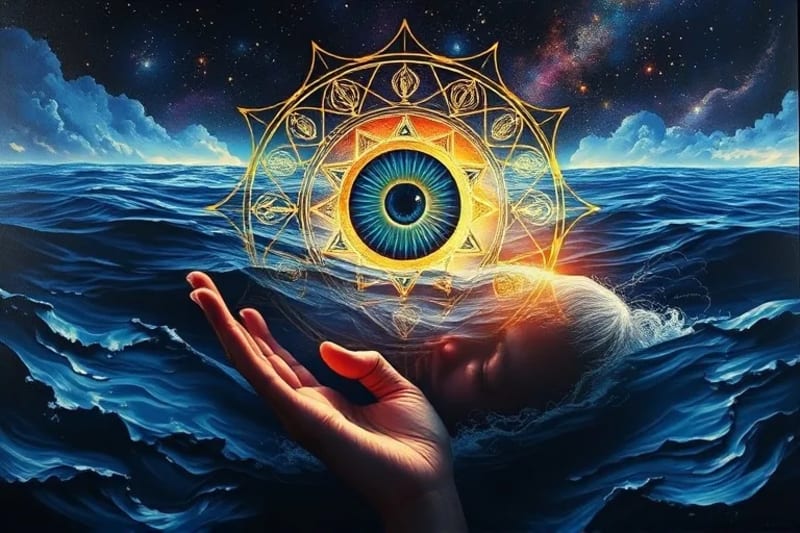
Conceptual representation of the subconscious mind interacting with universal archetypes, influencing the dream state.
This evocative image, a conceptual render, explores the profound connection between the collective unconscious and individual dream experiences, illustrating how ancient patterns shape our inner narratives.Table of Contents
- What Are Jungian Archetypes?
- The Collective Unconscious: A Universal Library
- Common Archetypal Symbols in Dreams
- Interpreting Archetypal Dreams: A Practical Approach
- The Role of Personal Context and Amplification
- Practical Steps for Dream Analysis
- Conclusion: The Journey of Self-Discovery
What Are Jungian Archetypes?
At the heart of Jungian dream interpretation are archetypes. These are not inherited ideas or memories, but rather inherited predispositions to respond to the world in certain ways. Jung described them as universal, archaic patterns and images that derive from the collective unconscious and are the psychic counterpart of instinct.
Archetypes manifest in myths, religions, fairy tales, and, most importantly, in our dreams. They are fundamental building blocks of the human psyche, shaping our perceptions, behaviors, and experiences. Recognizing these patterns in dreams allows us to connect with deeper, more universal aspects of our being.
Unlike Freud's focus on personal repressed desires, Jung believed dreams serve a prospective and compensatory function. They aim to guide us towards wholeness, addressing imbalances in our conscious attitude and revealing paths for psychological development, a process he called individuation.
The Collective Unconscious: A Universal Library
Central to understanding archetypes is the concept of the collective unconscious. Jung proposed that beyond our personal unconscious, which stores forgotten or repressed memories, lies a deeper layer of the psyche shared by all humanity. This collective unconscious is a reservoir of ancestral experiences and images, common to all individuals.
It is within this universal library that archetypes reside, forming the structural components of the human psyche. The collective unconscious explains why people from vastly different cultures and times often share similar myths, symbols, and spiritual experiences. Dreams draw upon this rich source, presenting archetypal images that resonate with profound, shared human experiences.
Exploring the collective unconscious through dream analysis can reveal the interconnectedness of the human psyche, suggesting that our individual experiences are part of a larger, universal tapestry. This connection provides a sense of belonging and meaning beyond our personal narratives.
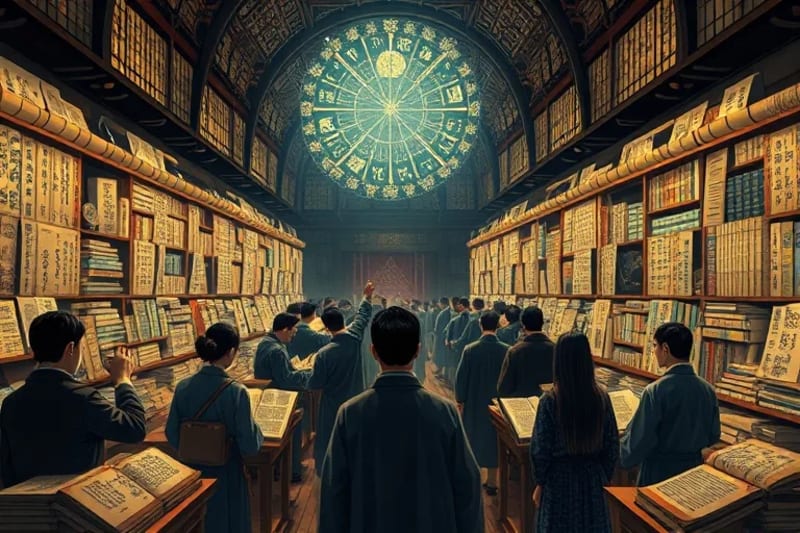
A symbolic representation of the vast repository of knowledge and symbols within the collective unconscious, waiting to be deciphered.
This digital artwork captures the essence of deep psychological exploration, akin to delving into ancient texts for universal truths, much like the process of dream analysis.Common Archetypal Symbols in Dreams
While archetypes are infinite in their manifestations, some appear more frequently in dreams and are crucial for understanding our inner world. Recognizing these common figures and patterns can significantly aid in dream interpretation:
- The Shadow: Represents the repressed, unacknowledged aspects of the self, both negative and positive. In dreams, it often appears as a dark figure, an enemy, or someone we dislike. Integrating the Shadow is vital for psychological completeness.
- The Anima/Animus: The contrasexual soul image. The Anima is the feminine principle in a man's psyche, and the Animus is the masculine principle in a woman's. These archetypes often appear as figures of the opposite sex in dreams, representing aspects of our inner emotional or rational life.
- The Self: The archetype of wholeness and the regulating center of the psyche. It often appears as a mandala, a divine child, a wise old man/woman, or a cosmic unity symbol. The Self guides the individuation process.
- The Hero: Symbolizes the ego's journey towards self-discovery and overcoming challenges. Dreams featuring a hero often relate to our personal struggles and triumphs, and the need to confront obstacles.
- The Wise Old Man/Woman: Represents spiritual guidance, wisdom, and profound insight. This figure often appears when the dreamer is in need of direction or spiritual counsel.
- The Trickster: An ambiguous figure that embodies mischief, chaos, and the disruption of norms. The Trickster can challenge our rigid perspectives and open us to new possibilities, often through humor or paradox.
These are just a few examples; the collective unconscious holds countless archetypal patterns, each carrying profound meaning for our psychological development. Understanding these symbols is a step towards intentional living and greater self-awareness.
Interpreting Archetypal Dreams: A Practical Approach
Interpreting dreams from a Jungian perspective requires a blend of intuition, personal association, and knowledge of universal symbols. It's not about finding a fixed meaning for each symbol, but understanding its context within the dream and its relevance to the dreamer's current life situation. Here’s a general framework:
- Record Your Dreams: Keep a dream journal. Write down everything you remember immediately upon waking, no matter how fragmented. Include emotions, colors, and specific details.
- Identify Key Symbols and Figures: What stands out? Are there recurring characters, animals, objects, or landscapes? Pay attention to anything that feels significant or unusual.
- Explore Personal Associations: For each symbol, ask yourself: What does this mean to me personally? What memories, feelings, or ideas does it evoke? This is crucial for connecting the universal archetype to your individual experience.
- Amplify with Universal Meanings: Research the archetypal meanings of the symbols you've identified. Look at myths, folklore, and religious texts. How have these symbols been understood across cultures and throughout history?
- Consider the Dream's Context: What is happening in your waking life? What challenges are you facing? What decisions are you contemplating? Dreams often provide commentary or guidance on these conscious concerns.
- Look for Compensatory or Prospective Functions: How might the dream be compensating for a one-sided conscious attitude? Is it pointing towards a future possibility or a necessary change in perspective?
The process is iterative and deeply personal. It's a dialogue between your conscious ego and the wisdom of your unconscious, a form of conscious exploration of inner landscapes.
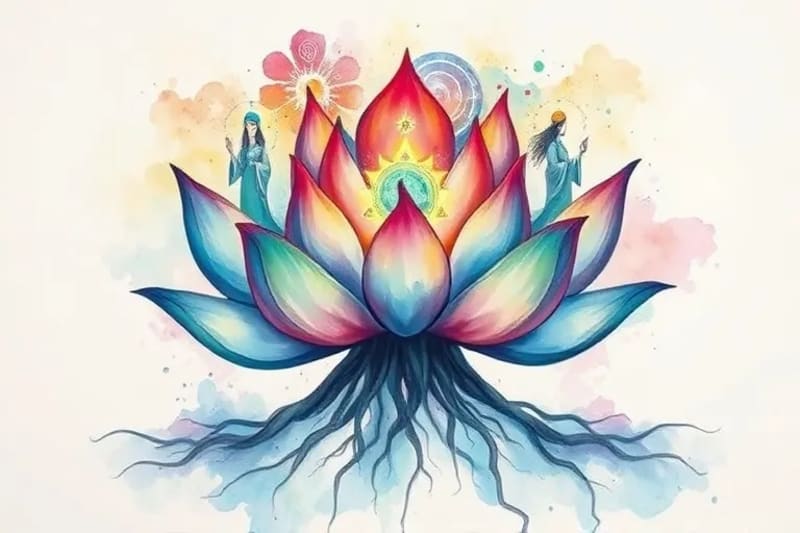
A vibrant conceptual artwork illustrating personal growth and transformation through the integration of subconscious insights.
This artistic rendering symbolizes the blossoming of self-awareness and the continuous journey of individuation, drawing inspiration from the profound depths of the human psyche.The Role of Personal Context and Amplification
While archetypes are universal, their manifestation in individual dreams is always filtered through personal experience. A snake, for instance, might universally symbolize transformation, healing, or danger. However, for one dreamer, it might specifically relate to a childhood fear, while for another, it could signify a recent experience with betrayal or a profound healing journey. This is where the process of "amplification" becomes critical.
Amplification involves expanding on a dream image by associating it with similar images from myths, fairy tales, religions, and cultural history. This helps to uncover the broader, universal context of the symbol, enriching its personal meaning. By combining personal associations with archetypal amplification, we gain a comprehensive understanding that respects both the individual and collective dimensions of the psyche.
This dual approach prevents reductive interpretations, ensuring that dream analysis remains a dynamic and meaningful process. It helps us understand how our personal struggles and triumphs echo larger human narratives, contributing to our overall processes of transformation and regeneration.
Practical Steps for Dream Analysis
Engaging with your dreams actively can be a powerful tool for self-discovery. Beyond journaling, consider these practical steps:
- Active Imagination: Jung developed this technique where you consciously engage with a dream image while awake. Imagine yourself re-entering the dream, interacting with the symbols, and allowing the narrative to unfold further. This can bring conscious awareness to unconscious material.
- Creative Expression: Draw, paint, write poetry, or compose music inspired by your dreams. Expressing dream content creatively can bypass intellectual barriers and reveal deeper emotional truths.
- Seek Professional Guidance: If dreams are particularly disturbing, confusing, or if you wish to delve deeper into complex archetypal patterns, working with a Jungian analyst can provide invaluable support and insight.
- Pay Attention to Recurring Dreams: These often highlight unresolved issues or important messages from the unconscious that require your conscious attention. They are persistent until their message is understood and integrated.
- Observe Synchronicity: Notice any meaningful coincidences in your waking life that seem to relate to your dream symbols. Jung believed synchronicity was a manifestation of the collective unconscious, offering clues to the dream's meaning.
By consistently engaging with these practices, you cultivate a richer relationship with your inner world, fostering a deeper understanding of your psychological landscape and facilitating the journey towards individuation.
Conclusion: The Journey of Self-Discovery
The Jungian approach to dream interpretation offers a profound and enriching path to self-discovery. By recognizing the subconscious language of archetypal symbols, we gain access to the collective wisdom of humanity and the unique guidance of our own psyche. Dreams, far from being meaningless, become invaluable allies in our quest for wholeness and personal integration.
Embracing this journey requires patience, introspection, and an openness to the mysterious depths of the unconscious. As you continue to explore your dreams, you will not only uncover hidden aspects of yourself but also connect with the universal patterns that shape the human experience, leading to a more integrated and meaningful life.
Explore More Insights
Dive deeper into the mystical and psychological dimensions of existence with our curated selection of articles:
- Scrying Techniques: Gaze into Crystal Ball for Answers
- Astrology Entrepreneurs Business Cycles: Cosmic Rhythms Guide
- Animal Totems and Spirit Animals: Nature's Guides Unveiled
- Advanced Candle Magic: Sigils, Intentions, Lunar Alignment
- NFTs Intellectual Property Legal Challenges Art AI
- Sueños Carta Natal: Guía Interpretación Astrológica Profunda
- Oración Sanación Profunda: Enfermedades Físicas y Emocionales
Source: Hybrid content assisted by AI and human editorial supervision.


Comments
Post a Comment