
Ethics of AI Divination: Predictive Tools Intuition
The ancient practice of divination, a quest for insight into the unknown, has long been a cornerstone of human spirituality and decision-making. From reading tarot cards to interpreting astrological charts, individuals have sought guidance beyond the tangible. In the 21st century, this quest intersects with one of humanity's most transformative creations: Artificial Intelligence (AI). The integration of AI into divination tools presents a fascinating, yet complex, ethical landscape. As algorithms begin to process vast amounts of data to offer predictive insights, we are compelled to examine the implications of algorithmic intuition and the very nature of foresight in a technologically advanced world.
This exploration delves into the burgeoning field where cutting-edge AI meets ancient esoteric traditions. We will navigate the ethical dilemmas, potential benefits, and inherent challenges that arise when predictive algorithms attempt to mimic or even enhance human intuitive capabilities. Understanding this intersection is crucial for anyone seeking to responsibly engage with these evolving tools and maintain the integrity of both technological advancement and spiritual practice.
Table of Contents
- The Rise of Algorithmic Intuition in Divination
- Navigating the Ethical Dilemmas of AI Divination
- Bias in Data and Algorithmic Interpretation
- The Impact on Human Agency and Intuition
- Data Privacy, Security, and Misinformation
- The Nature of "Truth," Free Will, and Determinism
- Responsible Engagement: Best Practices for AI Divination
- Balancing Technology and Spirituality for Holistic Insight
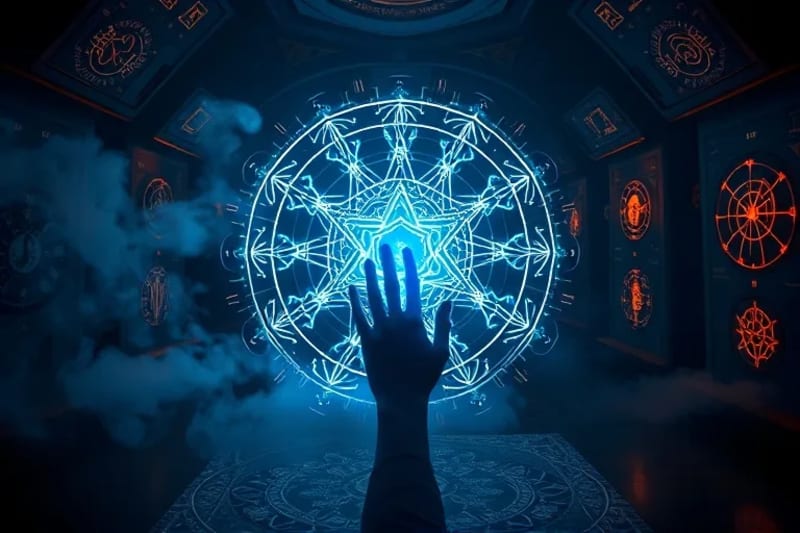
Exploring the intricate dance between advanced AI and ancient esoteric practices, where technology seeks to interpret the unseen.
This conceptual visualization, rendered by AI, reflects the evolving interface between human spiritual inquiry and algorithmic interpretation, bridging historical wisdom with future possibilities.
The Rise of Algorithmic Intuition in Divination
The concept of "algorithmic intuition" might seem paradoxical, as intuition is traditionally associated with human subconscious processing and non-linear understanding. However, AI systems are increasingly capable of identifying patterns and making predictions from datasets that are too vast and complex for human cognition alone. In the realm of divination, this translates into applications that can analyze astrological charts, interpret tarot spreads, or even generate I Ching readings based on pre-programmed rules and learned associations from extensive databases of interpretations.
Modern AI divination tools range from simple apps that automate card shuffling and provide stock interpretations to sophisticated platforms utilizing machine learning to offer more personalized and nuanced readings. These systems can process historical astrological data, cross-reference countless tarot interpretations, and even integrate user-specific input to tailor their output. This capability offers unprecedented accessibility to divinatory practices, allowing individuals to explore these ancient arts without extensive prior knowledge or a human intermediary.
The allure of AI in this context lies in its promise of objectivity and efficiency. Unlike human readers, AI is not subject to personal biases, fatigue, or emotional influence. It can provide instant interpretations, making divination more convenient and potentially more consistent. However, this efficiency also raises fundamental questions about the nature of intuition itself and whether it can truly be replicated or even enhanced by purely computational means. The deeper implications of decoding digital consciousness through esoteric symbolism are just beginning to be understood.
Navigating the Ethical Dilemmas of AI Divination
As AI increasingly permeates sensitive areas of human experience, the ethical considerations become paramount. Divination, by its very nature, touches upon personal hopes, fears, and life paths, making the ethical scrutiny of AI tools in this domain particularly critical. The core ethical dilemmas revolve around responsibility, accuracy, autonomy, and the potential for misuse or misunderstanding of AI-generated insights.
One of the primary concerns is the attribution of authority. When an AI provides a reading, who is responsible for its content? Is it the developer, the algorithm, or the user who chooses to act upon it? This question becomes even more complex when considering the potential for AI to generate misleading or harmful advice. The lack of a human element means there is no built-in empathy or capacity for nuanced contextual understanding, which are often crucial in sensitive divinatory consultations.
Furthermore, the commercialization of AI divination tools introduces ethical questions related to profit motives, transparency, and consumer protection. Are users fully aware of how these tools operate, what data they use, and what limitations they possess? These are not trivial questions, as the insights provided can significantly influence personal decisions and emotional well-being. The broader societal implications are also being explored in fields like cosmic sociology and AI ethics.
Bias in Data and Algorithmic Interpretation
A foundational principle of AI is that its output is only as good as its input. This holds significant ethical weight in divination. If AI models are trained on historical divinatory texts, interpretations, and cultural data, they risk perpetuating existing biases present in those sources. These biases can include gender stereotypes, cultural assumptions, socioeconomic prejudices, or even outdated psychological frameworks.
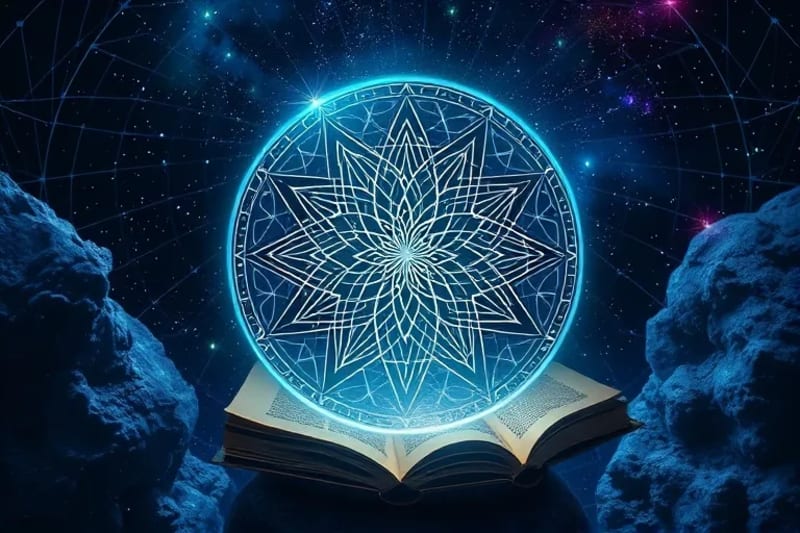
A visual metaphor for the convergence of traditional divinatory tools and the complex logic of artificial intelligence.
For example, if a tarot interpretation database predominantly features interpretations from a specific cultural or historical context, an AI trained on this data might inadvertently provide readings that are not universally applicable or that reinforce harmful stereotypes. Similarly, astrological interpretations developed centuries ago might not fully account for modern psychological understanding or societal structures. The algorithm, lacking true understanding or critical consciousness, merely reflects the patterns it has learned.
Addressing bias requires meticulous curation of training data, ongoing auditing of algorithmic outputs, and a commitment to diverse and inclusive sources. Developers must be transparent about the datasets used and actively work to mitigate biases, ensuring that AI divination tools offer equitable and respectful insights to all users. Without such efforts, AI could inadvertently become a tool for reinforcing rather than transcending existing societal inequalities within the spiritual domain.
The Impact on Human Agency and Intuition
One of the most profound ethical concerns is the potential erosion of human agency and the diminishing role of personal intuition. Divination, in its traditional form, is often an interactive process that encourages self-reflection, critical thinking, and the development of one's own intuitive faculties. A human reader might guide a querent to explore their own feelings and insights, rather than simply providing definitive answers.
Over-reliance on AI divination tools could lead individuals to outsource their decision-making and intuitive development. If an AI consistently provides "answers," users might stop engaging in the deeper self-inquiry that is often the most valuable aspect of divinatory practices. This could foster a passive approach to personal growth, where individuals seek external validation from an algorithm rather than cultivating their inner wisdom. The interplay between inner self and external guidance is a core theme in Jungian psycho-astrology.
Ethically, AI divination tools should be designed to augment, not replace, human intuition. They should serve as prompts for deeper thought, offering perspectives that encourage users to connect with their own inner guidance, rather than presenting themselves as infallible oracles. The goal should be to empower individuals, not to create dependency on technology for spiritual insight.
Data Privacy, Security, and Misinformation
The use of AI in divination often involves the input of personal and sensitive information. Users might share details about their relationships, career aspirations, health concerns, or emotional states to receive more tailored readings. This raises significant data privacy and security concerns. How is this sensitive data stored, processed, and protected? Is it used to train models without explicit consent, or potentially shared with third parties?
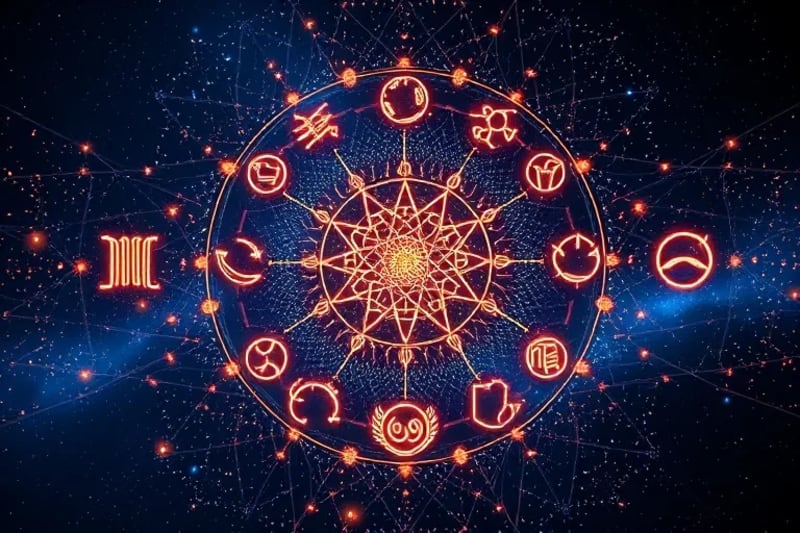
An abstract visualization of how complex data networks can integrate and interpret esoteric symbols, representing algorithmic intuition.
The ethical imperative here is for developers to implement robust data protection measures, adhere to strict privacy policies, and be transparent about how user data is handled. Users should have clear control over their information and understand the implications of sharing it with AI divination platforms. Breaches of privacy in such a sensitive domain could have profound psychological and emotional consequences.
Furthermore, the potential for misinformation is a serious concern. AI can generate plausible-sounding but ultimately incorrect or misleading interpretations. Without human oversight or critical evaluation, users might act on flawed advice, leading to negative outcomes. The ethical responsibility extends to ensuring that AI outputs are framed as interpretive insights rather than absolute truths, and that mechanisms are in place to correct or flag potentially harmful content.
The Nature of "Truth," Free Will, and Determinism
Divination often grapples with questions of fate versus free will. AI, being a deterministic system (even with probabilistic elements), can inadvertently lean towards a more deterministic view of future events. If an AI provides a "prediction," it can be perceived as an unchangeable outcome, potentially undermining a user's belief in their own agency and ability to shape their destiny.
Ethically, AI divination tools must be designed to emphasize possibility and potential rather than definitive futures. They should encourage users to see insights as probabilities, tendencies, or areas for reflection, rather than unalterable decrees. The language used in AI-generated readings should be carefully crafted to empower choice and personal responsibility, reinforcing the idea that the future is dynamic and influenced by individual actions and decisions.
The "truth" offered by AI is fundamentally different from a human-derived insight. AI processes patterns and probabilities; it does not possess consciousness, empathy, or spiritual understanding. Presenting AI interpretations as absolute truths risks diminishing the nuanced, symbolic, and often deeply personal nature of divinatory wisdom. The ethical challenge is to frame AI insights within their computational limitations, respecting the profound philosophical and spiritual questions that divination inherently addresses.
Responsible Engagement: Best Practices for AI Divination
Given the ethical complexities, responsible engagement with AI divination tools is paramount for both developers and users. For developers, this includes:
Transparency: Clearly state how the AI works, what data it uses, and its limitations. Avoid making claims of infallibility or spiritual sentience.
Bias Mitigation: Actively work to identify and reduce biases in training data and algorithmic outputs.
User Empowerment: Design tools that encourage self-reflection, critical thinking, and the development of personal intuition, rather than passive consumption.
Data Security & Privacy: Implement robust measures to protect sensitive user data and adhere to ethical privacy standards.
Ethical Language: Ensure AI-generated interpretations use language that is empowering, non-deterministic, and respectful of individual agency.
For users, responsible engagement involves:
Critical Thinking: Approach AI insights with a discerning mind. Do not accept them as absolute truths.
Self-Reflection: Use AI readings as prompts for deeper personal inquiry, connecting them with your own feelings and intuition.
Cross-Referencing: If significant decisions are involved, consider consulting multiple sources, including human experts or other divinatory methods.
Understanding Limitations: Recognize that AI lacks consciousness, empathy, and spiritual wisdom; its insights are pattern-based analyses.
Privacy Awareness: Be mindful of the personal information you share with AI platforms.
Balancing Technology and Spirituality for Holistic Insight
The integration of AI into divination is not inherently good or bad; its ethical value lies in how it is developed and utilized. When approached with mindfulness, transparency, and a deep respect for human agency and spiritual depth, AI can serve as a powerful tool for exploration and self-discovery. It can democratize access to ancient wisdom, offer new perspectives through complex data analysis, and even inspire deeper engagement with traditional practices.
The future of AI in divination depends on fostering a symbiotic relationship where technology enhances human understanding without diminishing our innate capacities for intuition, empathy, and free will. By prioritizing ethical design, user education, and a critical perspective, we can navigate this evolving landscape to harness the potential of algorithmic intuition while preserving the profound, personal, and transformative essence of spiritual inquiry.
Explore More Esoteric Insights
Delve deeper into the fascinating intersections of spirituality, technology, and self-discovery with our curated selection of articles:
- Sigil Magic: Crafting Symbols for Manifestation
- Progressed Chart Astrology: Evolving Self Life Path Guide
- Deep Dive into Sabian Symbols: Unlocking Precise Natal Chart Meanings
- Akashic Records: Accessing Your Soul's Library
- The Kybalion Universal Laws: Hermetic Principles for Your Life
- Asteroids in the Natal Chart: Vesta, Juno, Pallas Depth
- Planetary Transits Shadow Work: Outer Planet Cycles Deep Integration
Source: Hybrid content assisted by AI and human editorial supervision.


Comments
Post a Comment