
Tarot Reading for Beginners: Understanding Cards and Meanings
Tarot reading is an ancient practice that has captivated seekers of wisdom and self-discovery for centuries. Far from being a mere fortune-telling tool, the Tarot deck serves as a powerful mirror, reflecting our inner landscape, illuminating hidden truths, and offering guidance through life's complex journey. For beginners, the sheer number of cards and their intricate symbolism can seem daunting, but with a structured approach, anyone can begin to unlock its profound insights.
This comprehensive guide aims to demystify the Tarot, providing a clear pathway for newcomers to understand its structure, interpret its core meanings, and confidently begin their reading practice. We will explore the historical roots of Tarot, delve into the distinct sections of the deck, and discuss practical methods for conducting meaningful readings. By the end of this article, you will possess a foundational understanding necessary to embark on your own insightful Tarot journey.
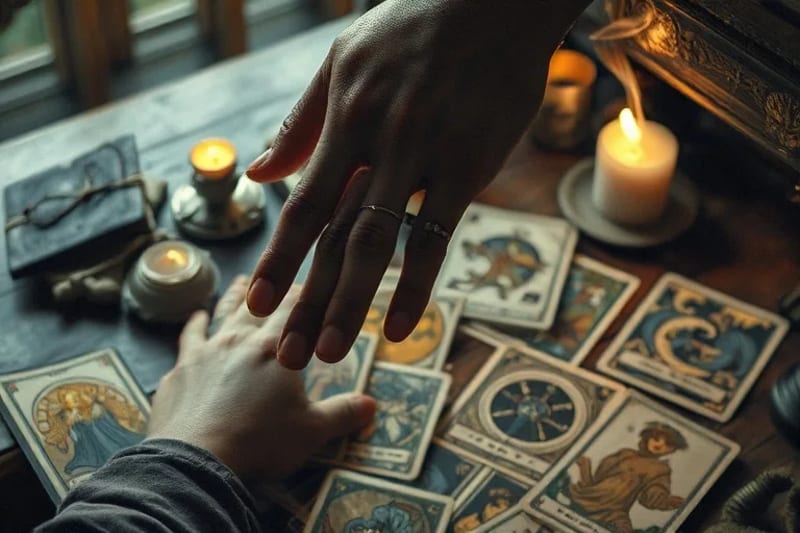
Conceptual representation of the meditative and introspective process involved in engaging with the ancient symbolism of Tarot cards.
This evocative image is a conceptual AI render, designed to capture the essence of discovery and introspection inherent in Tarot practices.Table of Contents
- What is Tarot Reading?
- A Brief History of Tarot
- Understanding the Tarot Deck Structure
- Interpreting Individual Cards
- Common Tarot Spreads for Beginners
- How to Start Your Tarot Reading Practice
- Ethics and Best Practices in Tarot
- Conclusion: Your Journey Begins
What is Tarot Reading?
Tarot reading is a form of cartomancy where a deck of 78 cards is used to gain insight into situations, questions, or personal growth. Each card is rich with symbolism, archetypal imagery, and narrative potential, offering a unique perspective on the querent's (the person asking the question) life. It's not about predicting a fixed future, but rather about exploring potential outcomes based on current energies and choices.
The power of Tarot lies in its ability to stimulate intuition and self-reflection. By presenting symbolic scenarios, the cards encourage individuals to look deeper into their own motivations, fears, and aspirations. This process can lead to greater clarity, empowerment, and a more informed approach to decision-making. Many find it a valuable tool for personal development and understanding subconscious patterns.
A Brief History of Tarot
The origins of Tarot can be traced back to 15th-century Italy, where it emerged as a game known as "tarocchi." These early decks were primarily used for entertainment, featuring suits similar to modern playing cards but with the addition of a trump suit (the Major Arcana). Over time, the esoteric and divinatory aspects of Tarot began to develop, particularly during the 18th and 19th centuries.
Key figures like Antoine Court de Gébelin and Jean-Baptiste Alliette (Etteilla) in the late 18th century were instrumental in popularizing Tarot as a tool for divination and spiritual insight. They began to associate the cards with ancient Egyptian wisdom and Kabbalistic traditions, laying the groundwork for its modern interpretations. The most widely recognized deck today, the Rider-Waite-Smith Tarot, was published in 1909, with artwork by Pamela Colman Smith under the guidance of Arthur Edward Waite.
Understanding the Tarot Deck Structure
A standard Tarot deck consists of 78 cards, divided into two main sections: the Major Arcana and the Minor Arcana. Understanding the distinct roles of these sections is crucial for effective interpretation. Each part contributes a different layer of meaning to a reading, from overarching life lessons to the details of daily experiences.
The Major Arcana: The Soul's Journey
The Major Arcana comprises 22 cards, numbered 0 to 21, representing significant life lessons, archetypal influences, and spiritual journeys. These cards often symbolize major events, profound transformations, and the larger forces at play in one's life. When a Major Arcana card appears in a reading, it typically indicates a powerful, unavoidable theme or a significant turning point.
Each card in the Major Arcana tells a part of the "Fool's Journey," a metaphorical narrative of personal growth and self-discovery. From The Fool (0), representing innocence and new beginnings, to The World (21), symbolizing completion and fulfillment, these cards trace the path of human experience. Familiarizing yourself with the core meaning of each Major Arcana card is a fundamental step in learning Tarot.
Here is a brief overview of some key Major Arcana cards and their general meanings:
- The Fool (0): New beginnings, innocence, free spirit, taking a leap of faith.
- The Magician (I): Manifestation, resourcefulness, power, inspired action.
- The High Priestess (II): Intuition, subconscious, mystery, spiritual insight.
- The Empress (III): Fertility, nurturing, abundance, creativity, nature.
- The Emperor (IV): Authority, structure, control, father figure, stability.
- The Lovers (VI): Love, relationships, choices, values, alignment.
- Strength (VIII): Inner strength, courage, compassion, self-control.
- The Hermit (IX): Introspection, solitude, guidance, soul-searching.
- Wheel of Fortune (X): Cycles, destiny, turning points, good luck.
- Justice (XI): Fairness, truth, law, cause and effect, balance.
- The Hanged Man (XII): Sacrifice, new perspectives, surrender, suspension.
- Death (XIII): Endings, transformation, transition, release.
- Temperance (XIV): Balance, moderation, patience, harmony.
- The Devil (XV): Addiction, materialism, bondage, shadow self.
- The Tower (XVI): Sudden upheaval, collapse, revelation, destruction of old structures.
- The Star (XVII): Hope, inspiration, healing, spiritual connection.
- The Moon (XVIII): Illusion, intuition, subconscious, dreams, fear.
- The Sun (XIX): Joy, success, vitality, optimism, enlightenment.
- Judgment (XX): Rebirth, awakening, reckoning, inner calling.
- The World (XXI): Completion, accomplishment, integration, fulfillment.
The Minor Arcana: Daily Life's Details
The Minor Arcana consists of 56 cards, divided into four suits, much like a standard playing card deck. These cards reflect the day-to-day events, challenges, and opportunities that shape our lives. They provide context and detail to the broader themes indicated by the Major Arcana, offering insights into practical matters, emotions, thoughts, and actions.
Each suit is associated with a specific element and area of life, providing a framework for understanding its meaning. There are ten numbered cards (Ace through Ten) and four Court Cards (Page, Knight, Queen, King) in each suit. Understanding these elemental associations is key to interpreting the Minor Arcana effectively. This detailed exploration of daily influences can be further enhanced by practices like Neurofeedback Mindfulness Brainwaves, which can help in sharpening mental clarity for interpretation.
Artistic depiction of the elemental and thematic representations embodied by each suit within the Minor Arcana.
The four suits are:
- Wands (Fire): Represents inspiration, creativity, passion, ambition, and action. It deals with our drive, career, and spiritual pursuits.
- Cups (Water): Symbolizes emotions, relationships, intuition, creativity, and the subconscious. It reflects our feelings, connections, and inner world.
- Swords (Air): Pertains to intellect, logic, truth, challenges, and conflict. It deals with our thoughts, communication, and mental struggles.
- Pentacles (Earth): Relates to material possessions, finances, work, nature, and the physical world. It covers our resources, security, and practical matters.
The Court Cards (Page, Knight, Queen, King) within each suit represent different personalities, roles, or ways of interacting with the energy of that suit. Pages often signify new beginnings, messages, or youthful energy. Knights represent action, movement, or a quest. Queens embody mature feminine energy, nurturing, and mastery of their suit's element. Kings symbolize mature masculine energy, leadership, and control over their suit's domain.
Interpreting Individual Cards
Interpreting a Tarot card goes beyond memorizing its basic meaning. It involves understanding the imagery, symbolism, and how it relates to the specific question asked and its position in a spread. Consider the colors, figures, objects, and overall mood of the card. Does it evoke a feeling of joy, challenge, peace, or urgency?
Many cards also have "reversed" meanings when they appear upside down. A reversed card can indicate a blocked energy, an internal struggle, an opposite meaning, or an aspect that needs re-evaluation. For example, a reversed Strength card might suggest a lack of self-control or inner weakness. It's important to develop your intuition and allow the card's visual narrative to speak to you, a skill that can be honed through practices like Psycho-Astrology Jungian Archetypes for deeper symbolic understanding.
Common Tarot Spreads for Beginners
Tarot spreads are specific layouts of cards, where each position in the layout has a designated meaning. Using a spread helps to structure the reading and provide a coherent narrative. For beginners, starting with simpler spreads is recommended to build confidence and understanding.
Here are a few popular and easy-to-learn spreads:
- The One-Card Pull: The simplest spread, perfect for daily guidance or a quick answer to a specific question. It encourages deep reflection on a single message.
- The Three-Card Spread: A versatile spread often used for "Past, Present, Future," "Situation, Obstacle, Advice," or "Mind, Body, Spirit." Each position provides a clear context for interpretation.
- The Celtic Cross (Advanced Beginner): While more complex, the Celtic Cross is one of the most comprehensive spreads, offering a detailed overview of a situation, including influences, challenges, advice, and potential outcomes. It typically uses ten cards.
When choosing a spread, consider the nature of your question. A simple question might only need one or three cards, while a more complex situation could benefit from a larger spread. Always clear your mind and focus on your question before shuffling and drawing cards.
Conceptual visualization of the intuitive insights and interconnectedness that emerge from a structured Tarot card spread.
How to Start Your Tarot Reading Practice
Beginning your Tarot journey requires patience, practice, and an open mind. Here are some steps to help you get started:
- Choose Your First Deck: Select a deck that resonates with you visually and energetically. The Rider-Waite-Smith deck is highly recommended for beginners due to its clear, symbolic imagery and abundant resources.
- Familiarize Yourself with the Cards: Spend time looking at each card, studying its images, and reading about its traditional meanings. Don't rush this process; allow the symbolism to sink in.
- Start with Simple Spreads: Begin with one-card or three-card pulls. Focus on understanding the individual cards in context before moving to more complex layouts.
- Keep a Tarot Journal: Document your readings, including the date, question, cards drawn, your initial impressions, and later reflections. This helps track your progress and deepen your understanding.
- Practice Regularly: The more you practice, the more intuitive your readings will become. Pull a card each morning for daily guidance or practice on friends and family.
- Trust Your Intuition: While learning traditional meanings is important, always pay attention to your gut feelings and personal associations with the cards. Your intuition is a powerful guide.
Incorporating meditative practices can also significantly enhance your Tarot reading abilities. Techniques such as those found in Guided Meditation Planetary Transits can help you quiet your mind and connect more deeply with your inner wisdom, making your interpretations more profound and accurate.
Ethics and Best Practices in Tarot
Ethical considerations are paramount in Tarot reading, especially when reading for others. A responsible Tarot reader approaches the practice with respect, empathy, and a commitment to empowering the querent. It's crucial to remember that Tarot is a tool for guidance, not a definitive prophecy.
Key ethical guidelines include:
- Empowerment, Not Dependency: Frame readings to empower the querent to make their own decisions, rather than fostering dependency on the cards or reader.
- Confidentiality: Maintain strict confidentiality regarding the querent's questions and the content of their readings.
- Honesty and Clarity: Interpret cards honestly, even if the message is challenging, but always deliver it with sensitivity and clarity. Avoid vague or overly dramatic language.
- Boundaries: Do not read for third parties without their explicit consent. Avoid questions related to health diagnoses, legal advice, or financial investments, as these require professional expertise.
- No Guarantees: Clearly communicate that Tarot offers insights and probabilities, not absolute certainties. The future is fluid and influenced by free will.
By adhering to these principles, you ensure that your Tarot practice remains a positive and constructive force. The goal is to provide a supportive space for self-exploration and growth, helping individuals navigate their paths with greater awareness and intention. Consider how practices like Sound Healing: Vibrational Therapy can create a harmonious environment for such sensitive work.
Conclusion: Your Journey Begins
Tarot reading is a rich and rewarding practice that offers a unique pathway to self-understanding and spiritual insight. As a beginner, remember that mastery comes with time, dedication, and a willingness to learn from each card and every reading. The deck is a tool, and your intuition is the guide; together, they can unlock profound wisdom.
Embrace the journey of discovery, trust the messages you receive, and allow the ancient art of Tarot to illuminate your path. With consistent practice and a respectful approach, you will soon find yourself confidently interpreting the cards and offering valuable insights to yourself and others. Your personal journey with the Tarot is just beginning, promising endless opportunities for growth and enlightenment.
Explore More Esoteric Wisdom
- Astrology for Parents: Understanding Child's Natal Chart
- The 12-Year Chinese Zodiac Cycle: Influence on Generations and Collective Trends
- Astro-Herbalism: Crafting Custom Natal Tinctures Planetary Rulerships
- Synastry Soul Contracts: Advanced Midpoint Structures
- Dreamscaping VR: Astral Journeys Lucid Digital Realms
- Chinese Zodiac Five Elements Diet: Tailored Nutrition Guide
- Chinese Zodiac Cycle: 12 Animal Signs Explained
- Leo Zodiac Sign: Creativity, Leadership, Self-Expression
- AI Oracles: Mesoamerican Astrology, Ancient Wisdom, Modern Tools
- Chakra Healing: Balancing Energy Centers for Well-being
- Saturn Sign Lessons: Structure, Growth, Astrology Guide
- Artificial Consciousness: Sentience, Ethics, and Philosophical Implications
- Chinese Horoscope Compatibility: Healing Family and Karmic Bonds
- Love Compatibility: Ascendant, Venus, Beyond the Sun
- Zodiac Shadow Archetypes: Integrating Darkness for Personal Growth
Source: Hybrid content assisted by AI and human editorial supervision.


Comments
Post a Comment