
Chakra Healing: Balancing Energy Centers for Well-being | StarPluto
Chakra healing is an ancient and profound practice rooted in various spiritual traditions, particularly Hinduism and Buddhism, that focuses on balancing the body's subtle energy centers. These centers, known as chakras, are believed to be vortexes of energy that correspond to different physical, emotional, mental, and spiritual aspects of our being.
Understanding and working with your chakras can lead to significant improvements in overall well-being, fostering a sense of harmony and vitality. This introductory guide will explore the concept of chakras, their individual roles, signs of imbalance, and practical techniques to restore their natural flow.
Understanding Chakras: The Energy Wheels of the Body | The Seven Primary Chakras: A Detailed Exploration | Recognizing Imbalances: Signs Your Chakras Need Attention | Techniques for Chakra Healing and Balancing | The Profound Benefits of Balanced Chakras | Integrating Chakra Healing into Daily Life
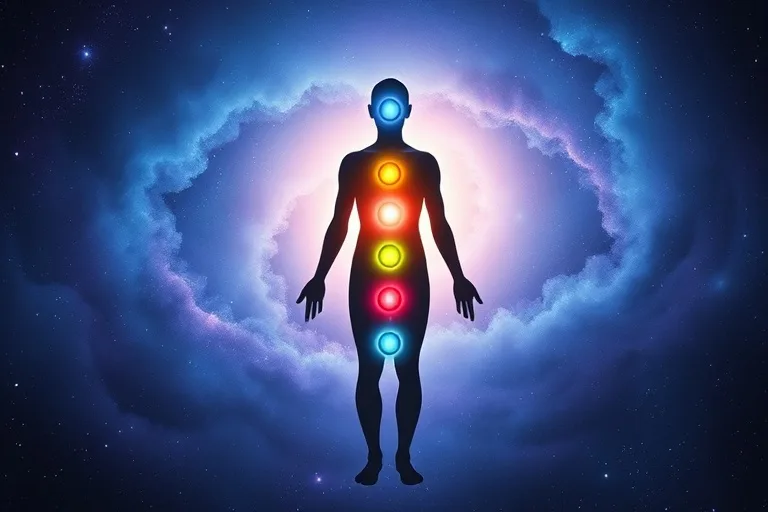
Understanding Chakras: The Energy Wheels of the Body
The term "chakra" originates from the Sanskrit word meaning "wheel" or "disk," referring to the spinning vortexes of energy believed to exist along the central axis of the body. These energy centers are not physical organs but rather points of intersection for energy channels, or nadis, through which life force energy, known as prana, flows.
Ancient texts describe thousands of chakras, but seven primary ones are most commonly discussed and focused on in modern healing practices. Each chakra is associated with specific colors, sounds, elements, and functions, influencing our physical health, emotional stability, mental clarity, and spiritual connection.
When chakras are open, balanced, and flowing freely, energy can move unimpeded, leading to optimal health and well-being. However, stress, trauma, negative emotions, and unhealthy lifestyle choices can cause these energy centers to become blocked, overactive, or underactive, leading to various physical and psychological ailments.
The Seven Primary Chakras: A Detailed Exploration
Each of the seven main chakras plays a unique role in our energetic system, governing different aspects of our lives. Understanding their characteristics is the first step towards recognizing and addressing imbalances.
Root Chakra (Muladhara)
Located at the base of the spine, the Root Chakra is associated with our sense of security, stability, and basic needs. Its color is red, and it connects us to the earth, grounding our existence. A balanced Root Chakra fosters feelings of safety and belonging.
- Location: Base of the spine, perineum.
- Color: Red.
- Element: Earth.
- Associated Issues (Imbalanced): Anxiety, fear, insecurity, financial instability, lower back pain, colon issues.
Sacral Chakra (Svadhisthana)
Situated in the lower abdomen, below the navel, the Sacral Chakra governs creativity, sexuality, emotions, and pleasure. Its vibrant orange color reflects its connection to passion and flow. When balanced, it allows for healthy expression of emotions and joyful experiences.
- Location: Lower abdomen, below the navel.
- Color: Orange.
- Element: Water.
- Associated Issues (Imbalanced): Emotional instability, creative blocks, sexual dysfunction, urinary problems, kidney issues.
Solar Plexus Chakra (Manipura)
Found in the upper abdomen, the Solar Plexus Chakra is the center of personal power, self-esteem, and willpower. Its yellow hue symbolizes confidence and inner strength. A balanced Solar Plexus allows for assertiveness and a strong sense of self.
- Location: Upper abdomen, stomach area.
- Color: Yellow.
- Element: Fire.
- Associated Issues (Imbalanced): Low self-esteem, lack of confidence, digestive problems, anger issues, control issues.
Heart Chakra (Anahata)
Located at the center of the chest, the Heart Chakra is the bridge between the lower and upper chakras, representing love, compassion, and connection. Its color is green (or pink), symbolizing healing and growth. A balanced Heart Chakra fosters empathy, forgiveness, and unconditional love.
- Location: Center of the chest.
- Color: Green or Pink.
- Element: Air.
- Associated Issues (Imbalanced): Loneliness, grief, jealousy, heart problems, asthma, circulation issues.
Throat Chakra (Vishuddha)
Located in the throat area, this chakra is associated with communication, self-expression, and truth. Its color is blue, representing clarity and honesty. A balanced Throat Chakra enables clear, authentic expression of one's thoughts and feelings.
- Location: Throat, neck.
- Color: Blue.
- Element: Ether/Sound.
- Associated Issues (Imbalanced): Difficulty expressing oneself, fear of public speaking, thyroid problems, sore throat, dental issues.
Third Eye Chakra (Ajna)
Positioned between the eyebrows, the Third Eye Chakra is the center of intuition, insight, and inner wisdom. Its color is indigo, symbolizing deep perception and spiritual awareness. A balanced Third Eye enhances intuition and spiritual clarity.
- Location: Between the eyebrows.
- Color: Indigo.
- Element: Light.
- Associated Issues (Imbalanced): Lack of intuition, poor decision-making, headaches, vision problems, nightmares.
Crown Chakra (Sahasrara)
Located at the very top of the head, the Crown Chakra represents our connection to the divine, universal consciousness, and spiritual enlightenment. Its color is violet or white, symbolizing purity and transcendence. A balanced Crown Chakra fosters spiritual connection and a sense of unity.
- Location: Top of the head.
- Color: Violet or White.
- Element: Thought/Cosmic Energy.
- Associated Issues (Imbalanced): Spiritual disconnection, cynicism, depression, cognitive dysfunction, chronic fatigue.
Recognizing Imbalances: Signs Your Chakras Need Attention
Identifying an imbalanced chakra often involves paying close attention to both your physical symptoms and your emotional or mental states. Since each chakra governs specific areas, an issue in one of these areas can signal an imbalance.
For example, persistent financial worries or feelings of insecurity might point to an underactive Root Chakra. Similarly, a lack of creative drive or difficulty expressing emotions could indicate an imbalance in the Sacral Chakra. It's important to remember that these are general guidelines, and individual experiences may vary.
Here's a general overview of common signs of imbalance:
| Chakra | Physical Symptoms | Emotional/Mental Symptoms |
|---|---|---|
| Root (Muladhara) | Lower back pain, leg/feet issues, colon problems, immune disorders. | Anxiety, fear, insecurity, feeling ungrounded, financial worries. |
| Sacral (Svadhisthana) | Reproductive issues, urinary problems, hip pain, lower abdominal discomfort. | Emotional instability, creative blocks, lack of passion, guilt, shame. |
| Solar Plexus (Manipura) | Digestive issues, liver problems, chronic fatigue, diabetes. | Low self-esteem, lack of confidence, anger, control issues, feeling powerless. |
| Heart (Anahata) | Heart disease, lung problems, asthma, upper back/shoulder pain. | Grief, loneliness, jealousy, difficulty giving/receiving love, resentment. |
| Throat (Vishuddha) | Sore throat, thyroid issues, neck stiffness, dental problems. | Difficulty communicating, fear of speaking, dishonesty, shyness. |
| Third Eye (Ajna) | Headaches, vision problems, sinus issues, dizziness. | Lack of intuition, confusion, poor memory, nightmares, denial. |
| Crown (Sahasrara) | Chronic fatigue, sensitivity to light/sound, neurological disorders. | Spiritual disconnection, cynicism, depression, feeling lost, lack of purpose. |
Techniques for Chakra Healing and Balancing
There are numerous holistic practices that can help balance and activate your chakras. The key is to find what resonates with you and to approach these practices with intention and consistency.
Meditation and Visualization
Chakra meditation involves focusing your attention on each energy center, often visualizing its associated color and feeling the energy flow. Guided meditations are excellent for beginners, helping to direct your focus and intention. Visualization can be a powerful tool to clear blockages and energize specific chakras.
- Practice: Sit in a comfortable position, close your eyes, and focus on your breath. Systematically bring your awareness to each chakra, starting from the Root, visualizing its color and feeling its presence.
- Tip: You can find many free guided chakra meditations online that walk you through the process.
Yoga and Physical Movement
Specific yoga poses (asanas) are known to stimulate and balance different chakras. For instance, grounding poses like Mountain Pose (Tadasana) can strengthen the Root Chakra, while hip-opening poses can benefit the Sacral Chakra. Movement helps release stagnant energy.
- Practice: Incorporate yoga sequences designed for chakra balancing into your routine. Even gentle stretching and conscious movement can be beneficial.
- Tip: Explore Tarot Quantum Mechanics Intersecting Divination Reality resources to find poses that target specific chakras.
Crystals and Gemstones
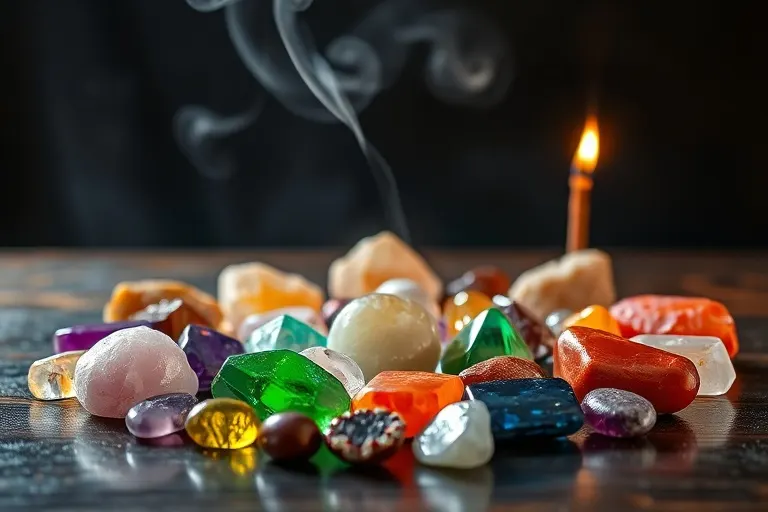
Crystals are believed to carry specific vibrational frequencies that can interact with and influence our energy fields. Placing appropriate crystals on or near the corresponding chakra can help clear blockages and restore balance. For example, red jasper for the Root Chakra or amethyst for the Crown Chakra.
- Practice: Lie down and place a cleansed crystal on the area of the corresponding chakra. Meditate or simply relax, allowing the crystal's energy to work.
- Tip: Learn about Tarot Quantum Mechanics Intersecting Divination Reality to choose the right stones for your needs.
Aromatherapy and Essential Oils
Essential oils, extracted from plants, carry potent aromatic and energetic properties. Diffusing specific oils or applying them topically (diluted) can support chakra balancing. For instance, cedarwood or patchouli for grounding the Root Chakra, or lavender for calming the Throat Chakra.
- Practice: Use an essential oil diffuser during meditation or apply diluted oils to pulse points or directly over the chakra area.
- Tip: Always research the safe use of essential oils and perform a patch test before topical application.
Sound Healing and Mantras
Sound has a profound effect on our energy. Chanting specific mantras (sacred sounds), listening to binaural beats, or using instruments like singing bowls and tuning forks can help clear and activate chakras. Each chakra has a corresponding Bija mantra (seed sound).
- Practice: Chant the Bija mantras (LAM for Root, VAM for Sacral, RAM for Solar Plexus, YAM for Heart, HAM for Throat, OM for Third Eye, AUM/Silence for Crown) or listen to chakra-specific sound frequencies.
- Tip: Explore the world of Tarot Quantum Mechanics Intersecting Divination Reality to find what resonates with you.
Diet and Nutrition
The foods we consume also carry energy and can influence our chakras. Eating foods that correspond to the color of a chakra can help support its balance. For example, red foods like beets and pomegranates for the Root Chakra, or orange foods like carrots and oranges for the Sacral Chakra.
- Practice: Incorporate a variety of colorful, whole foods into your diet, paying attention to the energetic qualities of your meals.
- Tip: A balanced and nutritious diet supports overall energetic health, not just individual chakras.
The Profound Benefits of Balanced Chakras
Achieving balanced chakras can lead to a multitude of benefits across all dimensions of your being. When your energy centers are aligned, you experience a greater sense of harmony, vitality, and inner peace.
Physically, a balanced system can lead to improved immune function, better digestion, reduced pain, and increased energy levels. Emotionally, you might find yourself more resilient, less prone to mood swings, and capable of deeper, more authentic connections with others.
Mentally, clarity, focus, and intuition are enhanced, allowing for better decision-making and a more positive outlook on life. Spiritually, a balanced chakra system can deepen your connection to your higher self and the universal consciousness, fostering a sense of purpose and spiritual awakening.
- Enhanced Physical Health: Stronger immune system, improved digestion, increased vitality.
- Emotional Stability: Greater resilience, reduced anxiety and stress, improved emotional expression.
- Mental Clarity: Better focus, enhanced intuition, improved decision-making.
- Stronger Relationships: Increased empathy, deeper connections, healthier boundaries.
- Spiritual Growth: Heightened spiritual awareness, sense of purpose, connection to the divine.
Integrating Chakra Healing into Daily Life
Chakra healing is not a one-time fix but an ongoing practice of self-awareness and self-care. Integrating these practices into your daily life can create lasting positive changes. Start small, perhaps by focusing on one chakra at a time, or by incorporating a few minutes of chakra meditation into your morning routine.
Listen to your body and intuition, as they are your best guides. Pay attention to how different practices make you feel and adjust accordingly. Consistency is more important than intensity. Over time, you will develop a deeper understanding of your own energy system and how to maintain its optimal flow.
Consider exploring other esoteric practices that complement chakra work, such as aura reading or oracle cards, to further enhance your spiritual journey. The path to well-being is multifaceted, and chakra healing offers a powerful avenue for profound transformation.
Fuente: Contenido híbrido asistido por IAs y supervisión editorial humana.


Comments
Post a Comment