
Dreamscaping VR: Astral Journeys Lucid Digital Realms
The convergence of virtual reality (VR) and the exploration of consciousness is opening unprecedented avenues for human experience. One of the most fascinating frontiers in this domain is "dreamscaping," a term that encompasses the use of VR technologies to facilitate, enhance, and simulate experiences akin to lucid dreaming and astral projection. This innovative field promises to transform how we understand and interact with our inner worlds, offering guided journeys into digital realms designed to mirror or even transcend the boundaries of our subconscious.
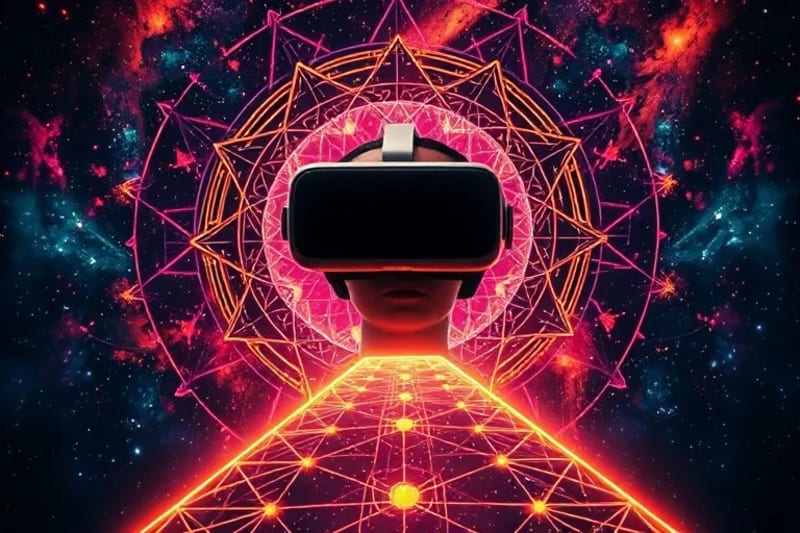
An individual immersed in a virtual reality experience, navigating a vibrant, ethereal digital landscape that blurs the lines between technology and consciousness.
Dreamscaping in VR is not merely about playing games; it's about crafting immersive, interactive environments that can influence states of mind, foster self-discovery, and potentially unlock latent cognitive abilities. By leveraging the power of VR to create highly convincing alternate realities, developers and researchers are exploring new ways to engage with the subconscious mind, offering tools for personal growth, therapeutic applications, and spiritual exploration. This introductory guide will delve into the core concepts, technologies, and potential implications of this exciting new field.
Table of Contents
- The Convergence of VR and Consciousness
- What is Lucid Dreaming in a Digital Space?
- Exploring Astral Journeys through VR
- Technologies Powering Digital Dreamscapes
- Benefits and Potential Applications
- Ethical Considerations and Future Outlook
The Convergence of VR and Consciousness
Virtual reality, at its core, is a technology designed to trick our senses into believing we are in a different environment. By providing visual, auditory, and sometimes haptic feedback, VR systems can create highly convincing simulations. This immersive quality makes VR an ideal medium for exploring states of consciousness that traditionally require deep meditation, specific practices, or even altered states of awareness.
The human mind is remarkably adaptable, and prolonged immersion in VR can lead to a phenomenon known as "presence," where the user genuinely feels they are physically within the virtual world. This deep sense of immersion can be leveraged to guide individuals into states conducive to lucid dreaming or simulated astral experiences. Researchers are increasingly recognizing the profound connection between our perception of reality and the nature of consciousness itself, suggesting that VR could serve as a powerful tool for self-exploration.
Understanding how our minds process information and construct reality is key to appreciating VR's potential in this realm. The brain doesn't distinguish between "real" and "virtual" sensory input in the way we might consciously assume, especially when the VR experience is sufficiently immersive. This plasticity allows for the creation of experiences that can profoundly impact our mental and emotional states, blurring the lines between the physical and the perceived. For those interested in the deeper implications of reality and perception, exploring concepts like quantum physics, consciousness, and spiritual perspectives can offer further insight into these intricate connections.
What is Lucid Dreaming in a Digital Space?
Lucid dreaming is the phenomenon where a dreamer becomes aware that they are dreaming while the dream is still happening. This awareness often grants the dreamer a degree of control over the dream's narrative, characters, and environment. In a digital space, VR aims to replicate or enhance this experience by providing a controlled, interactive environment where users can practice and develop their lucid dreaming skills.
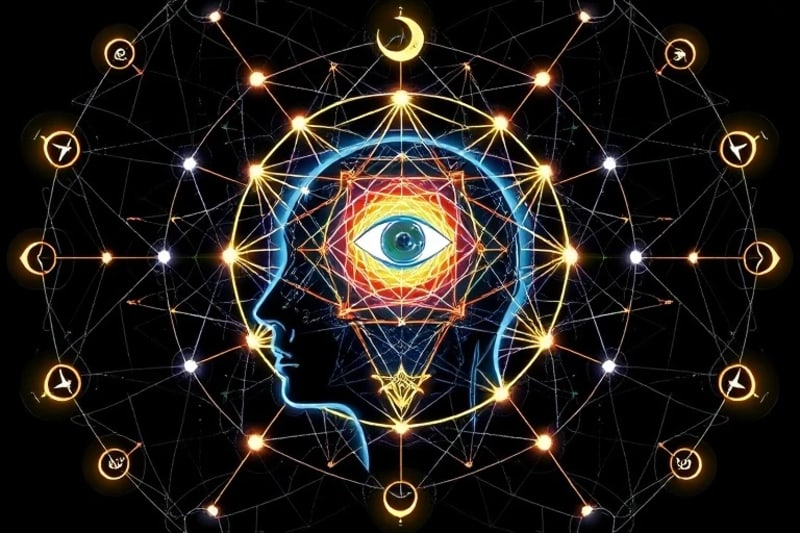
A stylized representation of the brain's neural pathways extending into a digital network, symbolizing the digital facilitation of lucid dreaming experiences.
VR applications for lucid dreaming often involve guided meditations, reality checks within virtual environments, and dream journaling tools integrated into the experience. The goal is to train the brain to recognize the signs of a dream state, both within the VR simulation and, by extension, in actual sleep dreams. By repeatedly engaging in reality checks in a VR environment, users can condition themselves to perform similar checks in their dreams, triggering lucidity.
Some platforms offer scenarios designed to mimic common dream themes or challenges, allowing users to practice navigating these situations with conscious intent. This controlled practice can significantly reduce the time and effort typically required to achieve consistent lucid dreaming. The digital realm provides a safe space to experiment with dream control, from flying to manifesting objects, without the potential psychological impact of an uncontrolled dream environment.
Exploring Astral Journeys through VR
Astral projection, often referred to as an out-of-body experience (OBE), is an esoteric concept where the consciousness or "astral body" is believed to separate from the physical body and travel to other planes of existence. While VR cannot literally induce an astral projection in the traditional esoteric sense, it can create highly convincing simulations that mimic the sensations and visual experiences described by those who claim to have had OBEs.
VR applications designed for "astral journeys" often feature expansive, otherworldly landscapes, celestial environments, and abstract visual metaphors. These experiences aim to induce a sense of detachment from the physical body, allowing users to "float" through virtual spaces, observe themselves from an external perspective, and interact with symbolic representations of spiritual or psychological concepts. The immersive nature of VR can evoke profound emotional and spiritual responses, even if the experience is a simulation.
The distinction between a simulated experience and a genuine astral projection is crucial. VR offers a powerful tool for exploring the mystical traits and spiritual journey aspects associated with such concepts, providing a safe and accessible way to engage with these ideas. It allows individuals to explore the psychological and philosophical dimensions of out-of-body experiences without the need for traditional esoteric practices, making it a bridge between technology and spirituality.
Technologies Powering Digital Dreamscapes
The effectiveness of dreamscaping in VR relies on a combination of advanced hardware and sophisticated software. Modern VR headsets, such as the Meta Quest series, Valve Index, and PlayStation VR2, offer high-resolution displays, wide fields of view, and precise head tracking, contributing to a strong sense of presence. These devices are constantly evolving, becoming more comfortable and capable.
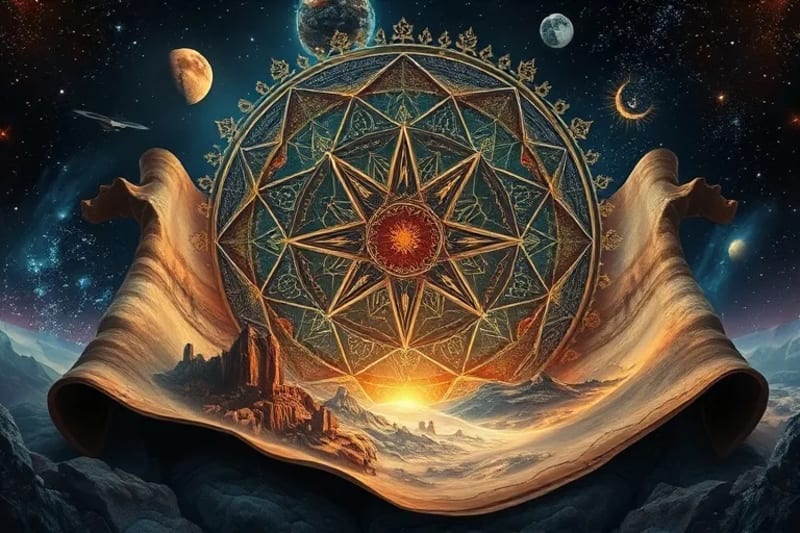
An ethereal landscape depicted on an ancient scroll, incorporating celestial elements and subtle digital streams, symbolizing the blend of mystical exploration and technology.
Beyond the visual and auditory, haptic feedback systems are becoming increasingly important. These devices can simulate touch, pressure, and even temperature, adding another layer of immersion. For dreamscaping, haptic feedback could be used to simulate subtle sensations associated with floating, energy fields, or interaction with dream objects, further enhancing the realism of the virtual experience.
Software platforms are equally critical. These include specialized applications for guided meditation, interactive dream environments, and biofeedback integration. Biofeedback devices, which monitor physiological responses like heart rate, brainwaves, or skin conductance, can be used to tailor VR experiences in real-time, responding to the user's state of relaxation or arousal. This personalized approach makes the dreamscaping experience more effective and responsive to individual needs.
Benefits and Potential Applications
The applications of dreamscaping in VR extend far beyond mere entertainment. One significant area is therapeutic use. VR can provide a safe space for individuals to confront fears, process trauma, or practice social skills in a controlled environment. For instance, those suffering from nightmares could use VR to "rehearse" lucid dreaming techniques, gaining control over their dream narratives and reducing anxiety.
Another powerful application lies in fostering creativity and personal growth. By creating impossible architectures, fantastical landscapes, or abstract visual metaphors, VR dreamscapes can stimulate imagination and offer new perspectives. Users can explore different identities, experiment with problem-solving in novel ways, and gain insights into their subconscious motivations. This can be particularly beneficial for those seeking annual growth and self-discovery, using these digital realms as a personal laboratory for the mind.
Furthermore, dreamscaping can be used for mindfulness and stress reduction. Immersive, serene virtual environments can serve as powerful tools for meditation, helping users achieve deep states of relaxation and mental clarity. The ability to escape the distractions of the physical world and enter a tailor-made tranquil space offers a unique form of digital sanctuary. This approach aligns well with practices of mindfulness in navigating challenges, fostering presence and inner peace.
Ethical Considerations and Future Outlook
As with any powerful technology that interfaces with the human mind, dreamscaping in VR raises important ethical considerations. The blurring of lines between reality and simulation could potentially lead to psychological disorientation or addiction for some individuals. It is crucial for developers and users alike to approach these technologies with a sense of responsibility and awareness of their potential impact on mental well-being.
Ensuring user safety, privacy, and informed consent will be paramount as these technologies evolve. Guidelines for responsible design and usage, particularly for applications targeting therapeutic or consciousness-altering experiences, will need to be established. The long-term effects of prolonged immersion in highly realistic digital dreamscapes on cognitive function and emotional health are areas that require ongoing research.
Looking ahead, the future of dreamscaping in VR is bright with possibilities. Advances in brain-computer interfaces (BCIs) could one day allow for even more direct and seamless interaction with virtual dream environments, potentially enabling users to control elements with their thoughts alone. As VR technology becomes more sophisticated and accessible, dreamscaping could become a mainstream practice for self-exploration, creativity, and mental well-being, ushering in a new era of digital consciousness.
In conclusion, dreamscaping in VR represents a fascinating and rapidly evolving field at the intersection of technology, psychology, and esotericism. By offering immersive, guided experiences that mimic lucid dreaming and astral journeys, VR is providing new tools for understanding and interacting with our inner worlds. While challenges and ethical considerations remain, the potential for personal growth, therapeutic applications, and profound self-discovery makes this a frontier well worth exploring.
Source: Hybrid content assisted by AI and human editorial supervision.


Comments
Post a Comment