
Energetics Color Feng Shui Harmonious Spaces Hues
Energetics of Color in Feng Shui: Harmonious Spaces with Vibrant Hues
Feng Shui, an ancient Chinese art and science, focuses on creating harmony and balance in our living environments. It involves arranging spaces to optimize the flow of energy, known as 'Chi'. While many elements contribute to good Feng Shui, the strategic use of color is among the most potent and accessible tools.
Colors are not merely aesthetic choices; they are powerful energetic vibrations that can profoundly impact our mood, health, and overall well-being. In Feng Shui, each color is associated with specific elements, emotions, and aspects of life. Understanding these associations allows us to intentionally design spaces that support our goals and enhance our daily lives.
This guide explores the fundamental principles of color energetics within Feng Shui. We will delve into the meanings of various hues, their connection to the Five Elements, and practical applications for different areas of your home or office. By mastering these concepts, you can transform your surroundings into vibrant sanctuaries of positive energy.
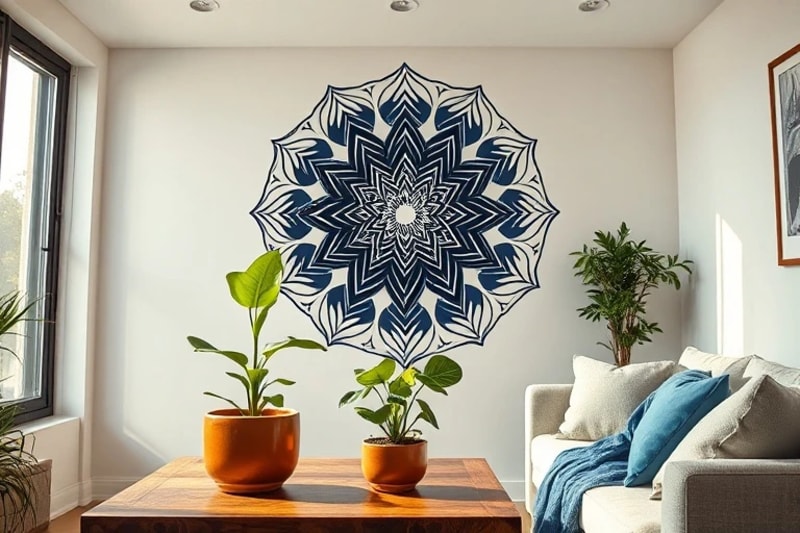
Conceptual representation of a balanced living space, integrating elemental colors and natural light to foster positive Chi flow, reflecting the core principles of Feng Shui design.
This vibrant depiction is a conceptual render, illustrating the thoughtful integration of color and natural elements to achieve energetic balance, a cornerstone of ancient spatial harmony practices.
Table of Contents
- The Five Elements and Their Colors
- Wood Element: Growth and Vitality
- Fire Element: Passion and Energy
- Earth Element: Stability and Nurturing
- Metal Element: Clarity and Precision
- Water Element: Flow and Wisdom
- Applying Color in Different Rooms
- Living Room: Social Harmony and Connection
- Bedroom: Rest and Intimacy
- Kitchen: Health and Abundance
- Home Office: Focus and Career Growth
- Balancing Yin and Yang with Color
- Practical Tips for Color Integration
- Common Color Mistakes to Avoid
- Conclusion: Crafting Your Colorful Sanctuary
The Five Elements and Their Colors
At the heart of Feng Shui lies the theory of the Five Elements: Wood, Fire, Earth, Metal, and Water. Each element represents different qualities, energies, and life stages, and is associated with specific colors. Understanding this elemental cycle is crucial for applying color effectively in your space.
The elements interact in both productive and destructive cycles, influencing the balance of Chi. By introducing colors that represent these elements, we can strengthen or weaken particular energies within a room, promoting desired outcomes. This dynamic interplay is a cornerstone of Feng Shui principles.
Wood Element: Growth and Vitality
The Wood element embodies growth, new beginnings, vitality, and flexibility. It is associated with upward movement and expansion, much like a thriving tree. Introducing Wood energy can foster personal growth, creativity, and a sense of renewal.
Its primary colors are green and light blue. Green symbolizes nature, health, and rejuvenation, while light blue represents calm and tranquility. These colors are excellent for areas where you seek inspiration or wish to reduce stress.
Fire Element: Passion and Energy
Fire represents passion, energy, recognition, and transformation. It is a powerful, dynamic element that can ignite enthusiasm and bring warmth to a space. However, too much Fire can lead to restlessness or aggression.
The colors of Fire are red, orange, and strong pink/purple. Red is the most potent, symbolizing love, courage, and celebration. Orange promotes communication and enthusiasm, while purple signifies royalty and spiritual awareness. Use these colors sparingly as accents.
Earth Element: Stability and Nurturing
The Earth element signifies stability, grounding, nurturing, and support. It provides a sense of security and comfort, fostering strong relationships and overall well-being. Earth energy is essential for creating a stable foundation in any area of life.
Its associated colors are yellow, brown, and beige. Yellow brings warmth, happiness, and intellectual stimulation. Browns and beiges offer a sense of groundedness and reliability. These colors are ideal for central areas or spaces where you seek comfort.
Metal Element: Clarity and Precision
Metal represents clarity, precision, organization, and efficiency. It encourages focus, discipline, and the completion of tasks. Incorporating Metal energy can help in decision-making and fostering a sense of order.
The colors of Metal are white, gray, and silver/metallic tones. White symbolizes purity, new beginnings, and simplicity. Gray offers sophistication and neutrality. Metallics can enhance focus and bring a modern edge. These colors are excellent for creative spaces or areas requiring mental sharpness.
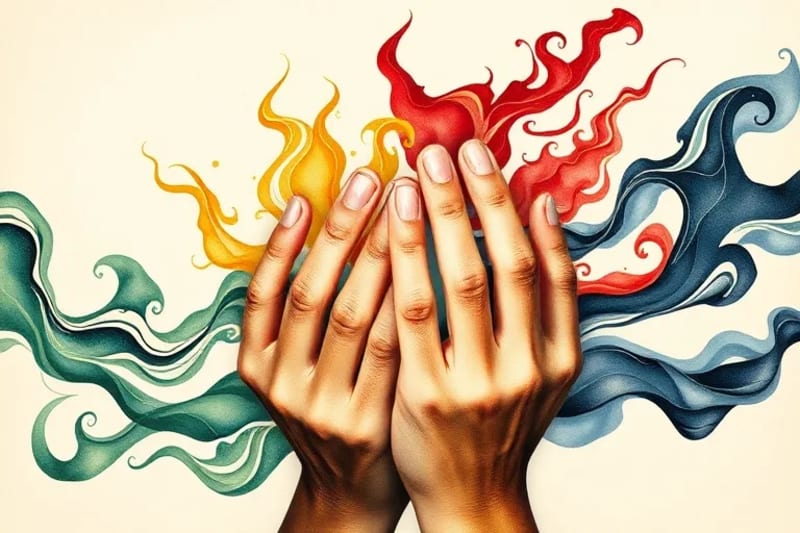
An artistic interpretation of the Five Elements, showcasing their associated colors and the fluid interconnectedness that defines their energetic cycle in Feng Shui.
This conceptual artwork visually translates the complex relationships between the elemental forces, a key principle in understanding spatial energy and balance within the ancient practice.
Water Element: Flow and Wisdom
Water embodies flow, wisdom, intuition, and introspection. It is associated with wealth and career, representing adaptability and the ability to navigate life's challenges. Too much Water can lead to melancholy or instability.
Its colors are black and dark blue. Black symbolizes depth, mystery, and protection. Dark blue evokes calm, peace, and spiritual insight. These colors are often used to enhance career prospects or create a contemplative atmosphere. For more insights on daily guidance, consider exploring Planetary Transits Daily Guidance Astrology.
Applying Color in Different Rooms
The ideal color palette for a room depends heavily on its function and the desired energetic outcome. Feng Shui principles guide us in selecting colors that support the primary activities and intentions for each space. This approach ensures that your home actively contributes to your well-being.
Consider the existing elements and energies in a room before introducing new colors. The goal is always to achieve balance and harmony, not to overwhelm the space with a single dominant element. Subtle accents can often be more effective than large swathes of color.
Living Room: Social Harmony and Connection
The living room is a central hub for social interaction and family gatherings. Colors here should promote comfort, communication, and a welcoming atmosphere. Earth tones like yellow, beige, and light brown are excellent for grounding and nurturing. Soft greens can add a touch of growth and vitality.
Avoid overly aggressive colors like bright red as dominant themes, as they can create tension. Instead, use them as small accents to stimulate conversation. The goal is to create a space where everyone feels relaxed and connected.
Bedroom: Rest and Intimacy
The bedroom is a sanctuary for rest, rejuvenation, and intimacy. Colors here should be calming, soothing, and conducive to deep sleep. Soft, muted tones are generally preferred over vibrant, stimulating hues.
Earth tones (soft yellows, beiges) and gentle Water colors (pale blues) are ideal. Pink, a muted Fire color, can also enhance romance and gentleness. Avoid strong reds or bright blues, which can be too stimulating or too cold for a restful environment. For deeper understanding of relational patterns, explore Synastry Family Dynamics: Relational Patterns Explained.
Kitchen: Health and Abundance
The kitchen is the heart of the home, representing health, nourishment, and abundance. It is a place of creation and transformation. Colors here should be clean, fresh, and invigorating.
White (Metal) promotes cleanliness and efficiency. Green (Wood) can enhance health and vitality. Earth tones like light yellow or cream foster a nurturing atmosphere. A touch of red (Fire) can stimulate appetite and conversation, but use it judiciously.
Home Office: Focus and Career Growth
For a home office, the focus is on concentration, productivity, and career advancement. Colors that support mental clarity and sustained effort are beneficial. The Home Office Feng Shui Chinese Zodiac Career Prosperity guide offers more specific insights.
Blues (Water) can enhance wisdom and calm, while greens (Wood) promote creativity and growth. White and gray (Metal) can improve focus and organization. Avoid overly distracting or stimulating colors that might hinder concentration. The environment should feel supportive and inspiring.
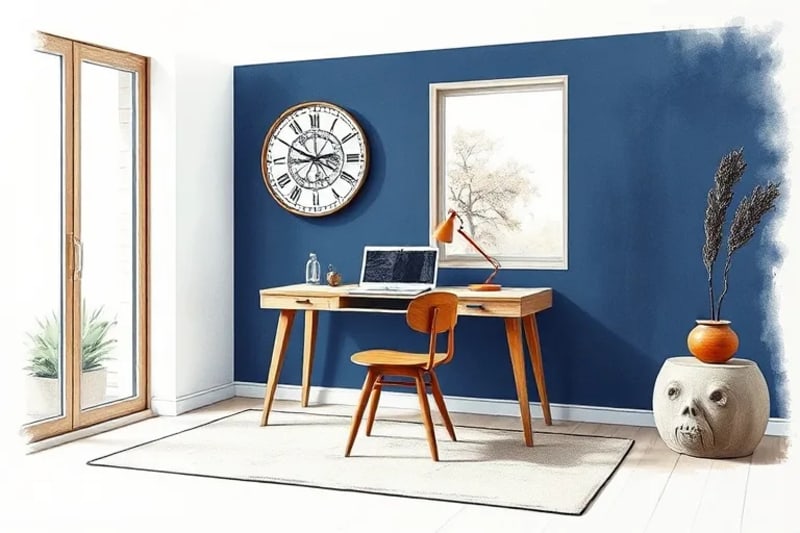
A modern home office designed with Feng Shui in mind, featuring a balanced interplay of elemental colors to enhance focus, productivity, and career prosperity.
This 3D render illustrates the thoughtful application of Feng Shui color theory in a professional setting, aiming to create an environment conducive to mental clarity and goal achievement.
Balancing Yin and Yang with Color
Beyond the Five Elements, Feng Shui also considers the balance of Yin and Yang energies. Yin represents feminine, dark, passive, and cool energies, while Yang represents masculine, light, active, and warm energies. A harmonious space requires a balance of both.
Yin colors are typically cooler and darker, such as dark blues, blacks, and deep purples. Yang colors are warmer and brighter, including reds, oranges, and vibrant yellows. Neutral colors like white, gray, and beige can help balance both.
In a bedroom, you might lean more towards Yin colors for rest, while a living room might benefit from a mix of both. The key is to observe how a space feels and adjust the color balance accordingly to promote comfort and energy flow.
Practical Tips for Color Integration
Integrating Feng Shui color principles into your home doesn't require a complete overhaul. Small, intentional changes can make a significant difference. Start by assessing your current space and identifying areas that could benefit from an energetic shift.
Here are some practical tips to get started:
- Start Small: Begin with accessories like throw pillows, artwork, or decorative objects to introduce new colors. This allows you to experiment without committing to large changes.
- Consider the Bagua Map: Use the Bagua map, a Feng Shui energy map, to identify the different life areas (e.g., wealth, relationships, health) associated with each section of your home. Then, introduce colors that support those specific areas.
- Observe Natural Light: The way natural light interacts with colors can drastically change their appearance and energetic impact. Test swatches on different walls and at various times of day.
- Balance with Neutrals: Neutrals provide a calming backdrop that allows accent colors to shine without overwhelming the space. They also represent the Earth and Metal elements, offering stability and clarity.
- Personal Preference Matters: While Feng Shui offers guidelines, your personal comfort and aesthetic preference are equally important. Choose colors that genuinely resonate with you and make you feel good.
Common Color Mistakes to Avoid
While the application of color in Feng Shui is intuitive, certain pitfalls can disrupt the energetic balance. Being aware of these common mistakes can help you create a more harmonious and supportive environment.
Avoiding these errors ensures that your color choices contribute positively to your space:
Overuse of a Single Element: Relying too heavily on one color or element can create an imbalance. For example, an all-red room might be too stimulating, while an all-blue room could feel too cold or melancholic. Strive for a balanced representation of multiple elements.
Ignoring Room Function: Using stimulating colors like bright red in a bedroom, intended for rest, can disrupt sleep and intimacy. Conversely, using overly subdued colors in a creative studio might stifle inspiration. Always align colors with the room's primary purpose.
Clashing Colors: While contrast can be good, colors that energetically clash (e.g., too much Fire and Water without a mediating element) can create tension and discomfort. Ensure colors complement each other and the overall elemental cycle.
Neglecting Natural Light: Colors appear differently under various lighting conditions. A color that looks vibrant in a well-lit room might appear dull in a dimly lit space. Always test colors in the actual environment they will occupy.
Conclusion: Crafting Your Colorful Sanctuary
The energetics of color in Feng Shui offer a profound way to enhance your living and working spaces. By understanding the subtle vibrations and elemental associations of different hues, you can consciously design environments that support your well-being, foster your goals, and bring a sense of peace and prosperity.
Remember that Feng Shui is a dynamic practice, and personal intuition plays a vital role. Experiment with colors, observe their effects on your mood and energy, and trust your instincts. Your home is a reflection of your inner world, and by harmonizing its colors, you pave the way for a more balanced and vibrant life. Embracing these principles can lead to a more profound connection with your surroundings, much like understanding Mindfulness Astrological Cycles Daily Practices can deepen self-awareness.
Explore More Harmonious Insights
IC Ruler Aspects: Unpacking Family Legacy, Emotional Foundation Guide
Biofeedback Meditation Manifestation: Science Spirituality Merging
Astrology Augmented Reality: Holographic Natal Chart Self-Knowledge
Circular Business Models: Sustainable Startups, Regenerative Economy
Source: Hybrid content assisted by AI and human editorial supervision.


Comments
Post a Comment