
Feng Shui Digital Nomad Workspace Harmony Guide
The rise of digital nomadism has transformed the way millions approach work, offering unparalleled freedom and flexibility. However, this lifestyle also presents unique challenges, particularly in creating a stable and supportive workspace. As digital nomads often find themselves working from diverse locations—be it a co-working space, a coffee shop, or a temporary home office—the consistency of their environment can fluctuate dramatically. This constant change can impact focus, productivity, and overall well-being, making the intentional design of a workspace more crucial than ever.
Feng Shui, an ancient Chinese art and science, offers profound insights into harmonizing individuals with their surrounding environment. By strategically arranging objects and spaces, Feng Shui aims to optimize the flow of "Chi" (life force energy), thereby enhancing health, prosperity, and happiness. For the digital nomad, integrating Feng Shui principles into their remote workspace is not merely about aesthetics; it is about cultivating a sanctuary that fosters sustained productivity, creativity, and inner peace, regardless of geographical location. This guide explores practical Feng Shui tips to transform any temporary workspace into a powerful hub for professional and personal growth.
Introduction: Harmonizing Your Digital Nomad Workspace
The concept of a "digital nomad" has evolved from a niche lifestyle to a mainstream professional choice, driven by technological advancements and a global shift towards remote work. These individuals, often traveling across countries and continents, rely heavily on their ability to set up functional and inspiring workspaces wherever they land. However, the transient nature of this existence can lead to a lack of rootedness, impacting mental clarity and energy levels. This is where the ancient wisdom of Feng Shui offers a powerful framework for creating stability and positive energy flow.
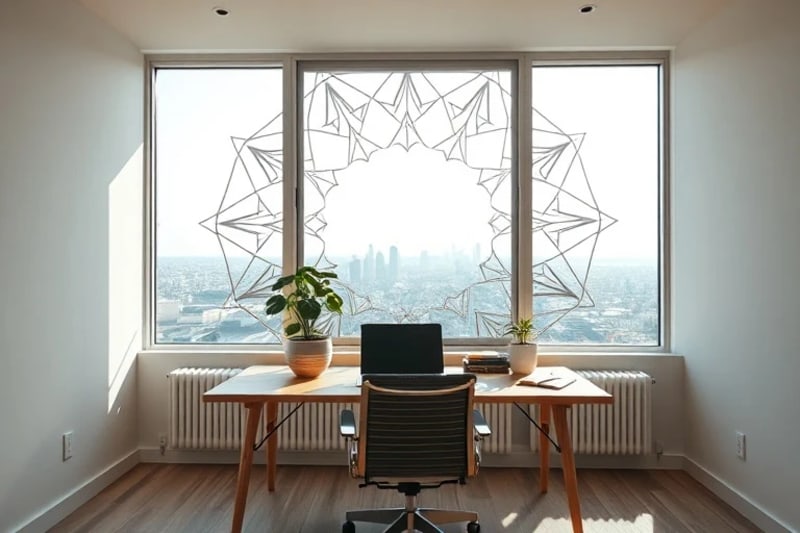
Conceptual representation of a harmonized digital nomad workspace, integrating natural elements and mindful design for enhanced well-being and focus.
This vibrant conceptual artwork, generated by AI, illustrates the harmonious blend of modern technology and ancient wisdom, reflecting the essence of a balanced remote work environment.
Feng Shui, literally meaning "wind-water," is a practice that originated in China and focuses on the spatial arrangement and orientation of objects in relation to the flow of energy. Its core belief is that our environment profoundly influences our lives. By understanding and applying its principles, digital nomads can transform any temporary desk or room into a personal power zone, fostering an environment conducive to deep work, innovative thinking, and overall life satisfaction. This guide delves into actionable strategies for achieving this harmony, bridging ancient wisdom with contemporary remote work demands.
Core Principles of Feng Shui for Remote Work
To effectively apply Feng Shui, it's essential to grasp its foundational concepts. These principles guide how energy (Chi) moves through a space and how different elements interact to create balance or imbalance. Understanding these basics allows digital nomads to make informed decisions about their workspace setup, even when working with limited resources or temporary locations.
- Chi (Qi): This is the vital life force energy that flows through everything. In Feng Shui, the goal is to ensure Chi flows smoothly and gently, avoiding stagnation or overly aggressive movement. A well-designed workspace promotes positive Chi, leading to increased vitality and focus.
- Yin and Yang: These are opposing yet complementary forces. Yin represents feminine, dark, passive, and cool energies, while Yang represents masculine, light, active, and warm energies. A balanced workspace incorporates both, ensuring a dynamic yet harmonious environment. For instance, a bright, active work area (Yang) can be balanced with soft lighting or comfortable textures (Yin).
- Five Elements (Wu Xing): Wood, Fire, Earth, Metal, and Water are the five elemental energies that interact in a cyclical manner, either supporting or controlling each other. Each element is associated with specific colors, shapes, materials, and emotions. Balancing these elements in a workspace is crucial for overall harmony and addressing specific needs, such as boosting creativity (Wood) or enhancing stability (Earth).
- Bagua Map: This octagonal grid is a fundamental tool in Feng Shui, used to map the energy areas of a space. Each section of the Bagua corresponds to a specific life aspiration, such as wealth, career, relationships, or knowledge. While applying a full Bagua to a temporary space can be challenging, understanding its principles can help prioritize which areas to activate in a smaller, more flexible setup.
By consciously integrating these principles, digital nomads can create a workspace that not only looks good but also actively supports their professional endeavors and personal well-being. This holistic approach ensures that the environment is an ally, not an obstacle, in their journey.
Optimizing Your Workspace Layout for Flow
The physical arrangement of your desk and furniture is paramount in Feng Shui. A well-positioned desk can significantly enhance your sense of control, security, and focus. The goal is to achieve the "commanding position," which is the most powerful spot in the room, allowing you to see the door without being directly in line with it. This position symbolizes being in charge of your work and your life, rather than being caught off guard or feeling vulnerable.

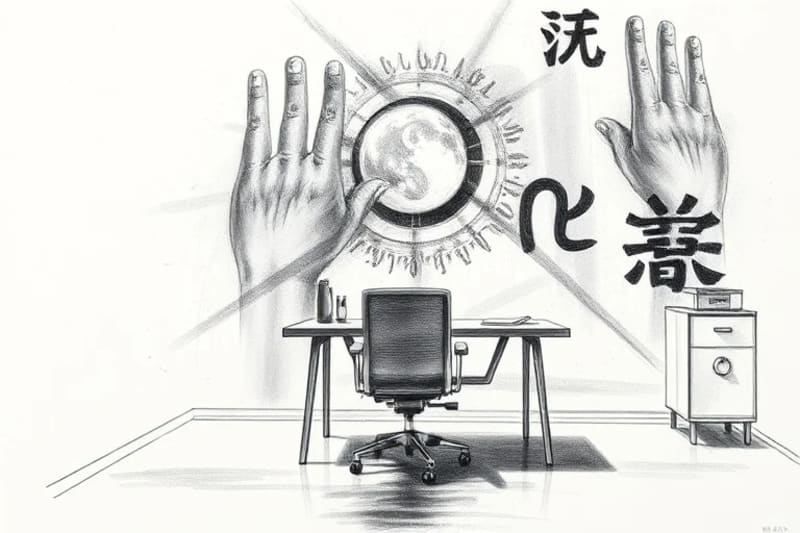
A detailed view of a thoughtfully arranged remote desk, showcasing elements that support focus and positive energy flow in a digital work setting.
This AI-rendered still life captures the intricate balance required to create an inspiring and productive environment for the modern remote worker, blending aesthetics with functionality.
Here are key layout considerations:
- Commanding Position: Place your desk so you can see the entrance to the room without being directly facing it. If this isn't possible, a small mirror positioned to reflect the door can serve as a symbolic workaround. Avoid sitting with your back to a door or window, as this can create a sense of vulnerability and lack of support.
- Solid Support Behind You: A solid wall behind your chair provides symbolic support and stability, enhancing feelings of security and confidence in your work. If you must sit with your back to a window, use heavy curtains or a tall plant to create a sense of solidity.
- Clear the Clutter: A cluttered workspace leads to a cluttered mind. Regularly declutter your desk and surrounding area. Ensure pathways are clear for Chi to flow smoothly. Every item on your desk should have a purpose or bring you joy. This practice is also vital for maintaining mental clarity and reducing stress, aligning with principles for the psychology of success and goal achievement.
- Good Lighting: Natural light is ideal. Position your desk to maximize daylight, but avoid direct glare on your screen. Supplement with good artificial lighting that mimics natural light, especially during darker hours. Poor lighting can drain energy and strain your eyes.
- Define Your Space: Even in a shared or temporary space, try to define your work area. This could be as simple as a rug under your desk, a room divider, or even just the intentional arrangement of your personal items. This mental and physical boundary helps focus your energy.
By meticulously arranging your workspace, you create an environment that actively supports your professional aspirations and personal well-being, fostering a sense of grounding even amidst a nomadic lifestyle.
Color Psychology and Elemental Balance
Colors are powerful tools in Feng Shui, each associated with specific elements and energies that can influence mood, productivity, and creativity. For digital nomads, who may not have control over wall colors, strategic use of accessories, artwork, or even clothing can introduce desired elemental energies. Understanding the Five Elements and their corresponding colors allows for intentional design choices.
| Element | Colors | Associated Qualities | Workspace Application |
|---|---|---|---|
| Wood | Greens, Browns | Growth, Creativity, Vitality, New Beginnings | Plants, wooden desk accessories, green accents to boost creativity and innovation. |
| Fire | Reds, Oranges, Purples | Passion, Energy, Recognition, Inspiration | Small red accents, candles (safely), artwork with fiery tones to stimulate energy and recognition. Use sparingly to avoid overstimulation. |
| Earth | Yellows, Browns, Earth Tones | Stability, Grounding, Nurturing, Reliability | Ceramic objects, earthy-toned rugs or cushions, natural stone elements to enhance stability and focus. |
| Metal | Whites, Grays, Silvers | Clarity, Precision, Organization, Efficiency | Metallic desk organizers, whiteboards, silver picture frames to promote clear thinking and organization. |
| Water | Blues, Blacks | Flow, Wisdom, Intuition, Calmness, Communication | Small water features (if practical), blue accents, reflective surfaces to encourage calm, introspection, and effective communication, crucial for the communication and intellect aspects of Mercury in astrology. |
The key is balance. Too much of one element can create imbalance. For instance, too much Fire can lead to burnout, while too much Water can cause lethargy. Observe your current workspace and identify which elements are dominant or lacking, then introduce complementary elements through color, material, or shape to achieve harmony. This conscious balancing act contributes to a more stable and productive environment, fostering a sense of cosmic order and personal alignment, much like understanding celestial mechanics in modern spirituality.
Incorporating Nature and Personal Symbolism
Connecting with nature is a powerful way to bring positive Chi into any space. For digital nomads who might spend extended periods indoors, integrating natural elements is vital for mental and physical well-being. Plants, natural light, and natural materials can significantly enhance the energy of a workspace, promoting growth, vitality, and a sense of calm.
The integration of natural elements, such as lush greenery, into a remote workspace to foster a sense of calm, growth, and connection with the external environment.
This AI-generated visual emphasizes the vital role of biophilic design in enhancing mental clarity and reducing stress for individuals working remotely, illustrating a harmonious blend of nature and work.
- Living Plants: Introduce small, easy-to-care-for plants like succulents, snake plants, or peace lilies. They purify the air, bring the Wood element, and symbolize growth and vitality. Avoid plants with sharp, spiky leaves, as these can create "sha Chi" (negative energy).
- Natural Light: Maximize natural light whenever possible. Position your desk near a window if available, ensuring you have a pleasant view. If natural light is limited, use full-spectrum bulbs that mimic daylight to reduce eye strain and improve mood.
- Natural Materials: Incorporate wood, stone, cotton, or wool into your workspace. A wooden desk, a stone coaster, or a wool rug can ground the space and connect you to the Earth element, providing a sense of stability.
- Personal Symbolism: Display objects that inspire you, represent your goals, or remind you of positive experiences. This could be a photograph, a piece of art, a souvenir from a meaningful journey, or an item that embodies sacred geometry and alchemical principles. These items serve as powerful affirmations and keep your motivation high.
- Inspiring Views: If you have a window, ensure the view is pleasant and inspiring. If your view is undesirable, use curtains, blinds, or strategically placed plants to block it, and place an inspiring image or artwork on your wall instead.
By consciously surrounding yourself with elements that resonate with nature and personal meaning, you create a workspace that nourishes your soul and fuels your professional journey, contributing to a strong career path and public persona.
Managing Technology and EMFs in Your Workspace
In the digital age, our workspaces are filled with electronic devices that emit electromagnetic fields (EMFs). While modern science continues to study their long-term effects, Feng Shui suggests minimizing their impact on our energy. For digital nomads, who are inherently tied to technology, it's crucial to manage these energies to maintain a harmonious environment.
- Organize Cables: Tangled cables create visual clutter and disrupt Chi flow. Use cable organizers, ties, or sleeves to keep them neat and out of sight. This simple act can significantly improve the aesthetic and energetic quality of your space.
- Unplug When Not in Use: When possible, unplug devices that are not actively being used. This not only reduces EMF exposure but also conserves energy and minimizes energetic drain from dormant electronics.
- Strategic Placement of Devices: Avoid placing large electronic devices directly behind your head or close to your body for extended periods. If you use multiple monitors, ensure they are arranged ergonomically to prevent physical strain and visual clutter.
- Introduce EMF-Absorbing Plants: Certain plants, like the snake plant or cactus, are believed to help absorb or neutralize EMFs. While scientific evidence is limited, their presence introduces beneficial natural energy and purifies the air.
- Crystals for Protection: Some Feng Shui practitioners use crystals like black tourmaline or shungite near electronic devices, believing they can help mitigate negative energetic influences. Place them strategically on your desk or near your computer.
By being mindful of your technological setup, you can create a more energetically clean and supportive workspace, reducing potential energetic disturbances and promoting a clearer mind for focused work.
Mindfulness and Daily Rituals for Sustained Harmony
Feng Shui is not just about physical arrangement; it also encompasses the energetic and spiritual aspects of a space. For digital nomads, who often navigate varying cultural and energetic landscapes, incorporating mindfulness and daily rituals can help maintain personal and environmental harmony, regardless of their physical location.
- Daily Decluttering: Before starting or after finishing work, take a few minutes to tidy your workspace. This simple ritual clears physical and energetic clutter, signaling to your mind that it's time to focus or unwind.
- Air Purification: Open windows regularly to allow fresh air to circulate, clearing stagnant energy. If opening windows isn't an option, use an air purifier or diffuse essential oils like lavender or peppermint to uplift the atmosphere.
- Sound Cleansing: Use gentle sounds like wind chimes, singing bowls, or soft instrumental music to clear and activate the energy in your workspace. Avoid harsh or aggressive sounds that can create discordant energy.
- Intention Setting: Begin each workday by setting a clear intention for what you wish to achieve. This mental ritual aligns your personal Chi with the energy of your workspace, directing your efforts towards your goals.
- Breaks and Movement: Regularly step away from your desk to stretch, walk, or simply change your focus. This prevents energy stagnation in your body and refreshes your mind, allowing for renewed productivity.
By consciously engaging with your workspace through these rituals, you create a dynamic and responsive environment that supports your continuous growth and well-being, transforming your digital nomad experience into one of sustained harmony and success.
Tangible Benefits for the Modern Digital Nomad
Implementing Feng Shui principles in a digital nomad's workspace yields a multitude of practical benefits that directly address the unique challenges of this lifestyle. These advantages extend beyond mere aesthetics, impacting core aspects of professional performance and personal satisfaction.
- Enhanced Productivity: A harmonized workspace reduces distractions and promotes focus. When Chi flows smoothly, mental clarity improves, allowing for more efficient task completion and higher-quality output.
- Increased Creativity: By balancing the Five Elements and incorporating inspiring natural elements, Feng Shui can stimulate the creative centers of the brain, fostering innovative thinking and problem-solving.
- Reduced Stress and Burnout: A calm and supportive environment minimizes feelings of anxiety and overwhelm. Proper desk placement, clutter management, and natural elements contribute to a peaceful atmosphere, helping digital nomads avoid burnout.
- Improved Well-being: Feng Shui considers the holistic health of an individual. A balanced workspace supports physical comfort, mental peace, and emotional stability, leading to better overall health and resilience.
- Greater Adaptability: While digital nomads are constantly moving, the consistent application of Feng Shui principles provides a familiar energetic anchor. This allows them to quickly adapt any new space into a functional and supportive environment, fostering a sense of continuity and control.
- Stronger Professional Presence: A well-organized and energetically balanced workspace can subtly influence how digital nomads present themselves and their work. This can translate into a more confident demeanor during virtual meetings and a more professional output, reinforcing their public persona.
Ultimately, Feng Shui empowers digital nomads to take control of their immediate environment, transforming transient spaces into powerful platforms for sustained success and profound well-being. It's an investment in creating a lifestyle that is not just free, but also deeply fulfilling and energetically aligned.
Explore More Content
- Ancestral Healing Spiritual Lineage Roots Connection Guide | StarPluto
- Healing Planetary Debilitations: Alchemical Remedies Natal Challenges
- Astro-Genomics Decoding Karmic Health Blueprints DNA
- Astrología Trabajo Equipo: Sinastría Laboral Optimiza Grupos | AstroFuturo
Source: Hybrid content assisted by AI and human editorial supervision.


Comments
Post a Comment