
AI Astrology Ethics: Bias, Integrity, Future
The convergence of artificial intelligence (AI) and ancient wisdom traditions like astrology presents both unprecedented opportunities and significant ethical challenges. As AI systems become increasingly sophisticated, their application in fields traditionally reliant on human intuition and spiritual insight raises critical questions about accuracy, fairness, and the very essence of spiritual practice. This exploration delves into the complex ethical landscape of AI in astrological predictions, examining algorithmic bias, data privacy, and the imperative to maintain spiritual integrity in a rapidly evolving digital world.
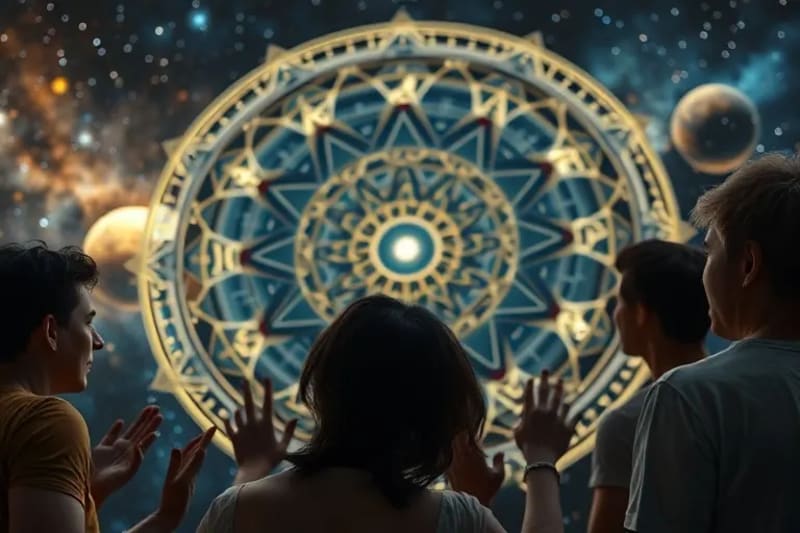
Exploring the intricate relationship between human curiosity, celestial patterns, and the emerging influence of artificial intelligence in understanding our cosmic journey.
Conceptual AI render, blending futuristic technology with ancient astrological symbols, created to illustrate the article's core themes.Astrology, at its core, is a symbolic language that interprets the influence of celestial bodies on human affairs and the natural world. It has been practiced for millennia, evolving through various cultures and methodologies. The introduction of AI into this domain promises to process vast amounts of data, identify complex patterns, and potentially offer highly personalized and precise predictions. However, this technological leap is not without its pitfalls, particularly concerning the ethical implications of how these systems are designed, trained, and deployed.
Table of Contents
- The Rise of AI in Astrological Practices
- Understanding Algorithmic Bias in Astrological AI
- Preserving Spiritual Integrity in AI-Driven Astrology
- Data Privacy and Ethical AI Development
- The Human Element: Intuition vs. Algorithm
- Navigating the Future of AI and Astrology
- Frequently Asked Questions About AI in Astrology
The Rise of AI in Astrological Practices
The application of AI in astrology is a natural progression of technology meeting ancient knowledge. Historically, astrologers relied on complex calculations, ephemerides, and extensive study to interpret natal charts and predict trends. With AI, these laborious tasks can be automated, allowing for instantaneous chart generation, aspect analysis, and even predictive modeling based on vast historical data sets. This efficiency can make astrology more accessible to a broader audience, democratizing access to insights that were once the purview of a select few.
AI algorithms can analyze millions of birth charts, correlating planetary positions with life events, personality traits, and societal trends. This capability could potentially uncover subtle patterns that human astrologers might miss, leading to new understandings and more refined predictive models. For instance, an AI could process data from countless individuals to identify common themes associated with specific planetary dignities or fixed stars, offering a statistical validation or new perspective on traditional interpretations. Learn more about specific astrological elements like Fixed Stars in Houses: Destiny Points in Your Natal Chart.
However, the power of AI also brings forth a unique set of ethical considerations. The data used to train these models, the algorithms themselves, and the way results are presented all carry potential biases and implications that must be carefully addressed. The promise of enhanced accuracy must be weighed against the risk of perpetuating or even amplifying existing societal inequalities and misinterpretations.
Understanding Algorithmic Bias in Astrological AI
Algorithmic bias occurs when an AI system produces results that are systematically unfair or discriminatory due to flaws in its design, training data, or implementation. In the context of astrological predictions, this bias can manifest in several ways. If an AI model is trained predominantly on data from a specific cultural, socioeconomic, or demographic group, its predictions might not be accurate or relevant for individuals outside that group. For example, historical astrological texts might reflect societal norms and gender roles that are no longer applicable or considered equitable today.
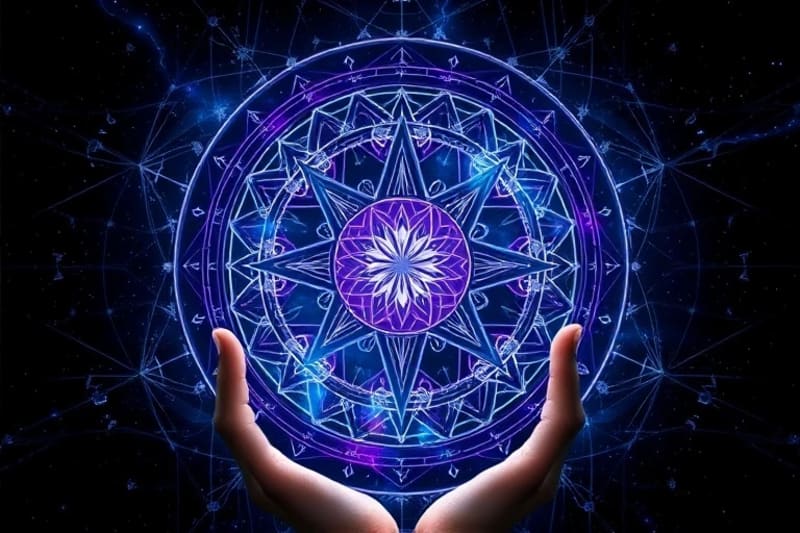
A conceptual visualization of how data, both pristine and flawed, converges to shape the outcomes of AI-driven astrological interpretations.
Digital artwork commissioned to illustrate the subtle yet pervasive nature of bias within complex data systems.Consider the interpretation of certain planetary aspects or house placements. Traditional astrology might associate specific configurations with certain life paths or personality types that were valued differently in past societies. If an AI system simply learns from these historical interpretations without critical evaluation or diverse data input, it could perpetuate outdated or harmful stereotypes. This is particularly relevant when discussing topics like Advanced Dragon Phoenix Compatibility or other relationship dynamics, where cultural biases can heavily influence outcomes.
Furthermore, the very data used to train these AI models—birth times, locations, and corresponding life events—can be inherently biased. Access to accurate birth records, for instance, might vary significantly across different regions or socioeconomic strata. If an AI primarily learns from data sets that overrepresent certain groups, its predictive power for underrepresented groups will inevitably be diminished, leading to less accurate or even misleading astrological readings.
Preserving Spiritual Integrity in AI-Driven Astrology
Astrology is often more than just a predictive tool; it is a spiritual practice, a means of self-discovery, and a framework for understanding one's place in the cosmos. The spiritual integrity of astrology lies in its capacity to offer nuanced guidance, foster introspection, and connect individuals to a larger cosmic narrative. The concern arises that AI, with its purely data-driven approach, might strip away this spiritual depth, reducing complex human experiences to mere algorithms and data points.
A key aspect of spiritual integrity is the role of intuition and empathy, qualities inherent in human astrologers. A human reader can sense the emotional context of a client, offer compassionate advice, and adapt interpretations to individual circumstances in a way that current AI models cannot. While AI can provide factual interpretations, it struggles with the subtle art of spiritual counseling and the empathetic connection that often defines a meaningful astrological reading. This human touch is crucial for practices like Connecting with Spirit Guides: Methods & Practices, where personal connection is paramount.
The risk is that an over-reliance on AI could lead to a commodification of spiritual insights, where personalized guidance is replaced by generic, algorithmically generated horoscopes that lack depth and personal resonance. To maintain spiritual integrity, AI in astrology should be viewed as a tool to augment, rather than replace, human wisdom and intuition. It should facilitate deeper understanding, not dilute the profound spiritual journey that astrology can offer.
Data Privacy and Ethical AI Development
The development of AI for astrological predictions necessitates the collection and processing of highly personal data, including birth dates, times, locations, and potentially even life events or psychological profiles. This raises significant concerns about data privacy and security. Users must be assured that their sensitive information is protected, anonymized where necessary, and not used for purposes beyond their explicit consent. The ethical development of AI in this field demands robust data governance frameworks and transparent data handling practices.
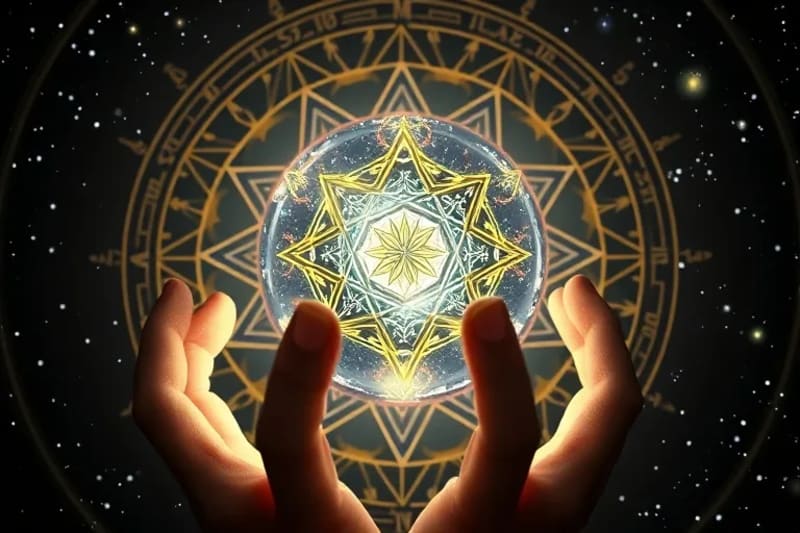
The delicate balance between ancient wisdom and modern technology, reflecting on how AI can integrate without compromising the spiritual core of astrological practice.
A 3D rendered conceptual image, exploring the fusion of mystical tools with digital patterns to represent ethical AI in spiritual contexts.Ethical AI development also requires transparency about how models are trained and what data sources are utilized. Users should have the right to understand the limitations of an AI-generated reading, including potential biases or the scope of its predictive capabilities. This transparency builds trust and empowers individuals to critically evaluate the information they receive. Without it, there's a risk of creating "black box" systems whose pronouncements are accepted without question, potentially leading to misinformed decisions or undue influence on individuals' lives.
Furthermore, developers must consider the potential for misuse of AI-generated astrological insights. Predictive information, if used unethically, could lead to discrimination in areas like employment, insurance, or personal relationships. Safeguards must be in place to prevent such outcomes, ensuring that AI in astrology serves as a tool for empowerment and self-understanding, not control or judgment. This ethical consideration extends to all forms of predictive analysis, including Monthly Western Horoscope: General Forecasts for All 12 Signs.
The Human Element: Intuition vs. Algorithm
The debate between intuition and algorithm is central to the ethics of AI in astrology. Human astrologers bring a unique blend of knowledge, experience, intuition, and empathy to their practice. They can interpret symbolic language in a fluid, context-dependent manner, understanding that a single planetary aspect can manifest in countless ways depending on an individual's life circumstances, cultural background, and personal choices. This nuanced interpretation is often where the deepest insights and spiritual guidance emerge.
AI, by contrast, excels at pattern recognition and statistical correlation. It can identify recurring themes across vast datasets but lacks the capacity for genuine intuition, subjective understanding, or the ability to engage in a meaningful dialogue that addresses a client's specific emotional or spiritual needs. While an algorithm might tell you what is statistically likely, a human astrologer can help you understand what it means for your unique journey and how to navigate those energies with conscious choice.
The ideal scenario might involve a synergistic approach where AI handles the complex calculations and identifies broad patterns, freeing human astrologers to focus on the interpretive, intuitive, and counseling aspects of their work. This collaboration could enhance the accuracy and depth of astrological readings while preserving the invaluable human element that connects individuals to their spiritual path. The intuitive aspects of astrology are deeply tied to understanding personal emotional landscapes, much like the insights offered by Moon Astrology: Emotions, Intuition, Inner Self Guide.
Navigating the Future of AI and Astrology
The future of AI in astrological predictions requires a thoughtful and ethical approach. It is not about choosing between technology and tradition, but rather finding ways for them to complement each other responsibly. Key principles for navigating this future include:
- Transparency: Clearly communicate how AI models are trained, their data sources, and their limitations.
- Accountability: Establish clear lines of responsibility for the accuracy and ethical implications of AI-generated astrological content.
- Bias Mitigation: Actively work to identify and reduce algorithmic biases by using diverse and representative training data and regularly auditing model performance.
- Human Oversight: Ensure that human astrologers or experts remain in the loop, providing oversight, interpretation, and personalized guidance.
- Spiritual Preservation: Design AI tools that enhance, rather than diminish, the spiritual and introspective aspects of astrology.
- User Empowerment: Provide users with control over their data and the ability to critically evaluate AI-generated insights.
By adhering to these ethical guidelines, the integration of AI into astrological practices can evolve in a way that respects ancient traditions, leverages technological advancements, and ultimately serves the highest good of individuals seeking cosmic guidance. The goal should be to create tools that empower self-understanding and spiritual growth, rather than simply automating predictions.
Frequently Asked Questions About AI in Astrology
Here are some common questions regarding the ethical implications of AI in astrological predictions:
| Question | Answer |
|---|---|
| Can AI truly understand spiritual concepts in astrology? | AI excels at pattern recognition and data analysis, but it lacks consciousness, intuition, and the capacity for spiritual understanding. It can process symbolic data but cannot grasp the subjective, experiential, or empathetic dimensions of spiritual concepts. |
| How can we ensure AI astrological predictions are unbiased? | Ensuring unbiased predictions requires diverse, representative training data, regular auditing of algorithms for fairness, and transparent development practices. Human oversight is crucial to identify and correct biases that AI might perpetuate from historical data. |
| Will AI replace human astrologers? | It is unlikely AI will fully replace human astrologers. While AI can automate calculations and identify patterns, the nuanced interpretation, empathetic guidance, and spiritual counseling provided by human astrologers remain irreplaceable. AI is best viewed as a powerful tool to assist, not substitute, human expertise. |
| What are the main data privacy concerns with AI astrology? | The main concerns include the collection of sensitive personal data (birth details, life events), potential for data breaches, and the misuse of predictive insights. Robust data protection, anonymization, and clear consent mechanisms are essential. |
Explore More Esoteric Insights
Delve deeper into the fascinating world of astrology and spiritual practices with our curated selection of articles:
- Spirit Guides: Connecting Celestial Team Guidance
- Urban Geomancy Celestial Alignment Well-being City
- Planetary Dignities Medical Astrology: Diagnosing Constitutional Strengths
- Pig Zodiac Advanced Insights: Abundance, Generosity
- Chinese Zodiac Modern Spirituality Yearly Predictions
- Inter-Elemental Relationships Astrology: Compatibility Harmony Strategies
- Connecting with Ancestors: Rituals for Guidance and Healing
- Lunar Oracle: Advanced Mansions Predictive Astrology Life Events
- 11th House Astrology: Friendships, Hopes, Social Networks
- Ox Zodiac Personalities: Traits, Influence & Famous Figures
Related Insights from Our Network
Expand your knowledge with these articles from our partner blogs:
- Piscis El Soñador: Espiritualidad, Intuición y Compasión | AstroFuturo
- Serpiente Horóscopo Chino: Mitología, Cultura y Simbolismo Profundo | AstroFuturo
- Astrología Cronobiológica: Sincroniza Ritmos Internos Ciclos Planetarios
Source: Hybrid content assisted by AI and human editorial supervision.


Comments
Post a Comment