
AI Dream Interpretation: Ethical Algorithmic Subconscious Symbolism
AI Dream Interpretation: Ethical Algorithmic Subconscious Symbolism
The intersection of artificial intelligence and dream interpretation marks a fascinating frontier, promising unprecedented insights into the human subconscious. As AI models become increasingly sophisticated, their ability to process vast amounts of data and identify complex patterns extends to the realm of dreams, offering new avenues for understanding our inner worlds. This convergence, however, is not without its intricate ethical considerations, demanding careful navigation to ensure responsible development and application.
Dream interpretation, a practice rooted in ancient civilizations and formalized in modern psychology, seeks to uncover the hidden meanings behind our nocturnal narratives. With AI, the potential to move beyond subjective human analysis towards more objective, data-driven insights becomes a tangible possibility. Yet, this technological leap brings forth a unique set of challenges concerning privacy, bias, and the very nature of human consciousness.
Understanding AI in Dream Interpretation
Algorithmic Approaches to Subconscious Symbolism
Ethical Dilemmas in AI Dream Analysis
Bias and Privacy Concerns
The Human Element and AI Collaboration
The Future of AI and Dreams
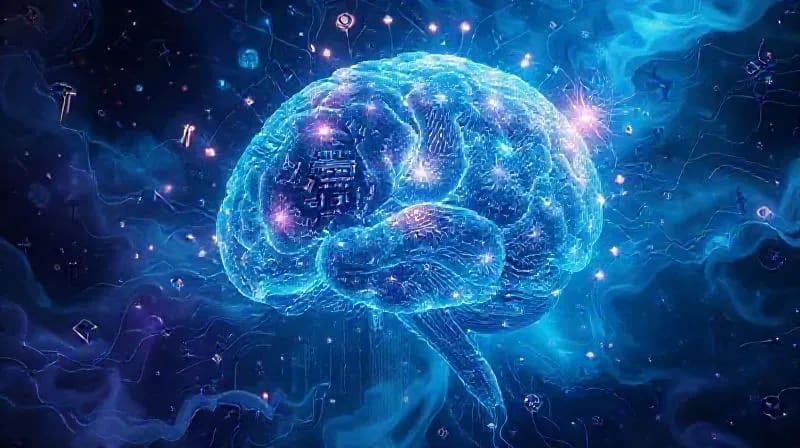
Visualizing the intricate dance between artificial intelligence and the human subconscious, where algorithmic processes attempt to decipher the complex tapestry of dream symbolism.
This conceptual rendering, generated by an advanced AI, illustrates the abstract nature of machine learning applied to the interpretation of dreams, blending technological elements with ethereal, symbolic imagery under a public domain equivalent license.Understanding AI in Dream Interpretation
Artificial intelligence, particularly through machine learning and natural language processing (NLP), offers powerful tools for analyzing complex, unstructured data. In the context of dreams, this data can include detailed dream narratives, emotional responses, and even physiological data collected during sleep. AI algorithms can identify recurring themes, patterns, and correlations that might be imperceptible to human analysis alone, providing a quantitative dimension to an inherently qualitative field.
The process typically involves feeding vast datasets of dream reports, along with associated personal contexts and psychological profiles, into AI models. These models are trained to recognize symbolic representations, emotional tones, and narrative structures. For instance, an AI might learn to associate certain dream elements with specific psychological states or life events, based on patterns observed across millions of dream entries.
The goal is not to replace human intuition but to augment it, offering a complementary perspective. AI can highlight statistical probabilities and connections, allowing human interpreters to focus on the nuanced, individual context that makes each dream unique. This partnership could potentially lead to more comprehensive and personalized dream analyses, moving beyond generalized symbol dictionaries.
Algorithmic Approaches to Subconscious Symbolism
The subconscious mind communicates through symbols, metaphors, and narratives that defy simple logical translation. AI algorithms tackle this by employing various techniques to deconstruct and interpret these complex layers:
Natural Language Processing (NLP): This is crucial for analyzing textual dream reports. NLP models can identify keywords, extract entities (people, places, objects), and gauge sentiment (emotions) within the narrative. Advanced NLP can even detect subtle linguistic patterns that might indicate underlying psychological states.
Pattern Recognition: AI excels at finding recurring patterns across large datasets. In dreams, this means identifying common symbols, narrative arcs, or emotional trajectories that appear across an individual's dreams over time, or even across different individuals with similar life experiences.
Contextual Analysis: Beyond mere symbols, AI can attempt to understand the context in which symbols appear. For example, dreaming of water can have vastly different meanings depending on whether it's a calm lake, a raging storm, or a refreshing drink. AI models can be trained to consider these contextual nuances.
Predictive Modeling: In some experimental applications, AI might attempt to predict future psychological trends or potential stressors based on dream patterns. This is a highly sensitive area, requiring extreme caution and ethical oversight, as misinterpretations could have significant impacts.
These algorithmic approaches aim to build a more comprehensive "map" of subconscious symbolism, potentially revealing universal archetypes or highly personalized meanings. The challenge lies in ensuring that these interpretations remain flexible and adaptable to individual experiences, rather than imposing rigid, generalized conclusions.
Ethical Dilemmas in AI Dream Analysis
The intimate nature of dreams means that their interpretation by AI raises profound ethical questions. The subconscious is a deeply personal and vulnerable space, and any technological intrusion must be handled with the utmost care and respect. One primary concern is the potential for misinterpretation or over-interpretation by algorithms that lack true understanding or empathy.
The intricate challenge of safeguarding personal data and privacy when artificial intelligence delves into the highly sensitive realm of individual subconscious experiences.
This AI-generated abstract digital art visualizes the critical need for robust data security protocols in dream analysis, emphasizing the protection of intimate psychological insights, presented under a creative commons license.Another significant dilemma revolves around the potential for AI to influence or manipulate human behavior. If an AI can accurately discern deep-seated fears, desires, or unresolved conflicts from dreams, there is a risk that this information could be misused. This could range from targeted advertising based on subconscious preferences to more insidious forms of psychological manipulation, raising serious questions about individual autonomy.
Furthermore, the ownership and control of dream data are critical. Who owns the insights derived from an individual's dreams by an AI? If these insights are used for commercial purposes, how is the individual compensated or protected? These questions touch upon broader discussions about data sovereignty and the ethical boundaries of data exploitation in the digital age.
The ethical framework for AI in dream interpretation must prioritize user consent, transparency, and the prevention of harm. Users must have a clear understanding of how their dream data is collected, analyzed, and used, and they should have the right to opt-out or delete their data at any time. The algorithms themselves should be auditable and explainable, allowing for scrutiny of their decision-making processes.
Bias and Privacy Concerns
Like all AI systems, dream interpretation algorithms are susceptible to bias. If the training data primarily consists of dream reports from a specific demographic, the AI's interpretations may not be accurate or relevant for individuals from different cultural, social, or psychological backgrounds. This could lead to misdiagnoses, inappropriate advice, or a reinforcement of existing societal biases, undermining the very purpose of personalized insight.
For example, symbols that hold significant meaning in one culture might be misinterpreted or completely overlooked by an AI trained on data from another. Addressing this requires diverse and representative datasets, along with continuous auditing and refinement of the algorithms to detect and mitigate bias. This is a complex challenge, as subconscious symbolism can be deeply intertwined with cultural narratives and personal experiences.
Privacy is another paramount concern. Dream reports often contain highly sensitive personal information, including fears, traumas, desires, and intimate relationships. The collection, storage, and processing of such data by AI systems must adhere to the highest standards of data security and privacy protection. Unauthorized access or data breaches could have devastating psychological and social consequences for individuals.
Regulations like GDPR and HIPAA provide some frameworks for protecting personal data, but the unique sensitivity of dream data may require additional safeguards. Anonymization and encryption are crucial, but even anonymized data can sometimes be re-identified. Therefore, robust ethical guidelines and legal frameworks are essential to prevent the exploitation or misuse of this deeply personal information. Understanding how to navigate these challenges is vital, similar to how one might approach accessing universal knowledge and soul records, where ethical boundaries are equally important.
The Human Element and AI Collaboration
Despite the advancements in AI, the human element remains indispensable in dream interpretation. Dreams are not merely data points; they are expressions of a living, breathing, conscious being with unique experiences, emotions, and a personal history. An AI can identify patterns, but it cannot truly understand the subjective experience of dreaming or the profound personal significance a symbol might hold for an individual.

A contemplative arrangement symbolizing the harmonious integration of ancient wisdom, personal reflection, and advanced artificial intelligence in the contemporary pursuit of dream understanding.
This conceptual still-life, rendered by AI, elegantly captures the dialogue between traditional dream journaling and modern algorithmic analysis, offered under a CC0 equivalent license.The most promising path forward involves a collaborative approach, where AI acts as a powerful analytical assistant to human dream interpreters or therapists. AI could provide initial analyses, highlight significant patterns, or suggest potential interpretations based on vast knowledge bases. The human expert would then integrate these insights with their understanding of the individual's life, cultural background, and emotional state, offering a holistic and empathetic interpretation.
This collaboration could also extend to personal growth. Individuals using AI dream interpretation tools could gain initial insights, which they then reflect upon or discuss with a human professional. This iterative process fosters self-discovery and ensures that the technology serves as a tool for empowerment, rather than a definitive authority. Engaging with one's subconscious, whether through dreams or practices like breathwork for emotional release, often benefits from a guided, human touch.
The Future of AI and Dreams
The future of AI in dream interpretation is likely to be characterized by increasing sophistication and a greater emphasis on ethical guidelines. We may see the development of more nuanced AI models capable of understanding individual symbolic lexicons, adapting to personal growth, and even recognizing the impact of global events and trends on collective dream patterns.
Research into neuro-AI interfaces could also emerge, potentially allowing for more direct, non-linguistic capture of dream content, though this raises even more profound ethical and philosophical questions about the nature of consciousness and digital intrusion. The development of robust ethical frameworks, regulatory bodies, and public education will be crucial to guide this evolution responsibly.
Ultimately, the goal should be to leverage AI's analytical power to enhance human understanding and well-being, without compromising privacy, fostering bias, or diminishing the profound personal significance of our dream lives. As we continue to explore the depths of the subconscious, AI can be a valuable companion, provided it is wielded with wisdom, empathy, and a strong ethical compass.
Explore More Insights into Consciousness and Technology
Delve deeper into related topics that bridge the gap between ancient wisdom and modern innovation. Our curated collection offers further reading on how technology and spiritual practices intertwine to illuminate the human experience.
Overcoming Automatic Writing Blocks: Advanced Psychic Development
Biohacking Astrológico: Optimización Personal Ritmos Celestes
Source: Hybrid content assisted by AI and human editorial supervision.


Comments
Post a Comment