
AI Dream Interpretation: Unlocking Subconscious Insights
The Rise of AI in Dream Interpretation: Unlocking Subconscious Insights with Algorithmic Intuition
Dream interpretation, an ancient practice rooted in understanding the hidden messages of the subconscious mind, is undergoing a profound transformation with the advent of artificial intelligence. For centuries, humans have sought to decipher the cryptic narratives that unfold during sleep, believing them to hold keys to our deepest fears, desires, and unresolved conflicts. From ancient civilizations consulting oracles to modern psychology's exploration of symbolic landscapes, the quest for meaning in dreams has been a constant.
Today, AI is stepping into this enigmatic realm, offering new tools and perspectives. By leveraging advanced algorithms, machine learning, and natural language processing, AI systems are beginning to analyze dream narratives with unprecedented speed and objectivity, promising to unlock subconscious insights that were once the exclusive domain of human intuition and extensive psychological training. This technological leap represents a paradigm shift, moving dream analysis from purely subjective interpretation to a more data-driven and potentially universal understanding.
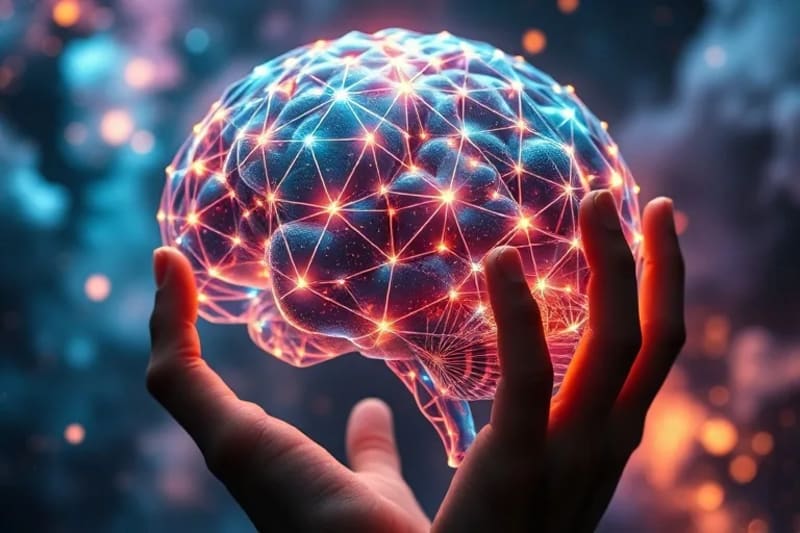
Exploring the intricate dance between neural networks and the abstract landscapes of human dreams, revealing the potential for algorithmic intuition to decode subconscious messages.
This conceptual image is an AI-generated render, illustrating the complex interplay of technology and the human psyche, provided under a creative commons license.Table of Contents
- Historical Foundations of Dream Interpretation
- How AI Interprets Dreams: Algorithmic Approaches
- Benefits of AI-Powered Dream Analysis
- Challenges and Ethical Considerations
- The Future of Algorithmic Intuition in Dreamwork
- Practical Applications and Real-World Impact
- AI vs. Traditional Dream Interpretation: A Comparative View
- Frequently Asked Questions About AI Dream Interpretation
Historical Foundations of Dream Interpretation
Before delving into the digital age of dream analysis, it is crucial to acknowledge the rich history that precedes it. Ancient Egyptians, Greeks, and Romans all attributed divine or prophetic significance to dreams, often employing specialized priests or seers for their interpretation. Dreams were seen as direct communications from deities or as omens for future events, influencing everything from political decisions to personal health.
In more recent history, the late 19th and early 20th centuries saw the rise of psychoanalytic theories, most notably from Sigmund Freud and Carl Jung. Freud's "The Interpretation of Dreams" (1899) posited that dreams are the "royal road to the unconscious," a disguised fulfillment of repressed wishes. He introduced concepts like manifest content (the dream as remembered) and latent content (the underlying, hidden meaning).
Carl Jung, a contemporary of Freud, expanded on these ideas, introducing the concept of the collective unconscious and archetypes. For Jung, dreams were not merely wish fulfillment but symbolic expressions of universal patterns and innate human experiences, guiding individuals towards self-realization. These foundational theories, while differing in their specifics, established dream interpretation as a vital tool for psychological exploration, laying the groundwork for future advancements, even those involving artificial intelligence.
How AI Interprets Dreams: Algorithmic Approaches
The core of AI dream interpretation lies in its ability to process and analyze vast amounts of data, identifying patterns and correlations that might escape human observation. This process typically involves several key algorithmic approaches:
- Natural Language Processing (NLP): When a user inputs a dream narrative, NLP algorithms parse the text, identifying key entities (people, objects, places), actions, emotions, and symbolic elements. It can recognize metaphors, analogies, and the emotional tone of the dream, breaking down complex narratives into quantifiable data points.
- Machine Learning (ML) for Pattern Recognition: AI systems are trained on extensive databases of dream journals, psychological studies, and symbolic dictionaries. Through machine learning, they learn to associate specific dream elements (e.g., flying, falling, teeth falling out) with common psychological interpretations or recurring themes. The more data they process, the more refined their pattern recognition becomes.
- Neural Networks for Deeper Connections: Deep learning models, a subset of machine learning, utilize neural networks to identify more subtle and complex connections within a dream. These networks can uncover non-obvious relationships between symbols, personal experiences, and emotional states, mimicking the intuitive leaps a human therapist might make but with a data-driven foundation.
- Contextual Analysis: Beyond individual symbols, AI can analyze the broader context of a dream, including the narrative flow, recurring motifs across multiple dreams, and the user's waking life circumstances (if provided). This allows for a more holistic interpretation, moving beyond simple symbol-to-meaning mapping.
The integration of these technologies allows AI to move beyond simplistic dream dictionaries, offering interpretations that are increasingly nuanced and personalized. For instance, an AI could differentiate between the meaning of "flying" for someone who feels liberated versus someone who feels out of control, based on other elements within their dream narrative and their personal history.
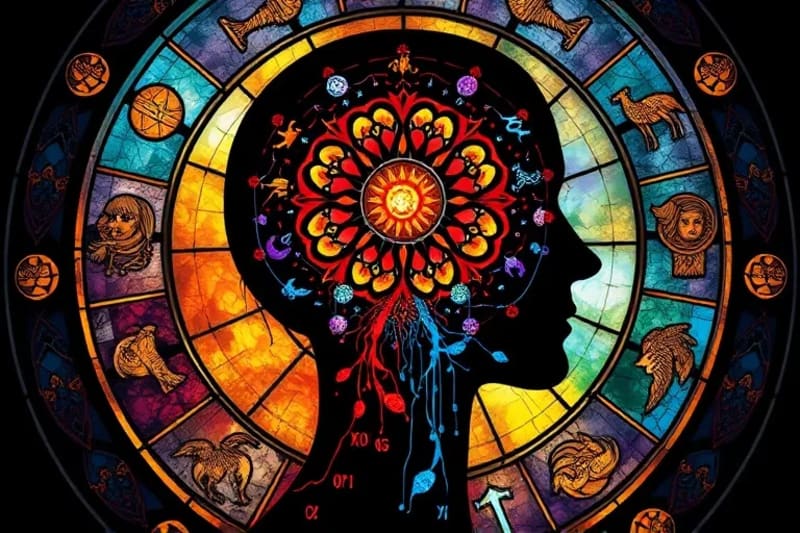
Visualizing the intricate process where raw dream data is algorithmically transformed into meaningful insights, revealing the hidden patterns of the subconscious.
This digital artwork, created by AI, captures the essence of data-driven dream analysis, available for use under a public domain equivalent license.Benefits of AI-Powered Dream Analysis
The application of AI to dream interpretation brings forth several compelling advantages that can enhance our understanding of the subconscious. One of the primary benefits is the sheer speed and efficiency with which AI can process complex dream narratives. Unlike human analysts who require significant time and effort to delve into a dream, AI can provide instant, comprehensive interpretations.
Furthermore, AI offers a level of objectivity that human interpretation, by its very nature, often struggles to achieve. Human therapists, despite their training, can inadvertently introduce their own biases, experiences, or theoretical frameworks into an interpretation. AI, on the other hand, relies on data and algorithms, providing a more neutral and consistent analysis. This can be particularly beneficial in identifying recurring themes or patterns across multiple dreams over time, which might be harder for an individual to track manually.
Accessibility is another significant advantage. Professional dream analysis can be costly and not readily available to everyone. AI-powered tools can democratize access to these insights, making self-discovery and psychological exploration more attainable for a wider audience. This aligns with the broader trend of digital wellness tools, offering personalized insights at a fraction of the cost and with greater convenience. The rise of AI in various fields, including Cosmic Sociology in the Digital Age, demonstrates its pervasive impact on understanding complex human systems.
Finally, AI's capacity for personalized insights is unparalleled. By continuously learning from a user's input and feedback, AI models can adapt their interpretations to the individual's unique psychological landscape, life experiences, and cultural background. This iterative learning process allows for increasingly accurate and relevant analyses, moving beyond generic symbol meanings to truly reflect the individual's subconscious narrative.
Challenges and Ethical Considerations
While the potential of AI in dream interpretation is vast, it is not without its challenges and ethical dilemmas. One of the primary concerns revolves around data privacy and security. Dream narratives often contain highly personal and sensitive information. Ensuring that this data is collected, stored, and processed securely, without compromising user anonymity, is paramount. Robust encryption and strict data governance policies are essential to build user trust.
Another significant challenge is the potential for misinterpretation or over-reliance on AI-generated insights. Dreams are inherently subjective and often defy purely logical analysis. AI, while sophisticated, may struggle with the subtle nuances of human emotion, cultural context, and individual life experiences that can profoundly alter a dream's meaning. There is a risk that users might take AI interpretations as definitive truths, potentially overlooking deeper, more personal insights that require human introspection or professional guidance.
The "black box" problem of AI also presents a hurdle. Understanding how a complex neural network arrives at a particular interpretation can be difficult, making it challenging to verify the validity or reasoning behind its conclusions. This lack of transparency can hinder trust and make it difficult for users or professionals to critically evaluate the AI's output. Furthermore, the ethical implications of AI influencing psychological well-being require careful consideration; for instance, the impact of AI on Planetary Transits and Shadow Work could be profound if not handled responsibly.
Finally, there's the question of emotional nuance and empathy. A human therapist brings empathy, intuition, and the ability to engage in a therapeutic dialogue that an AI cannot replicate. Dreams often touch upon deep emotional wounds or complex psychological states that require a sensitive, human touch. While AI can provide analytical insights, it cannot offer the emotional support or therapeutic relationship that is often crucial for processing profound dream experiences.
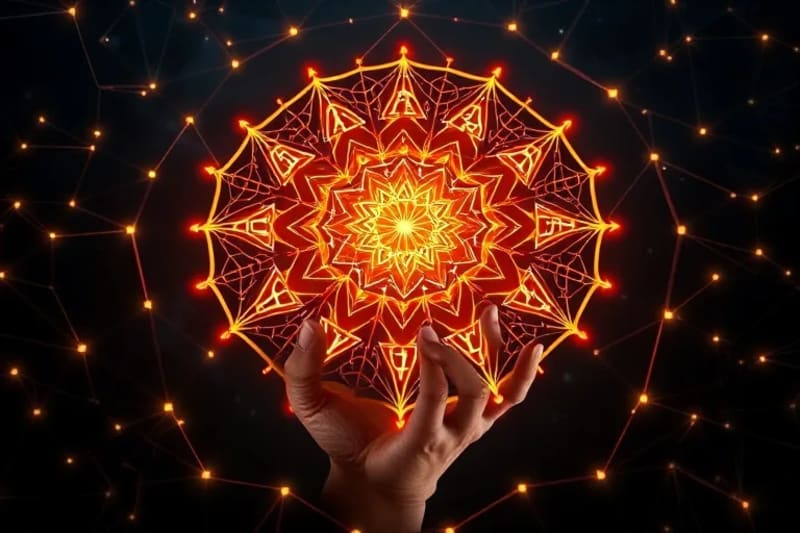
An abstract conceptualization of the subconscious mind as a network of interconnected insights, where algorithmic intuition illuminates hidden meanings within dream symbolism.
This 3D render, generated by an AI, visually encapsulates the abstract nature of subconscious exploration and is offered under a general-use license.The Future of Algorithmic Intuition in Dreamwork
Looking ahead, the role of AI in dream interpretation is likely to evolve into a sophisticated partnership with human expertise rather than a complete replacement. The future may see AI tools becoming advanced assistants for therapists, helping them to quickly identify patterns, cross-reference symbolic meanings, and track long-term dream evolution for their clients. This hybrid approach could combine the efficiency and objectivity of AI with the empathy and nuanced understanding of human professionals.
Further advancements in AI could lead to more sophisticated predictive models. By analyzing a user's dream patterns alongside their waking life data (with explicit consent and privacy safeguards), AI might be able to identify potential psychological stressors, emerging emotional states, or even provide early warnings for mental health challenges. This could transform dream analysis into a proactive tool for mental well-being, complementing practices like Guided Meditation for Planetary Well-being.
Moreover, the integration of AI dream interpretation with other wellness technologies, such as biofeedback devices or personalized meditation apps, could create a holistic ecosystem for self-discovery. Imagine an AI that not only interprets your dreams but also suggests specific mindfulness exercises or therapeutic interventions based on those insights. The potential for personalized growth and enhanced self-awareness is immense, making the subconscious more accessible than ever before.
Practical Applications and Real-World Impact
The practical applications of AI in dream interpretation extend beyond individual self-help. In therapeutic settings, AI can serve as an invaluable diagnostic aid, helping psychologists to identify underlying issues more quickly and efficiently. By providing a data-driven overview of a client's dream landscape, therapists can focus their sessions on the most pertinent themes, enhancing the effectiveness of treatment.
For individuals, AI dream apps can act as personal dream journals with built-in analytical capabilities. These tools can help users track their dream patterns, understand recurring symbols, and gain a deeper appreciation for their inner world. This self-discovery process can be empowering, fostering greater self-awareness and personal growth. It also opens avenues for exploring topics such as Techno-Shamanism and Digital Healing, where ancient wisdom meets modern technology.
Beyond therapy and self-help, AI-powered dream analysis could also find applications in creative fields. Writers, artists, and musicians often draw inspiration from their dreams. An AI tool could help them extract core themes, imagery, and emotional tones from their dream narratives, providing a unique wellspring for creative projects. This could lead to new forms of art and storytelling, directly influenced by the algorithmic interpretation of the subconscious.
AI vs. Traditional Dream Interpretation: A Comparative View
To better understand the distinct contributions of AI, it's helpful to compare its approach with traditional methods of dream interpretation. Both have their strengths and limitations, and an integrated approach may ultimately yield the most comprehensive insights.
| Feature | AI Dream Interpretation | Traditional Dream Interpretation (Human Analyst) |
|---|---|---|
| Speed & Efficiency | Instantaneous analysis of large datasets; rapid pattern identification. | Time-consuming, requiring focused attention and multiple sessions. |
| Objectivity | Data-driven, minimizes human bias, consistent interpretations. | Subject to analyst's biases, experiences, and theoretical leanings. |
| Personalization | Learns from user input over time, adapts interpretations to individual data. | Highly personalized, based on direct dialogue and therapeutic relationship. |
| Emotional Nuance | Can identify emotional tones but struggles with deep empathy and subjective feeling. | Excels in understanding and processing complex emotions, provides empathy. |
| Accessibility | Widely accessible via apps and online platforms, often at lower cost. | Limited by availability of qualified professionals and cost. |
| Ethical Concerns | Data privacy, potential for misinterpretation, "black box" problem. | Confidentiality, potential for transference, ethical boundaries of therapeutic relationship. |
| Source of Insight | Algorithmic patterns, statistical correlations, vast databases. | Intuition, psychological theories, personal experience, therapeutic dialogue. |
The table above illustrates that AI and traditional methods are not necessarily in competition but can be seen as complementary. AI can handle the heavy lifting of data analysis and pattern identification, providing a solid foundation, while human expertise can add the layers of emotional depth, contextual understanding, and therapeutic interaction that AI currently lacks.
Frequently Asked Questions About AI Dream Interpretation
As AI continues to integrate into the esoteric and psychological realms, common questions arise regarding its capabilities and limitations. Understanding these aspects is crucial for anyone considering using AI tools for dream analysis.
Can AI truly understand the subjective nature of dreams?
AI can analyze patterns, symbols, and emotional tones within dream narratives, providing data-driven interpretations. While it excels at identifying correlations and common meanings, it still struggles with the deeply subjective, personal, and nuanced emotional context that a human therapist brings. AI offers a valuable analytical perspective, but not the full empathetic understanding of human consciousness.
How accurate are AI dream interpretations compared to human experts?
The "accuracy" of dream interpretation is complex, as it's not an exact science. AI can be highly accurate in identifying common symbolic meanings and recurring patterns based on its training data. However, human experts often provide deeper, more personalized insights by integrating a client's entire life history, current emotional state, and therapeutic relationship, which AI cannot fully replicate. AI serves as a powerful analytical tool, best used in conjunction with human introspection or professional guidance.
Explore More Insights
- Full Moon Rituals: Zodiac Cleansing Guide
- Astro-Genomics Decoding Ancestral Karmic Blueprints Astrology
- Runes: Ancient Nordic Divination & Symbolism
- Sacred Geometry Practice: Ancient Wisdom for Modern Manifestation
- Feng Shui Digital Spaces Harmonizing Virtual Environments
- Geometría Sagrada Creación Realidades Armónicas
- Tarot Modern Spirituality: Guidance Beyond Tradition
Source: Hybrid content assisted by AI and human editorial supervision.


Comments
Post a Comment