
Ethics AI Dream Interpretation: Subconscious Algorithms
The Ethics of AI in Dream Interpretation: Navigating Subconscious Algorithms and Digital Consciousness
The intersection of artificial intelligence and dream interpretation marks a new frontier in understanding the human mind. As AI technologies become increasingly sophisticated, their application extends beyond mere data processing to delve into the complex, often enigmatic, realm of our subconscious. This development raises profound ethical questions that demand careful consideration, particularly concerning privacy, bias, and the very nature of digital consciousness.
Dream interpretation, a practice spanning millennia across diverse cultures, seeks to uncover hidden meanings and insights from our nocturnal visions. Traditionally, this has been the domain of human experts, from shamans and psychoanalysts to personal reflection. The advent of AI introduces a powerful, albeit impersonal, tool into this deeply personal process, promising efficiency and pattern recognition on an unprecedented scale.
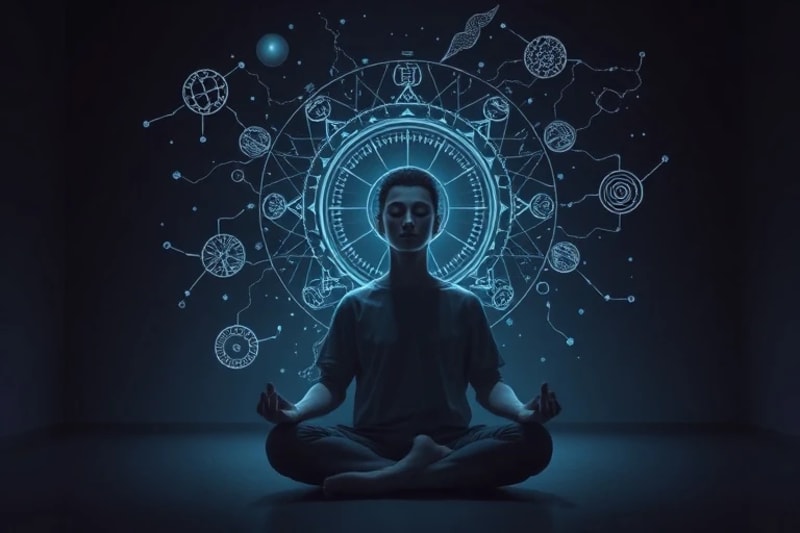 A contemplative journey into the digital subconscious, where ancient dream symbolism meets advanced algorithmic interpretation.
This conceptual rendering, exploring the intricate dance between human thought and artificial intelligence, is presented under a Creative Commons license.
However, the ethical implications of allowing algorithms to analyze and interpret our dreams are vast. These range from the fundamental right to mental privacy to the potential for algorithmic bias to distort our self-perception. Understanding these challenges is crucial as we navigate this evolving technological landscape.
Table of Contents
- Privacy Concerns in Dream Data
- Algorithmic Bias and Interpretation
- The Concept of Digital Consciousness
- Autonomy and Psychological Well-being
- Regulatory Frameworks and Future Directions
Privacy Concerns in Dream Data
The most immediate ethical concern revolves around data privacy. Dreams are inherently private, often containing unfiltered thoughts, fears, and desires that individuals may not consciously acknowledge or wish to share. When these deeply personal narratives are fed into AI systems, they become data points, subject to storage, analysis, and potential misuse.
The collection of dream data, whether through direct input or advanced brain-computer interfaces, raises questions about ownership and consent. Who owns the insights derived from your dreams? Can this data be monetized, shared with third parties, or used for targeted advertising? The potential for exploitation of such intimate information is significant, demanding robust ethical guidelines and legal protections.
Furthermore, the security of this data is paramount. A breach of dream data could expose individuals to unprecedented levels of psychological vulnerability. Imagine a scenario where your deepest anxieties or repressed memories, revealed through AI-interpreted dreams, become public knowledge. This could have devastating consequences for personal reputation, mental health, and even societal trust.
Algorithmic Bias and Interpretation
AI systems are trained on vast datasets, and if these datasets reflect existing societal biases, the AI's interpretations will inevitably perpetuate and even amplify those biases. In dream interpretation, this could manifest in several ways. For instance, if the training data predominantly comes from a specific cultural or demographic group, the AI might misinterpret symbols or themes from other cultural contexts.
Consider the diverse symbolism across cultures; a snake might represent wisdom in one culture and danger in another. An AI not trained on a sufficiently diverse dataset could impose a single, biased interpretation, leading to inaccurate or even harmful insights. This is particularly critical in sensitive areas like mental health, where misinterpretations could lead to inappropriate advice or diagnoses.
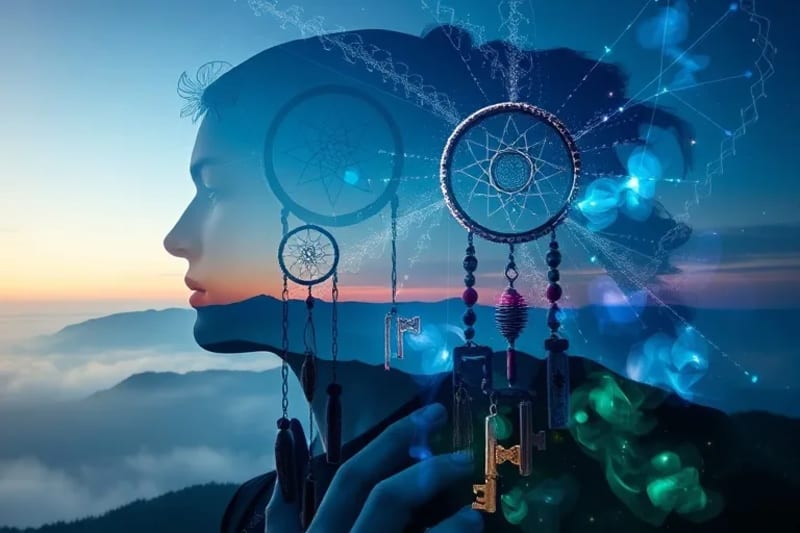 The intricate dance between artificial intelligence and the ancient art of dream interpretation, symbolizing the quest for meaning in the digital age.
Moreover, the "black box" nature of many advanced AI algorithms means that their decision-making processes are often opaque. It can be challenging to understand why a particular interpretation was generated, making it difficult to identify and correct biases. Transparency and explainability in AI models are crucial to ensure fair and accurate dream interpretation, especially when dealing with such personal information.
The Concept of Digital Consciousness
The very act of feeding our subconscious content into AI systems blurs the lines between human and machine consciousness. If an AI can accurately interpret and even predict aspects of our inner world, does it begin to develop a form of "digital consciousness" or at least a profound understanding of human consciousness? This philosophical question has practical implications for how we perceive and interact with these technologies.
As AI models become more sophisticated, they might not just interpret but also influence our dreams or subconscious processes. Imagine an AI designed to offer therapeutic dream interpretations that subtly steer an individual towards certain conclusions or behaviors. This raises concerns about manipulation and the erosion of individual agency.
The concept also touches upon the idea of an extended self. If our dreams, traditionally seen as the most intimate expression of our inner world, are now processed and understood by external algorithms, does this extend our consciousness into the digital realm? This profound shift requires a re-evaluation of what it means to be human in an increasingly interconnected world. For more on how technology shapes our understanding of self, consider exploring topics like AI Divination Ethics.
Autonomy and Psychological Well-being
The reliance on AI for dream interpretation could impact individual autonomy and psychological well-being. Dreams are often a source of personal reflection and self-discovery. The process of interpreting them, even with human guidance, is an active engagement with one's inner world. Outsourcing this to an AI could diminish this crucial aspect of self-exploration.
There is a risk that individuals might become overly dependent on AI interpretations, potentially leading to a reduced capacity for introspection or critical thinking about their own subconscious. If an AI provides a definitive interpretation, it might discourage further personal exploration or challenge, hindering genuine psychological growth. The subtle nuances of human experience, which are often central to dream meaning, can be difficult for algorithms to fully grasp.
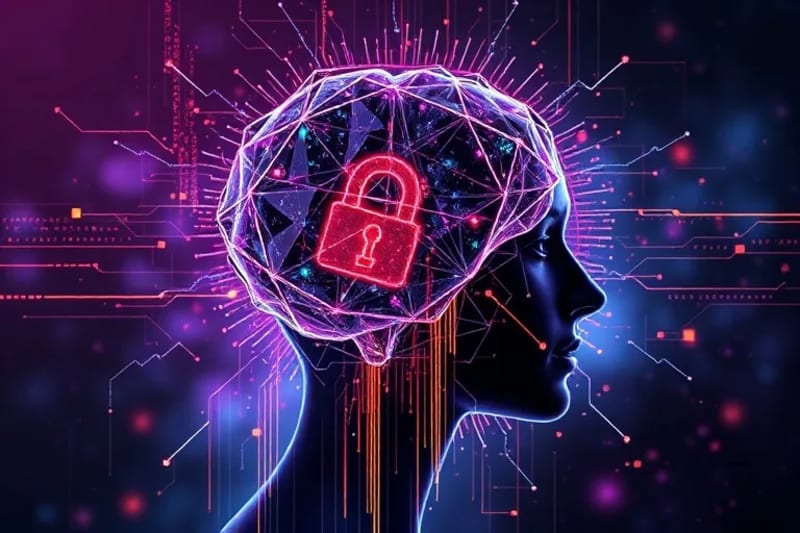 Visualizing the complex ethical considerations as digital information interacts with the very core of human thought and decision-making.
Moreover, the emotional impact of AI interpretations needs consideration. A human therapist can deliver sensitive interpretations with empathy and context. An AI, lacking emotional intelligence, could deliver potentially upsetting or misconstrued interpretations in a blunt manner, causing distress. This highlights the ongoing debate about the role of technology in deeply human experiences, a theme also explored in Mystical Stigmata and Neuroscience.
Regulatory Frameworks and Future Directions
Given the intricate ethical challenges, developing robust regulatory frameworks for AI in dream interpretation is imperative. These frameworks should address data privacy, algorithmic transparency, and accountability. Clear guidelines are needed on how dream data is collected, stored, processed, and shared, ensuring explicit user consent at every stage.
Furthermore, auditing mechanisms should be established to regularly assess AI models for bias and accuracy. This would involve diverse datasets and expert human oversight to ensure that interpretations are culturally sensitive and psychologically sound. The goal should be to augment human understanding, not replace it, fostering a collaborative approach between AI and human expertise.
The future of AI in dream interpretation lies in a balanced approach that harnesses technological capabilities while upholding human values. This includes prioritizing user autonomy, ensuring data security, and actively mitigating algorithmic biases. As we continue to unravel the mysteries of the subconscious, ethical considerations must remain at the forefront of technological innovation. For further insights into complex astrological concepts that touch upon personal journeys, consider reading about Zodiacal Release Life Period Mapping.
Explore More Topics
- Mesoamerican Astrology: Decoding Ancient Calendars Celestial Alignments
- Planetary Stations: Direct & Retrograde Turning Points
- Western Chinese Astrology: Holistic Self-Discovery Guide
- Chrono-Astrology Navigating Ancestral Echoes Personal Time Cycles
- Automatic Writing: Connecting with Spirit Guides
- Alchemical Astrology: Lead to Gold Transmutation
- Zodiac Myths Spiritual Growth: Ancient Wisdom
- Quantum Entanglement Synastry: Non-Local Soul Connections Relationships
- Chiron Houses Healing Wounds Evolutionary Growth Astrology
- Precession Equinoxes Astrological Significance Ages Zodiac
- Cardinal, Fixed, Mutable: Astrological Modalities Explained
Source: Hybrid content assisted by AI and human editorial supervision.


Comments
Post a Comment