
Ancestral Healing Spiritual Lineage Roots Connection Guide | StarPluto
Ancestral healing is a deeply transformative practice that involves connecting with, understanding, and resolving energetic patterns and traumas inherited from our family lineage. This profound journey extends beyond personal experiences, delving into the collective consciousness of our ancestors to uncover wisdom, heal wounds, and reclaim strengths that have been passed down through generations. It is an acknowledgment that we are not isolated beings, but rather intricate threads in a vast tapestry woven by those who came before us, influencing our present realities in myriad ways.
The concept of ancestral healing is rooted in the understanding that experiences, both positive and negative, can leave an energetic imprint that transcends time and space. These imprints, often referred to as intergenerational trauma or ancestral blessings, can manifest in our lives as recurring patterns, unexplained fears, chronic illnesses, or innate talents and strengths. By consciously engaging with our spiritual lineage, we can begin to identify these influences, honor our ancestors' journeys, and facilitate healing not only for ourselves but also for our descendants and the lineage as a whole.
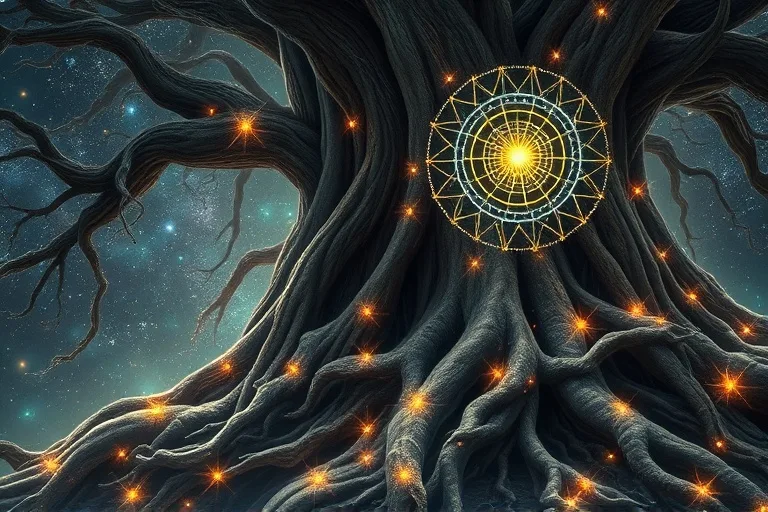
Exploring the intricate connections of our Tarot Quantum Mechanics Intersecting Divination Reality through ancestral healing practices.
This exploration into ancestral healing is not merely a historical inquiry; it is an active, spiritual engagement that seeks to mend what was broken, integrate what was lost, and celebrate the resilience and wisdom embedded within our genetic and energetic blueprint. It offers a pathway to greater self-understanding, personal empowerment, and a deeper sense of belonging within the larger human story. Through various practices, individuals can tap into this rich reservoir of ancestral knowledge, transforming inherited burdens into sources of strength and insight.
As we embark on this journey, it becomes clear that ancestral healing is not about blaming past generations for current challenges, but rather about acknowledging the impact of their experiences and consciously choosing to transform those legacies. It is a compassionate process of understanding, forgiveness, and integration, paving the way for a more harmonious and authentic existence. This article will delve into the core principles, benefits, and practical approaches to ancestral healing, providing a comprehensive guide for those seeking to connect with their spiritual lineage and roots.
Table of Contents
- What is Ancestral Healing?
- Historical and Cultural Perspectives
- The Science of Intergenerational Impact
- Benefits of Connecting with Your Lineage
- Practical Methods for Ancestral Healing
- Navigating Challenges and Ethics
- Integrating Ancestral Wisdom into Modern Life
What is Ancestral Healing?
Ancestral healing is a holistic approach that recognizes the profound influence of our ancestors on our current lives, both consciously and unconsciously. It posits that patterns of behavior, emotional responses, physical ailments, and even life circumstances can be traced back to experiences and unfinished business within our family lineage. This field draws from various spiritual traditions, psychology, and emerging scientific understandings, such as epigenetics.
At its core, ancestral healing is about acknowledging and honoring the past while actively working to release inherited burdens and integrate ancestral gifts. It involves a process of deep introspection, spiritual connection, and often, ritualistic practices designed to communicate with and receive guidance from ancestral spirits. The aim is not to erase history, but to transform its impact, allowing individuals to live more freely and authentically, unencumbered by unresolved issues from their past.
Key components of ancestral healing often include identifying ancestral patterns, understanding their origins, expressing gratitude and forgiveness, and consciously choosing to break cycles that no longer serve one's highest good. It is a journey of self-discovery that simultaneously connects us to a larger collective identity, fostering a sense of belonging and continuity within the grand narrative of our family.
Historical and Cultural Perspectives
The practice of honoring and engaging with ancestors is not new; it is a fundamental aspect of countless indigenous cultures and spiritual traditions worldwide. From ancient shamanic practices to modern spiritual movements, the belief in a continuous connection between the living and the dead has persisted across millennia. Many cultures believe that ancestors can offer guidance, protection, and healing, provided they are respected and remembered.
In African spiritual traditions, for example, ancestor veneration is a cornerstone, with rituals and offerings used to maintain a harmonious relationship with the departed. Similarly, in many Asian cultures, elaborate altars and ceremonies are dedicated to ancestors, seen as vital members of the family who continue to influence daily life. Native American traditions often emphasize the wisdom of elders and the importance of carrying forward the teachings of previous generations.
Discovering hidden wisdom within the echoes of and ancestral legacies.
These diverse practices highlight a universal human need to understand our origins and to feel connected to something larger than ourselves. While the specific rituals may vary, the underlying principle remains consistent: our ancestors are an integral part of who we are, and by acknowledging their presence, we can unlock profound healing and spiritual growth. The modern resurgence of ancestral healing reflects a growing desire to reconnect with these ancient wisdom traditions in a contemporary context.
The Science of Intergenerational Impact
While ancestral healing often operates within a spiritual framework, modern science is increasingly providing evidence for the biological mechanisms through which ancestral experiences can influence descendants. The field of epigenetics, in particular, offers compelling insights into how environmental factors and traumatic events can alter gene expression without changing the underlying DNA sequence. These epigenetic changes can then be passed down through generations.
Research has shown that descendants of trauma survivors, such as Holocaust survivors or individuals exposed to famine, can exhibit higher rates of stress disorders, anxiety, and even altered stress responses, even if they did not directly experience the trauma themselves. This suggests a biological memory of ancestral experiences, influencing health and well-being across generations. This scientific understanding lends a new dimension to the spiritual concept of inherited burdens and blessings.
Furthermore, psychological theories, such as family systems therapy, emphasize how family dynamics and unresolved conflicts can perpetuate patterns across generations. These theories suggest that individuals often unconsciously carry the burdens or roles of their ancestors, leading to repetitive life challenges. Understanding these scientific and psychological underpinnings can deepen our appreciation for the efficacy of ancestral healing practices.
Benefits of Connecting with Your Lineage
Engaging in ancestral healing offers a multitude of benefits that can profoundly impact an individual's life. These advantages extend across emotional, psychological, spiritual, and even physical domains. By consciously addressing ancestral patterns, individuals can unlock a greater sense of peace, purpose, and personal power.
- Resolution of Intergenerational Trauma: Healing inherited wounds such as abandonment, poverty, or chronic illness patterns can lead to significant shifts in personal well-being.
- Enhanced Self-Understanding: Gaining insight into ancestral stories can help explain personal struggles or strengths, fostering a deeper sense of identity.
- Reclamation of Ancestral Gifts: Discovering hidden talents, resilience, and wisdom passed down through the lineage can empower individuals.
- Increased Sense of Belonging: Feeling connected to a larger family history can alleviate feelings of isolation and foster a sense of rootedness.
- Breaking Negative Cycles: Consciously transforming inherited patterns prevents their transmission to future generations.
- Spiritual Growth and Connection: Deepening one's spiritual practice through ancestral veneration and communication.
- Improved Physical Health: Releasing energetic blockages and stress related to ancestral trauma can positively impact physical well-being.
These benefits underscore the transformative power of ancestral healing, offering a pathway to not only personal liberation but also collective healing for the entire family system. It is a process that empowers individuals to become conscious agents of change within their lineage.
Practical Methods for Ancestral Healing
There are numerous ways to engage in ancestral healing, ranging from simple personal practices to more elaborate rituals and therapeutic modalities. The most effective approach often involves a combination of these methods, tailored to individual needs and cultural backgrounds. Here are some widely recognized practices:
Visualizing the intricate web of and spiritual inheritance through abstract art.
- Building an Ancestor Altar: Creating a sacred space with photos, mementos, and offerings to honor and connect with ancestors. This can be a powerful focal point for prayer and meditation.
- Genealogical Research: Investigating family history to uncover names, stories, and significant events that may shed light on inherited patterns. This factual knowledge can ground spiritual work.
- Meditation and Visualization: Engaging in guided meditations to connect with ancestral spirits, seek guidance, or send healing energy to the lineage.
- Rituals and Offerings: Performing specific ceremonies, such as lighting candles, burning incense, or offering food and drink, to show respect and gratitude to ancestors.
- Dream Work: Paying attention to dreams, as ancestors often communicate through symbolic messages in the dream state. Keeping a dream journal can be beneficial.
- Family Constellations: A therapeutic approach that explores hidden family dynamics and systemic patterns, allowing for resolution and healing.
- Journaling and Letter Writing: Writing letters to ancestors, expressing feelings, asking questions, or offering forgiveness can be a cathartic practice.
- Sound Healing: Using specific sounds, chants, or music to facilitate release and connection with ancestral energies.
Each method offers a unique pathway to connect with your spiritual lineage. It is recommended to approach these practices with an open heart, respect, and a willingness to engage with the unknown. Seeking guidance from experienced practitioners can also be invaluable, especially when dealing with complex or deeply rooted ancestral traumas.
Navigating Challenges and Ethics
While ancestral healing offers immense potential for growth, it is not without its challenges and ethical considerations. Approaching this work with sensitivity, respect, and a clear intention is paramount to ensure a safe and beneficial experience. One of the primary challenges can be encountering difficult or painful ancestral stories, which may trigger personal trauma or emotional distress.
It is crucial to engage in ancestral healing with proper self-care and, if necessary, the support of a qualified therapist or spiritual guide. Setting clear boundaries with ancestral spirits and ensuring that practices are conducted from a place of love and respect, rather than fear or obligation, is also vital. The intention should always be for the highest good of all involved, living and departed.
Ethical considerations also include respecting cultural appropriation. When drawing from indigenous or specific cultural practices, it is essential to do so with humility, seeking permission, and understanding the context and traditions. Authenticity and respect for the origins of these practices are key. Furthermore, it is important to remember that not all ancestors may be ready or willing to engage in healing, and respecting their boundaries is part of the process. The focus should always be on healing and integration, not on judgment or blame.
Integrating Ancestral Wisdom into Modern Life
The ultimate goal of ancestral healing is not merely to uncover the past, but to integrate its wisdom into our present lives, thereby shaping a more conscious and empowered future. This integration involves translating the insights gained from ancestral work into practical actions and a renewed perspective on our personal journey. It means embodying the strengths of our lineage while consciously releasing its burdens.
One way to integrate ancestral wisdom is by consciously honoring our roots in daily life. This can be as simple as cooking traditional family recipes, learning about our cultural heritage, or continuing positive family traditions. By doing so, we maintain a living connection to our ancestors, keeping their memory and contributions alive. It also involves recognizing how ancestral gifts manifest in our talents, passions, and resilience, and actively cultivating these aspects of ourselves.
Furthermore, ancestral healing empowers us to become conscious ancestors for future generations. By healing our own inherited traumas and living authentically, we break negative cycles and create a healthier, more supportive energetic legacy for our children and grandchildren. This forward-looking aspect of ancestral work emphasizes our role as stewards of our lineage, ensuring that future generations inherit blessings rather than burdens. It is a continuous journey of growth, remembrance, and transformation.
In conclusion, ancestral healing is a powerful and transformative path that invites us to connect deeply with our spiritual lineage and roots. By understanding the profound impact of our ancestors, both scientifically and spiritually, we gain invaluable insights into our own lives. Through respectful and intentional practices, we can heal intergenerational traumas, reclaim ancestral gifts, and foster a stronger sense of identity and belonging. This journey not only liberates us from past burdens but also empowers us to create a more vibrant and conscious future for ourselves and for generations to come, weaving a tapestry of healing and wisdom that extends far beyond our individual existence.
Fuente: Contenido híbrido asistido por IAs y supervisión editorial humana.


Comments
Post a Comment