
Synastry Family Dynamics: Relational Patterns Explained | StarPluto
Synastry, the astrological art of comparing two or more natal charts, is widely recognized for its insights into romantic relationships. However, its profound utility extends far beyond romantic partnerships, offering an invaluable lens through which to understand the complex tapestry of family dynamics. By examining how the planets, signs, and houses in one family member's chart interact with those in another's, we can uncover deep-seated relational patterns, sources of harmony, and areas of potential conflict, fostering greater empathy and understanding within the family unit.
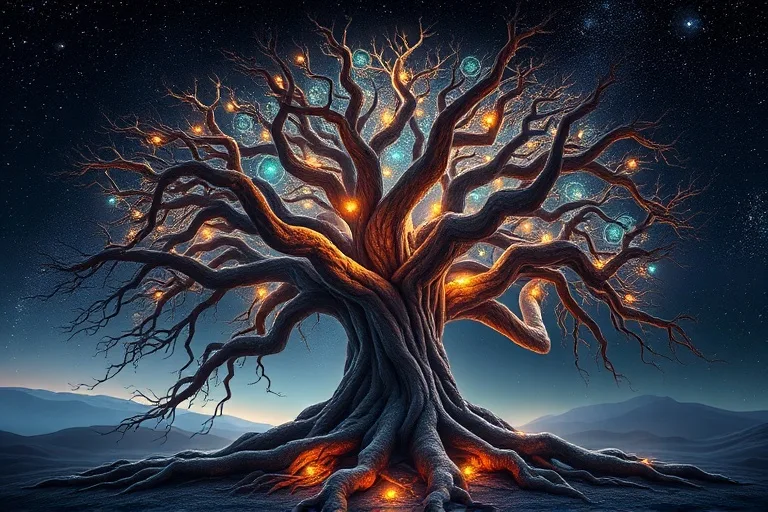
Exploring the intricate web of family connections through the lens of astrological synastry.
What is Family Synastry?
Family synastry involves superimposing the natal charts of two or more family members to analyze the planetary interactions and aspects formed between them. This technique reveals the energetic exchanges, psychological dynamics, and karmic lessons that bind individuals within a family unit. It moves beyond individual personality traits to highlight the unique relational chemistry that exists between parents and children, siblings, and even extended family members, offering a deeper understanding of their roles and interactions.
Unlike general astrological compatibility readings, family synastry often focuses on foundational bonds and the inherited patterns that shape our earliest experiences. It can illuminate why certain family members naturally get along, why others face persistent challenges, and how each individual contributes to the collective family narrative. This astrological tool provides a framework for acknowledging and navigating the inherent complexities of family life, promoting acceptance and growth.
Key Astrological Components in Family Synastry
To conduct a comprehensive family synastry analysis, several astrological components are crucial. These include the planets, their signs, the houses they occupy, and the aspects they form between charts. Each element contributes a layer of meaning to the relational dynamic, painting a holistic picture of the family's energetic interplay.
- Planets: Each planet represents a fundamental psychological function or life area. The Sun signifies ego and identity, the Moon emotions and needs, Mercury communication, Venus love and values, Mars drive and assertion, Jupiter expansion, Saturn structure and challenges, Uranus innovation, Neptune spirituality, and Pluto transformation. Their interactions are central to understanding family dynamics.
- Signs: The zodiac signs describe the mode of expression for each planet. For example, a parent's Moon in Cancer will express emotional needs differently than a child's Moon in Capricorn, influencing their emotional compatibility and understanding.
- Houses: The houses reveal the life areas where planetary energies manifest. When one person's planet falls into another's house, it indicates how that person activates or influences that specific area of the other's life. For instance, a child's Saturn in a parent's 4th house (home and roots) might suggest a sense of responsibility or restriction related to the family foundation.
- Aspects: The angular relationships between planets (conjunctions, squares, trines, oppositions, sextiles) are perhaps the most telling elements. They describe the nature of the interaction—harmonious, challenging, or neutral—between two individuals.
Understanding Parental-Child Relationships
The parent-child bond is often the most formative, and synastry provides profound insights into its complexities. Key indicators include the interaction of the Sun, Moon, and Ascendant, as well as the influence of Saturn.
- Sun-Moon Connections: A parent's Sun conjunct a child's Moon (or vice versa) often indicates a deep, intuitive understanding and emotional resonance. The child feels seen and nurtured by the parent's core identity. Conversely, challenging aspects like squares or oppositions might suggest differing emotional needs or a struggle for individual expression.
- Ascendant Interactions: The Ascendant represents our outer persona and how we approach the world. When one person's planet aspects another's Ascendant, it influences how they perceive and interact with that person. A parent's Mars squaring a child's Ascendant, for example, might indicate a tendency for the parent to push or challenge the child's self-expression.
- Saturn's Role: Saturn often highlights areas of responsibility, discipline, and karmic lessons. A parent's Saturn aspecting a child's personal planets can reveal where the parent imposes structure or limitations, or where the child feels a sense of duty towards the parent. While challenging, these aspects can also foster resilience and maturity. For more on planetary influences, consider exploring Tarot Quantum Mechanics Intersecting Divination Reality.
The intricate workings of family relationships, as revealed by astrological synastry.
Exploring Sibling Dynamics
Sibling relationships are unique, characterized by both rivalry and deep bonds. Synastry can shed light on why some siblings are inseparable while others constantly clash. Mercury, Mars, and Venus are particularly significant in these analyses.
Mercury aspects between siblings can indicate how they communicate and understand each other. Harmonious Mercury aspects suggest easy communication and shared intellectual interests, while challenging aspects might lead to misunderstandings or verbal sparring. Mars interactions reveal their competitive nature, how they assert themselves, and potential areas of conflict. Venus aspects, on the other hand, highlight shared values, affection, and how they express love and appreciation for one another.
For example, a sibling's Mars conjunct another's Sun could indicate a dynamic where one constantly challenges the other's identity, leading to either productive competition or ongoing friction. Conversely, a Venus trine between siblings often fosters a natural sense of affection and mutual support. Understanding these underlying energies can help siblings navigate their relationship with greater awareness and compassion.
Extended Family Connections
While often less intensely analyzed than immediate family, synastry can also illuminate dynamics within extended family. Grandparents, aunts, uncles, and cousins all contribute to the broader family system. Here, the outer planets (Jupiter, Saturn, Uranus, Neptune, Pluto) and their generational aspects can be particularly insightful.
For instance, a grandparent's Jupiter in harmonious aspect to a grandchild's Sun might indicate a relationship filled with wisdom, generosity, and shared philosophical outlooks. Conversely, challenging aspects from outer planets across generations can highlight inherited family patterns, collective challenges, or a drive for societal change that resonates through the lineage. These connections can reveal the intergenerational themes that shape a family's collective journey.
Challenging Aspects and Growth Opportunities
Not all astrological aspects are harmonious, and challenging aspects (squares, oppositions, quincunxes) are often the most potent catalysts for growth. In family synastry, these aspects pinpoint areas of tension, misunderstanding, or friction that require conscious effort and awareness. They are not inherently "bad" but rather indicate lessons to be learned and dynamics to be integrated.
A common challenging aspect is a Moon square Moon, suggesting differing emotional needs and ways of processing feelings. This can lead to frequent emotional clashes if not understood. Saturn aspects, as mentioned, can bring restriction or a sense of burden, but also provide structure and the opportunity to build resilience. Pluto aspects, especially challenging ones, can indicate power struggles, deep psychological complexes, or transformative experiences that profoundly reshape family members. Understanding these aspects allows families to approach difficulties not as insurmountable obstacles, but as opportunities for deeper connection and personal evolution.

The dynamic interplay of emotions and energies that define family relationships.
Harmonious Aspects and Support Systems
Conversely, harmonious aspects (trines, sextiles, conjunctions of benefic planets) highlight areas of natural ease, support, and mutual understanding within the family. These are the "gifts" of the relationship, where energies flow effortlessly and individuals feel naturally supported and appreciated.
Jupiter trines or sextiles to personal planets often indicate a sense of optimism, generosity, and mutual growth. These relationships tend to be expansive and encouraging. Venus trines or sextiles foster affection, shared values, and a pleasant atmosphere. Even Sun-Jupiter or Moon-Jupiter conjunctions can bring a sense of protection and good fortune to the relationship. Recognizing these harmonious connections can help families appreciate their strengths and lean into their natural support systems, especially during challenging times.
The Role of Houses in Family Synastry
When one person's planet falls into another's house, it describes the specific area of life where that planet's energy will be felt. This is a critical layer of synastry, as it contextualizes the planetary interactions within the lived experience of the family.
- 4th House (Home and Roots): Planets falling into a family member's 4th house can profoundly impact their sense of home, security, and family lineage. A parent's Moon in a child's 4th house, for example, might mean the parent deeply influences the child's emotional foundation and sense of belonging.
- 7th House (Relationships and Partnerships): While often associated with romantic partners, the 7th house also governs significant one-on-one relationships, including those within the family structure. A sibling's Mars in another's 7th house could indicate a tendency for direct, assertive, or even competitive interactions within their partnership dynamic.
- Other Houses: Each house offers unique insights. The 2nd house (values, resources), 3rd house (communication, siblings), 5th house (creativity, children), 6th house (daily routines, service), 8th house (shared resources, transformation), 9th house (beliefs, higher education), 11th house (friends, groups), and 12th house (subconscious, hidden matters) all contribute to the intricate web of family interactions.
Practical Applications of Family Synastry
The insights gained from family synastry are not merely theoretical; they offer tangible benefits for improving family relationships. By understanding the underlying astrological dynamics, families can cultivate greater empathy, resolve conflicts more effectively, and strengthen their bonds.
- Enhanced Empathy: Knowing a family member's core emotional needs (Moon sign) or communication style (Mercury sign) through synastry can foster deeper empathy and reduce misunderstandings.
- Conflict Resolution: Identifying challenging aspects can help pinpoint the root causes of recurring conflicts. For example, if Mars squares are prevalent, the family can consciously work on constructive ways to express anger or assertiveness.
- Understanding Roles: Synastry can clarify the natural roles family members play, whether it's the nurturing parent (strong Moon connections), the disciplinarian (Saturn aspects), or the intellectual guide (Mercury emphasis).
- Celebrating Strengths: Harmonious aspects highlight the natural strengths and areas of support within the family, encouraging appreciation and leveraging these positive dynamics.
Limitations and Ethical Considerations
While incredibly insightful, family synastry, like all astrological tools, has its limitations and ethical considerations. It is crucial to approach it with an open mind and a recognition that astrology is a guide, not a definitive pronouncement.
- Not Deterministic: Astrology does not dictate fate. It describes potentials, tendencies, and energetic blueprints. Free will and conscious choices always play a significant role in how these energies manifest.
- Privacy and Consent: When analyzing family charts, it is essential to respect the privacy of each individual. Ideally, all involved parties should consent to the analysis, especially for sensitive topics.
- Avoid Labeling: Synastry should be used to foster understanding, not to label or stereotype family members. Every individual is more than their chart, and complex human behavior cannot be reduced to a few planetary aspects.
- Professional Guidance: For deeply challenging family dynamics, consulting a professional astrologer or family therapist who understands astrological principles can provide nuanced interpretations and support.
Conclusion
Family synastry offers a powerful, illuminating framework for understanding the intricate relational patterns within our most fundamental social unit. By delving into the cosmic blueprint of family charts, we can uncover the unique energetic exchanges, inherent strengths, and growth opportunities that define these bonds. It encourages a deeper sense of empathy, facilitates more effective communication, and ultimately supports the creation of more harmonious and resilient family relationships. Embracing the wisdom of family synastry allows us to navigate the complexities of kinship with greater awareness, compassion, and a profound appreciation for the cosmic connections that bind us.
Fuente: Contenido híbrido asistido por IAs y supervisión editorial humana.


Comments
Post a Comment