
Chinese Zodiac Five Elements Diet: Tailored Nutrition Guide | StarPluto
The quest for optimal health and vitality has led many to explore ancient wisdom traditions, and among the most profound is the synergy between the Chinese Zodiac and the Five Elements theory. This holistic approach, deeply rooted in Traditional Chinese Medicine (TCM), offers a personalized dietary framework designed to harmonize the body, mind, and spirit. It moves beyond generic nutritional advice, suggesting that what one eats should align with their unique elemental constitution, influenced by their birth year's zodiac animal.
This comprehensive guide will delve into how your Chinese Zodiac animal, combined with its inherent elemental characteristics, can inform a dietary strategy to enhance your well-being. We will explore the fundamental principles of the Five Elements in nutrition, offering tailored recommendations to help you achieve balance and vitality.
Understanding Your Chinese Zodiac Animal
The Chinese Zodiac, or Sheng Xiao, is a repeating cycle of 12 years, with each year represented by an animal and its reputed attributes. These animals are not merely symbols; they are believed to imbue individuals born in their year with specific personality traits, strengths, and even predispositions to certain health conditions. Understanding your zodiac animal is the first step in unlocking your unique elemental dietary profile.

A visual representation of the Chinese Zodiac and Five Elements Diet, emphasizing balance and vitality.
Each zodiac animal is also associated with one of the Five Elements (Wood, Fire, Earth, Metal, Water), which cycles every two years. This means that while you might be a Rat, you could be a Wood Rat, Fire Rat, Earth Rat, Metal Rat, or Water Rat, each with subtle but significant differences in energetic constitution and dietary needs. For example, a Rabbit Chinese Zodiac is generally associated with Wood, but the specific elemental year refines this further.
The Five Elements Theory in Nutrition
The Five Elements (Wu Xing) – Wood, Fire, Earth, Metal, and Water – are fundamental concepts in TCM, describing the cyclical nature of energy and matter. Each element is linked to specific organs, emotions, seasons, colors, and tastes. In nutrition, these associations guide the selection of foods to support and balance the corresponding elemental energies within the body.
- Wood: Associated with the Liver and Gallbladder, growth, spring, green color, and a sour taste. Imbalance can manifest as anger or irritability.
- Fire: Linked to the Heart and Small Intestine, expansion, summer, red color, and a bitter taste. Imbalance can lead to anxiety or restlessness.
- Earth: Connected to the Spleen and Stomach, stability, late summer, yellow/orange color, and a sweet taste. Imbalance often results in worry or digestive issues.
- Metal: Governs the Lungs and Large Intestine, contraction, autumn, white color, and a pungent taste. Imbalance may lead to sadness or respiratory problems.
- Water: Associated with the Kidneys and Bladder, conservation, winter, black/blue color, and a salty taste. Imbalance can cause fear or fatigue.
The goal of the Five Elements Diet is not to eliminate certain foods but to consume a balanced variety that supports all elements, with particular emphasis on strengthening your dominant element and harmonizing any weaker ones. This approach helps prevent disease and promotes longevity, echoing the principles found in holistic health practices worldwide.
Dietary Principles for the Wood Element (Tiger, Rabbit)
Individuals with a strong Wood element, such as those born in the years of the Tiger or Rabbit, tend to be dynamic, assertive, and prone to stress and liver stagnation. Their diet should focus on supporting the liver and gallbladder, promoting smooth energy flow, and mitigating irritability.
- Key Taste: Sour. This taste helps cleanse and detoxify the liver.
- Recommended Foods:
- Green Leafy Vegetables: Kale, spinach, broccoli, celery, asparagus.
- Sour Fruits: Lemons, limes, green apples, grapefruit, berries.
- Fermented Foods: Sauerkraut, kimchi, apple cider vinegar.
- Grains: Oats, wheat, rye.
- Herbs: Dandelion, milk thistle, peppermint.
- Foods to Limit: Greasy, fried foods, excessive alcohol, and overly spicy foods, which can further agitate the liver.
- Meal Timing: Regular meals to support digestion and avoid blood sugar fluctuations.
For a Tiger Chinese Zodiac, incorporating more cooling and hydrating foods can help temper their fiery nature, while a Rabbit might benefit from foods that ground their sometimes scattered energy.
Dietary Principles for the Fire Element (Snake, Horse)
Those strong in the Fire element, like the Snake and Horse, are often passionate, charismatic, but can be prone to anxiety, insomnia, and heart-related issues. Their diet should focus on cooling the body, calming the spirit, and nourishing the heart and small intestine.
- Key Taste: Bitter. This taste helps clear heat and detoxify the heart.
- Recommended Foods:
- Bitter Greens: Dandelion greens, endive, romaine lettuce, radicchio.
- Red Foods: Tomatoes, watermelon, strawberries, cherries, red beans.
- Cooling Foods: Cucumber, mint, green tea, lotus root.
- Light Proteins: Fish, tofu.
- Herbs: Hawthorn berries, chamomile.
- Foods to Limit: Excessive caffeine, alcohol, hot spices, and rich, heavy foods that can generate internal heat.
- Meal Timing: Lighter dinners and avoiding late-night eating to support restful sleep.
A Horse Chinese Zodiac, known for its boundless energy, can benefit from foods that prevent burnout, while a Snake might find peace with foods that soothe their intense nature.
Dietary Principles for the Earth Element (Ox, Dragon, Goat, Dog)
Earth types, including the Ox, Dragon, Goat, and Dog, are often stable, nurturing, but can be prone to worry, digestive issues, and fluid retention. Their diet should focus on strengthening the spleen and stomach, promoting healthy digestion, and grounding their energy.
- Key Taste: Sweet (natural sweetness). This taste nourishes and harmonizes the spleen and stomach.
- Recommended Foods:
- Root Vegetables: Sweet potatoes, carrots, pumpkin, squash.
- Whole Grains: Millet, corn, brown rice.
- Legumes: Chickpeas, lentils.
- Yellow/Orange Foods: Apricots, peaches, corn.
- Warm Spices: Ginger, cinnamon, cardamom.
- Foods to Limit: Excessive cold or raw foods, dairy, refined sugars, and greasy foods that can damp the spleen.
- Meal Timing: Eating regular, warm, cooked meals and chewing thoroughly to aid digestion.
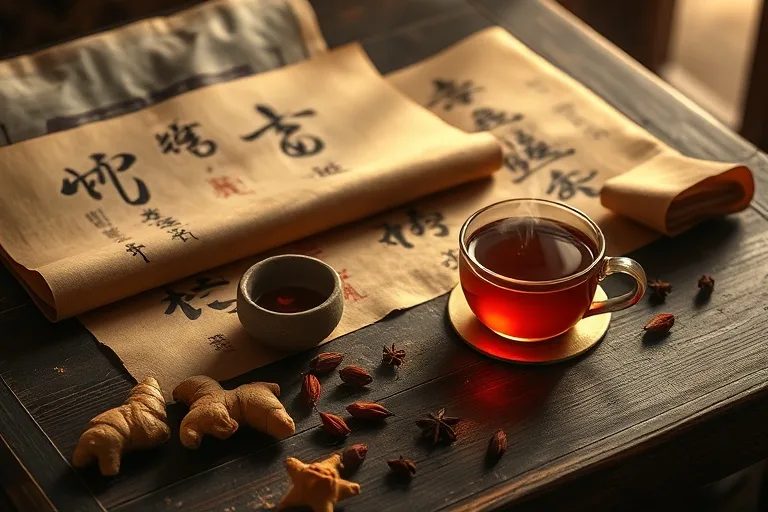
Ancient scrolls and natural ingredients symbolize the deep roots of Traditional Chinese Medicine.
For an Ox Chinese Zodiac, who can be stubborn, grounding foods help maintain their stability. A Dragon, known for grand ambitions, benefits from foods that support consistent energy, while a Dog, often loyal but prone to worry, needs nourishing and comforting foods. The Goat Chinese Zodiac, often sensitive, thrives on easily digestible and warming foods.
Dietary Principles for the Metal Element (Monkey, Rooster)
Metal types, such as the Monkey and Rooster, are often organized, disciplined, but can be prone to grief, respiratory issues, and dry skin. Their diet should focus on supporting the lungs and large intestine, promoting clear breathing, and moistening dryness.
- Key Taste: Pungent (spicy). This taste helps disperse stagnation and promote circulation in the lungs.
- Recommended Foods:
- Pungent Vegetables: Onions, garlic, radishes, ginger, horseradish.
- White Foods: Pears, almonds, white beans, rice.
- Moistening Foods: Pears, apples, mushrooms, tofu.
- Light Proteins: Chicken, turkey.
- Herbs: Licorice root, thyme.
- Foods to Limit: Excessive dairy, greasy foods, and very cold foods that can create phlegm and dampness.
- Meal Timing: Eating regular, warm meals, especially during autumn, to support lung health.
A Monkey Chinese Zodiac, known for their quick wit, benefits from foods that keep their mind clear and focused, while a Rooster, often meticulous, thrives on foods that support their respiratory and digestive regularity. Further insights into the Monkey's ingenuity can be found in our article on Monkey Ingenuity: Strategic Career Paths & Innovation.
Dietary Principles for the Water Element (Rat, Pig)
Water types, such as the Rat and Pig, are often introspective, adaptable, but can be prone to fear, fatigue, and kidney or bladder issues. Their diet should focus on nourishing the kidneys, strengthening the bones, and supporting fluid balance.
- Key Taste: Salty. This taste helps dissolve stagnation and supports kidney function.
- Recommended Foods:
- Sea Vegetables: Nori, kombu, wakame.
- Black Foods: Black beans, black sesame seeds, black rice, blackberries.
- Mineral-Rich Foods: Bone broth, fish, shellfish.
- Grains: Quinoa, barley.
- Herbs: Parsley, nettle.
- Foods to Limit: Excessive raw foods, cold drinks, and stimulants that can deplete kidney energy.
- Meal Timing: Prioritizing warm, cooked meals, especially during winter, to conserve kidney energy.

An abstract depiction of the Five Elements Theory, illustrating their dynamic interplay for vitality.
For a Rat Chinese Zodiac, who can be prone to overthinking, nourishing foods help ground their mental energy, while a Pig, known for their love of indulgence, benefits from foods that support detoxification and balance. You can explore more about the Pig Zodiac's traits and meaning in our dedicated article.
Balancing Your Plate: Seasonal and Individual Needs
While your primary elemental constitution (based on your zodiac animal and birth year element) provides a foundational dietary guide, the Five Elements Diet is not static. It encourages adaptability based on seasons, current health conditions, and even geographical location. For example, during summer (Fire season), individuals may need more cooling foods, regardless of their dominant element.
Consider the concept of "seasonal eating" – consuming foods that are naturally abundant in your environment during specific times of the year. This aligns perfectly with the Five Elements, as each season naturally emphasizes certain elemental energies. For instance, spring is Wood, summer is Fire, late summer is Earth, autumn is Metal, and winter is Water. Adjusting your diet to these natural rhythms enhances the body's ability to adapt and thrive.
| Season | Associated Element | Dietary Focus |
|---|---|---|
| Spring | Wood | Detoxification, light and fresh greens, sour tastes. |
| Summer | Fire | Cooling foods, bitter tastes, hydrating fruits. |
| Late Summer | Earth | Grounding, naturally sweet root vegetables, whole grains. |
| Autumn | Metal | Moistening foods, pungent tastes, white foods for lung support. |
| Winter | Water | Warming, mineral-rich foods, salty tastes for kidney nourishment. |
Listening to your body's signals is paramount. If you feel overheated, incorporate more cooling foods. If you experience fatigue, focus on warming and nourishing options. This dynamic approach ensures that your diet is always responsive to your evolving needs, leading to sustainable well-being, a concept also explored in holistic wellness practices.
Practical Tips for Integrating the Five Elements Diet
Adopting the Five Elements Diet doesn't require an overnight overhaul of your eating habits. Small, consistent changes can lead to significant improvements. Here are some practical tips to help you integrate this ancient wisdom into your modern lifestyle:
- Identify Your Dominant Element: Determine your Chinese Zodiac animal and its associated element. This will be your primary focus. Resources like Chinese Astrology: Zodiac Animals and Their Influence can help.
- Start with One Meal: Begin by modifying one meal a day, perhaps breakfast, to align with your elemental needs. For example, a Wood type could start with a green smoothie.
- Incorporate All Five Tastes: Even if you prioritize one taste, ensure your meals include a balance of sweet, sour, salty, bitter, and pungent flavors. This naturally brings in a wider range of nutrients.
- Cook with Intention: Pay attention to cooking methods. Steaming and stir-frying are generally preferred for preserving nutrients and energy. Slow cooking is excellent for Earth and Water elements.
- Hydration is Key: Drink warm water or herbal teas throughout the day. Avoid excessive cold drinks, which can dampen digestive fire.
- Mindful Eating: Eat slowly, chew thoroughly, and pay attention to your body's signals of hunger and fullness. This enhances digestion and nutrient absorption.
- Consult a TCM Practitioner: For personalized guidance, especially if you have specific health concerns, consulting a qualified Traditional Chinese Medicine practitioner can provide invaluable insights.
Remember, this diet is about harmony, not strict rules. It's a journey of self-discovery and connection with ancient wisdom, aiming to foster a deeper understanding of your body's unique needs. This philosophy extends to various aspects of life, including understanding planetary influences on your natal chart.
Benefits of the Five Elements Diet
Embracing the Chinese Zodiac and Five Elements Diet offers a multitude of benefits that extend beyond mere physical health. This holistic approach can lead to profound improvements in overall well-being:
- Enhanced Digestion: By consuming foods that support your dominant element and balance others, digestive organs function more efficiently, reducing issues like bloating, indigestion, and fatigue after meals.
- Increased Energy and Vitality: When the body's elemental energies are in harmony, you experience a natural surge in energy levels, improved stamina, and a greater sense of vitality throughout the day.
- Improved Emotional Balance: Each element is linked to specific emotions. By balancing your elemental diet, you can mitigate emotional extremes, leading to greater emotional stability, reduced stress, and improved mood.
- Stronger Immunity: A well-nourished body with balanced internal energies is better equipped to defend against illness and disease, bolstering your immune system naturally.
- Better Sleep Quality: Harmonizing the elements, especially Fire (heart) and Water (kidneys), can lead to a calmer mind and body, promoting deeper, more restorative sleep.
- Clearer Skin and Hair: Internal balance often reflects externally. Improved circulation, detoxification, and nutrient absorption contribute to healthier, more radiant skin and lustrous hair.
- Deeper Connection to Nature: The diet encourages seasonal eating and mindful consumption, fostering a stronger connection to natural rhythms and the environment. This resonates with broader spiritual and natural connections.
These benefits underscore the profound wisdom embedded in ancient Chinese traditions, offering a pathway to not just manage symptoms, but to cultivate genuine, long-lasting health and harmony.
Conclusion: A Path to Harmonious Living
The Chinese Zodiac and Five Elements Diet provides a sophisticated yet intuitive framework for personalized nutrition. By understanding your unique elemental constitution and aligning your food choices with the principles of TCM, you can unlock a powerful pathway to balance, vitality, and overall well-being. This journey is one of self-awareness, allowing you to listen to your body's needs and respond with nourishing foods that support your inherent energetic blueprint.
Embracing this ancient dietary wisdom is more than just a diet; it's a lifestyle that promotes harmony with yourself and the natural world. It encourages a mindful approach to eating, transforming each meal into an opportunity to cultivate health and prevent imbalance. As you integrate these principles, you may find not only physical improvements but also a deeper sense of peace and connection, which is a cornerstone of holistic astrological practices.
Fuente: Contenido híbrido asistido por IAs y supervisión editorial humana.


Comments
Post a Comment