
Feng Shui Digital Nomads Harmonizing Virtual Spaces Well-being
In an increasingly interconnected world, the digital nomad lifestyle offers unparalleled freedom and flexibility, allowing professionals to work from anywhere with an internet connection. However, this freedom often comes with unique challenges, such as maintaining focus, managing stress, and creating a sense of stability in constantly changing environments. This is where the ancient Chinese art of Feng Shui, traditionally focused on harmonizing physical spaces, finds a contemporary application: harmonizing virtual workspaces and enhancing the overall well-being of the modern digital nomad.
Feng Shui, which literally translates to "wind-water," is a pseudoscience originating from ancient China, asserting that arranging objects in specific ways can optimize energy flow (Qi) and improve various aspects of life, from health to prosperity. While its origins are deeply rooted in physical architecture and landscape, its core principles of balance, flow, and intention can be surprisingly effective when adapted to the digital realm and the transient nature of nomadic living. By understanding and applying these principles, digital nomads can transform their temporary setups into powerful hubs of productivity and peace.
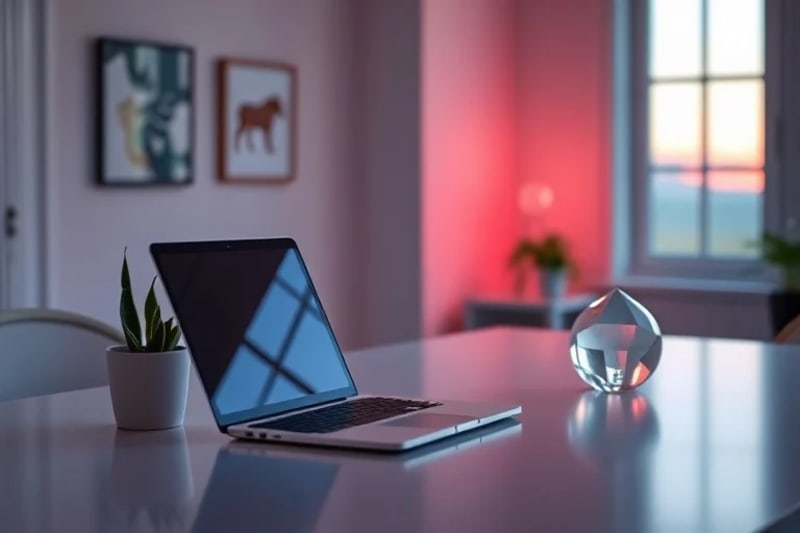
A thoughtfully arranged workspace, blending natural elements with modern technology, can significantly enhance a digital nomad's focus and well-being.
This guide explores how digital nomads can leverage Feng Shui to create an environment that supports their professional goals and personal growth, whether they are working from a bustling co-working space, a quiet café, or a temporary rental. We will delve into adapting traditional Feng Shui concepts to both the tangible and intangible aspects of nomadic work, ensuring that energy flows freely and positively, regardless of geographical location.
Introduction to Digital Nomad Feng Shui
The digital nomad lifestyle, characterized by remote work and frequent travel, presents a unique set of environmental challenges. Traditional Feng Shui emphasizes fixed elements like building orientation, landforms, and permanent furniture arrangements. For nomads, these elements are often temporary or entirely virtual. Therefore, the application of Feng Shui must evolve, focusing on adaptable principles and the energetic quality of both physical and digital spaces.
Digital Nomad Feng Shui is not about rigid rules but about cultivating awareness and intention. It's about understanding how your surroundings, both tangible and intangible, influence your mood, productivity, and overall life path. By consciously curating your workspace and digital environment, you can mitigate the stresses of constant movement and foster a sense of stability and purpose.
Core Principles of Feng Shui for the Modern Nomad
At its heart, Feng Shui revolves around several fundamental concepts that can be universally applied. Understanding these is crucial for adapting the practice to a nomadic existence.
- Qi (Chi): The Life Force Energy. This is the invisible energy that flows through all things. Good Feng Shui aims to enhance the flow of positive Qi and deflect negative Qi. For a digital nomad, this means optimizing both physical and virtual spaces to feel energetic, clear, and inspiring.
- The Bagua Map: Mapping Life Areas. The Bagua is an octagonal grid used to map different areas of a space to specific life aspects, such as wealth, career, relationships, and health. While applying a fixed Bagua to a constantly changing physical space is challenging, its conceptual framework can guide intentional arrangement.
- The Five Elements: Balance and Interaction. Wood, Fire, Earth, Metal, and Water represent different energies and qualities. Balancing these elements in your environment creates harmony. For instance, Wood represents growth and creativity, while Water signifies flow and wisdom.
- Yin and Yang: Duality and Balance. This principle emphasizes the balance of opposing forces (light/dark, active/passive). In a workspace, it translates to balancing stimulation with calm, and work with rest.
These principles, when viewed through the lens of adaptability, become powerful tools for digital nomads. Instead of focusing on permanent structural changes, the emphasis shifts to mobile, flexible, and intentional arrangements that can travel with you.
Harmonizing Your Digital Workspace
The digital workspace is often overlooked in traditional Feng Shui, yet it's where much of a nomad's energy and focus reside. Applying Feng Shui to your digital realm can significantly impact your productivity and mental clarity.
- Declutter Your Digital Desktop: Just as a cluttered physical desk can impede workflow, a chaotic digital desktop can create mental clutter. Organize files into clear folders, delete unnecessary documents, and use a minimalist background image. This creates a visually calm and energetically clear starting point for your work.
- Optimize Your Digital Flow: Consider the "flow" of your digital tools. Are your most frequently used applications easily accessible? Is your cloud storage organized? A smooth digital workflow reduces friction and enhances the flow of your work Qi. This might involve setting up automated file management or using productivity apps to streamline tasks.
- Intentional Digital Aesthetics: Choose desktop backgrounds, app icons, and digital themes that evoke positive emotions and align with your goals. For example, a background image of a serene landscape can bring a sense of peace, while vibrant colors can stimulate creativity.
- Manage Digital Notifications: Constant pings and alerts fragment attention and disrupt energy flow. Implement strategies to manage notifications, creating dedicated "focus times" where digital distractions are minimized. This helps maintain a strong energetic boundary around your work.

Visualizing the flow of digital information as a harmonious energy current can inspire a more organized and productive virtual workspace.
By treating your digital space with the same respect and intention as a physical one, you can create a powerful energetic foundation for your nomadic career. This conscious approach to your digital environment contributes to better concentration and a more positive work experience.
Optimizing Your Physical Home Office (or Temporary Setup)
Even for nomads, there's always a physical space where work happens, however temporary. Applying traditional Feng Shui principles here, with a flexible mindset, can make a significant difference.
- Commanding Position: Whenever possible, position your desk so you can see the door without being directly in line with it. This gives you a sense of control and security. Avoid sitting with your back to the door or a window, as this can create vulnerability and unease.
- Clear the Clutter: A clean and organized physical workspace promotes clear thinking. Even in a small space, ensure your immediate work area is free of unnecessary items. This helps in maintaining focus and reduces mental fatigue.
- Bring in Natural Elements: Incorporate elements like small plants (Wood element for growth), a glass of water (Water element for wisdom), or natural light. These connect you to nature and balance the often-artificial environment of digital work.
- Good Lighting: Ensure adequate natural light and supplement with warm, inviting artificial light. Harsh, fluorescent lighting can drain energy. Proper lighting supports mental clarity and reduces eye strain.
- Ergonomics and Comfort: While not strictly Feng Shui, comfort is crucial for sustained positive energy. An ergonomic setup prevents physical discomfort, which can block Qi flow and lead to stress.
For those frequently moving, focus on portable Feng Shui tools: a small plant, a personal crystal, or a specific desk mat that defines your workspace. The intention behind these items is more powerful than their size. Understanding your favorable directions through Kua Numerology can also guide optimal seating arrangements, even in temporary locations.
Feng Shui for Well-being and Productivity On the Go
The ultimate goal of Feng Shui for digital nomads is to cultivate a sense of well-being and consistent productivity, regardless of location. This involves a holistic approach that extends beyond the immediate workspace.
- Mindful Transitions: When moving between locations, consciously "reset" your energy. Clean your new space, even if it's temporary, and arrange your belongings with intention. This ritual helps to establish a fresh energetic foundation.
- Personal Energy Management: Just as you manage the Qi of your space, manage your personal Qi. Practices like meditation, deep breathing, and regular exercise are vital. These help to clear mental fog and maintain a strong energetic field, which is particularly important when dealing with the emotional cycles and manifestation challenges of nomadic life.
- Color Psychology: Use colors intentionally in your clothing, digital themes, and portable accessories. Colors evoke different energies: blues and greens for calm and growth, reds for passion and energy (use sparingly in work areas), yellows for clarity and communication.
- Sound and Scent: Incorporate calming sounds (nature sounds, soft music) or uplifting scents (essential oils like peppermint for focus, lavender for relaxation) into your routine. These sensory elements can quickly shift the energetic quality of any space.
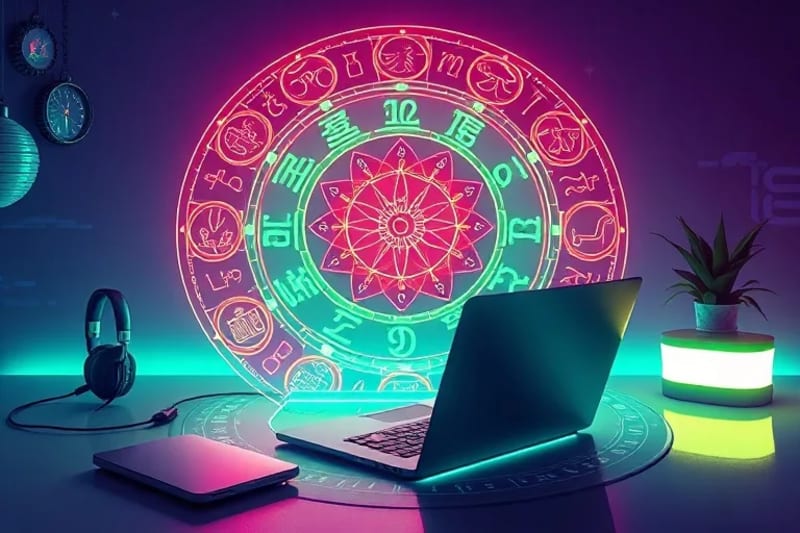
A conceptual representation of how the Bagua map can be applied to a compact, portable workspace, guiding intentional arrangement for optimal energy flow.
By integrating these practices, digital nomads can create a personal energy bubble that travels with them, providing a constant source of positive Qi and supporting their overall health and happiness.
Adapting Feng Shui to the Nomad Lifestyle
The key to successful Feng Shui for digital nomads lies in flexibility and innovation. It's about finding creative ways to apply ancient wisdom to modern, mobile realities.
- The "Invisible" Bagua: Instead of physically mapping the Bagua onto a room, apply it conceptually to your life. For example, dedicate specific digital folders or even mental blocks of time to "Wealth" (financial planning), "Relationships" (communication with loved ones), or "Career" (skill development).
- Portable Power Objects: Carry small, meaningful items that embody positive energy for you. This could be a crystal, a miniature plant, a photo of a loved one, or a special pen. These objects serve as anchors for your intention and personal Qi.
- Virtual Boundaries: In shared co-working spaces or cafes, create virtual boundaries. Use noise-canceling headphones, a screen privacy filter, or even a specific scent to define your personal workspace and minimize external energetic interference.
- Embrace Impermanence: Recognize that not every space will be perfect. The goal is not perfection, but continuous improvement and intentionality. Focus on what you *can* control and let go of what you cannot. This mindset itself is a powerful Feng Shui practice.
This adaptive approach ensures that Feng Shui remains a practical and beneficial tool, rather than a source of frustration, for those living a life on the move. It helps in decoding karmic debt through self-awareness and intentional living.
Practical Tips for Instant Harmony
Here are some immediate actions digital nomads can take to infuse Feng Shui into their daily routine:
- Daily Digital Declutter: Spend 5 minutes each morning clearing your desktop, downloads folder, and email inbox. This sets a clear energetic tone for the day.
- Define Your Workspace: Even if it's just a corner of a table, consciously define your work area. Place a small, meaningful item there when you start work and remove it when you finish, signaling a clear boundary between work and leisure.
- Hydrate and Energize: Keep a glass of water or a healthy beverage near your workspace. Water represents wealth and wisdom in Feng Shui and helps maintain focus.
- Incorporate Greenery: A small, low-maintenance plant (like a succulent) can bring vital Wood energy, promoting growth and creativity.
- Mindful Breaks: Step away from your screen regularly. Look out a window, stretch, or take a short walk. This allows Qi to circulate and prevents stagnation.
- Set Intentions: Before starting work, take a moment to set a positive intention for your tasks. This directs your energy and aligns your work with your goals, potentially influencing financial prosperity and timing investments.
These simple yet powerful practices can be integrated into any nomadic lifestyle, creating a foundation of harmony and support wherever your travels take you.
In conclusion, Feng Shui for digital nomads is an innovative adaptation of ancient wisdom, offering practical strategies to cultivate balance, enhance productivity, and promote well-being in a dynamic, location-independent lifestyle. By consciously harmonizing both virtual and physical spaces, nomads can create environments that not only support their work but also enrich their lives, fostering a deeper connection to their surroundings and their inner selves.
Source: Hybrid content assisted by AI and human editorial supervision.


Comments
Post a Comment