
Sound Healing Basics Vibrational Frequencies Wellness Balance | StarPluto
Sound healing, an ancient practice gaining renewed recognition in modern holistic wellness, harnesses the power of vibrational frequencies to promote physical, mental, and emotional well-being. This therapeutic approach is rooted in the understanding that everything in the universe, including our bodies, is in a state of vibration.
When these natural vibrations become disrupted due to stress, illness, or emotional imbalance, sound healing techniques can help restore harmony. By exposing the body and mind to specific frequencies and rhythms, practitioners aim to realign energetic pathways and encourage a state of deep relaxation and self-repair.
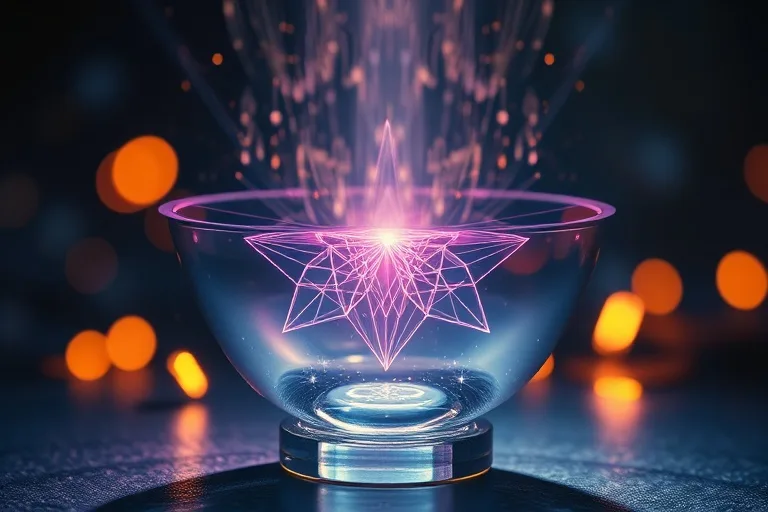
Experience the serene beauty of Tarot Quantum Mechanics Intersecting Divination Reality through the gentle resonance of crystal singing bowls.
The concept is simple yet profound: just as a musical instrument can be tuned, so too can the human body be brought back into optimal resonance. This introductory guide will delve into the core principles of sound healing, its historical origins, the science behind its effectiveness, and practical ways to integrate it into your life for enhanced wellness and balance.
What is Sound Healing?
Sound healing, also known as sound therapy or vibrational medicine, is a practice that uses specific sound frequencies and vibrations to induce a state of deep relaxation, reduce stress, and promote healing within the body and mind. It operates on the principle that every cell in our body vibrates at a particular frequency, and these frequencies can be influenced by external sounds.
The goal is to bring the body's energetic systems back into balance, allowing for natural healing processes to occur. This can involve listening to music, vocal toning, or experiencing the vibrations from instruments placed on or around the body. The experience is often deeply meditative and restorative.
Practitioners believe that different sound frequencies can affect various parts of the body and mind, targeting specific issues or promoting overall well-being. From ancient chants to modern therapeutic music, the essence of sound healing remains consistent: to use sound as a conduit for harmony and health.
The Science Behind Sound Healing: Resonance and Entrainment
The scientific understanding of sound healing primarily revolves around the concepts of resonance and entrainment. Resonance occurs when an object vibrates at its natural frequency in response to an external sound wave. In the context of the human body, this means that cells, tissues, and organs can respond to specific sound frequencies, potentially restoring their optimal vibrational state.
Entrainment, on the other hand, is the process by which the rhythmic cycles of our bodies (like brainwave patterns, heart rate, or breathing) synchronize with an external rhythm. When exposed to steady, rhythmic sounds, the brain's electrical activity can shift from faster beta waves (associated with alertness and stress) to slower alpha, theta, or even delta waves, which are characteristic of relaxation, meditation, and deep sleep.
Visualizing the subtle Sound Alchemy: Cellular Regeneration, Manifestation Frequencies achieved through sound and vibration.
Research in fields like psychoacoustics and neurobiology has begun to explore these mechanisms. Studies have shown that sound therapy can influence the autonomic nervous system, reducing cortisol levels (the stress hormone) and increasing parasympathetic activity, which promotes rest and digestion. This physiological shift is crucial for the body's healing capabilities.
Furthermore, binaural beats, a specific auditory phenomenon where two different frequencies are played into each ear, can induce brainwave entrainment, guiding the brain into desired states like relaxation or focus. While more extensive clinical trials are always needed, the anecdotal evidence and preliminary scientific findings strongly support the efficacy of sound as a therapeutic tool.
Ancient Roots: A Brief History of Sound Therapy
The use of sound for healing is not a modern invention; it has been an integral part of human culture for millennia. Ancient civilizations across the globe recognized the profound impact of sound on the human spirit and body. From the chanting rituals of indigenous tribes to the sophisticated musical theories of ancient Greece, sound was often intertwined with spiritual and medical practices.
In ancient Egypt, priests and priestesses used vocal toning in healing temples, believing that specific vowel sounds could resonate with different energy centers in the body. The ancient Greeks, including Pythagoras, explored the mathematical relationships of musical intervals and their effects on human emotions and health, using flutes and lyres to treat various ailments.
Tibetan monks have long utilized singing bowls, gongs, and chanting as part of their meditative and healing traditions, believing these sounds can clear energetic blockages and promote spiritual awakening. Similarly, Aboriginal Australians have used the didgeridoo for thousands of years in healing ceremonies, its deep vibrations thought to cleanse and restore.
These historical practices highlight a universal understanding of sound's therapeutic potential, passed down through generations. While the instruments and specific techniques varied, the core belief in sound's ability to restore balance and facilitate healing remained constant across diverse cultures.
Common Sound Healing Instruments and Their Uses
A wide array of instruments is employed in sound healing, each with unique vibrational qualities and therapeutic applications. Understanding these tools can help individuals choose the right approach for their specific needs.

The visual representation of inner peace and the propagation of .
Here's a look at some of the most common instruments:
- Crystal Singing Bowls: Made from quartz crystal, these bowls produce pure, resonant tones that are said to correspond to the body's chakra system. They are often used in sound baths to induce deep relaxation and energetic cleansing.
- Tibetan Singing Bowls: Crafted from a mixture of metals, these bowls produce complex overtones and rich, earthy vibrations. They are traditionally used for meditation, relaxation, and balancing the energy field.
- Gongs: Gongs create a powerful, immersive sound experience that can lead to altered states of consciousness and deep emotional release. Their vibrations are felt throughout the entire body.
- Tuning Forks: These precise instruments produce specific frequencies that can be applied to various points on the body or held near the ears. They are used for targeted healing, pain relief, and balancing the nervous system.
- Drums: Rhythmic drumming has been used in healing ceremonies for centuries. The steady beat can induce a trance-like state, facilitating emotional release and connection to primal energies.
- Chimes and Bells: Gentle, ethereal sounds from chimes and bells are often used to clear energy, mark transitions in meditation, and create a peaceful atmosphere.
- Voice/Vocal Toning: The human voice is a powerful healing instrument. Chanting, toning, and singing can create resonant vibrations within the body, promoting self-expression and energetic alignment.
Each instrument offers a unique pathway to vibrational healing, allowing practitioners to tailor sessions to individual needs and preferences. The choice of instrument often depends on the desired outcome, whether it's deep relaxation, emotional release, or energetic revitalization.
Benefits of Sound Healing for Mind, Body, and Spirit
The benefits of engaging with sound healing practices are multifaceted, impacting various aspects of an individual's well-being. These advantages extend beyond mere relaxation, touching upon physical, mental, emotional, and spiritual dimensions.
- Stress Reduction and Relaxation: One of the most immediate and widely recognized benefits is the profound ability of sound to calm the nervous system. Sound baths and meditative tones can significantly lower stress and anxiety levels, promoting a state of deep relaxation.
- Improved Sleep Quality: By inducing brainwave states associated with deep rest, sound healing can help individuals overcome insomnia and achieve more restorative sleep. The calming effect prepares the body and mind for a peaceful night.
- Pain Management: While not a cure, sound vibrations can help alleviate chronic pain by reducing muscle tension and promoting the release of endorphins, the body's natural painkillers. It can also distract the mind from pain signals.
- Enhanced Mood and Emotional Release: Sound can facilitate the release of stagnant emotions, helping individuals process grief, anger, or sadness. It can also uplift spirits, fostering feelings of joy and contentment.
- Increased Focus and Clarity: Regular exposure to specific frequencies can improve cognitive functions, leading to better concentration, mental clarity, and problem-solving abilities.
- Energetic Balance: Many believe that sound healing helps clear energetic blockages in the body's subtle energy system, such as chakras, promoting a free flow of vital energy and overall vitality.
- Spiritual Connection and Insight: For many, sound healing is a spiritual practice that deepens their connection to their inner self, intuition, and a sense of universal harmony. It can facilitate profound meditative experiences and spiritual insights.
These benefits underscore why sound healing is becoming an increasingly popular complementary therapy for those seeking holistic approaches to health and wellness. It offers a gentle yet powerful path to self-discovery and inner peace.
Integrating Sound Healing into Daily Life
Incorporating sound healing into your daily routine doesn't necessarily require expensive instruments or professional sessions, though these can be highly beneficial. There are many simple ways to harness the power of vibrational frequencies for your well-being.
- Listen to Therapeutic Music: Explore playlists featuring binaural beats, solfeggio frequencies, or ambient nature sounds. These can be used during meditation, work, or before sleep to shift your brainwave state.
- Practice Vocal Toning: Experiment with making sustained vowel sounds or humming, allowing the vibrations to resonate within your body. This simple practice can be incredibly grounding and stress-reducing.
- Attend Sound Baths: Participate in group sound baths where a practitioner uses various instruments like gongs and singing bowls. These immersive experiences offer deep relaxation and energetic recalibration.
- Use Personal Instruments: If you're drawn to it, consider acquiring a small crystal bowl, Tibetan bowl, or tuning fork. Even a few minutes of playing these instruments can have a profound effect.
- Mindful Listening: Pay attention to the sounds around you, both natural and man-made. Practice active listening to discern the subtle textures and rhythms, fostering a deeper connection to your environment.
By consciously engaging with sound, you can create a more harmonious internal and external environment, supporting your journey towards greater wellness and balance. The key is consistency and an open mind to the subtle yet powerful effects of vibration.
Frequently Asked Questions about Sound Healing
Here are answers to some common questions regarding sound healing:
Q: Is sound healing safe for everyone?
A: Generally, sound healing is considered safe. However, individuals with certain conditions like epilepsy, pacemakers, or those who are pregnant should consult their doctor before participating in intense sound sessions, especially those involving strong vibrations like gongs.
Q: How long does it take to experience benefits from sound healing?
A: Many people report feeling relaxed and calm after just one session. Consistent practice, whether through personal use or regular sessions, tends to yield more profound and lasting benefits over time, similar to meditation or yoga.
Q: Can sound healing replace traditional medical treatments?
A: No, sound healing is a complementary therapy and should not replace conventional medical treatment. It can be a powerful adjunct to traditional medicine, supporting overall well-being and enhancing the body's natural healing capabilities.
Q: What is a "sound bath"?
A: A sound bath is a meditative experience where participants lie down and are "bathed" in sound waves produced by various instruments like gongs, singing bowls, and chimes. The goal is to induce a state of deep relaxation and meditation, allowing for healing and stress reduction.
The exploration of sound as a healing modality continues to evolve, blending ancient wisdom with modern scientific inquiry. As we become more attuned to the subtle energies that influence our health, sound healing offers a gentle yet powerful pathway to holistic wellness and inner harmony.
Fuente: Contenido híbrido asistido por IAs y supervisión editorial humana.


Comments
Post a Comment