
Psycho-Astrology Jungian Archetypes Shadow Mastery Wholeness Guide
Psycho-Astrology: Jungian Archetypes, Shadow Mastery, and the Path to Wholeness
Psycho-astrology represents a profound convergence of two powerful disciplines: the ancient wisdom of astrology and the depth psychology pioneered by Carl Gustav Jung. This integrated approach offers a unique lens through which to understand the human psyche, revealing the intricate interplay between celestial patterns and our inner world. By mapping the archetypal energies described by Jung onto the astrological birth chart, individuals can embark on a transformative journey of self-discovery, shadow integration, and ultimately, psychological wholeness.

Intellectual precursors, fundamental diagrams, and conceptual representations that shaped Carl Jung's vision of archetypes and the psyche.
Visual source subject to ecosystem availability: Wikimedia Commons under license CC BY-SA 4.0 or conceptual AI rendering.
This guide delves into the core tenets of psycho-astrology, exploring how Jungian concepts such as archetypes, the personal and collective unconscious, the ego, the Self, and the shadow find their expression within the natal chart. We will examine practical methodologies for identifying these psychological structures through astrological symbolism and outline strategies for engaging in shadow work to achieve a more integrated and authentic self. The ultimate aim is to foster a deeper connection with one's inner wisdom and navigate life's challenges with greater insight.
Table of Contents
- Jungian Archetypes and Astrological Correspondences
- The Shadow in the Natal Chart: Unveiling Unconscious Aspects
- Mastering the Shadow: Strategies for Integration
- The Path to Wholeness: Individuation and Astrological Transits
- Practical Applications for Personal Growth
Jungian Archetypes and Astrological Correspondences
Carl Jung's concept of archetypes refers to universal, archaic patterns and images that derive from the collective unconscious and are the psychic counterpart of instinct. These primordial images are not inherited ideas, but rather inherited predispositions to respond to the world in particular ways. In psycho-astrology, these archetypes are vividly expressed through the planets, zodiac signs, houses, and aspects within a birth chart, providing a symbolic map of the psyche.
Each planet, for instance, embodies a specific archetypal energy. Mars represents the Warrior or the Hero, symbolizing our drive, assertiveness, and courage. Venus embodies the Lover or the Artist, reflecting our values, relationships, and aesthetic sensibilities. Jupiter aligns with the Sage or the Benefactor, governing expansion, wisdom, and philosophical outlook. Understanding these planetary archetypes provides a profound framework for interpreting the chart's psychological dimensions.
Beyond the personal planets, the outer planets also signify powerful collective archetypes. Uranus embodies the Rebel or the Innovator, driving sudden change and a quest for freedom. Neptune resonates with the Mystic or the Dreamer, influencing spirituality, illusion, and collective unconscious currents. Pluto represents the Transformer or the Destroyer, governing power dynamics, death, and rebirth. These energies, when expressed through specific signs and houses, reveal how an individual interacts with broader societal and evolutionary forces.
The zodiac signs further differentiate these archetypal expressions. Aries, for example, channels the pioneering, assertive energy of the Hero, while Pisces resonates with the Mystic or the Victim, embodying compassion, intuition, and sometimes escapism. The houses indicate the life areas where these archetypal energies play out, and the aspects describe the dynamic relationships and conflicts between them. For a deeper dive into how these archetypes manifest in our lives, consider exploring the broader concept of zodiac myths and archetypes.
| Astrological Element | Corresponding Jungian Archetype(s) | Psychological Manifestation |
|---|---|---|
| Sun | Hero, Ego, Self (potential) | Core identity, conscious will, life purpose, vitality. |
| Moon | Mother, Child, Anima/Animus (emotional aspect) | Emotional nature, security needs, unconscious habits, inner world. |
| Mercury | Trickster, Messenger, Sage (intellectual aspect) | Communication, intellect, learning style, perception. |
| Venus | Lover, Artist, Persona (social grace) | Values, relationships, aesthetics, harmony, pleasure. |
| Mars | Warrior, Hero, Shadow (aggressive aspect) | Drive, assertion, courage, anger, sexual energy. |
| Jupiter | Sage, Benefactor, Explorer | Expansion, wisdom, philosophy, luck, growth opportunities. |
| Saturn | Father, Senex, Taskmaster | Structure, discipline, responsibility, limitations, fear. |
| Uranus | Rebel, Innovator, Awakener | Originality, revolution, sudden change, freedom. |
| Neptune | Mystic, Dreamer, Victim | Spirituality, illusion, compassion, escapism, dissolution. |
| Pluto | Transformer, Destroyer, Regenerator | Power, death, rebirth, transformation, unconscious drives. |
The Shadow in the Natal Chart: Unveiling Unconscious Aspects
The concept of the shadow is central to Jungian psychology. It represents the unconscious aspects of the personality that the conscious ego does not identify with. This can include repressed desires, weaknesses, instincts, and even positive qualities that have been denied or undeveloped. In the natal chart, the shadow often manifests through challenging aspects, difficult house placements, or planets in signs where their energy feels uncomfortable or suppressed, indicating areas where conscious integration is needed.
For example, a strong Mars in a challenging aspect (e.g., square or opposition to the Sun or Moon) might indicate an unacknowledged aggressive streak or a fear of asserting oneself, leading to passive-aggressive behaviors or an inability to stand up for personal needs. Similarly, a repressed Venus, perhaps in a difficult aspect to Saturn, might manifest as difficulty in forming intimate relationships, a fear of vulnerability, or a denial of one's own aesthetic needs and pleasures. The twelfth house, often associated with the unconscious, hidden enemies, and self-undoing, can be a potent area for shadow projection, revealing deeply buried fears and self-sabotaging patterns. Furthermore, understanding the Moon's astrology can shed light on deeply ingrained emotional patterns and instincts that contribute to the shadow, as the Moon governs our subconscious reactions and need for security.
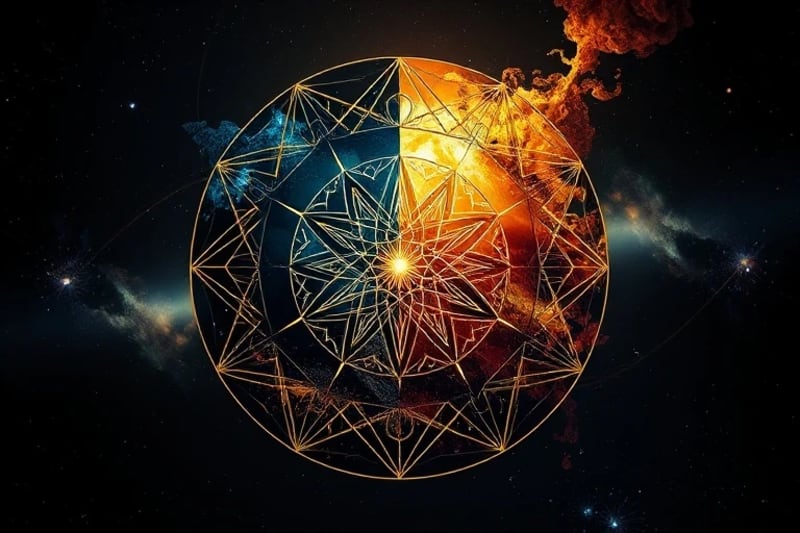
Exploring the duality of the human psyche, where conscious and unconscious elements intertwine in a dance of light and shadow.
Planets in detriment or fall, or those receiving harsh aspects from malefic planets (traditionally Mars and Saturn), can often point to areas where the individual has experienced difficulty integrating certain archetypal energies. These are not necessarily "bad" placements, but rather indicators of potential growth and the need for conscious engagement with these repressed facets of the self. The shadow is not inherently evil; it simply contains what has been rejected by the ego, making its integration crucial for psychological development and true self-acceptance.
The nodes of the Moon, particularly the South Node, can also offer insights into past life patterns and karmic inheritances that contribute to the shadow. These are deeply ingrained habits and comfort zones that, while familiar, may hinder current growth and prevent the individual from embracing new experiences. Recognizing these patterns is the first step toward conscious transformation, allowing one to move beyond limiting unconscious scripts. For those interested in deeper karmic insights, exploring reincarnation and karmic aspects in the natal chart can provide further context into these inherited psychological predispositions.
Mastering the Shadow: Strategies for Integration
Shadow mastery is not about eliminating the shadow, but rather about acknowledging, understanding, and integrating its contents into the conscious personality. This process, often challenging, leads to greater authenticity, self-acceptance, and psychological resilience. Astrology provides a powerful diagnostic tool, highlighting where and how the shadow operates and offering specific areas for focused inner work.
Strategies for shadow integration include:
- Astrological Chart Analysis: Conduct a thorough analysis to identify planets, signs, houses, and aspects that signify repressed energies or difficult psychological patterns. Pay particular attention to squares, oppositions, and planets in the 6th, 8th, and 12th houses, as these often highlight areas of unconscious conflict or hidden potential.
- Active Imagination and Dream Analysis: Engage consciously with dream symbols, fantasies, and spontaneous imagery. Jung believed dreams are messages from the unconscious, and by actively engaging with them, unconscious material can surface and be consciously processed and integrated.
- Projection Awareness: Cultivate an awareness of when you project undesirable traits onto others. When you find yourself strongly disliking or admiring a quality in someone else, it is often a strong indicator of your own unacknowledged shadow content or undeveloped potential.
- Journaling and Self-Reflection: Regularly write about your feelings, fears, and reactions to various situations. This practice helps to uncover underlying motivations, unconscious biases, and recurring patterns of behavior, bringing them into conscious awareness.
- Therapeutic Guidance: Working with a Jungian analyst or a psycho-astrologer can provide a safe and structured environment for shadow work. A skilled guide can help interpret complex astrological configurations and psychological dynamics, facilitating a deeper and more effective integration process.
Transiting planets and progressions can trigger shadow material, bringing unconscious content to the surface for conscious processing. For instance, a Pluto transit to a personal planet might initiate a period of deep psychological transformation, forcing an encounter with repressed power dynamics, fears, or unacknowledged desires. Similarly, a Saturn transit can highlight areas of insecurity or inadequacy that require disciplined attention. Understanding these cycles can help individuals navigate these intense periods with greater awareness and purpose, transforming potential crises into opportunities for profound growth.
The Path to Wholeness: Individuation and Astrological Transits
Jung's concept of individuation refers to the lifelong psychological process of differentiating the self from both personal and collective unconscious, integrating various aspects of the personality, and becoming a whole, unique individual. This journey is not about becoming perfect, but about becoming complete, embracing all facets of one's being. In psycho-astrology, individuation is reflected in the unfolding of the natal chart's potential, often catalyzed by significant planetary transits and progressions that mark crucial developmental stages.
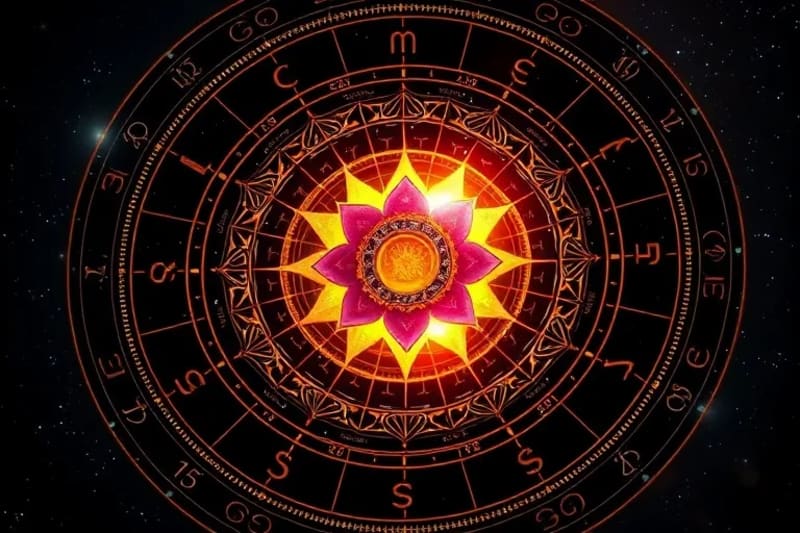
A symbolic representation of the birth chart as a mechanism for growth, leading to the blossoming of the integrated self.
The outer planets (Uranus, Neptune, Pluto) are particularly instrumental in driving the individuation process, as their long cycles bring about profound shifts in consciousness and societal paradigms, impacting individuals on a deep, archetypal level. Uranus transits can trigger sudden awakenings, a desire for freedom from old structures, and a push towards authentic self-expression. Neptune transits can dissolve ego boundaries, fostering spiritual growth, empathy, and connection to the collective, or, if unintegrated, confusion and illusion. Pluto transits enforce deep transformation, compelling individuals to confront and integrate their deepest shadow material, leading to psychological death and rebirth.
The chart ruler plays a crucial role in understanding an individual's core identity and life purpose, guiding the direction of their individuation journey. By consciously working with the energies indicated by the chart ruler and its aspects, one can align more closely with their authentic self and fulfill their unique destiny. The ultimate goal of individuation, supported by psycho-astrology, is to bring the conscious and unconscious into a harmonious relationship, leading to a richer, more meaningful existence where the ego serves the greater Self.
Practical Applications for Personal Growth
Integrating psycho-astrology into personal development offers a wealth of practical benefits, moving beyond mere prediction to profound self-understanding and transformation. It provides a personalized roadmap for understanding one's strengths, weaknesses, and unique psychological makeup, allowing for targeted growth. By identifying archetypal patterns and shadow manifestations, individuals can:
- Enhance Self-Awareness: Gain deeper insights into motivations, fears, desires, and unconscious drives that shape behavior, leading to greater self-acceptance.
- Improve Relationships: Understand projection mechanisms in interpersonal dynamics and integrate personal shadow aspects, leading to healthier, more authentic interactions and reduced conflict.
- Navigate Crises: Use astrological transits as a guide for periods of challenge and transformation, recognizing them as opportunities for growth rather than mere obstacles, and developing resilience.
- Unlock Creative Potential: Reclaim repressed talents, passions, and energies from the shadow, fostering greater creativity, innovation, and self-expression in all areas of life.
- Achieve Greater Wholeness: Move towards a more integrated and authentic sense of self, living in alignment with one's true purpose and experiencing a deeper sense of meaning and fulfillment.
This interdisciplinary approach empowers individuals to actively participate in their psychological evolution, moving beyond deterministic interpretations of astrology to embrace its potential as a dynamic tool for profound inner work. By consciously engaging with the archetypal forces and shadow material revealed in the birth chart, one can truly master their inner landscape and forge a path towards a more integrated and fulfilling life, contributing to both personal well-being and collective consciousness.
The integration of astrology and Jungian psychology offers a comprehensive framework for understanding the human condition. It bridges the gap between the cosmic and the personal, providing a language to articulate the complex dynamics of the soul. This synergy allows for a nuanced exploration of individual potential and the universal patterns that shape our existence.
As Jung himself posited, the unconscious speaks in symbols, and astrology provides a rich symbolic language that mirrors these unconscious processes. By decoding these symbols, we gain access to deeper layers of meaning and purpose in our lives, facilitating the journey towards self-realization.
The journey of psycho-astrology is not a quick fix but a continuous process of self-exploration and integration. It invites us to embrace all facets of our being, both light and shadow, conscious and unconscious, to ultimately realize our full potential and live a life of authentic wholeness, guided by the wisdom of the cosmos and the depths of the psyche.
Related Explorations in Esoteric Wisdom
Delve deeper into the interconnected realms of self-discovery and ancient knowledge with these complementary articles:
- Juno Pallas Vesta Asteroids Birth Chart: Decoding Influence
- Dragon Phoenix Mythology Chinese Astrology Symbolism Guide
- Dwarf Planets Asteroid Goddesses: Advanced Natal Chart Analysis
- Mindful Daily Horoscope: Intention & Astrological Flow
- Chakra-Astrology Integration: Energy Centers Birth Chart Alignment
- Sabian Symbols: Deeper Meaning in Chart Degree Placements
- Advanced Dragon Compatibility: Chinese Zodiac Dynamics
- Chinese Zodiac Luck Pillars: Deciphering Life Stages
- Alchemy Planetary Cycles Transmuting Experiences Opportunities
- Herbal Magic Planetary Correspondence: Crafting Spells Guide
- Guided Meditation Planetary Transits Inner Harmony
- Guided Meditation: Stress Reduction and Concentration Strategies
- Flower Horoscope: Discover Your Birth Flower and Astrological Meaning
- Generational Predictions: Slow Planets and Eras
Source: Hybrid content assisted by AI and human editorial supervision.


Comments
Post a Comment